Asian Restaurant Salad Dressing Recipe: Bold Sesame-Ginger Swirl With Umami Depth

Asian Restaurant Salad Dressing Recipe: Bold Sesame-Ginger Swirl With Umami Depth

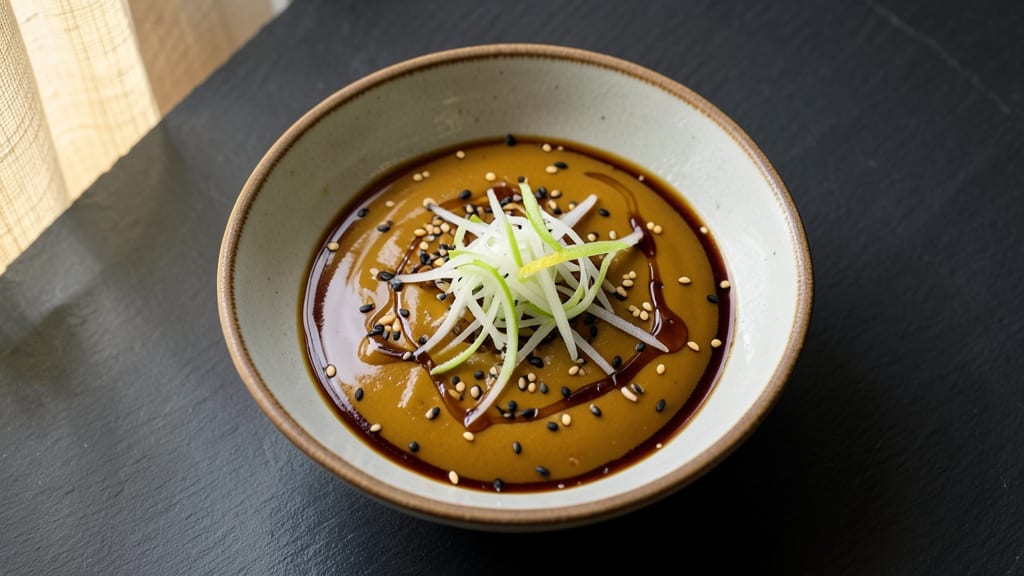
This Asian restaurant salad dressing recipe delivers the same bold sesame-ginger swirl you crave from takeout, with umami depth that elevates any dish. The secret lies in balancing toasted sesame oil, fresh ginger, and citrus—creating a dressing that’s both tangy and rich.

I developed this after years of recreating restaurant flavors at home, and it never fails to impress.

What makes this dressing special is its versatility—it works equally well on fresh greens, noodle bowls, or grilled proteins. The emulsified texture clings beautifully to ingredients, ensuring every bite is packed with flavor. With just 7 simple ingredients, you’ll achieve a dressing that’s restaurant-quality yet easy to make at home.

The result is a vibrant, aromatic sauce with a perfect balance of sweet, spicy, and savory notes. The toasted sesame adds nutty warmth, while fresh ginger and citrus brighten the profile.

This dressing stays fresh in the fridge for up to a week, making it perfect for meal prep or keeping on hand for quick meals.

Pair it with your favorite Asian-inspired dishes or use it to transform simple salads into gourmet meals. Here’s everything you need to make it shine.

👨‍🍳
Difficulty
Medium
🔥
Calories
Low Cal

Ingredients for asian restaurant salad dressing

Seven ingredients transform into a dressing that tastes like your favorite takeout.

Ingredient Amount Notes
Toasted Sesame Oil 🫒 ¼ cup High-quality, nutty aroma
Fresh Ginger 🧄 2 tbsp Finely grated, aromatic
Rice Vinegar 🍶 ¼ cup Seasoned or unseasoned
Soy Sauce 🥢 2 tbsp Light or dark preferred
Sesame Seeds 🌾 2 tbsp Toasted for extra flavor
Honey 🍯 1 tbsp Wildflower or clover
Garlic Cloves 🧄 2 cloves Minced, fresh preferred

The sesame oil is non-negotiable here—Kadoya or La Choy are my go-tos, but any toasted sesame oil works. Fresh ginger is key for that zingy kick; Trader Joe’s sells pre-grated if you’re in a rush, but I always grate mine fresh. The rice vinegar should smell bright and clean—if it’s dull, grab a new bottle. For the soy sauce, Kikkoman is reliable, but Lee Kum Kee adds a deeper umami punch. Toast the sesame seeds in a dry pan for 2 minutes until golden—they’ll add nutty crunch and depth to every drizzle.

No sesame oil? Peanut oil or light olive oil in a pinch, but the flavor won’t be the same. Swap honey for agave or maple syrup if you’re avoiding it. Garlic powder works if you’re out of fresh garlic, but use half the amount. The dressing holds up well if you double the batch—just store it properly. For extra tang, add a splash of lime juice (about 1 tsp), but don’t skip the honey entirely—it balances the acidity beautifully. If you’re making this ahead, let it sit for 10 minutes before using so the flavors meld.

This dressing keeps for up to 1 week in the fridge, sealed tightly in a jar. The longer it sits, the more the flavors develop—trust me, it gets better. If you want to make it ahead for meal prep, store it in small containers so you can grab just what you need. Shake well before each use, as the sesame seeds and seeds tend to settle. Freezing isn’t recommended since the texture changes, but you can freeze it without the sesame seeds and stir them in later.

❤️

Why You’ll Love This Recipe

  • No-Fuss Blend: Honestly, this dressing takes less effort than deciding what to eat—just whisk, taste, and adjust. The ginger and sesame oil do all the work while you’re still chopping veggies.
  • Umami Magic: That first drizzle of toasted sesame oil? Pure flavor payoff. It’s salty, nutty, and just spicy enough to make your greens taste like you actually ordered takeout.
  • Meal Prep Hero: Between us, this is my go-to for lunches, stir-fry sauces, or even a quick marinade. A little goes a long way—store it in the fridge for up to a week and thank me later.
  • Budget Brightener: Soy sauce and rice vinegar are pantry staples, and a tiny bottle of sesame oil lasts forever. You’re basically getting restaurant-level flavor without the $12 price tag. (Yes, even on a Tuesday night.)

Step-by-step instructions for Asian restaurant salad dressing

This dressing comes together in minutes with just a whisk and a few simple ingredients.

1

Toast the Sesame Seeds for Nutty Depth

Heat a dry skillet over medium heat and add the 2 tablespoons sesame seeds. Toast them for 2-3 minutes, stirring constantly, until they turn a rich golden brown and release their nutty aroma. You’ll know they’re ready when they smell intensely toasted and look slightly puffed.

Transfer the toasted seeds to a small bowl and set aside to cool. This step is crucial—it transforms ordinary sesame seeds into flavor powerhouses that add texture and aroma to your dressing. Don’t skip it; the flavor difference is dramatic.

2

Whisk Together the Wet Ingredients

In a medium bowl, combine the 0.25 cup toasted sesame oil, 2 tablespoons fresh ginger, 0.25 cup rice vinegar, 2 tablespoons soy sauce, 1 tablespoon honey, and 2 minced garlic cloves. Use a whisk to blend everything thoroughly for 30 seconds, breaking up any ginger lumps and ensuring the honey dissolves completely.

The mixture should look smooth and slightly glossy from the sesame oil. Here’s the thing—don’t worry if it looks too thin at this stage. The toasted sesame seeds you prepared earlier will help thicken it slightly when added later, creating that perfect swirl texture you get in restaurants.

3

Incorporate the Toasted Sesame Seeds

Add the cooled toasted sesame seeds to the wet mixture and whisk vigorously for another 30 seconds. The seeds should be evenly distributed throughout the dressing. At this point, you might notice the dressing has a beautiful, glossy sheen from the sesame oil, with little specks of toasted seeds suspended throughout.

Taste the dressing and adjust the seasoning if needed. If it needs more tang, add a splash more rice vinegar. For more sweetness, add a tiny bit more honey. The balance should be bright from the vinegar, nutty from the sesame, with a subtle heat from the ginger and garlic.

4

Let It Rest and Swirl

Transfer the dressing to a clean jar or container with a lid. Let it sit at room temperature for 10-15 minutes before using. This resting time allows all the flavors to meld together beautifully. You’ll notice the seeds begin to settle slightly, creating those characteristic swirls when you shake it up.

When you’re ready to use, give the jar a good shake to redistribute the seeds and create that signature swirl pattern. The dressing should coat the back of a spoon with a slightly thick, glossy consistency. If it’s too thick, whisk in 1 teaspoon of warm water to reach your desired consistency.

5

Use Immediately for Best Results

This dressing is best used fresh within 3-4 days when stored in an airtight container in the refrigerator. Before using, give it another good shake to redistribute the sesame seeds. The dressing works beautifully on mixed greens, shredded cabbage, or as a dipping sauce for spring rolls.

For an extra restaurant-style touch, drizzle the dressing over your salad just before serving. The warm honey and toasted sesame seeds will create beautiful patterns as they swirl down, making your salad look as good as it tastes. The umami depth from the soy sauce and ginger will elevate any simple salad to restaurant-quality.

👨‍🍳

Pro Tips For Making Asian Restaurant Salad Dressing

  • GRATE THE GINGER FINE: I used to chop it roughly, thinking it’d blend fine—wrong. Grate it so tiny it’s almost paste-like, or the dressing will taste like you forgot the ginger entirely. A microplane works best, and don’t rinse it afterward; the moisture messes with the balance.
  • WHISK IN STAGES: Dump everything in the bowl at once and you’ll end up with a gloopy mess. Start with the vinegar and soy sauce, whisk until smooth, then add the ginger and sesame oil slowly—this keeps the oil from separating. Patience here saves you from shaking a jar for 10 minutes later.
  • SALT THE SOY SAUCE: Restaurant-style soy sauce is already salty, but if you’re using the cheaper stuff, add a pinch of flaky salt (or a tiny bit of kosher) to the dressing. Trust me, you’ll taste the difference—especially when the dressing thins out over time.
  • TOAST SESAME SEEDS SEPARATELY: Skip this, and your seeds will just float like sad little islands. Toast them dry in a pan over medium heat for 30 seconds until golden and fragrant, then sprinkle them in at the end. The crunch and aroma make all the difference—no blending required.

Perfect pairings for asian restaurant salad dressing

Asian-Inspired Salad Greens

This dressing shines on mixed baby greens like butter lettuce, spinach, or arugula—toss them with 2 cups greens per serving and 1 tablespoon dressing for a perfect balance.

For extra texture, add ½ cup shredded red cabbage and ¼ cup sliced cucumber. The ginger and sesame notes complement the crispness beautifully. 🥗

Noodle Bowl Elevation

Transform simple noodles into a restaurant-worthy dish by drizzling 2 tablespoons dressing over chilled soba or rice noodles. Add ½ cup shredded carrots, ¼ cup sliced bell peppers, and 2 oz grilled chicken or tofu.

The umami from the soy sauce and sesame oil clings perfectly to the noodles. I often double the batch for meal prep—it keeps for 5 days in the fridge.

Grilled Protein Pairings

Use this dressing as a marinade or finishing sauce for grilled shrimp, chicken, or salmon. Brush 1-2 tablespoons onto proteins before grilling, then drizzle extra over the top after cooking.

The honey and ginger caramelize slightly, creating a sticky, flavorful glaze. For shrimp, marinate for 15 minutes before grilling for maximum flavor infusion. 🍤

Spring Roll Dipping Sauce

This dressing doubles as an incredible dipping sauce for spring rolls or dumplings. Serve it warm or at room temperature in a small bowl with a wide rim for easy dipping. The toasted sesame seeds add texture contrast, while the tangy-sweet balance cuts through fried foods perfectly.

I like to add 1 teaspoon lime juice when using as a dip for extra brightness. 🥟

Rice Bowl Topper

Drizzle 1-2 tablespoons over steamed jasmine or sushi rice bowls. Pair with ½ cup cooked quinoa, ¼ cup edamame, and 2 slices avocado. The dressing’s nutty depth complements the rice while adding a sophisticated finish. For extra richness, sprinkle with 1 teaspoon furikake before serving. 🍚

Breakfast Boost

Add a spoonful to your morning avocado toast or scrambled eggs for an Asian-inspired twist. The ginger and garlic wake up your taste buds, while the honey adds subtle sweetness.

I like to drizzle 1 tablespoon over toasted sourdough with ½ avocado and a pinch of flaky salt. It’s a game-changer for weekday breakfasts. 🍳

Nutrition facts

Servings 4 (2 tbsp each)
Amount Per Serving
Calories 140kcal
% Daily Value *
Total Fat 13g17%
Saturated Fat 2g10%
Cholesterol 0mg0%
Sodium 450mg20%
Total Carbohydrate 8g3%
Dietary Fiber 1g4%
Sugars 6g
Protein 1g2%
* Percent Daily Values are based on a 2,000 calorie diet. Your daily values may be higher or lower depending on your calorie needs.

Frequently asked questions

1

Can I make this dressing without sesame oil?

Yes, but the flavor will differ. Substitute with peanut oil or light olive oil (about ¼ cup) for a neutral base. For authenticity, use toasted sesame seeds only—they still add nutty depth, though the aroma won’t be as rich. The texture may also be slightly lighter without the oil’s emulsifying properties.

2

How do I adjust the spice level?

Add ½ teaspoon of sriracha or chili crisp for heat, or ½ teaspoon of grated chili for smoky depth. For milder versions, reduce the ginger to 1 tablespoon and omit garlic if sensitive. Always taste before serving—you can always add more, but removing spice is tricky!

3

Why did my dressing separate?

This happens when oil and vinegar aren’t properly emulsified. Whisk vigorously for 30 seconds after adding seeds, or blend with an immersion blender. For a thicker dressing, add 1 teaspoon cornstarch mixed with 1 tsp water and simmer for 2 minutes. Always store it in the fridge and shake well before use.

4

Can I use this dressing on non-Asian dishes?

It works wonderfully on grilled chicken Caesar salads, steak bites, or even pasta dishes. The umami from soy and ginger pairs surprisingly well with Italian flavors. Try it on cold spaghetti with a sprinkle of Parmesan for an unexpected twist.

5

How long does it keep in the fridge?

This dressing stays fresh for up to 1 week when stored in an airtight container. The flavors actually improve over time! For longer storage, freeze the dressing (without seeds) for up to 3 months, then stir in fresh seeds when ready to use.

★★★★★4.6(13 reviews)
Emma Sullivan

Asian Restaurant Salad Dressing Recipe: Bold Sesame-Ginger Swirl With Umami Depth

Asian Restaurant Salad Dressing Recipe: Bold Sesame-Ginger Swirl With Umami Depth

This Asian restaurant salad dressing recipe delivers the same bold sesame-ginger swirl you crave from takeout, with umami depth that elevates any dish. The secret lies in balancing toasted sesame oil, fresh ginger, and citrus—creating a dressing that’s both tangy and rich.

I developed this after years of recreating restaurant flavors at home, and it never fails to impress.

What makes this dressing special is its versatility—it works equally well on fresh greens, noodle bowls, or grilled proteins. The emulsified texture clings beautifully to ingredients, ensuring every bite is packed with flavor. With just 7 simple ingredients, you’ll achieve a dressing that’s restaurant-quality yet easy to make at home.

The result is a vibrant, aromatic sauce with a perfect balance of sweet, spicy, and savory notes. The toasted sesame adds nutty warmth, while fresh ginger and citrus brighten the profile.

This dressing stays fresh in the fridge for up to a week, making it perfect for meal prep or keeping on hand for quick meals.

Pair it with your favorite Asian-inspired dishes or use it to transform simple salads into gourmet meals. Here’s everything you need to make it shine.

👨‍🍳
Difficulty
Medium
🔥
Calories
Low Cal

Ingredients for asian restaurant salad dressing

Seven ingredients transform into a dressing that tastes like your favorite takeout.

Ingredient Amount Notes
Toasted Sesame Oil 🫒 ¼ cup High-quality, nutty aroma
Fresh Ginger 🧄 2 tbsp Finely grated, aromatic
Rice Vinegar 🍶 ¼ cup Seasoned or unseasoned
Soy Sauce 🥢 2 tbsp Light or dark preferred
Sesame Seeds 🌾 2 tbsp Toasted for extra flavor
Honey 🍯 1 tbsp Wildflower or clover
Garlic Cloves 🧄 2 cloves Minced, fresh preferred

The sesame oil is non-negotiable here—Kadoya or La Choy are my go-tos, but any toasted sesame oil works. Fresh ginger is key for that zingy kick; Trader Joe’s sells pre-grated if you’re in a rush, but I always grate mine fresh. The rice vinegar should smell bright and clean—if it’s dull, grab a new bottle. For the soy sauce, Kikkoman is reliable, but Lee Kum Kee adds a deeper umami punch. Toast the sesame seeds in a dry pan for 2 minutes until golden—they’ll add nutty crunch and depth to every drizzle.

No sesame oil? Peanut oil or light olive oil in a pinch, but the flavor won’t be the same. Swap honey for agave or maple syrup if you’re avoiding it. Garlic powder works if you’re out of fresh garlic, but use half the amount. The dressing holds up well if you double the batch—just store it properly. For extra tang, add a splash of lime juice (about 1 tsp), but don’t skip the honey entirely—it balances the acidity beautifully. If you’re making this ahead, let it sit for 10 minutes before using so the flavors meld.

This dressing keeps for up to 1 week in the fridge, sealed tightly in a jar. The longer it sits, the more the flavors develop—trust me, it gets better. If you want to make it ahead for meal prep, store it in small containers so you can grab just what you need. Shake well before each use, as the sesame seeds and seeds tend to settle. Freezing isn’t recommended since the texture changes, but you can freeze it without the sesame seeds and stir them in later.

❤️

Why You’ll Love This Recipe

  • No-Fuss Blend: Honestly, this dressing takes less effort than deciding what to eat—just whisk, taste, and adjust. The ginger and sesame oil do all the work while you’re still chopping veggies.
  • Umami Magic: That first drizzle of toasted sesame oil? Pure flavor payoff. It’s salty, nutty, and just spicy enough to make your greens taste like you actually ordered takeout.
  • Meal Prep Hero: Between us, this is my go-to for lunches, stir-fry sauces, or even a quick marinade. A little goes a long way—store it in the fridge for up to a week and thank me later.
  • Budget Brightener: Soy sauce and rice vinegar are pantry staples, and a tiny bottle of sesame oil lasts forever. You’re basically getting restaurant-level flavor without the $12 price tag. (Yes, even on a Tuesday night.)

Step-by-step instructions for Asian restaurant salad dressing

This dressing comes together in minutes with just a whisk and a few simple ingredients.

1

Toast the Sesame Seeds for Nutty Depth

Heat a dry skillet over medium heat and add the 2 tablespoons sesame seeds. Toast them for 2-3 minutes, stirring constantly, until they turn a rich golden brown and release their nutty aroma. You’ll know they’re ready when they smell intensely toasted and look slightly puffed.

Transfer the toasted seeds to a small bowl and set aside to cool. This step is crucial—it transforms ordinary sesame seeds into flavor powerhouses that add texture and aroma to your dressing. Don’t skip it; the flavor difference is dramatic.

2

Whisk Together the Wet Ingredients

In a medium bowl, combine the 0.25 cup toasted sesame oil, 2 tablespoons fresh ginger, 0.25 cup rice vinegar, 2 tablespoons soy sauce, 1 tablespoon honey, and 2 minced garlic cloves. Use a whisk to blend everything thoroughly for 30 seconds, breaking up any ginger lumps and ensuring the honey dissolves completely.

The mixture should look smooth and slightly glossy from the sesame oil. Here’s the thing—don’t worry if it looks too thin at this stage. The toasted sesame seeds you prepared earlier will help thicken it slightly when added later, creating that perfect swirl texture you get in restaurants.

3

Incorporate the Toasted Sesame Seeds

Add the cooled toasted sesame seeds to the wet mixture and whisk vigorously for another 30 seconds. The seeds should be evenly distributed throughout the dressing. At this point, you might notice the dressing has a beautiful, glossy sheen from the sesame oil, with little specks of toasted seeds suspended throughout.

Taste the dressing and adjust the seasoning if needed. If it needs more tang, add a splash more rice vinegar. For more sweetness, add a tiny bit more honey. The balance should be bright from the vinegar, nutty from the sesame, with a subtle heat from the ginger and garlic.

4

Let It Rest and Swirl

Transfer the dressing to a clean jar or container with a lid. Let it sit at room temperature for 10-15 minutes before using. This resting time allows all the flavors to meld together beautifully. You’ll notice the seeds begin to settle slightly, creating those characteristic swirls when you shake it up.

When you’re ready to use, give the jar a good shake to redistribute the seeds and create that signature swirl pattern. The dressing should coat the back of a spoon with a slightly thick, glossy consistency. If it’s too thick, whisk in 1 teaspoon of warm water to reach your desired consistency.

5

Use Immediately for Best Results

This dressing is best used fresh within 3-4 days when stored in an airtight container in the refrigerator. Before using, give it another good shake to redistribute the sesame seeds. The dressing works beautifully on mixed greens, shredded cabbage, or as a dipping sauce for spring rolls.

For an extra restaurant-style touch, drizzle the dressing over your salad just before serving. The warm honey and toasted sesame seeds will create beautiful patterns as they swirl down, making your salad look as good as it tastes. The umami depth from the soy sauce and ginger will elevate any simple salad to restaurant-quality.

👨‍🍳

Pro Tips For Making Asian Restaurant Salad Dressing

  • GRATE THE GINGER FINE: I used to chop it roughly, thinking it’d blend fine—wrong. Grate it so tiny it’s almost paste-like, or the dressing will taste like you forgot the ginger entirely. A microplane works best, and don’t rinse it afterward; the moisture messes with the balance.
  • WHISK IN STAGES: Dump everything in the bowl at once and you’ll end up with a gloopy mess. Start with the vinegar and soy sauce, whisk until smooth, then add the ginger and sesame oil slowly—this keeps the oil from separating. Patience here saves you from shaking a jar for 10 minutes later.
  • SALT THE SOY SAUCE: Restaurant-style soy sauce is already salty, but if you’re using the cheaper stuff, add a pinch of flaky salt (or a tiny bit of kosher) to the dressing. Trust me, you’ll taste the difference—especially when the dressing thins out over time.
  • TOAST SESAME SEEDS SEPARATELY: Skip this, and your seeds will just float like sad little islands. Toast them dry in a pan over medium heat for 30 seconds until golden and fragrant, then sprinkle them in at the end. The crunch and aroma make all the difference—no blending required.

Perfect pairings for asian restaurant salad dressing

Asian-Inspired Salad Greens

This dressing shines on mixed baby greens like butter lettuce, spinach, or arugula—toss them with 2 cups greens per serving and 1 tablespoon dressing for a perfect balance.

For extra texture, add ½ cup shredded red cabbage and ¼ cup sliced cucumber. The ginger and sesame notes complement the crispness beautifully. 🥗

Noodle Bowl Elevation

Transform simple noodles into a restaurant-worthy dish by drizzling 2 tablespoons dressing over chilled soba or rice noodles. Add ½ cup shredded carrots, ¼ cup sliced bell peppers, and 2 oz grilled chicken or tofu.

The umami from the soy sauce and sesame oil clings perfectly to the noodles. I often double the batch for meal prep—it keeps for 5 days in the fridge.

Grilled Protein Pairings

Use this dressing as a marinade or finishing sauce for grilled shrimp, chicken, or salmon. Brush 1-2 tablespoons onto proteins before grilling, then drizzle extra over the top after cooking.

The honey and ginger caramelize slightly, creating a sticky, flavorful glaze. For shrimp, marinate for 15 minutes before grilling for maximum flavor infusion. 🍤

Spring Roll Dipping Sauce

This dressing doubles as an incredible dipping sauce for spring rolls or dumplings. Serve it warm or at room temperature in a small bowl with a wide rim for easy dipping. The toasted sesame seeds add texture contrast, while the tangy-sweet balance cuts through fried foods perfectly.

I like to add 1 teaspoon lime juice when using as a dip for extra brightness. 🥟

Rice Bowl Topper

Drizzle 1-2 tablespoons over steamed jasmine or sushi rice bowls. Pair with ½ cup cooked quinoa, ¼ cup edamame, and 2 slices avocado. The dressing’s nutty depth complements the rice while adding a sophisticated finish. For extra richness, sprinkle with 1 teaspoon furikake before serving. 🍚

Breakfast Boost

Add a spoonful to your morning avocado toast or scrambled eggs for an Asian-inspired twist. The ginger and garlic wake up your taste buds, while the honey adds subtle sweetness.

I like to drizzle 1 tablespoon over toasted sourdough with ½ avocado and a pinch of flaky salt. It’s a game-changer for weekday breakfasts. 🍳

Nutrition facts

Servings 4 (2 tbsp each)
Amount Per Serving
Calories 140kcal
% Daily Value *
Total Fat 13g17%
Saturated Fat 2g10%
Cholesterol 0mg0%
Sodium 450mg20%
Total Carbohydrate 8g3%
Dietary Fiber 1g4%
Sugars 6g
Protein 1g2%
* Percent Daily Values are based on a 2,000 calorie diet. Your daily values may be higher or lower depending on your calorie needs.

Frequently asked questions

1

Can I make this dressing without sesame oil?

Yes, but the flavor will differ. Substitute with peanut oil or light olive oil (about ¼ cup) for a neutral base. For authenticity, use toasted sesame seeds only—they still add nutty depth, though the aroma won’t be as rich. The texture may also be slightly lighter without the oil’s emulsifying properties.

2

How do I adjust the spice level?

Add ½ teaspoon of sriracha or chili crisp for heat, or ½ teaspoon of grated chili for smoky depth. For milder versions, reduce the ginger to 1 tablespoon and omit garlic if sensitive. Always taste before serving—you can always add more, but removing spice is tricky!

3

Why did my dressing separate?

This happens when oil and vinegar aren’t properly emulsified. Whisk vigorously for 30 seconds after adding seeds, or blend with an immersion blender. For a thicker dressing, add 1 teaspoon cornstarch mixed with 1 tsp water and simmer for 2 minutes. Always store it in the fridge and shake well before use.

4

Can I use this dressing on non-Asian dishes?

It works wonderfully on grilled chicken Caesar salads, steak bites, or even pasta dishes. The umami from soy and ginger pairs surprisingly well with Italian flavors. Try it on cold spaghetti with a sprinkle of Parmesan for an unexpected twist.

5

How long does it keep in the fridge?

This dressing stays fresh for up to 1 week when stored in an airtight container. The flavors actually improve over time! For longer storage, freeze the dressing (without seeds) for up to 3 months, then stir in fresh seeds when ready to use.

★★★★★4.6(13 reviews)
Emma Sullivan