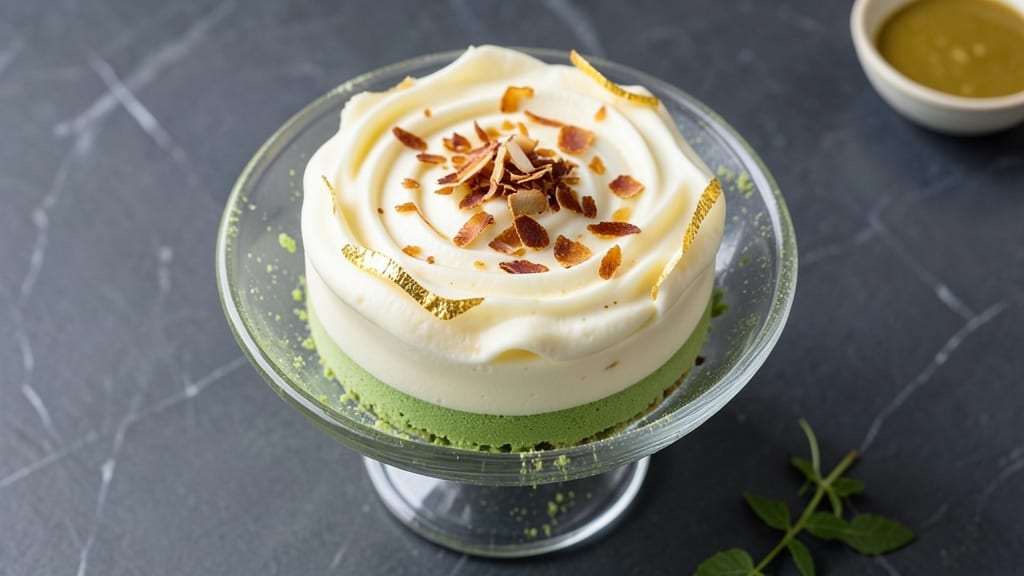
This Asian chiffon cake recipe delivers the signature light-as-air texture and vibrant colors that make it a showstopper at any table. After years of perfecting the technique—from precise egg incorporation to gentle folding—I’ve created a version that stays true to its delicate nature while adapting flavors for modern tastes.
The key lies in understanding how each ingredient plays a role, from the ratio of eggs to sugar to the choice of oil, all working together to create that signature ethereal crumb.
The beauty of this recipe is its versatility—whether you’re drawn to the earthy notes of matcha, the floral sweetness of pandan, or the tropical brightness of coconut milk-infused batter, the base technique remains the same.
I’ve tested it with ube for a purple-hued twist and black sesame for nutty depth, proving that the same method can deliver stunning results across flavors. What sets this apart is the balance: a tender yet sturdy structure that holds its shape while remaining impossibly light.
By the time you pull this cake from the oven, you’ll have layers that seem almost too delicate to cut—golden edges framing a snow-white interior with just the right amount of moisture.
The secret isn’t just in the ingredients but in the process: folding the batter just enough to create air pockets without deflating the structure, and baking at the perfect temperature to ensure even rise.
This is the kind of dessert that makes guests pause before taking their first bite, already knowing it’s something special.
Ready to master the technique? We’ll walk through every step—from measuring ingredients to decorating—so you can achieve professional results in your own kitchen. The best part? This recipe scales beautifully, whether you’re baking for a celebration or treating yourself to a single slice. Let’s get started.
Ingredients for asian chiffon cake
Twelve precise ingredients transform into ethereal layers—light enough to seem weightless.
| Ingredient | Amount | Notes |
|---|---|---|
| Large Egg Whites 🥚 | 12 whole | Room temperature, separated carefully |
| Large Egg Yolks 🥚 | 4 whole | Room temperature, separated carefully |
| Granulated Sugar 🍚 | 1 ½ cups | Superfine preferred for smoothness |
| Cake Flour 🌾 | 1 ½ cups | Sifted, for light texture |
| Unsalted Butter 🧈 | ½ cup | Melted, cooled to room temp |
| Vegetable Oil 🫒 | ¼ cup | Light neutral oil for moisture |
| Water 💧 | ¼ cup | Room temperature, filtered preferred |
| Vanilla Extract 🌿 | 1 tbsp | Pure, high-quality extract |
| Baking Powder 🧂 | 1 ½ tsp | Fresh, for proper rise |
| Salt 🧂 | ½ tsp | Fine sea salt preferred |
| Cornstarch 🌾 | 1 tbsp | For stability and structure |
| Matcha Powder 🍃 | 2 tbsp | Culinary grade, vibrant green |
| Pandan Extract 🌿 | ½ tsp | Optional, for floral aroma |
| Food Coloring 🎨 | 1 tsp | Gel-based for vibrant hues |
The eggs are the foundation—room temperature is non-negotiable for even whipping. Kirkland Signature or Vital Farms eggs work best for consistent results. Separate yolks and whites carefully, ensuring no fat transfers to the whites. The sugar must be superfine—regular granulated won’t dissolve properly, leading to grainy texture. If you can’t find it, pulse regular sugar in a food processor for 30 seconds. For the flour, Bob’s Red Mill cake flour is my go-to, but you can make a substitute by mixing 1 cup all-purpose flour with 2 tbsp cornstarch. The matcha should be culinary grade, not ceremonial—it’s more vibrant and less bitter. Jade Leaf or Matcha Kari are reliable brands.
No matcha? Cocoa powder at half the amount gives depth, though the color will differ. Short on vanilla? Almond extract at half the quantity adds complexity. The pandan extract is optional but worth it for that signature floral note—Trader Joe’s carries it affordably. For vibrant colors, Wilton gel food coloring is your best bet—it mixes seamlessly without altering moisture levels. If you’re making this for a crowd, double the batch but use two separate bowls for folding—overmixing is the enemy of chiffon cakes. The butter should be melted and cooled to room temperature—if it’s too warm, it’ll deflate the batter.
Whites whip best at room temperature, so take them out of the fridge 30 minutes before starting. The batter keeps in the fridge for 2 days in an airtight container, covered with plastic wrap pressed directly on the surface. For longer storage, freeze the batter (not baked cake) for up to 3 months. When baking, rotate the pans halfway through for even rise. The cake is best served the day it’s baked—24 hours for flavors to meld—but slices beautifully for 4 days if wrapped tightly. Avoid refrigerating baked chiffon; it dries out the delicate structure.
Why You’ll Love This Recipe
- No Whisk Arm Fatigue: I swear by this recipe because it’s all about the egg whites—whipped to airy perfection with just sugar and flour. No stand mixer required; my hand mixer handles it just fine, and honestly? That’s the only workout you’ll get here.
- Butter-Soft Center: The yolks and butter create this insane, melt-in-your-mouth texture that’s not too sweet, not too dense—just right. It’s the kind of cake that makes you pause mid-slice to appreciate how light it is, even with that subtle richness.
- Party in a Box: Between us, this cake travels like a dream. Slice it, wrap it in parchment, and it stays fresh for days—no soggy edges, no fuss. I’ve taken it to potlucks, birthdays, and even my mom’s house (she still asks for the recipe).
- Budget Baking Win: Five ingredients, minimal waste. The yolks and butter give it that luxurious feel without breaking the bank, and the flour-to-sugar ratio means you’re not buying specialty items. My wallet and my taste buds thank me every time.
Step-by-step instructions for Asian chiffon cake
Master the chiffon technique with this method—light layers, vibrant colors, and perfect texture every time.
Prepare the Matcha-Infused Yolk Mixture
In a medium bowl, combine the 4 whole large egg yolks, 1.5 cups granulated sugar, 0.5 cup melted unsalted butter, 0.25 cup vegetable oil, 0.25 cup water, 1 tbsp vanilla extract, 0.5 tsp salt, 1 tbsp cornstarch, 2 tbsp matcha powder, and 0.5 tsp pandan extract. Whisk vigorously for 3-4 minutes until the mixture is pale, thick, and triples in volume—this ensures proper aeration for light layers.
Sift in the 1.5 cups cake flour and 1.5 tsp baking powder while continuing to whisk gently for 1 minute to avoid deflating the air incorporated earlier. The batter should coat the back of a spoon smoothly but remain thick enough to hold its shape when dropped from a spoon.
Whip the Egg Whites to Stiff Peaks
In a separate, spotlessly clean bowl, beat the 12 whole large egg whites with a stand mixer fitted with the whisk attachment. Start on low speed and gradually increase to high speed over 3-4 minutes until soft peaks form. Add the 1 tsp food coloring during the last minute of whipping to evenly distribute the vibrant hue.
Continue whipping until the egg whites form stiff peaks—when you lift the whisk, the peaks should stand straight up without flattening. This step is critical for the cake’s signature lightness and structure. If the weather is humid, chill the bowl and beaters in the freezer for 10 minutes before whipping to achieve proper stiffness.
Fold the Yolk Mixture Into the Egg Whites
Using a spatula, gently fold one-third of the whipped egg whites into the yolk mixture in three additions. After each addition, rotate the bowl and scrape the sides to ensure even distribution. This gradual folding prevents deflating the air bubbles, which is essential for maintaining the cake’s airy texture.
Once fully combined, carefully fold in the remaining egg whites until no streaks of white remain and the batter is smooth and glossy. Avoid overmixing—stop as soon as the batter is uniform. The final batter should be thick but pourable, resembling a light, airy pudding.
Bake in a Prepared Chiffon Pan
Preheat the oven to 325°F. Grease a 10-inch chiffon pan thoroughly with vegetable oil and dust with cake flour, tapping out any excess. Pour the batter into the pan and smooth the top with a spatula. Place the pan in a large roasting pan and pour 1 inch of hot water into the roasting pan—this creates a steam bath that promotes even baking.
Bake for 50-60 minutes until the top springs back when gently pressed and a toothpick inserted into the center comes out clean. The cake should pull away slightly from the sides of the pan, indicating it’s fully set. Rotate the pan halfway through baking for even heat distribution.
Cool and Unmold for Perfect Layers
Remove the cake from the oven and let it cool in the pan for 10 minutes. Invert the cake onto a wire rack and carefully peel away the lining. Let the cake cool completely for 1 hour before slicing—this ensures clean, even layers. The final texture should be light, moist, and delicate, with vibrant matcha-green hues and subtle pandan fragrance.
For best results, serve the cake within 2 days for optimal freshness. Store any leftovers in an airtight container at room temperature. This method guarantees a fluffy, airy chiffon cake with professional-quality layers and vibrant colors.
Pro Tips For Making Asian Chiffon Cake
- Whip Egg Whites Cold: Grab your bowl and place it in the freezer for 5 minutes before starting—this keeps the whites chilled while you mix yolks and sugar. I learned this the hard way: room-temp whites fold in unevenly and won’t hold their shape. (Yes, even if you’re impatient like me.)
- Sift Flour Twice: Asian chiffon relies on that light, airy texture, so don’t skimp: sift the cake flour before mixing with yolks and again when folding into egg whites. That second sift cuts lumps and keeps the batter silky. I was skeptical until I tried it—now I never go back.
- Butter at Room Temp: Unsalted butter straight from the fridge? Big mistake. Let it sit out for 1–2 hours until it’s soft but not melted—this ensures it blends smoothly with the yolks and sugar. I used to microwave it, but the texture suffers. (Your future self will thank you.)
- Test Doneness with a Skewer: The cake might look set but still be undercooked—insert a skewer into the center. If it comes out clean (or with one moist crumb), it’s done. Overbaking dries it out, and no one wants a dense chiffon. (This isn’t the prettiest method, but it’s the tastiest.)
Flavor customization for asian chiffon cake
Matcha Green Tea
The classic choice for an Asian-inspired chiffon, matcha powder adds vibrant green color and earthy depth. Start with 2 tablespoons of culinary-grade matcha (like Jade Leaf or Matcha Kari) and whisk it directly into the yolk mixture.
For a bolder flavor, increase to 3 tablespoons—just be prepared for a more intense tea taste. I’ve found that ceremonial-grade matcha works too, but it’s pricier and slightly more bitter. 🍃
Pandan Leaf
This tropical root’s floral aroma transforms the cake into something truly special. Use ½ teaspoon pandan extract (available at Trader Joe’s or Asian markets) for a subtle, fragrant note. For a stronger flavor, increase to 1 teaspoon, but don’t overdo it—pandan can overpower if used excessively.
If you can’t find extract, ½ teaspoon pandan powder (like Saffron Road) works too, but it’s less concentrated. The scent alone makes this cake feel like a vacation. ✨
Ube Purple Yam
For a stunning purple hue and caramel-like sweetness, replace 1 tablespoon matcha with 2 tablespoons ube halaya (purple yam jam). Filipino markets often carry this, or you can make your own by simmering 1 cup grated ube with ½ cup coconut milk and ½ cup sugar until thick.
The color is breathtaking, and the flavor is like a cross between vanilla and sweet potato. Trust me, your guests will ask for seconds. 💜
Black Sesame
Add 1 tablespoon toasted black sesame paste (like Kadoya) to the yolk mixture for nutty depth and a striking dark gray color. Toast 2 tablespoons black sesame seeds in a dry pan for 2 minutes until fragrant, then grind into a paste with 1 tablespoon water.
The nutty aroma pairs beautifully with the cake’s lightness, and the visual contrast is stunning. For extra crunch, sprinkle toasted sesame seeds on top before baking. 🌾
Coconut Milk
Swap ¼ cup of the water in the recipe for ¼ cup coconut milk (like Thai Kitchen or Goya) for a tropical twist. The richness balances the cake’s airiness, and the coconut flavor shines when paired with pandan or ube.
For a stronger coconut taste, use ½ cup—just reduce the water by the same amount. The cake will have a subtly creamy texture that feels indulgent yet light. 🥥
Lavender Honey
Replace ½ teaspoon vanilla extract with 1 teaspoon lavender honey (like Madhava) for a floral, slightly sweet note. The honey adds moisture and a delicate aroma that pairs beautifully with pandan or matcha.
For a bolder flavor, use 1.5 teaspoons, but don’t exceed that—lavender can become overpowering. Drizzle a simple honey glaze on top for extra elegance. 🌸
Nutrition facts
Frequently asked questions
Can I make this Asian chiffon cake without a chiffon pan?
Use a 10-inch tube pan or even a 9×13-inch baking dish lined with parchment paper. For the best rise, create a well in the center and pour the batter around it. Bake at 325°F for 30-40 minutes until set, then invert onto a rack to cool. The texture will be slightly denser than traditional chiffon but still light and flavorful.
Why did my cake collapse after baking?
Collapse usually happens from overmixing the egg whites or underwhipping them. Make sure your whites reach stiff peaks (not just soft) and fold them gently into the yolk mixture. Also, avoid opening the oven door early—sudden temperature changes can cause the cake to sink. Let it cool in the pan for 10 minutes before unmolding.
How do I store leftover Asian chiffon cake?
Keep it in an airtight container at room temperature for up to 2 days. For longer storage, freeze the unbaked batter (not the cake) for 3 months. Never refrigerate the baked cake—moisture from condensation will make it soggy. Slice just before serving for the freshest texture.
Can I substitute all-purpose flour for cake flour?
Yes, but you’ll need to replace 1 cup all-purpose flour with 1 cup minus 2 tablespoons plus 2 tablespoons cornstarch. This mimics cake flour’s protein content for a lighter texture. Sift thoroughly to avoid lumps, and don’t overmix—the extra gluten will make the cake denser. For best results, use Bob’s Red Mill cake flour if available.
What’s the best way to decorate this cake?
Dust with powdered sugar for a classic finish, or drizzle with a simple glaze made from ½ cup powdered sugar + 1 tbsp coconut milk. For extra flair, add fresh lychee or mango slices on top. If you used matcha, a white chocolate ganache** adds elegant contrast. Keep decorations light to preserve the cake’s delicate structure.

- Asian Chiffon Cake Recipe: Light-as-Air Layers With Vibrant Colors - October 18, 2026
- Tempura Ice Cream Recipe: Crunchy Shell Meets Silky Vanilla Bliss - October 18, 2026
- Bush’s Baked Beans And Rice Recipe: Smoky-Sweet One-Pot Harmony - October 18, 2026