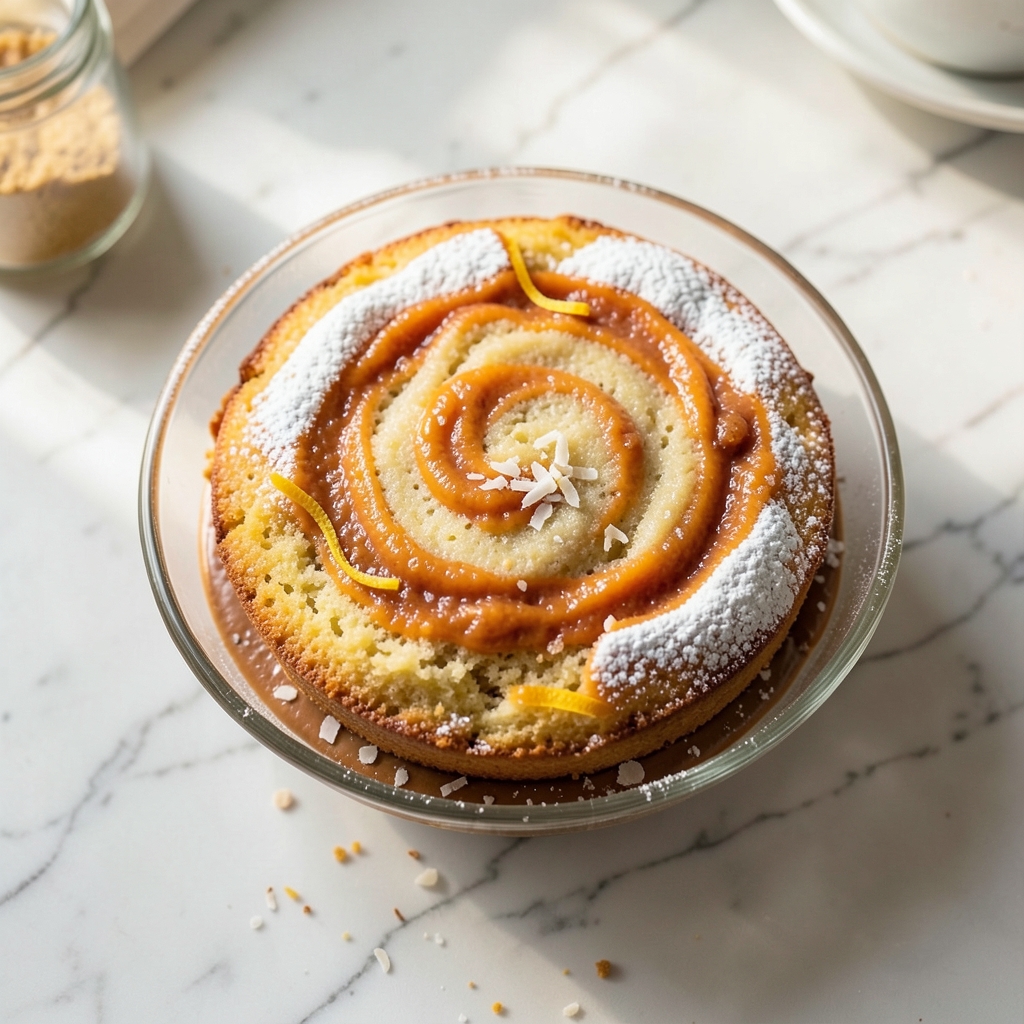
This simple moist mango cake recipe transforms ripe mango puree into a tender, fragrant dessert with juicy fruit bursts in every bite—no fancy techniques required.
I developed it after years of baking dense, dry cakes, determined to create something light yet rich, with tropical flavors that taste like summer in a slice. The secret lies in balancing ripe mango, proper leavening, and just enough fat to keep it moist without being greasy.
What makes this recipe work is the combination of ripe mango puree (not unripe mango—trust me, it matters) and a simple cake batter that relies on baking powder and butter for structure and moisture.
I’ve tested it in my small Boston apartment kitchen, where humidity plays tricks on baking, and it delivers consistently: a tender crumb with pockets of sweet, juicy mango that keep the cake from feeling heavy.
The recipe uses just 10 ingredients, and the prep takes less than 20 minutes—perfect for a weeknight dessert or a special occasion.
By the time it emerges from the oven, you’ll have a cake with a golden top and a velvety texture that holds together beautifully. The mango flavor shines without overpowering the cake’s natural sweetness, and the optional toasted coconut garnish adds a crunchy contrast that elevates every slice.
This is the kind of dessert that tastes like a vacation, even when you’re baking in your own kitchen.
Serve it warm with a scoop of vanilla ice cream or dusted with powdered sugar for a restaurant-worthy finish. The recipe scales easily, so you can make it for a crowd or save half for later—though I can’t promise it’ll last that long. Let’s get baking!
Ingredients for simple moist mango cake
Ten simple ingredients for a tropical cake that tastes like summer in every bite.
| Ingredient | Amount | Notes |
|---|---|---|
| Ripe Mango Puree 🥭 | 1 cup | From 2-3 ripe mangoes, no sugar added |
| All-Purpose Flour 🌾 | 2 cups | Sifted, spooned lightly |
| Granulated Sugar 🍚 | 1 ½ cups | White or light brown |
| Unsalted Butter 🧈 | ¾ cup | Room temperature, full-fat |
| Large Eggs 🥚 | 2 whole | Room temperature, separated |
| Baking Powder 🍞 | 2 tsp | Freshly opened package |
| Vanilla Extract 🌿 | 1 tsp | Pure, not imitation |
| Salt 🧂 | ½ tsp | Fine sea salt |
| Toasted Unsweetened Coconut Flakes 🥥 | ¼ cup | For garnish, optional |
| Powdered Sugar 🍚 | ¼ cup | For dusting, optional |
The mango puree is non-negotiable—ripe mangoes only. Hit them with a spoon to check for softness (they should yield slightly). Whole Foods or Trader Joe’s usually carry perfectly ripe ones, but if you’re buying green, let them ripen on the counter for 2-3 days. Blend with a splash of water if it’s too thick. For the flour, King Arthur or Gold Medal brands bake reliably even in humid kitchens. The butter should be soft enough to press with a finger but not greasy—microwave for 20 seconds if needed. Eggs at room temperature mix smoother, so pull them out 30 minutes before baking.
No ripe mangoes? Mango nectar from a can works in a pinch (reduce the sugar to 1 cup), but fresh is worth hunting for. Short on baking powder? Baking soda plus cream of tartar at half the amount does the trick. The coconut flakes can be swapped for toasted pecans or chopped macadamia nuts if you prefer. For a lighter texture, fold in 0.25 cup whipped egg whites at the end. The cake keeps well for 3 days covered at room temp, but it’s best eaten fresh—trust me, the mango flavor fades if it sits too long.
This cake stays moist for 3 days wrapped in the fridge, but it’s best served the first day. Freeze portions for up to 2 months—thaw at room temp before serving. The coconut flakes toast best in a dry pan over medium heat for 2-3 minutes, stirring constantly. For extra shine, brush the warm cake with a simple syrup (equal parts sugar and water, heated until dissolved) before dusting with powdered sugar. I always make a double batch—half gets eaten in one sitting, the rest disappears by the third day.
Why You’ll Love This Recipe
- No Puree Hassle: I just blend two ripe mangoes in my food processor—no seeds, no peeling fuss—and boom, you’ve got your magic ingredient. The butter and eggs do the rest of the work while you’re scrolling through your phone waiting for the oven.
- Tropical in Two Bites: That first forkful? Pure mango sunshine—bright, buttery, and just sweet enough to make you close your eyes. Honestly, the puree makes it taste like summer in a slice, and the crumb is so tender it melts like a sigh.
- Weekend Leftovers Win: This cake stays moist for days (yes, even after I’ve “accidentally” left it on the counter). I slice it for breakfast with yogurt, pack it in lunches, or freeze portions for lazy mornings—no sad, dry crumbs in sight.
- Pantry Stash Friendly: You’re probably already using these ingredients—flour, sugar, butter, eggs—and mango puree is cheaper than you think when you buy seasonal fruit. Between us, this is my go-to when I need dessert but my wallet’s playing it safe.
Step-by-step instructions for simple moist mango cake
Here’s how to create a perfectly balanced cake with tropical flavor and tender crumb.
Prepare the Mango Puree and Dry Ingredients
First, let the 1 cup ripe mango puree sit at room temperature while you prepare everything else. This ensures it blends smoothly without lumps. In a medium bowl, whisk together the 2 cups all-purpose flour, 2 teaspoons baking powder, 0.5 teaspoon salt, and 1.5 cups granulated sugar. Sift the dry ingredients lightly to aerate them – this prevents a dense cake texture. I like to press the flour through a fine-mesh sieve to remove any lumps that could create dry spots.
In a separate bowl, combine the 1 teaspoon vanilla extract with the 1 cup ripe mango puree. This creates a flavor base that will infuse throughout the cake. The mango’s natural sweetness balances the sugar perfectly, so don’t be tempted to add extra. Set this mixture aside until ready to combine with the wet ingredients.
Cream Butter and Eggs for Light Texture
Using a stand mixer fitted with the paddle attachment, beat the 0.75 cup unsalted butter on medium speed until smooth and creamy, about 2-3 minutes. The butter should be completely incorporated and pale in color. Add the 2 whole large eggs, one at a time, mixing well after each addition. This creaming process incorporates air, which creates that light, airy texture we want in a moist cake.
After the eggs are fully incorporated, gradually add the mango-vanilla mixture in a slow stream while mixing on low speed. Scrape down the sides of the bowl occasionally to ensure everything combines evenly. The mixture should be smooth and homogenous – you shouldn’t see any streaks of flour or mango puree remaining. This step is crucial for that tender crumb that makes this cake so special.
Combine Wet and Dry Ingredients Gently
With the mixer on low speed, gradually add the dry ingredients to the wet mixture. Mix just until combined – about 30-45 seconds. You want to maintain as much air as possible in the batter, so don’t overmix. The batter should be thick but pourable, similar to cookie dough. If it looks too thick, you can add 1-2 tablespoons of water to help it flow more easily into your prepared pan.
Here’s a pro tip: After mixing, let the batter rest for 10-15 minutes at room temperature. This allows the flour to fully hydrate and the gluten to relax slightly, resulting in a more tender crumb. Don’t skip this step – it makes a noticeable difference in the final texture of your cake.
Bake for Perfect Moisture and Texture
Preheat your oven to 350°F and grease an 8-inch round cake pan or line it with parchment paper. Pour the batter into the prepared pan and smooth the top with a spatula. Bake for 30-35 minutes, or until a toothpick inserted into the center comes out clean. The cake should be golden brown on top and spring back slightly when touched.
I like to check for doneness at the 28-minute mark – sometimes ovens run hot. The edges should be pulling away from the pan slightly, and the top should be set but still slightly moist. Overbaking is the enemy of a moist cake, so remove it from the oven as soon as it’s done. Let it cool in the pan for 10 minutes before transferring to a wire rack to cool completely.
Add Final Touches for Presentation
Once completely cooled, dust the top of the cake with 0.25 cup powdered sugar for a light, sweet finish. For extra tropical flair, sprinkle the 0.25 cup toasted unsweetened coconut flakes evenly over the top. These optional garnishes not only look beautiful but add subtle texture contrast to each bite. The coconut flakes should be toasted until golden and fragrant – this enhances their natural coconut flavor.
To serve, cut into wedges and enjoy immediately. The cake will be moist and tender with bursts of juicy mango flavor throughout. If storing, keep it covered at room temperature for up to 3 days or refrigerate for up to 5 days. The moisture in this cake is what makes it special – it stays soft and delicious even after a day or two.
Pro Tips For Making Simple Moist Mango Cake
- Strain That Puree: I learned this the hard way—skip the straining, and you’ll end up with a cake that’s more like a mango-flavored flour paste. Use a fine-mesh sieve or cheesecloth to remove every last bit of fiber. Trust me, your cake will thank you with a smoother texture and better rise.
- Cream Butter Slowly: Dump cold butter into warm sugar, and you’ll end up with butter lumps that fight back. Beat the butter and sugar together until it’s actually light and fluffy—about 3-5 minutes with a stand mixer. This isn’t just for air; it’s the foundation for that tender crumb.
- Don’t Overmix Wet Ingredients: I used to treat cake batter like pancake batter, and my mango cakes turned out dense and tough. Mix the wet ingredients (puree, eggs, butter) just until combined—no need to overwork it. The moment you see flour streaks disappear, stop. Your cake will stay moist and light.
- Test for Doneness Early: Mango cake can trick you—it might look underdone when it’s actually ready. Start checking with a toothpick at 25-30 minutes (depending on your oven). If it comes out with a few moist crumbs but no wet batter, it’s done. Pull it then, or you’ll dry out the fruit flavor.
Flavor customization for this recipe
Tropical Twist
Add 1 teaspoon grated lime zest to the batter for a bright citrus kick that cuts through the sweetness. I find this works especially well when using green mangoes (let them ripen first) to balance the tartness.
For extra zing, brush the warm cake with 2 tablespoons lime juice before dusting with powdered sugar. 🌶️
Spiced Variations
Infuse the batter with ½ teaspoon ground cardamom or ¼ teaspoon cinnamon for warmth that complements the mango beautifully. I love this in my winter versions—it feels cozy yet still tropical. For a Thai-inspired touch, add 1 teaspoon lemongrass paste (available at Asian markets) to the mango puree before mixing.
Chocolate Mango Fusion
Fold in ½ cup melted dark chocolate (60% cocoa) with the mango puree for a rich, decadent twist. This creates pockets of chocolatey goodness that contrast the fruit’s sweetness.
For extra indulgence, top with chocolate ganache after cooling. I tested this version with Trader Joe’s 70% dark chocolate bars—they melt perfectly without overpowering the mango.
Nutty Crunch Layer
Press ¼ cup chopped toasted macadamia nuts into the bottom of the pan before adding the batter for a buttery crunch. For a sweeter option, use pecans and sprinkle with 1 tablespoon brown sugar before baking.
This adds texture and a nutty depth that pairs wonderfully with the mango’s juiciness. 🥜
Citrus Glaze Option
Drizzle the cooled cake with a simple citrus glaze made from ½ cup powdered sugar, 2 tablespoons orange juice, and 1 teaspoon lemon zest. This adds shine and a burst of citrus that enhances the mango flavor.
For a boozy twist, replace the orange juice with 1 tablespoon orange liqueur (like Cointreau) and reduce the powdered sugar slightly.
Coconut Layers
For a layered effect, spread ¼ cup coconut cream (chilled overnight) between two thin cake layers. Top with toasted coconut flakes and repeat. This adds a creamy, tropical element that feels luxurious. I’ve also used store-bought coconut whipped cream (like So Delicious brand) for convenience—it’s just as delicious.
Nutrition facts
Frequently asked questions
Can I substitute mango nectar for fresh mango puree?
Yes, but adjust the sugar slightly. Use 1 cup mango nectar (unsweetened) and reduce the granulated sugar to 1 cup instead of 1.5 cups. The nectar is already sweetened, so cutting back prevents an overly sugary cake. Fresh mango still gives the best flavor, but canned nectar works in a pinch when fresh fruit isn’t available.
Why did my cake turn out dense instead of moist?
Overmixing the batter or skipping the 10-15 minute rest before baking are common culprits. Also check your butter—it needs to be room temperature but not melted. If your kitchen is humid (like Boston!), sift the flour extra well to prevent dense pockets. Another fix: fold in 2 whipped egg whites at the end for extra lift.
How do I make this cake gluten-free?
Replace the all-purpose flour with a 1:1 gluten-free baking flour blend (like Bob’s Red Mill) plus 1 teaspoon xanthan gum. You may need to add 1-2 tablespoons extra liquid since GF flours absorb differently. Test with King Arthur Measure for Measure—it’s formulated specifically for baking. The texture will be slightly different but still moist.
Can I bake this in a different pan size?
For an 8-inch square pan, bake at 350°F for 25-30 minutes. For a 9-inch round pan, increase baking time to 35-40 minutes. Always check with a toothpick—underbaking is better than overbaking for moisture. If using a different material (like glass), reduce temperature by 25°F and add 5-10 minutes to baking time.
What’s the best way to store leftovers?
Wrap tightly in plastic wrap or store in an airtight container at room temperature for up to 3 days. For longer storage, refrigerate for up to 5 days or freeze for 2 months. To revive, let sit at room temperature for 30 minutes before serving. The cake’s moisture means it won’t dry out quickly, but reheating for 10 seconds in the microwave restores freshness.

- World’s Best Salsa Recipe: Smoky Fire-Roasted Char and Tangy Lime Zing - October 18, 2026
- Benihana Copycat Soup Recipe: Wok-Toasted Crunch With Creamy Miso Magic - October 18, 2026
- Bisquick Fruit Pizza Recipe: No-Bake Crust With Tangy Cream Cheese Swirl - October 18, 2026