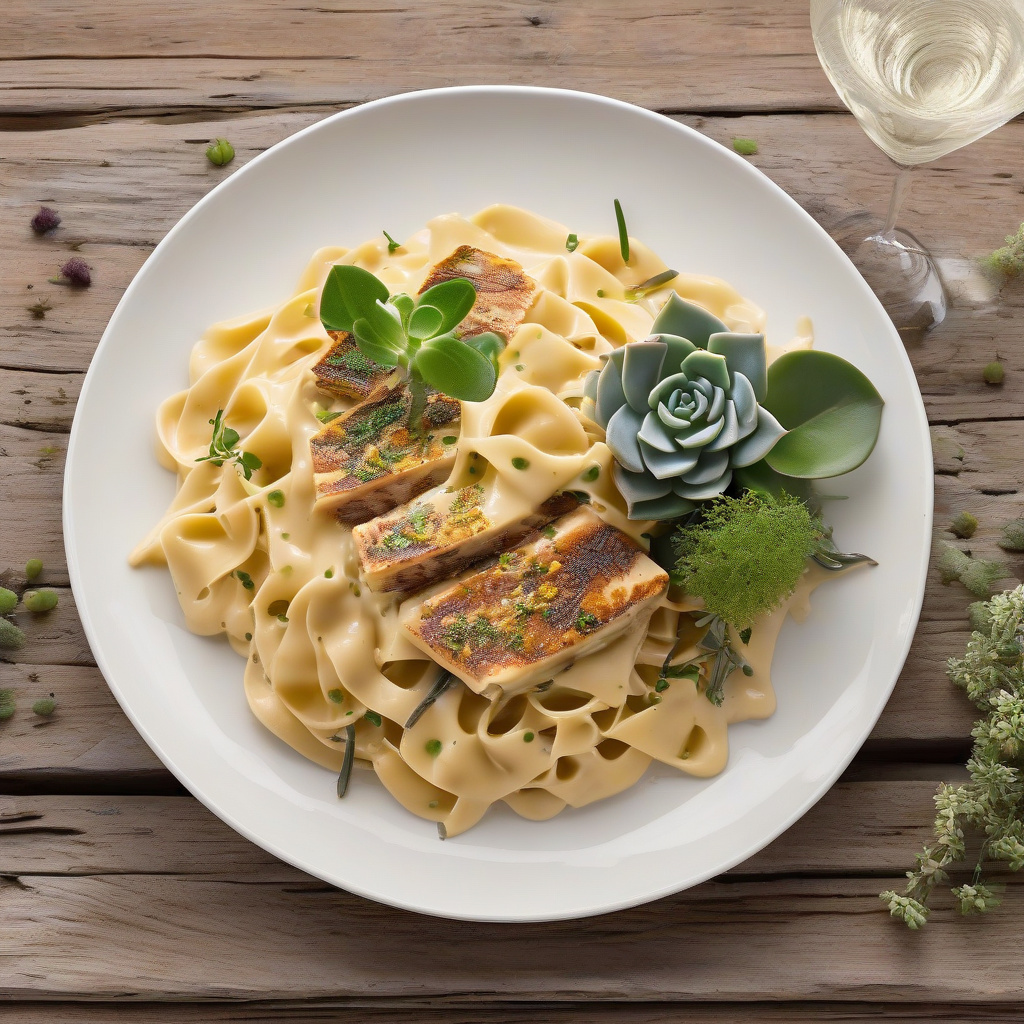
I’ve perfected my white wine sauce recipe over years of experimenting with different techniques. This creamy sauce is a game-changer for pasta lovers, elevating simple dishes into restaurant-quality meals. The key is reducing the white wine until it’s almost syrupy.
By combining this reduction with heavy cream and parmesan, you’ll create a rich, velvety sauce that clings to every noodle. It’s perfect for fettuccine, linguine, or pappardelle. Make a batch and store it in the fridge for up to 3 days – it reheats beautifully.
Ingredients for White Wine Sauce
These essential ingredients create a rich, creamy white wine sauce for pasta perfection.
| Ingredient | Amount | Notes |
|---|---|---|
| Dry White Wine 🍷 | 1 cup | Chardonnay or Pinot Grigio |
| Unsalted Butter 🧈 | 4 tbsp | Cold, cut into pieces |
| Shallots 🧅 | 2 whole | Finely minced |
| Garlic Cloves 🧄 | 2 cloves | Minced |
| Heavy Cream 🥛 | 1 cup | Full-fat for best results |
| Grated Parmesan Cheese 🧀 | ¾ cup | Freshly grated, high quality |
| Salt 🧂 | ¼ tsp | Kosher or sea salt |
| Black Pepper 🌶️ | ¼ tsp | Freshly ground |
| Fresh Parsley 🌿 | 2 tbsp | Chopped, for garnish |
The white wine is the foundation—dry varieties like Chardonnay or Pinot Grigio work best. Look for wines you’d actually drink. Shallots bring a subtle sweetness that’s worth the extra mincing time. For the parmesan, freshly grate a high-quality block for the best flavor. I always keep a wedge in the fridge for last-minute grating.
No dry white wine? Substitute with dry vermouth in a pinch. For a lighter sauce, you can reduce the cream to 3/4 cup or even less. Some people swear by adding a splash of lemon juice at the end for brightness. The garlic can be adjusted to taste—start with one clove if you’re unsure. Trader Joe’s has great pre-grated parmesan when you’re in a hurry.
This sauce keeps beautifully in the fridge for up to 3-4 days. Reheat gently over low heat, whisking constantly to prevent separation. You can also freeze it for 2-3 months—just thaw overnight in the fridge and re-whisk before using. If it thickens too much, a splash of cream or milk brings it back to the right consistency.
Step-by-Step Instructions for White Wine Sauce
Creating this rich and creamy white wine sauce is straightforward with these detailed steps.
Step 1: Sauté Shallots and Garlic
Start by melting 2 tablespoons of the 4 tablespoons Unsalted Butter in a medium saucepan over medium heat. Once melted, add the 2 whole Shallots and 2 cloves Garlic Cloves. Cook, stirring occasionally, until they’re softened and fragrant, about 3-4 minutes. Be careful not to let them brown, as this will change the flavor profile of your sauce.
The shallots and garlic should be tender and translucent. This step is crucial as it forms the aromatic base of your sauce. If you notice any browning, reduce the heat to medium-low immediately.
Step 2: Reduce the White Wine
Pour in the 1 cup Dry White Wine and bring the mixture to a simmer. Let it cook until the wine has reduced by half, which should take about 5-7 minutes. You’ll know it’s ready when the liquid has visibly decreased and the aroma of alcohol has dissipated. This step concentrates the flavors and removes excess liquid, resulting in a richer sauce.
Stir occasionally to prevent the shallots from sticking to the pan. If you notice the wine reducing too quickly, adjust the heat to maintain a gentle simmer.
Step 3: Add Cream and Parmesan
Lower the heat to medium-low and pour in the 1 cup Heavy Cream. Stir gently to combine, allowing the cream to warm through. Then, add the 0.75 cup Grated Parmesan Cheese gradually, stirring constantly until the cheese is fully melted and the sauce is smooth. This should take about 2-3 minutes. The sauce will thicken as it cooks, so be patient and keep stirring.
Once the cheese is fully incorporated, remove the saucepan from the heat. Stir in the remaining 2 tablespoons Unsalted Butter until melted. This technique, known as “mounting the sauce,” adds a silky texture and enriches the flavor.
Step 4: Season and Finish
Add the 0.25 tsp Salt and 0.25 tsp Black Pepper to the sauce, stirring well to combine. Taste and adjust the seasoning as needed. If the sauce is too thick, you can thin it with a little more Heavy Cream. If it’s too thin, simmer it gently for a few more minutes to reduce it to your desired consistency.
Finally, stir in the 2 tablespoons Fresh Parsley. This adds a fresh, herbaceous note that brightens the rich sauce. Your white wine sauce is now ready to serve over your favorite pasta.
Best Sauces and Condiments for This Dish
Essential Condiment Pairings
This white wine sauce is incredibly versatile and pairs beautifully with various condiments. For a classic combination, serve with freshly grated parmesan cheese and a sprinkle of chopped parsley for added freshness. The sauce also complements roasted vegetables like asparagus or brussels sprouts when tossed with olive oil and salt.
Wine and Beverage Matches
When it comes to beverage pairings, the same dry white wine used in the sauce recipe works beautifully. Pinot Grigio or Sauvignon Blanc cleanse the palate between bites. For beer lovers, a crisp Belgian-style witbier provides interesting contrast. If you prefer non-alcoholic options, a sparkling water with lemon or a dry sparkling cider works nicely.
Perfect Pasta Pairings
This sauce is particularly well-suited for long, flat pasta shapes. Fettuccine remains the classic choice, but linguine or pappardelle work equally well. For a more substantial meal, try mixing cooked chicken or shrimp into the sauce before tossing with pasta. The creaminess coats the protein beautifully, creating a satisfying dish.
Storage and Reheating Tips
This sauce stores beautifully in the refrigerator for up to 3-4 days. When reheating, do so gently over low heat, whisking constantly to prevent separation. If it thickens too much, a splash of heavy cream or milk brings it back to the right consistency. You can also freeze it for 2-3 months – just thaw overnight in the fridge and re-whisk before using.
Customization Options
To add depth, consider incorporating other ingredients. Some cooks like to add a teaspoon of Dijon mustard for complexity, while others prefer a pinch of cayenne pepper for a subtle kick. For a different flavor profile, try substituting shallots with scallions or adding a clove of roasted garlic during the reduction process.
Serving Suggestions
When serving, consider adding some finishing touches. A sprinkle of fresh thyme or a few truffle shavings can elevate the dish to restaurant quality. For a pop of color, add some blanched asparagus tips or roasted cherry tomatoes on top. The sauce also works beautifully as a dip for garlic bread or breadsticks.
Nutrition Facts
Frequently Asked Questions
Can I make white wine sauce without actual wine?
Yes, you can substitute white wine with dry vermouth or a combination of grape juice and lemon juice. However, keep in mind that the flavor profile will be slightly different. For the best results, use a dry white wine like Chardonnay or Pinot Grigio. The acidity helps balance the richness of the cream and parmesan.
How do I prevent the sauce from separating?
To prevent separation, whisk constantly when adding the cream and parmesan. Remove the sauce from the heat when stirring in the butter, as this helps maintain emulsion. If the sauce does separate, whisking in a little more heavy cream can often rescue it. For an extra-stable sauce, use a mixture of heavy cream and whole milk.
Can I freeze white wine sauce?
Yes, you can freeze white wine sauce for up to 2-3 months. Allow it to cool completely before transferring to an airtight container. When reheating, do so gently over low heat, whisking constantly. You may need to add a splash of heavy cream or milk to achieve the desired consistency. Frozen sauce is perfect for meal prep or saving leftovers.
What pasta shapes work best with white wine sauce?
This sauce is particularly well-suited for long, flat pasta shapes like fettuccine, linguine, or pappardelle. The creamy texture clings beautifully to these shapes, ensuring each bite is well-coated. For a more substantial meal, try mixing cooked chicken or shrimp into the sauce before tossing with pasta.

- Asian Restaurant Salad Dressing Recipe: Bold Sesame-Ginger Swirl With Umami Depth - October 18, 2026
- Asian Restaurant Salad Dressing Recipe: Bold Sesame-Ginger Swirl With Umami Depth - October 18, 2026
- Beef Boneless Chuck Country Style Ribs Crock Pot Recipe: Slow-Simmered Smoky Tenderness - October 18, 2026