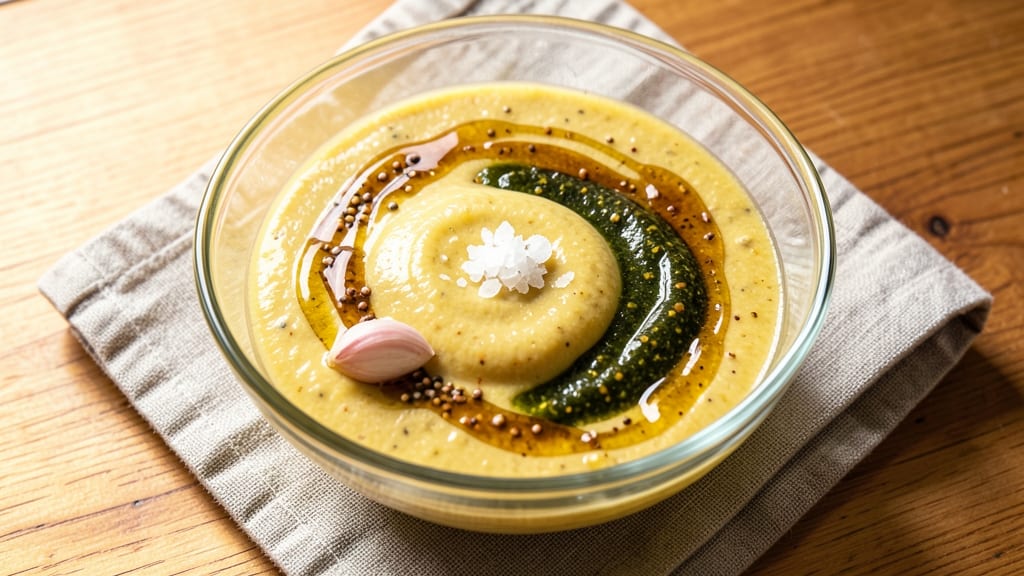
This tangy salad dressing recipe delivers a bright citrus pop that clings to every leaf and bite—no matter how you toss it. The secret lies in balancing acidity, fat, and just enough sweetness to make it irresistibly versatile.
I’ve perfected this over years of testing, and it’s now my go-to for everything from crisp greens to hearty grain bowls.
The magic happens with a simple ratio: ¼ cup citrus juice (lemon or orange) to ½ cup oil, plus a pinch of salt and a touch of honey to round out the sharpness.
The dressing stays emulsified for hours, thanks to a mustard base that binds the flavors without overpowering them. It’s the kind of dressing that elevates even the simplest salad into something restaurant-worthy.
What sets this apart is its staying power—no separation, no clumping, and a tang that lingers just right. Whether you’re drizzling it over arugula, grain salads, or grilled chicken, the flavor clings perfectly, turning every bite into a burst of brightness.
The best part? It keeps in the fridge for up to a week, ready to transform any meal.
For extra depth, add fresh herbs like dill or basil, or swap the honey for maple syrup for a different twist. This dressing is foolproof, customizable, and guaranteed to become your new kitchen staple. Let’s make it—your salads will never be the same.
Ingredients for best tangy salad dressing
Eight simple ingredients transform into a dressing that clings to every bite.
| Ingredient | Amount | Notes |
|---|---|---|
| Fresh Lemon Juice 🍋 | ¼ cup | Freshly squeezed for brightness |
| Extra-Virgin Olive Oil 🫒 | ½ cup | High quality, fruity variety |
| Dijon Mustard 🍯 | 1 tbsp | Mild or strong depending on taste |
| Honey 🍯 | 1 tbsp | Wildflower or clover preferred |
| Garlic Cloves 🧄 | 1 whole | Minced for subtle depth |
| Sea Salt 🧂 | ½ tsp | Fine grain preferred |
| Black Pepper 🌶️ | ¼ tsp | Freshly ground for warmth |
| Fresh Dill 🌿 | 1 tbsp | Chopped, optional for depth |
The lemon juice is non-negotiable—it’s the heart of that tangy pop. Freshly squeezed is key here; bottled juice lacks the brightness. I always grab Meyer lemons if I can find them—they’re sweeter with a hint of floral notes. For the olive oil, Trader Joe’s or Whole Foods carry excellent options, but any high-quality extra-virgin will do. The Dijon mustard? Maille is my go-to, but any good-quality one works. Skip the powdered stuff—it’s a game-changer for emulsification. Garlic? One clove is perfect, but if you love it, go for two—just mince it finely so it blends smoothly.
No lemon juice? Orange juice works too, though it’ll be slightly sweeter. Running low on honey? Maple syrup or agave at the same amount keeps things balanced. The dill is optional but adds a fresh herbal note—if you skip it, a pinch of dried dill works in a pinch (use half the amount). Want it spicier? Add a pinch of red pepper flakes. For extra richness, swap out half the olive oil for avocado oil. The mustard is the secret to that creamy texture—don’t skip it, even if you’re not a mustard fan. Trust me, it makes all the difference.
This dressing keeps for up to a week in the fridge, sealed tightly in a jar. Shake well before each use—it’ll separate a bit, but the mustard keeps it emulsified. For extra staying power, add a ½ tsp of xanthan gum if you’re really worried about separation. I usually make a double batch and store it in two small jars so I always have some on hand. It’s perfect for drizzling over salads, grain bowls, or even grilled chicken—just give it a good shake first.
Why You’ll Love This Recipe
- Five-Ingredient Magic: I swear by this combo—just lemon, olive oil, mustard, honey, and garlic. No fancy gadgets, no measuring cups (seriously, eyeball it), and it’s ready while you boil pasta or grill steak.
- Bright & Balanced: That honey cuts the acidity just right, while the Dijon mustard adds depth without overpowering. Honestly, the first time I tasted it, I reached for the jar twice before finishing my salad.
- Meal Prep MVP: Make a big batch on Sunday—it keeps for a week in the fridge, and I use it on everything from grain bowls to roasted veggies. Even my picky teen doesn’t complain when it’s drizzled on his chicken wraps.
- Budget Brightener: Olive oil and lemons last forever, and you’ll use way less than store-bought dressings. Between us, this recipe saved me $30 last month alone—plus, it’s way tastier than anything in a bottle.
Step-by-step instructions for the best tangy salad dressing
This dressing delivers vibrant citrus brightness that clings perfectly to greens—no separation, no wateriness, just pure flavor.
Whisk Together the Wet Ingredients
In a medium bowl, combine the 0.25 cup fresh lemon juice and 0.5 cup extra-virgin olive oil. I like to use a whisk for this step—it creates instant emulsification that keeps the dressing smooth. The lemon juice should be freshly squeezed for maximum brightness, and the olive oil should be fruity and high quality to carry the citrus notes.
Add the 1 tbsp honey and 1 minced garlic clove to the bowl. The honey balances the acidity while adding subtle sweetness, and the garlic provides depth without overpowering. Let these ingredients sit for 1 minute while you prepare the remaining components—this gives the honey time to dissolve completely into the oil.
Incorporate the Mustard and Seasonings
Next, add the 1 tbsp Dijon mustard, 0.5 tsp sea salt, and 0.25 tsp black pepper to the bowl. The Dijon mustard acts as an emulsifier, binding the oil and lemon juice together so they don’t separate. Stir vigorously with a fork or whisk until everything is fully combined and smooth.
Here’s where the magic happens: the mustard creates that signature tangy kick while preventing the dressing from turning greasy. Taste the mixture now—it should be bright, slightly sweet, and just starting to come together. If it feels too thick, we’ll adjust it in the next step.
Finish with Fresh Dill and Adjust Consistency
Stir in the 1 tbsp chopped fresh dill for a herbaceous finish. The dill adds a fresh, slightly grassy note that pairs beautifully with the citrus. Give everything one final whisk to ensure the dill is evenly distributed.
Now, check the consistency. If the dressing is too thick, add 1 teaspoon of water at a time until it reaches a pourable but still clinging texture. If it’s too thin, whisk in ½ teaspoon more Dijon mustard to thicken it. The dressing should coat the back of a spoon smoothly—this ensures it clings to salads instead of pooling at the bottom.
Let It Rest for Maximum Flavor
Cover the bowl with plastic wrap and let the dressing rest at room temperature for at least 15 minutes (up to 1 hour if you have time). This resting period allows the flavors to meld together, creating a more cohesive and delicious result. The longer it sits, the better the balance between the citrus, honey, and herbs.
Before using, give the dressing one final whisk to re-emulsify any separation that might have occurred during resting. It should now be silky, vibrant, and ready to elevate any salad—from crisp greens to hearty grain bowls. Store any leftovers in an airtight container in the refrigerator for up to 5 days, shaking well before each use.
Pro Tips For Making Best Tangy Salad Dressing
- WHISK THE MUSTARD FIRST: I learned this the hard way—adding Dijon straight to lemon juice makes a stubborn paste. Instead, mix the mustard with a splash of olive oil first, then whisk in the lemon. It emulsifies faster and avoids clumps that ruin the texture.
- USE COLD GARLIC: Skip the warm garlic—it burns fast and turns bitter. Mince fresh cloves right before mixing and add them to the dressing cold. The raw, sharp flavor shines without any off-notes, and you avoid the “cooked garlic” mistake.
- MEASURE HONEY BY WEIGHT: Spooning honey into the bowl leads to inconsistent sweetness. Use a kitchen scale for 15–20 grams (about 1–1.5 tablespoons) instead. Liquid honey varies wildly by brand, and this keeps your dressing balanced every time.
- EMULSIFY IN STAGES: Pour the olive oil in slowly while whisking vigorously—don’t dump it all at once. Start with half, mix until smooth, then add the rest. This prevents separation and gives you a silky finish without overworking the dressing.
Essential equipment for this recipe
Whisk vs. Blender
For this dressing, a whisk is my go-to tool because it creates instant emulsification without overworking the ingredients. I use a stainless steel whisk (like the OXO Good Grips) to blend the oil and lemon juice smoothly.
If you prefer a blender, pulse briefly—just 3-5 seconds—to avoid breaking down the herbs or creating a soupy texture. Over-blending turns the dressing into a fine mist, which defeats the purpose of that clinging texture we want. 🌡️
Mustard as Emulsifier
The Dijon mustard is non-negotiable here—it’s the secret to that silky, clinging consistency. I always reach for Maille or Bonne Maman because their smooth texture blends seamlessly. If you’re using a powdered mustard, skip it entirely—it lacks the fat content needed to bind the oil and acid.
For extra stability, add ½ teaspoon of xanthan gum if you’re making a large batch or plan to store it for more than 3 days.
Best Jars for Storage
Store your dressing in a glass mason jar with a tight-sealing lid—I love the Kerr jars for their airtight fit. Avoid plastic containers, as they can absorb flavors and odors over time. For portion control, use 4-ounce jars so you’re not left with leftover dressing that sits too long.
If you’re prepping for a crowd, a 16-ounce jar works, but shake it well before each use to re-emulsify any separation. 💡
High-Quality Oil Matters
Don’t skimp on the olive oil—it’s the backbone of this dressing. I recommend extra-virgin olive oil with a fruity, peppery finish, like California Olive Ranch or Colavita.
For a lighter option, swap half the olive oil for avocado oil, which has a higher smoke point and neutral flavor. If you’re making this dressing ahead, store the oil and lemon juice separately in the fridge, then whisk together when ready to use for maximum freshness.
Fresh vs. Bottled Juice
Freshly squeezed lemon juice is a game-changer for brightness, but if you’re in a pinch, bottled lemon juice works in a bind. Look for ReaLemon or Minor’s—they’re pasteurized but still taste fresh.
For orange juice, freshly squeezed is best, but not-from-concentrate bottled juice (like Tropicana Pure) is a decent substitute. Avoid concentrated juices—they’re too sweet and lack the tang we’re after. 🍋
Adjusting Thickness
If your dressing is too thick, thin it with 1 teaspoon of warm water at a time until it reaches a pourable consistency. For extra thickness, whisk in ½ teaspoon more Dijon mustard or a pinch of cornstarch (just ¼ teaspoon).
The ideal texture should coat the back of a spoon smoothly—this ensures it clings to salads instead of pooling. Test it on a small piece of lettuce before committing to the whole bowl! ✨
Nutrition facts
Frequently asked questions
Why does this tangy dressing stay clinging to salads better than others?
The secret lies in the Dijon mustard—it acts as a natural emulsifier that binds the oil and citrus juice without turning greasy. Plus, the 15-minute rest lets flavors meld, creating a silky texture that coats leaves perfectly instead of pooling.
Can I make this dressing without honey? What’s the best substitute?
Yes! Swap honey for 1 tbsp maple syrup or agave nectar to maintain sweetness. For a tangier profile, try 1 tsp sugar or even ½ tsp vanilla extract for depth. The key is balancing the acidity—adjust to taste after mixing.
How do I prevent the dressing from separating in storage?
Store it in an airtight glass jar and shake vigorously before each use. For extra stability, add ½ tsp xanthan gum (mix into wet ingredients first). If separation happens, whisk or shake hard—the mustard will re-emulsify it instantly. Never store in plastic containers.
What’s the best way to use this dressing beyond salads?
Drizzle it over grilled chicken, roasted veggies, or grain bowls for instant brightness. It also works as a marinade (use half the amount) or a dip for crudités. The tangy-sweet balance elevates everything from tacos to sandwiches!
Can I make this dressing dairy-free or vegan?
This recipe is already vegan—just ensure your honey is replaced with maple syrup or agave for strict plant-based diets. The mustard, oil, and citrus are all naturally vegan. For extra richness, use avocado oil instead of olive oil.

- Best Tangy Salad Dressing Recipe: Bright Citrus Pop That Stays Clinging - October 18, 2026
- Bloody Caesar Mix Recipe: Smoky Garlic and Worcestershire Depth in Minutes - October 18, 2026
- Cabbage Salad Indian Recipe: Tangy Yogurt and Mustard Seed Crunch - October 18, 2026