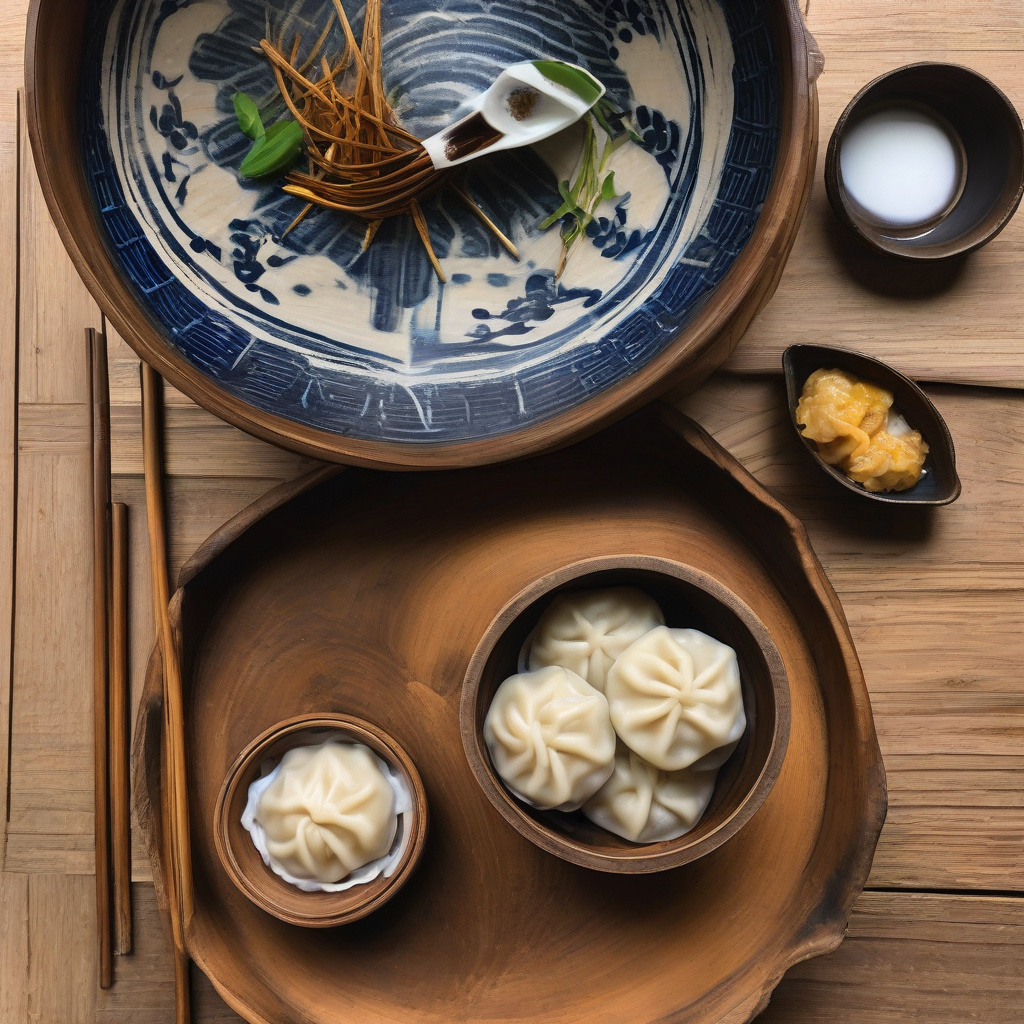
Growing up in a tight-knit Boston community, I’ve always been fascinated by the way food brings people together. Dombolo, or steamed dumplings, is a staple in Southern African cuisine that reminds me of family gatherings.
This traditional dombolo recipe delivers soft, fluffy dumplings with a delicate flavor. With simple ingredients and straightforward instructions, you’ll be enjoying these steamed treats in no time.
Ingredients for Dombolo
Simple pantry ingredients come together to make these authentic Southern African steamed dumplings.
| Ingredient | Amount | Notes |
|---|---|---|
| All-Purpose Flour 🌾 | 2 cups | Unbleached, unbromated preferred |
| Cornstarch 🌽 | ¼ cup | For tender dumplings |
| Baking Powder 🧂 | 2 tsp | Fresh, aluminum-free |
| Salt 🧂 | ½ tsp | Kosher or sea salt |
| Sugar 🍮 | 1 tbsp | Granulated white sugar |
| Water 💧 | ¾ cup | Warm, not hot |
| Vegetable Oil 🫒 | 2 tbsp | Neutral flavor, like canola |
For the fluffiest dombolo, King Arthur or Bob’s Red Mill all-purpose flour works best. The cornstarch is non-negotiable—it makes them tender. If you’re out, you can substitute with potato starch at the same amount. Make sure your baking powder is fresh; expired powder will give you dense dumplings. I like to check the expiration date whenever I’m baking.
No need for fancy equipment here. A large mixing bowl and a wooden spoon are all you need to mix the dough. If you’re feeling fancy, you can use a stand mixer with the dough hook attachment, but it’s not necessary. The key is to mix just until everything comes together—overmixing will make the dumplings tough. You can also make these by hand, no electric mixer needed.
Dombolo keep beautifully for 3-4 days in the fridge. Simply steam them again to reheat—they’ll be just as fluffy as when you first made them. You can also freeze them on a baking sheet, then transfer to a freezer bag for up to 3 months. Just thaw overnight in the fridge and steam as usual.
Step-by-Step Instructions for Dombolo
Let’s make authentic dombolo with a tender, fluffy texture and subtle sweetness.
Step 1: Combine Dry Ingredients
In a large mixing bowl, whisk together 2 cups of All-Purpose Flour, 0.25 cup of Cornstarch, 2 tsp of Baking Powder, 0.5 tsp of Salt, and 1 tbsp of Sugar until well combined. I like to use a balloon whisk for this step as it incorporates air into the mixture, resulting in lighter dumplings. Make sure to break up any lumps in the flour or cornstarch.
The dry ingredients should be evenly distributed and look uniform. This step is crucial as it ensures that the leavening agents are properly mixed, giving your dombolo their characteristic texture.
Step 2: Mix Wet Ingredients and Form Dough
In a separate bowl, combine 0.75 cup of warm Water and 2 tbsp of Vegetable Oil. Gradually pour the wet ingredients into the dry ingredients, mixing with a wooden spoon or silicone spatula until a soft, sticky dough forms. I prefer using a silicone spatula as it helps to incorporate all the dry ingredients from the bottom of the bowl.
The dough should be slightly tacky but not overly wet. If it feels too dry, add a splash more water, 1 tablespoon at a time, until you achieve the right consistency. Be careful not to overmix, as this can make the dombolo dense.
Step 3: Knead and Divide the Dough
Transfer the dough to a lightly floured surface and knead gently for 2-3 minutes until it becomes smooth and elastic. Don’t overwork the dough; just enough kneading to develop the gluten slightly. Divide the dough into 8-10 equal pieces, shaping each into a smooth ball.
As you shape each piece, place them on a plate or tray, leaving a little space between each dombolo to prevent them from sticking together. Cover with plastic wrap or a clean kitchen towel to keep them from drying out.
Step 4: Steam the Dombolo
Prepare your steamer by filling the bottom pot with 2-3 inches of boiling water. Place a steamer basket or colander over the boiling water, making sure it’s not touching the water. Arrange the dombolo in the steamer, leaving some space between them for expansion.
Cover the steamer with a tight-fitting lid and steam over medium-high heat for 25-30 minutes. You’ll know they’re done when they feel firm and springy to the touch, and a toothpick inserted into the center comes out clean. Serve warm with your favorite stews or braised meats.
Pro Cooking Tips for Perfect Results
Perfect Steaming Techniques
The key to perfect dombolo lies in the steaming process. I use a deep steamer pot with at least 2-3 inches of boiling water. Make sure the water doesn’t touch the steamer basket. Bring the water to a rolling boil before adding the dombolo. 🔥
Maintaining Consistent Heat
Keep your steamer over medium-high heat throughout the cooking process. This maintains the steam flow and cooks the dombolo evenly. If you’re using an electric steamer, follow the manufacturer’s temperature guidelines. I find that keeping the lid tightly closed helps maintain consistent heat.
Don’t Overcrowd the Steamer
Leave about 1 inch of space between each dombolo to allow for expansion. This prevents them from sticking together during cooking. If you have a large batch, steam them in multiple batches rather than overcrowding the steamer. I like to use a steamer with multiple tiers for larger batches.
Checking for Doneness
Dombolo are done when they feel firm and springy to the touch. You can also check by inserting a toothpick into the center – it should come out clean. Cooking time typically ranges from 25-30 minutes, depending on the size of your dombolo.
Serving Suggestions
Serve your dombolo warm with traditional Southern African dishes like braised meats or stews. They also pair beautifully with barbecue or as a side to hearty soups. For an authentic touch, serve in a woven basket or on a traditional plate. 🍲
Storage and Reheating Tips
Leftover dombolo can be stored in an airtight container in the refrigerator for up to 3-4 days. To reheat, simply steam them again for 5-10 minutes until warmed through. You can also freeze them on a baking sheet, then transfer to a freezer bag for up to 3 months. Thaw overnight in the fridge before reheating.
Nutrition Facts
220kcal
Frequently Asked Questions
Can I make dombolo without a steamer?
Yes, you can make dombolo without a steamer. Use a large pot with a heatproof plate or metal colander that fits above the water level. Cover with a tight-fitting lid and steam over medium-high heat for 25-30 minutes. The key is to keep the water boiling and maintain consistent steam.
How do I prevent dombolo from sticking together?
To prevent dombolo from sticking, leave about 1 inch of space between each dumpling in the steamer. You can lightly dust them with additional cornstarch if needed. This creates a barrier that prevents sticking during cooking.
Can I freeze dombolo dough?
Yes, you can freeze dombolo dough. Shape the dough into balls, place on a baking sheet, and freeze until solid. Then transfer to a freezer bag for up to 3 months. When ready to cook, steam from frozen for an additional 5-7 minutes. The frozen dough will be slightly firmer than fresh, but will steam to perfect texture.
What’s the best way to reheat leftover dombolo?
The best way to reheat dombolo is by steaming them again for 5-10 minutes until warmed through. You can also wrap them in a damp paper towel and microwave for 20-30 seconds, though steaming preserves their texture better. Make sure they’re covered during reheating to maintain moisture.

- Mix Veg Manchurian Recipe: Wok-Fried Crunch With Tangy Tamarind Glow - October 18, 2026
- Marcella Hazan’s Tomato Butter Sauce Recipe: Umami-Deep Simplicity in 15 Minutes - October 18, 2026
- Paula Deen’s Cream Cheese Icing Recipe: Velvety Swirls With Tangy Zing - October 18, 2026