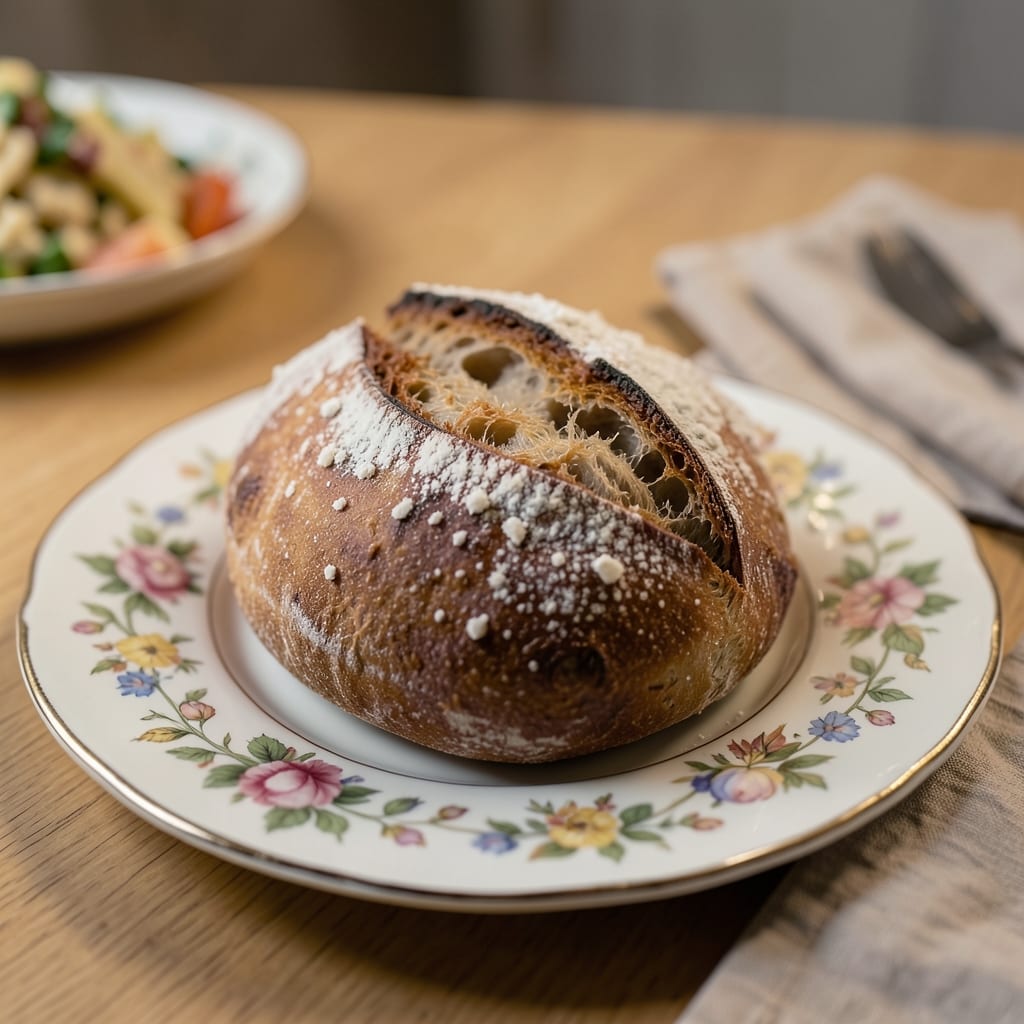
There’s nothing quite like the satisfaction of pulling a golden loaf of French bread from your oven. This recipe delivers a crisp, artisan crust with a light, airy interior that rivals any bakery.
With simple ingredients and precise technique, you’ll create a classic bread that’s perfect for sandwiches, soups, or enjoying on its own. The process is straightforward but rewarding.
Ingredients for Classic French Bread Recipe King Arthur
Simple pantry staples create an authentic bakery-style loaf with crisp crust and airy crumb.
| Ingredient | Amount | Notes |
|---|---|---|
| Bread Flour 🌾 | 4 cups | King Arthur brand preferred |
| Active Dry Yeast 🍞 | 2 ¼ tsp | Or one 0.25 oz packet |
| Warm Water 💧 | 1 ½ cups | 110-115°F for activation |
| Salt 🧂 | 2 tsp | Fine sea salt preferred |
| Granulated Sugar 🍚 | 1 tbsp | Feeds the yeast |
| Olive Oil 🫒 | 2 tbsp | For bowl greasing |
| Cornmeal 🌽 | 2 tbsp | For dusting baking sheet |
| All-Purpose Flour 🌾 | ½ cup | For surface dusting |
| Egg White 🥚 | 1 whole | For crust gloss (optional) |
| Water 💧 | 1 tbsp | For egg wash thinning |
The flour is non-negotiable for that classic French texture. King Arthur Bread Flour is the gold standard here—higher protein content than all-purpose gives structure without density. Yeast freshness is critical; check the expiration date and store unopened packets in the freezer. For the water, use filtered if your tap has a strong taste. Diamond Crystal kosher salt is ideal for even distribution.
No bread flour? All-purpose plus 1 tbsp vital wheat gluten per cup gets you close. Short on yeast? Instant yeast at 25% less quantity works in a pinch. The sugar can be swapped for honey or maple syrup—same amount. Skip the egg wash for a rustic look, or use milk or cream for extra browning. Cornmeal adds crunch but semolina works too.
Store yeast in an airtight container in the fridge for 4 months or freezer for 1 year. Bread flour keeps 6-8 months in a cool, dark place. The dough can be refrigerated overnight for slower fermentation—enhances flavor development significantly.
Why You’ll Love This Recipe
- No-Knead Magic: I love that this comes together with just flour, yeast, water, salt, and sugar—no fancy tools or techniques.
- Crust Perfection: That golden, crispy exterior with a soft, airy interior? Honestly, it’s the reason I keep making it.
- Sandwich Superstar: It’s my go-to for everything from lunchbox hero sandwiches to garlic bread at dinner.
- Budget-Friendly Loaf: A few cents’ worth of ingredients yields a bakery-worthy result, and leftovers toast up beautifully the next day.
Step-by-Step Instructions for Classic French Bread
Master the technique for achieving that signature crisp crust and open crumb structure of artisan loaves.
Step 1: Activate the Yeast and Mix the Dough
In a small bowl, combine the 2.25 tsp Active Dry Yeast, 1 tbsp Granulated Sugar, and 1.5 cups Warm Water. Let it sit for 5-10 minutes until foamy—this confirms the yeast is alive and active. The water should feel warm but not hot to the touch.
In a large mixing bowl, whisk together the 4 cups Bread Flour and 2 tsp Salt. Create a well in the center and pour in the yeast mixture. Use a wooden spoon to combine until a shaggy dough forms. The dough will be sticky—that’s normal for this hydration level.
Step 2: Knead and First Rise
Turn the dough onto a lightly floured surface dusted with 0.5 cup All-Purpose Flour. Knead for 8-10 minutes until smooth and elastic. The dough should spring back slowly when pressed with a finger. If it’s too sticky, add a little more all-purpose flour, but avoid over-flouring.
Lightly grease a large bowl with 1 tbsp Olive Oil and place the dough inside, turning to coat. Cover with a damp towel and let rise in a warm, draft-free place for 1-2 hours or until doubled in size. The dough is ready when it holds an indent when gently pressed.
Step 3: Shape and Second Rise
Punch down the dough to release air, then divide it into two equal portions. Shape each portion into a long, thin baguette or a round boule. For baguettes, roll the dough tightly, sealing the seams underneath to create surface tension. This tension is crucial for proper oven spring.
Place the shaped loaves on a baking sheet dusted with 2 tbsp Cornmeal to prevent sticking. Cover loosely with a towel and let rise for another 30-45 minutes until puffy. The loaves should spring back slowly when lightly touched.
Step 4: Score, Egg Wash, and Bake
Preheat your oven to 425°F with a baking stone or inverted baking sheet inside. Using a sharp razor or serrated knife, make diagonal slashes on the surface of each loaf. In a small bowl, whisk together the 1 whole Egg White and 1 tbsp Water, then brush this mixture over the loaves for a glossy crust.
Bake for 20-25 minutes until the crust is deep golden brown and the internal temperature reaches 200°F. For extra crispness, spray the oven walls with water just before baking to create steam. The bread should sound hollow when tapped on the bottom.
Step 5: Cool Completely Before Slicing
Transfer the baked loaves to a wire rack and let cool for at least 1 hour. This cooling period allows the crumb structure to set properly. Slicing too soon results in a gummy interior.
The finished bread should have a crisp, crackly crust with a light, airy interior. The aroma will be nutty and slightly sweet, with a subtle chewiness to the crumb. Serve warm or at room temperature for the best texture.
Pro Tips For Making Classic French Bread Recipe King Arthur
- Proof the Yeast: I learned this the hard way—always bloom your active dry yeast in warm water with a pinch of sugar for 5-10 minutes until foamy. If it doesn’t bubble, your water was too hot or the yeast is dead, and your loaf won’t rise.
- Use High-Protein Flour: King Arthur’s bread flour (12-14% protein) is non-negotiable here—lower protein all-purpose just won’t give you that chewy, airy crumb classic French bread needs.
- Don’t Rush the Rise: Resist the urge to speed up the first rise—let it go until doubled, usually 1-2 hours at room temp. I skipped this once and ended up with a dense, flat loaf.
- Steam for Crust: Spray the oven walls with water or place a pan of boiling water on the bottom rack when baking—this creates steam that makes a crispy, golden crust every time.
Health Benefits of These Flavors
Protein Power 💪
This classic French bread recipe from King Arthur isn’t just delicious—it’s a surprising source of plant-based protein. Each slice provides a modest boost, helping to support muscle repair and growth. While it won’t replace your chicken breast, it’s a tasty way to add a little extra protein to your diet without even trying.
Rich in Essential Vitamins and Minerals 🥗
Bread often gets a bad rap, but this artisan loaf packs a punch with B vitamins, including folate and thiamine, which are vital for energy metabolism and brain function. It also delivers iron and selenium, minerals that keep your blood healthy and your immune system strong. Not too shabby for a humble slice of bread!
Heart-Healthy Goodness ❤️
Made with simple, wholesome ingredients, this French bread can be a heart-smart choice. The fiber in the dough aids digestion and helps maintain healthy cholesterol levels. Plus, when enjoyed in moderation, it can fit seamlessly into a balanced diet that supports cardiovascular health.
Sustained Energy Boost
Thanks to its complex carbohydrates, this bread provides a steady release of energy, keeping you fueled for hours. Unlike sugary snacks that lead to crashes, a slice of this crusty, airy loaf will keep you going strong—whether you’re tackling a busy day or just savoring a quiet moment with butter and jam.
Nutrition Facts

- Guinness Irish Soda Bread Recipe: Dark Beer Crust With Tangy Cheese Center - October 7, 2026
- Grandma’s Old-Fashioned Green Bean Casserole Recipe: Crispy Top, Creamy Cheese Magic in One Dish - October 7, 2026
- Old Fashioned Buttermilk Pound Cake Recipe: Vanilla-Infused Layers With Buttery Crunch - October 7, 2026