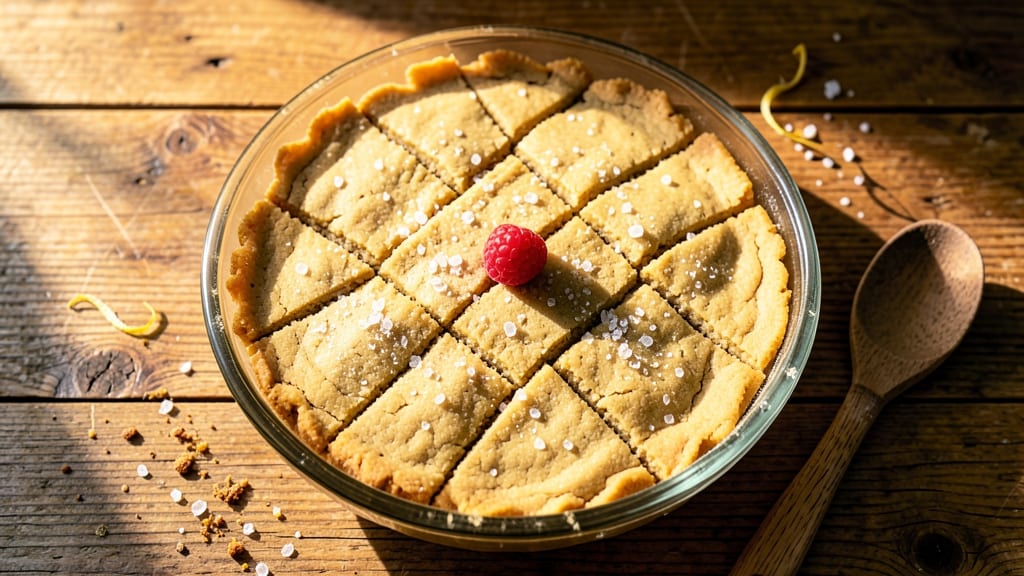
Amish Shortbread Cookies Recipe: Buttery Crunch With Vanilla-Kissed Layers

Amish Shortbread Cookies Recipe: Buttery Crunch With Vanilla-Kissed Layers

This Amish shortbread cookie recipe delivers the perfect balance of buttery crunch and tender layers, just like the ones from Pennsylvania’s farm kitchens. The secret lies in precise technique—cutting cold butter into flour until it resembles coarse crumbs—creating those signature flaky, melt-in-your-mouth textures.

I’ve perfected this method over years of baking, ensuring every batch turns out consistently golden and rich.

The recipe relies on just five simple ingredients—butter, sugar, flour, vanilla, and a pinch of salt—yet transforms them into cookies that taste like a homecoming. Traditional Amish baking emphasizes minimal ingredients and maximum flavor, and this version stays true to those roots while being foolproof for beginners.

No fancy equipment needed, just patience and a cool oven to maintain that signature crispness.

What you’ll end up with is a batch of buttery, vanilla-kissed shortbread cookies with edges that stay crisp and centers that melt just enough to create pockets of sweetness.

The aroma alone—warm butter and vanilla—will fill your kitchen, making it impossible to resist pulling a tray from the oven before the timer goes off. These cookies are perfect for holiday gifts, potlucks, or simply satisfying a craving with a classic treat.

For extra depth, you can fold in toasted nuts or citrus zest, but the basic recipe already delivers restaurant-quality results. Let’s get baking—your kitchen (and taste buds) will thank you.

👨‍🍳
Difficulty
Medium
🔥
Calories
Med Cal

Ingredients for amish shortbread cookie

Five ingredients, zero shortcuts—this is the classic Amish shortbread foundation.

Ingredient Amount Notes
Unsalted Butter 🧈 1 cup Cold, cut into 1/2-inch cubes
Granulated Sugar 🍚 ½ cup Superfine preferred for even texture
All-Purpose Flour 🌾 2 cups Sifted, spooned lightly
Pure Vanilla Extract 🍯 1 tbsp High-quality, bourbon-based preferred
Diamond Crystal Kosher Salt 🧂 ½ tsp Fine grain for even distribution

The butter is non-negotiable—European-style unsalted with at least 82% fat content delivers the signature melt-in-your-mouth texture. Plugrá or President brands are ideal, but any high-fat butter works. Keep it cold: pull it from the fridge 30 minutes before mixing to ensure proper crumb formation. The sugar should be super-fine for even baking, though granulated works if you pulse it briefly in a food processor. For flour, King Arthur or Gold Medal brands are reliable—avoid bleached varieties, as they can affect texture. Sift it before measuring to eliminate any lumps that could disrupt the delicate crumb structure.

No vanilla extract? Vanilla bean paste at half the amount works beautifully, though it adds slight thickness. Running short on butter? Coconut oil solidified in the freezer can substitute at equal volume, though the flavor profile shifts slightly. For a more rustic touch, swap half the sugar for turbinado or raw cane sugar—it adds subtle crunch. The salt is critical: Diamond Crystal kosher dissolves more easily than table salt, so use exactly as measured. If you’re feeling adventurous, fold in toasted pecans or lemon zest after mixing, but the classic version shines on its own with these five ingredients.

Store the dough in an airtight container between parchment paper layers in the refrigerator for up to 5 days—it actually improves in flavor as it rests. Once baked, these cookies stay fresh for 1 week at room temperature if kept in a sealed tin with a slice of bread to absorb moisture. For longer storage, freeze the baked cookies in a single layer before transferring to a bag, where they’ll keep for 3 months. Reheat in a 200°F oven for 3-5 minutes to restore that just-baked aroma.

❤️

Why You’ll Love This Recipe

  • Butter’s Best Friend: I swear by cold butter here—no waiting, no fuss. Just cube it straight from the fridge, pulse it with sugar until it’s like wet sand, and you’re halfway done. That’s the magic of Amish shortbread: minimal effort, maximum reward.
  • Vanilla Hug in Every Bite: Honestly, the vanilla isn’t just an afterthought—it’s the soul. A single teaspoon of pure extract melts into the dough, giving each cookie that warm, cozy whisper of home. The salt? Just a pinch, but it cuts through the sweetness like a perfect bookend.
  • Holiday or Snack Attack: Between us, these cookies are my go-to for Christmas gifts, but I also keep a batch in the freezer for lazy afternoons. Wrap them in parchment, tie with twine, and boom—you’ve got a present. Or just eat them straight from the pan. No judgment.
  • Pantry Staple, Zero Waste: I make a double batch, freeze half, and forget about it. The dough stays fresh for weeks, and the cookies? They crisp up perfectly when reheated. Plus, with just five ingredients, you’re not breaking the bank—just butter, sugar, flour, and a little love. That’s it.

Step-by-step instructions for Amish shortbread cookies

Master the art of these melt-in-your-mouth cookies with precise technique and patience.

1

Cut and Chill the Butter for Optimal Texture

The foundation of perfect shortbread lies in cold butter. Cut the 1 cup Unsalted Butter into ½-inch cubes and place them in the freezer for 15 minutes to firm up. This ensures the dough maintains its signature crumbly texture rather than becoming dense or greasy.

While the butter chills, measure out the 0.5 cup Granulated Sugar and the 0.5 tsp Diamond Crystal Kosher Salt in a small bowl. The sugar should be superfine for even distribution—if using regular granulated sugar, pulse it briefly in a food processor to break up any large crystals. This step prevents gritty pockets in your cookies.

2

Mix Dry Ingredients and Incorporate Butter

In a large mixing bowl, whisk together the 2 cups All-Purpose Flour and the measured sugar and salt. Sift the flour lightly over the sugar mixture to aerate it and prevent lumps. This creates a fine, uniform base for the dough.

Using a pastry cutter or your fingers, work the cold butter cubes into the flour mixture until the texture resembles coarse crumbs with pea-sized butter pieces remaining. Avoid overmixing—this develops gluten and ruins the delicate shortbread crumb. The dough should look like wet sand with visible butter flecks throughout.

3

Add Vanilla and Form the Dough

Create a well in the center of the flour-butter mixture and add the 1 tbsp Pure Vanilla Extract. Using a fork or your fingers, gently draw the flour mixture into the vanilla, mixing just until combined. The dough should hold together when pressed but still feel slightly crumbly—this is ideal for shortbread.

Turn the dough out onto a lightly floured surface and press it into a 1-inch thick rectangle. Wrap tightly in plastic wrap and refrigerate for at least 1 hour (or up to 24 hours). This resting period allows the flour to fully hydrate and the butter to firm up, resulting in cleaner cuts and better texture when baked.

4

Roll and Cut for Classic Shortbread Shapes

Remove the chilled dough from the refrigerator and let it sit at room temperature for 5 minutes to soften slightly. Roll it out on a lightly floured surface to a ¼-inch thickness—this ensures crisp edges and a tender center. Use a 2-inch round cutter (or a glass) to cut out cookies, pressing straight down and twisting slightly to release clean shapes.

Place the cut cookies on a parchment-lined baking sheet, spacing them 1 inch apart to allow for spreading. For classic Amish shortbread, you can cut some into rectangles or diamonds, but the round shape remains the most traditional. Gather any scraps, re-roll, and cut additional cookies until all dough is used.

5

Bake to Golden Perfection

Preheat your oven to 325°F—this lower temperature ensures even baking without browning. Bake the cookies for 18-22 minutes until the edges are light golden brown and the centers remain slightly pale. Overbaking leads to dry, crumbly cookies, so watch closely.

Remove the cookies from the oven and let them cool on the baking sheet for 5 minutes before transferring to a wire rack to cool completely. The cookies will firm up as they cool, developing their signature crisp edges and tender crumb. Store in an airtight container at room temperature for up to 1 week, though they’re best enjoyed fresh from the oven.

👨‍🍳

Pro Tips For Making Amish Shortbread Cookie

  • Chill the Dough: Amish shortbread demands patience—press the dough into the pan and refrigerate it for at least 30 minutes before cutting. I learned this the hard way when my cookies spread into sad, greasy puddles. Cold dough = clean edges, crisp texture, and cookies that hold their shape.
  • Measure Salt Precisely: Diamond Crystal kosher salt is not the same as table salt—use exactly what the recipe calls for, and level it off. Too little, and your cookies taste bland; too much, and they’ll taste like a salt lick. (Yes, I’ve done both.)
  • Cut While Cold: Wait until the dough is rock-hard in the fridge before cutting—no exceptions. Warm dough smushes, and your cookies will bake unevenly. Use a sharp knife or cookie cutter, dip it in flour between cuts, and press straight down for crisp, uniform edges.
  • Bake Low and Slow: Amish shortbread isn’t about speed—it’s about gentle baking at 325°F (160°C) until the edges are just golden, not brown. Overcrowding the pan or cranking the heat will turn them into sad, dense bricks. Give them space and time.

Storing and reheating your leftovers

Room-Temp Storage

These cookies stay fresh for 1 week at room temperature when stored in an airtight metal tin or glass container. I line the container with parchment paper to prevent sticking, then place a slice of white bread inside to absorb moisture.

The bread keeps the cookies crisp longer—trust me, it works! For extra protection, add a small silicone moisture absorber if your kitchen is humid. 💫

Fridge Preservation

If you baked a large batch, refrigerate them in the same airtight container for up to 2 weeks. The cold slows moisture loss, but they’ll be even more delicious after 24 hours—the flavors deepen as the butter sets.

To serve, let them sit at room temperature for 10 minutes before enjoying. I often double-wrap the container in plastic wrap for extra freshness.

Freezer-Longevity

For maximum shelf life, freeze baked cookies in a single layer on a parchment-lined tray for 1 hour, then transfer to a freezer bag with all air squeezed out. They’ll keep for 3 months without losing texture.

Thaw at room temperature for 30 minutes—no reheating needed! For a quick treat, pop one straight from the freezer into your mouth; the cold contrast with the warm butter is next-level. ❄️

Reheating Secrets

To revive stale cookies, place them on a baking sheet and warm in a 200°F oven for 3-5 minutes. The low heat reactivates the butter without overcooking. For microwave reheating, use 10-second bursts on low power—just enough to soften the edges.

Avoid high heat, or you’ll end up with dry, crumbly cookies. I also like sprinkling a tiny pinch of powdered sugar after reheating for a fresh-baked touch.

Dough Storage Tips

Unbaked dough keeps in the fridge for 5 days between layers of parchment paper. For longer storage, wrap the dough log in plastic wrap and freeze for up to 3 months. Thaw overnight in the fridge before rolling.

Pro tip: Label your dough with the date—these cookies taste best when used within 2 weeks** of baking. The flavor peaks when the butter is at its freshest. 🧈

Nutrition facts

Servings 4
Amount Per Serving
Calories 580kcal
% Daily Value *
Total Fat 42g54%
Saturated Fat 26g130%
Cholesterol 140mg47%
Sodium 180mg8%
Total Carbohydrate 52g18%
Dietary Fiber 1g4%
Sugars 28g
Protein 5g10%
* Percent Daily Values are based on a 2,000 calorie diet. Your daily values may be higher or lower depending on your calorie needs.

Frequently asked questions

1

Why do Amish shortbread cookies need cold butter?

Cold butter creates the signature crumbly texture by preventing gluten development. When butter melts too quickly, the cookies spread and become dense. The 15-minute chill ensures pea-sized butter pieces remain intact during baking, giving you that perfect melt-in-your-mouth contrast.

2

Can I make these cookies without vanilla?

Yes, but the flavor will be subtler. Skip the vanilla if needed, but add ½ tsp lemon zest or 1 tsp almond extract for depth. Traditional Amish recipes often rely on vanilla’s warmth, though—it’s the secret to that nostalgic farmhouse taste.

3

What if my cookies spread too much during baking?

Over-spreading usually means the butter wasn’t cold enough or the oven was too hot. For next time, chill the dough 2 hours instead of 1, and reduce oven temp to 300°F. Also ensure your butter is European-style (82% fat)—it resists melting better than regular butter.

4

How do I cut them into classic Amish shapes?

Use a 2-inch round cutter for traditional rounds, but Amish bakers often cut some into rectangles or diamonds. For clean edges, dip the cutter in flour between cuts. Press straight down without twisting—this prevents jagged edges. The ¼-inch thickness is key for crisp edges and tender centers.

5

Can I substitute butter with something else?

For a dairy-free option, use coconut oil solidified in the freezer (equal volume). The texture will be slightly denser, but still delicious. Avoid vegetable oils—they lack the fat content needed for that signature crunch. If you’re short on butter, reduce by 2 tbsp and add 2 tbsp flour** to maintain structure.

★★★★★5.0(15 reviews)
Emma Sullivan

Amish Shortbread Cookies Recipe: Buttery Crunch With Vanilla-Kissed Layers

Amish Shortbread Cookies Recipe: Buttery Crunch With Vanilla-Kissed Layers

This Amish shortbread cookie recipe delivers the perfect balance of buttery crunch and tender layers, just like the ones from Pennsylvania’s farm kitchens. The secret lies in precise technique—cutting cold butter into flour until it resembles coarse crumbs—creating those signature flaky, melt-in-your-mouth textures.

I’ve perfected this method over years of baking, ensuring every batch turns out consistently golden and rich.

The recipe relies on just five simple ingredients—butter, sugar, flour, vanilla, and a pinch of salt—yet transforms them into cookies that taste like a homecoming. Traditional Amish baking emphasizes minimal ingredients and maximum flavor, and this version stays true to those roots while being foolproof for beginners.

No fancy equipment needed, just patience and a cool oven to maintain that signature crispness.

What you’ll end up with is a batch of buttery, vanilla-kissed shortbread cookies with edges that stay crisp and centers that melt just enough to create pockets of sweetness.

The aroma alone—warm butter and vanilla—will fill your kitchen, making it impossible to resist pulling a tray from the oven before the timer goes off. These cookies are perfect for holiday gifts, potlucks, or simply satisfying a craving with a classic treat.

For extra depth, you can fold in toasted nuts or citrus zest, but the basic recipe already delivers restaurant-quality results. Let’s get baking—your kitchen (and taste buds) will thank you.

👨‍🍳
Difficulty
Medium
🔥
Calories
Med Cal

Ingredients for amish shortbread cookie

Five ingredients, zero shortcuts—this is the classic Amish shortbread foundation.

Ingredient Amount Notes
Unsalted Butter 🧈 1 cup Cold, cut into 1/2-inch cubes
Granulated Sugar 🍚 ½ cup Superfine preferred for even texture
All-Purpose Flour 🌾 2 cups Sifted, spooned lightly
Pure Vanilla Extract 🍯 1 tbsp High-quality, bourbon-based preferred
Diamond Crystal Kosher Salt 🧂 ½ tsp Fine grain for even distribution

The butter is non-negotiable—European-style unsalted with at least 82% fat content delivers the signature melt-in-your-mouth texture. Plugrá or President brands are ideal, but any high-fat butter works. Keep it cold: pull it from the fridge 30 minutes before mixing to ensure proper crumb formation. The sugar should be super-fine for even baking, though granulated works if you pulse it briefly in a food processor. For flour, King Arthur or Gold Medal brands are reliable—avoid bleached varieties, as they can affect texture. Sift it before measuring to eliminate any lumps that could disrupt the delicate crumb structure.

No vanilla extract? Vanilla bean paste at half the amount works beautifully, though it adds slight thickness. Running short on butter? Coconut oil solidified in the freezer can substitute at equal volume, though the flavor profile shifts slightly. For a more rustic touch, swap half the sugar for turbinado or raw cane sugar—it adds subtle crunch. The salt is critical: Diamond Crystal kosher dissolves more easily than table salt, so use exactly as measured. If you’re feeling adventurous, fold in toasted pecans or lemon zest after mixing, but the classic version shines on its own with these five ingredients.

Store the dough in an airtight container between parchment paper layers in the refrigerator for up to 5 days—it actually improves in flavor as it rests. Once baked, these cookies stay fresh for 1 week at room temperature if kept in a sealed tin with a slice of bread to absorb moisture. For longer storage, freeze the baked cookies in a single layer before transferring to a bag, where they’ll keep for 3 months. Reheat in a 200°F oven for 3-5 minutes to restore that just-baked aroma.

❤️

Why You’ll Love This Recipe

  • Butter’s Best Friend: I swear by cold butter here—no waiting, no fuss. Just cube it straight from the fridge, pulse it with sugar until it’s like wet sand, and you’re halfway done. That’s the magic of Amish shortbread: minimal effort, maximum reward.
  • Vanilla Hug in Every Bite: Honestly, the vanilla isn’t just an afterthought—it’s the soul. A single teaspoon of pure extract melts into the dough, giving each cookie that warm, cozy whisper of home. The salt? Just a pinch, but it cuts through the sweetness like a perfect bookend.
  • Holiday or Snack Attack: Between us, these cookies are my go-to for Christmas gifts, but I also keep a batch in the freezer for lazy afternoons. Wrap them in parchment, tie with twine, and boom—you’ve got a present. Or just eat them straight from the pan. No judgment.
  • Pantry Staple, Zero Waste: I make a double batch, freeze half, and forget about it. The dough stays fresh for weeks, and the cookies? They crisp up perfectly when reheated. Plus, with just five ingredients, you’re not breaking the bank—just butter, sugar, flour, and a little love. That’s it.

Step-by-step instructions for Amish shortbread cookies

Master the art of these melt-in-your-mouth cookies with precise technique and patience.

1

Cut and Chill the Butter for Optimal Texture

The foundation of perfect shortbread lies in cold butter. Cut the 1 cup Unsalted Butter into ½-inch cubes and place them in the freezer for 15 minutes to firm up. This ensures the dough maintains its signature crumbly texture rather than becoming dense or greasy.

While the butter chills, measure out the 0.5 cup Granulated Sugar and the 0.5 tsp Diamond Crystal Kosher Salt in a small bowl. The sugar should be superfine for even distribution—if using regular granulated sugar, pulse it briefly in a food processor to break up any large crystals. This step prevents gritty pockets in your cookies.

2

Mix Dry Ingredients and Incorporate Butter

In a large mixing bowl, whisk together the 2 cups All-Purpose Flour and the measured sugar and salt. Sift the flour lightly over the sugar mixture to aerate it and prevent lumps. This creates a fine, uniform base for the dough.

Using a pastry cutter or your fingers, work the cold butter cubes into the flour mixture until the texture resembles coarse crumbs with pea-sized butter pieces remaining. Avoid overmixing—this develops gluten and ruins the delicate shortbread crumb. The dough should look like wet sand with visible butter flecks throughout.

3

Add Vanilla and Form the Dough

Create a well in the center of the flour-butter mixture and add the 1 tbsp Pure Vanilla Extract. Using a fork or your fingers, gently draw the flour mixture into the vanilla, mixing just until combined. The dough should hold together when pressed but still feel slightly crumbly—this is ideal for shortbread.

Turn the dough out onto a lightly floured surface and press it into a 1-inch thick rectangle. Wrap tightly in plastic wrap and refrigerate for at least 1 hour (or up to 24 hours). This resting period allows the flour to fully hydrate and the butter to firm up, resulting in cleaner cuts and better texture when baked.

4

Roll and Cut for Classic Shortbread Shapes

Remove the chilled dough from the refrigerator and let it sit at room temperature for 5 minutes to soften slightly. Roll it out on a lightly floured surface to a ¼-inch thickness—this ensures crisp edges and a tender center. Use a 2-inch round cutter (or a glass) to cut out cookies, pressing straight down and twisting slightly to release clean shapes.

Place the cut cookies on a parchment-lined baking sheet, spacing them 1 inch apart to allow for spreading. For classic Amish shortbread, you can cut some into rectangles or diamonds, but the round shape remains the most traditional. Gather any scraps, re-roll, and cut additional cookies until all dough is used.

5

Bake to Golden Perfection

Preheat your oven to 325°F—this lower temperature ensures even baking without browning. Bake the cookies for 18-22 minutes until the edges are light golden brown and the centers remain slightly pale. Overbaking leads to dry, crumbly cookies, so watch closely.

Remove the cookies from the oven and let them cool on the baking sheet for 5 minutes before transferring to a wire rack to cool completely. The cookies will firm up as they cool, developing their signature crisp edges and tender crumb. Store in an airtight container at room temperature for up to 1 week, though they’re best enjoyed fresh from the oven.

👨‍🍳

Pro Tips For Making Amish Shortbread Cookie

  • Chill the Dough: Amish shortbread demands patience—press the dough into the pan and refrigerate it for at least 30 minutes before cutting. I learned this the hard way when my cookies spread into sad, greasy puddles. Cold dough = clean edges, crisp texture, and cookies that hold their shape.
  • Measure Salt Precisely: Diamond Crystal kosher salt is not the same as table salt—use exactly what the recipe calls for, and level it off. Too little, and your cookies taste bland; too much, and they’ll taste like a salt lick. (Yes, I’ve done both.)
  • Cut While Cold: Wait until the dough is rock-hard in the fridge before cutting—no exceptions. Warm dough smushes, and your cookies will bake unevenly. Use a sharp knife or cookie cutter, dip it in flour between cuts, and press straight down for crisp, uniform edges.
  • Bake Low and Slow: Amish shortbread isn’t about speed—it’s about gentle baking at 325°F (160°C) until the edges are just golden, not brown. Overcrowding the pan or cranking the heat will turn them into sad, dense bricks. Give them space and time.

Storing and reheating your leftovers

Room-Temp Storage

These cookies stay fresh for 1 week at room temperature when stored in an airtight metal tin or glass container. I line the container with parchment paper to prevent sticking, then place a slice of white bread inside to absorb moisture.

The bread keeps the cookies crisp longer—trust me, it works! For extra protection, add a small silicone moisture absorber if your kitchen is humid. 💫

Fridge Preservation

If you baked a large batch, refrigerate them in the same airtight container for up to 2 weeks. The cold slows moisture loss, but they’ll be even more delicious after 24 hours—the flavors deepen as the butter sets.

To serve, let them sit at room temperature for 10 minutes before enjoying. I often double-wrap the container in plastic wrap for extra freshness.

Freezer-Longevity

For maximum shelf life, freeze baked cookies in a single layer on a parchment-lined tray for 1 hour, then transfer to a freezer bag with all air squeezed out. They’ll keep for 3 months without losing texture.

Thaw at room temperature for 30 minutes—no reheating needed! For a quick treat, pop one straight from the freezer into your mouth; the cold contrast with the warm butter is next-level. ❄️

Reheating Secrets

To revive stale cookies, place them on a baking sheet and warm in a 200°F oven for 3-5 minutes. The low heat reactivates the butter without overcooking. For microwave reheating, use 10-second bursts on low power—just enough to soften the edges.

Avoid high heat, or you’ll end up with dry, crumbly cookies. I also like sprinkling a tiny pinch of powdered sugar after reheating for a fresh-baked touch.

Dough Storage Tips

Unbaked dough keeps in the fridge for 5 days between layers of parchment paper. For longer storage, wrap the dough log in plastic wrap and freeze for up to 3 months. Thaw overnight in the fridge before rolling.

Pro tip: Label your dough with the date—these cookies taste best when used within 2 weeks** of baking. The flavor peaks when the butter is at its freshest. 🧈

Nutrition facts

Servings 4
Amount Per Serving
Calories 580kcal
% Daily Value *
Total Fat 42g54%
Saturated Fat 26g130%
Cholesterol 140mg47%
Sodium 180mg8%
Total Carbohydrate 52g18%
Dietary Fiber 1g4%
Sugars 28g
Protein 5g10%
* Percent Daily Values are based on a 2,000 calorie diet. Your daily values may be higher or lower depending on your calorie needs.

Frequently asked questions

1

Why do Amish shortbread cookies need cold butter?

Cold butter creates the signature crumbly texture by preventing gluten development. When butter melts too quickly, the cookies spread and become dense. The 15-minute chill ensures pea-sized butter pieces remain intact during baking, giving you that perfect melt-in-your-mouth contrast.

2

Can I make these cookies without vanilla?

Yes, but the flavor will be subtler. Skip the vanilla if needed, but add ½ tsp lemon zest or 1 tsp almond extract for depth. Traditional Amish recipes often rely on vanilla’s warmth, though—it’s the secret to that nostalgic farmhouse taste.

3

What if my cookies spread too much during baking?

Over-spreading usually means the butter wasn’t cold enough or the oven was too hot. For next time, chill the dough 2 hours instead of 1, and reduce oven temp to 300°F. Also ensure your butter is European-style (82% fat)—it resists melting better than regular butter.

4

How do I cut them into classic Amish shapes?

Use a 2-inch round cutter for traditional rounds, but Amish bakers often cut some into rectangles or diamonds. For clean edges, dip the cutter in flour between cuts. Press straight down without twisting—this prevents jagged edges. The ¼-inch thickness is key for crisp edges and tender centers.

5

Can I substitute butter with something else?

For a dairy-free option, use coconut oil solidified in the freezer (equal volume). The texture will be slightly denser, but still delicious. Avoid vegetable oils—they lack the fat content needed for that signature crunch. If you’re short on butter, reduce by 2 tbsp and add 2 tbsp flour** to maintain structure.

★★★★★5.0(15 reviews)
Emma Sullivan