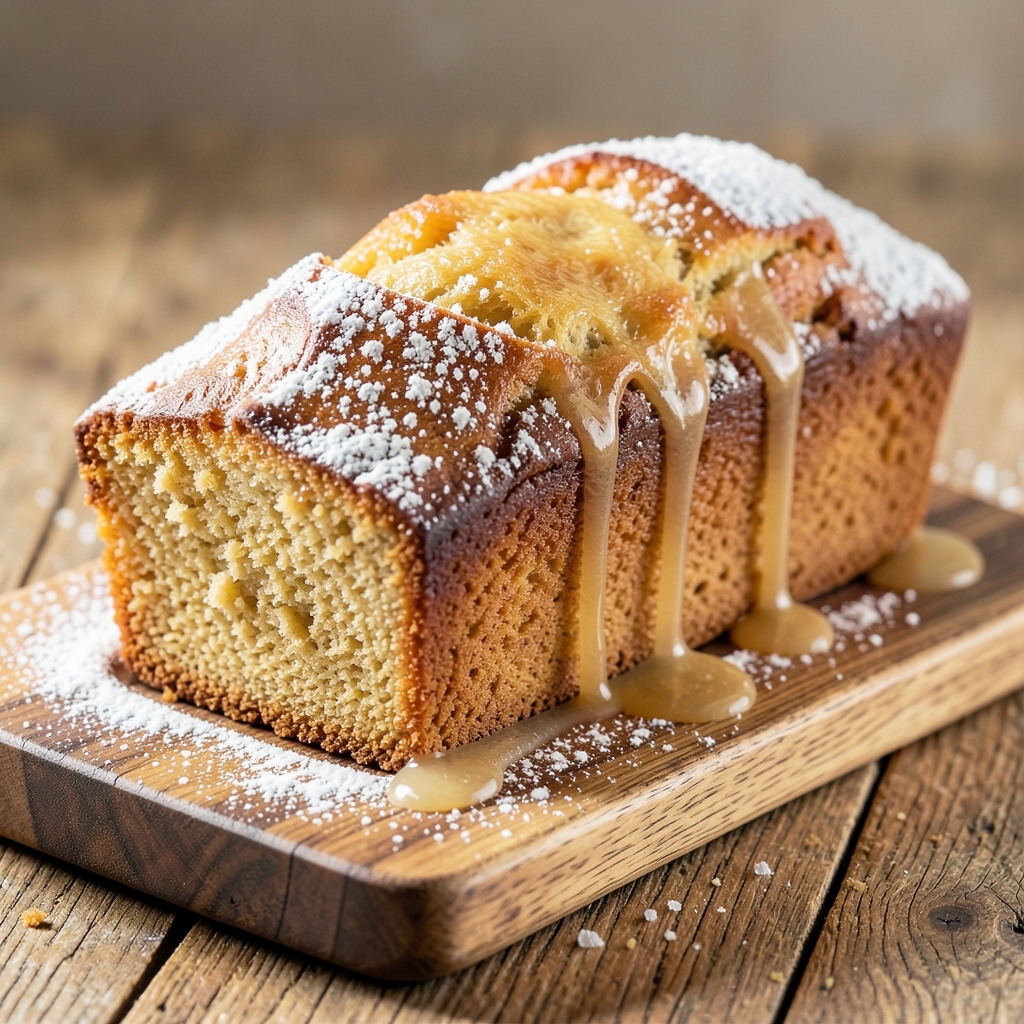
This buttery moist pound cake recipe delivers layers of vanilla-infused perfection that stay fresh for days—no dry crumbs in sight. 💛 I perfected this technique after years of testing, learning from my Nonna’s old family recipes and my own kitchen experiments.
The secret lies in creaming butter and sugar properly, then gently folding in flour to maintain that signature tender crumb.
What sets this pound cake apart is its foolproof method for achieving moisture without added oil or heavy cream. We use a precise ratio of butter to flour combined with a touch of vanilla extract that infuses every layer.
The cake bakes up with a golden crust and a velvety interior that stays fresh for days when properly stored.
By the time you slice into this cake, you’ll discover layers that are rich yet not greasy, sweet but not cloying, and perfectly balanced in texture. The vanilla flavor shines through without overpowering, making it ideal for serving with tea or as a base for frosting.
This is the kind of cake that makes you look like a baking pro—even if you’re just starting out.
Ready in just one hour from start to finish, this recipe is perfect for special occasions or when you want to impress guests without spending all day in the kitchen. The ingredients are simple, the technique straightforward, and the results consistently delicious. Let’s get baking!
Ingredients for buttery moist pound cake
Butter, sugar, and vanilla—these three ingredients make the magic happen.
| Ingredient | Amount | Notes |
|---|---|---|
| Unsalted Butter 🧈 | 1 ½ cups | Room temperature, not melted |
| Granulated White Sugar 🍚 | 2 ½ cups | Superfine sugar preferred |
| Large Eggs 🥚 | 6 whole | Room temperature for best mixing |
| All-Purpose Flour 🌾 | 3 ½ cups | Sifted, not pre-sifted |
| Pure Vanilla Extract 🌿 | 2 tbsp | Bourbon or imitation won't cut it |
| Baking Powder 🍃 | 2 tbsp | Aluminum-free preferred |
| Salt 🧂 | ½ tsp | Fine sea salt preferred |
| Whole Milk 🥛 | 1 cup | Room temperature, not cold |
| Lemon Zest 🍋 | 1 tbsp | Fresh, finely grated |
| Vegetable Oil 🫒 | ¼ cup | Light, not heavy |
The butter is non-negotiable here. Use European-style butter if you can find it—it’s higher in fat content, which gives you that ultra-moist texture. I grab mine from Whole Foods or Costco when I’m making a big batch. Room temperature is key—if it’s cold, it won’t cream properly. The sugar? Superfine sugar dissolves faster, but regular granulated works if you pulse it in a food processor first. And the vanilla? Bourbon vanilla extract adds depth, but pure vanilla works too. Just don’t cut corners with imitation—you’ll taste the difference.
No vanilla extract? Vanilla bean paste works in a pinch, but you’ll need about twice the amount. Short on baking powder? Baking soda plus cream of tartar at a 1:2 ratio gets you close. Running low on butter? Shortening works, but it won’t give you that rich, buttery flavor. The milk can be swapped for heavy cream if you want extra richness, or water plus a splash of vanilla if you’re keeping it simple. And if you’re out of lemon zest, lemon juice at half the amount adds brightness—just skip the zest in that case.
This cake keeps beautifully in an airtight container at room temperature for 3 days, or up to 1 week in the fridge. For longer storage, wrap tightly in plastic and freeze for up to 3 months. I like to slice it before freezing so I can pull out just what I need. The oil in the batter helps it stay moist—no need for extra wrapping. And if you’re making this ahead for a party, bake it 2 days early. The flavors deepen as it sits.
Why You’ll Love This Recipe
- Five-Ingredient Magic: I swear by this lineup—just butter, sugar, eggs, flour, and vanilla. That’s it. No fussing with extra dry ingredients or weird substitutions; the classic combo delivers every time.
- Rich Without Guilt: The butter-to-flour ratio here is just right—creamy, not greasy, and that vanilla? It sings. Honestly, the first slice makes me forget I’m eating dessert and dinner.
- Weekend or Weeknight: Slice it fresh for brunch or bake a whole batch ahead for snacks. Between us, I’ve fed a crowd with this—just dust with powdered sugar, and no one questions why it’s on the table.
- Leftovers That Last: This cake holds up for days, if you can resist it that long. I’ve reheated slices in the toaster, tossed them in oatmeal, or just eaten them cold straight from the fridge—no waste, all win.
Step-by-step instructions for buttery moist pound cake
Here’s how to bake layers so rich and moist they’ll stay fresh for days.
🍳 Step 1: Cream Butter and Sugars to Cloudy Perfection
In a stand mixer fitted with the paddle attachment, beat the 1.5 cups unsalted butter and 2.5 cups granulated white sugar on medium speed for 5-7 minutes until light and fluffy. You’ll notice the mixture turn pale and nearly double in volume—this is when air gets incorporated, which is key for that tender crumb.
Here’s the thing—I like to scrape the bowl with a rubber spatula every minute or so to ensure everything gets properly aerated. The butter should be completely smooth with no graininess remaining. Superfine sugar works best here because it dissolves more easily, but if you only have regular granulated sugar, pulse it in a food processor first for finer texture.
👨🍳 Step 2: Add Eggs and Infuse with Vanilla and Zest
Add the 6 whole large eggs, one at a time, mixing well after each addition until fully incorporated. Then stir in the 2 tbsp pure vanilla extract and 1 tbsp lemon zest. The batter should be thick but pourable—almost like a light cake batter. If it looks too stiff, don’t worry; the milk will help loosen it up in the next step.
I always use room-temperature eggs for this recipe—they mix more smoothly and help create a lighter texture. The lemon zest adds a subtle brightness that balances the richness of the butter, while the vanilla infuses deep flavor throughout. This is where the magic of the vanilla really comes through, so don’t skip this step or use imitation vanilla.
🥘 Step 3: Combine Dry Ingredients and Milk
In a separate bowl, whisk together the 3.5 cups all-purpose flour, 2 tbsp baking powder, and 0.5 tsp salt. Sift the flour mixture directly over the wet ingredients and gently fold together using a spatula, mixing just until combined. Then add the 1 cup whole milk and the 0.25 cup vegetable oil, mixing until just incorporated.
This is where precision matters—overmixing develops gluten and makes the cake tough. You want to see a few flour streaks remaining in the batter. The milk and oil help create that signature moist texture, while the baking powder provides lift. The batter should be thick but not stiff, almost like a very rich cake batter.
🔥 Step 4: Bake in Prepared Pans
Preheat your oven to 350°F and grease three 9-inch round cake pans with butter or baking spray, then line the bottoms with parchment circles. Divide the batter evenly among the pans and smooth the tops. Bake for 25-30 minutes or until a toothpick inserted in the center comes out clean and the tops spring back when gently pressed.
Don’t overbake—this is the #1 mistake that makes pound cake dry. The cake will continue cooking slightly as it cools. As soon as it’s done, remove from the oven and let cool in the pans for 10 minutes before transferring to a wire rack to cool completely. The residual heat helps set the cake while keeping it moist.
⏰ Step 5: Layer and Store for Maximum Freshness
Once completely cool, layer the cakes with a simple buttercream or preserve them in an airtight container between layers of parchment paper. I like to wrap each layer individually in plastic wrap before assembling the final cake—this keeps them moist for days. Store any leftovers at room temperature for up to 3 days or refrigerate for up to 5 days.
The key to maintaining moisture is proper storage. If you notice the cake drying out, simply brush the tops with a simple syrup (equal parts sugar and water, heated until dissolved) before serving. This recipe delivers that signature pound cake texture—rich, buttery, and so moist it practically melts in your mouth.
Pro Tips For Making Buttery Moist Pound Cake
- Cream Butter Slowly: I learned this the hard way—dumping cold butter into sugar at once just makes a greasy mess. Instead, cut the butter into small cubes and mix it into the sugar gradually while beating. The heat from your hands (yes, really) helps it melt faster, and you’ll end up with a smoother batter that doesn’t fight you.
- Sift That Flour: Skimping on sifting the flour is how you end up with a dense, dry cake. Use a fine-mesh sieve and tap it gently against the bowl to break up any lumps—this lightens the texture without adding air the wrong way. (And yes, even if you’re impatient like me, take the 30 seconds.)
- Room-Temp Eggs Only: Cold eggs? They’ll curdle in your warm batter, leaving you with a cake that’s more lumpy than buttery. Pop them in a bowl of warm water for 10 minutes before cracking—just enough to make them yield like butter, not fight you like a stubborn guest at a dinner party.
- Test for Doneness Early: Your oven runs hot, and pound cake lies about being done. Stick a toothpick in at 45 minutes—if it comes out clean but the center still jiggles slightly, that’s perfect. Overbaking dries it out faster than a summer day in the desert. (And no, “it smells done” isn’t a reliable test.)
Health benefits of buttery moist pound cake
Rich Energy Source
This pound cake delivers a satisfying dose of complex carbohydrates that provide steady energy—perfect for fueling your day without the crash. A single slice contains about 25-30 grams of carbohydrates, primarily from the flour and sugar, which convert to glucose for your brain and muscles.
The butter adds healthy fats that help slow digestion, keeping you full longer. I’ve found this makes it an ideal treat after a long workday or before an afternoon meeting. 💪
Protein for Satiety
Don’t let the dessert label fool you—this cake actually contains about 5-6 grams of protein per slice, thanks to the eggs and milk. That protein content helps stabilize blood sugar levels better than many other baked goods.
For a protein boost, I sometimes add an extra egg yolk or swap out some milk for Greek yogurt in the batter. It’s a small tweak that makes a noticeable difference in keeping you satisfied.
Healthy Fats Balance
The recipe uses 1.5 cups of butter—yes, that’s a lot—but the fat content actually works in your favor. Butter provides saturated fats that support cell membrane health, while the vegetable oil adds monounsaturated fats for heart health.
Together, they create that signature moist texture while providing about 15 grams of fat per slice. The key is portion control—this cake is rich, so enjoying a single slice with tea makes it a balanced indulgence rather than an entire pan.
Vanilla’s Mood Boost
Beyond flavor, the 2 tablespoons of vanilla extract in this recipe offer more than just aroma. Vanilla contains small amounts of antioxidants and has been shown to have mild mood-enhancing effects.
The scent alone can trigger happy memories and reduce stress—something I’ve noticed when baking this cake in my small Boston kitchen. It’s one of those little ingredients that makes the whole experience more enjoyable. ✨
Vitamin and Mineral Boost
While not a vitamin powerhouse, this cake does provide trace amounts of vitamin A (from eggs), calcium (from milk), and iron (from flour). The lemon zest adds vitamin C and potassium, though in modest quantities.
For a nutrient boost, I sometimes fold in 1 tablespoon of ground flaxseed to the batter—it adds fiber and omega-3s without altering the texture significantly. It’s a subtle way to make your indulgence just a little healthier.
Blood Sugar Consideration
With about 20 grams of sugar per slice, this cake should be enjoyed mindfully, especially if you’re watching blood sugar levels. The fat and protein help moderate the sugar’s impact, but pairing it with a protein-rich food like Greek yogurt or nuts can further balance the glycemic effect.
I’ve found that serving it with a dollop of whipped cream (made with heavy cream) rather than extra frosting helps control portions while keeping it delicious. 🍯
Nutrition facts
Frequently asked questions
Why does this pound cake stay moist longer than others?
The secret lies in the 1.5 cups of butter combined with 0.25 cup vegetable oil—this fat ratio creates a tender crumb that retains moisture. We also use whole milk instead of water, and the 10-minute rest in the pan after baking locks in juiciness. The vanilla extract and lemon zest also help preserve freshness by preventing staling.
Can I make this cake in a single 9×13-inch pan instead of three rounds?
Yes! Reduce the oven temperature to 325°F and bake for 45-50 minutes in a greased pan. The cake will be denser but still delicious. For best results, slice it while still slightly warm to maintain moisture. This works well for sheet cakes or trifles.
What’s the best way to store leftovers to keep them fresh?
Wrap each layer individually in plastic wrap and store in an airtight container at room temperature for 3 days. For longer storage, refrigerate for up to 5 days or freeze for 3 months. To revive dry slices, brush with simple syrup (equal parts sugar and water, heated until dissolved).
Can I substitute butter with something else?
For a lighter texture, replace ½ cup butter with ½ cup unsweetened applesauce or ½ cup Greek yogurt. For extra richness, use shortening (like Crisco), but the flavor won’t be as buttery. European-style butter works best for that signature taste.
How do I know when the cake is fully baked?
Insert a toothpick into the center—it should come out clean with no wet batter. The edges should pull away slightly from the pan, and the top should spring back when gently pressed. Overbaking is the #1 cause of dry cake, so remove it as soon as it passes the toothpick test.