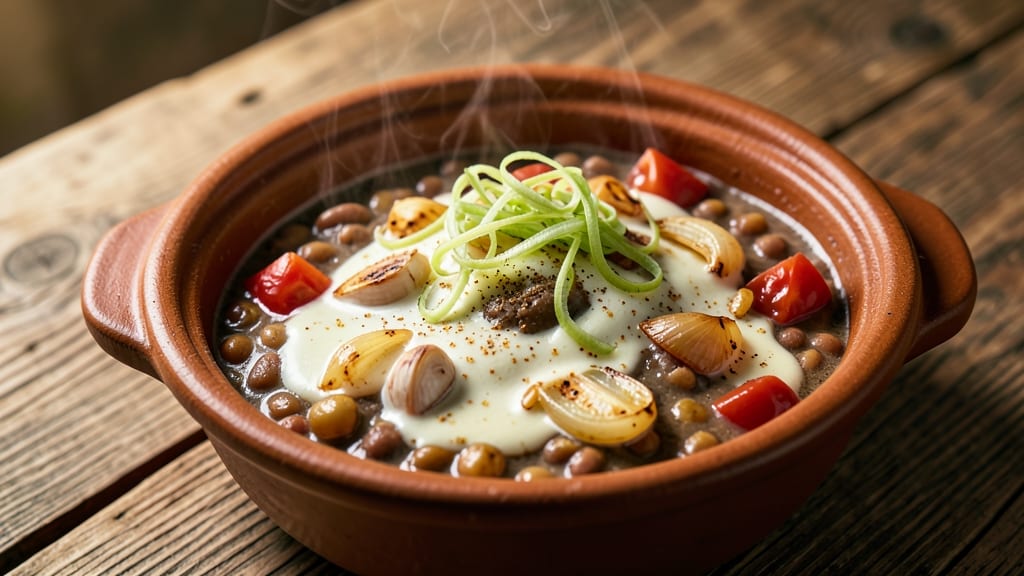
This Zambian beans recipe brings the rich, earthy flavors of Southern African cuisine to your kitchen table, where nutty coconut and aromatic spices create a dish that’s both hearty and deeply satisfying.
Growing up, I’d watch my Nonna transform simple ingredients into something extraordinary, and this recipe carries that same magic—just with a Zambian twist.
The secret lies in slow-cooking the beans until they’re tender yet still hold their shape, then infusing them with toasted spices and coconut milk for that signature depth.
The beauty of this dish is its versatility—it works as a standalone meal or pairs beautifully with grilled meats, rice, or even as a side to roasted vegetables. Zambian cooking often relies on bold flavors developed through slow simmering, and this recipe delivers that same restaurant-quality result at home.
With just a handful of simple ingredients and about an hour of hands-off cooking time, you’ll end up with a dish that’s as nutritious as it is delicious.
What makes this recipe truly special is the balance of textures and flavors: the creamy coconut milk, the toasted spices, and the tender beans all come together in perfect harmony.
The dish has a subtle sweetness from the tomatoes and onions, while the spices—like thyme, garlic, and ginger—add layers of warmth that linger on your palate. It’s the kind of recipe that feels like a warm embrace, especially when shared with family or friends.
Whether you’re serving it at a dinner party or simply enjoying a comforting weeknight meal, this Zambian beans dish brings a taste of Africa to your kitchen without requiring any special equipment.
The instructions are straightforward, and the flavors are unforgettable—just like the meals my Nonna used to make. Let’s get cooking!
Ingredients for zambian beans
Simple pantry staples transform into a rich, spice-packed Zambian bean masterpiece.
| Ingredient | Amount | Notes |
|---|---|---|
| Dried Brown Lentils 🌾 | 1 ½ cups | Rinsed before cooking |
| Coconut Milk 🥥 | 13 ½ oz | Full-fat for creaminess |
| Yellow Onion 🧅 | 1 whole | Diced, medium size |
| Fresh Garlic Cloves 🧄 | 4 cloves | Minced, aromatic |
| Fresh Ginger Root 🌿 | 1 tbsp | Grated, fresh preferred |
| Canned Diced Tomatoes 🍅 | 1 can (14.5 oz) | No salt added |
| Ground Cumin 🌶️ | 1 tbsp | Toasted for depth |
| Ground Coriander 🌿 | 1 tbsp | Freshly ground preferred |
| Dried Thyme 🍃 | 1 tsp | Or fresh, doubled |
| Bay Leaves 🌿 | 2 whole | Fresh or dried |
| Vegetable Oil 🫒 | 2 tbsp | For sautéing |
| Salt 🧂 | 1 tsp | Adjust to taste |
| Black Pepper 🌶️ | ½ tsp | Freshly ground |
| Lemon Juice 🍋 | 1 tbsp | Freshly squeezed |
| Fresh Cilantro 🌿 | ¼ cup | Chopped, for garnish |
The coconut milk is non-negotiable here—full-fat canned coconut milk from Thai Kitchen or Goya gives the best texture. Look for brands that list only coconut cream and water, no additives. If you’re using the carton kind, shake it well before opening. The lentils? Brown or green lentils work best—they hold their shape and soak up the flavors beautifully. I always rinse them before cooking to remove any dirt or debris. For the spices, Penzeys or local African markets have the best blends, but regular grocery store cumin and coriander work fine if you toast them in a dry pan for 30 seconds first.
No coconut milk? Heavy cream or Greek yogurt can mimic the richness, but it won’t be quite the same. Short on fresh ginger? Ground ginger at half the amount works in a pinch, but fresh has that zing you can’t replicate. The tomatoes can be fresh if you prefer—just chop them yourself. For the cilantro, if you hate it, parsley works just as well. The bay leaves are optional but add that subtle depth that makes this dish sing. Pro tip: Toast your spices in the same pot you’ll cook the onions in—it infuses the oil with flavor before you even add the beans.
This dish tastes even better the next day as the flavors meld together. Store leftovers in an airtight container in the fridge for up to 5 days. Freezes beautifully for 3 months—just thaw overnight in the fridge before reheating. I like to portion mine into containers with a little extra coconut milk on top to keep it moist. The beans thicken as they cool, so add a splash of water or coconut milk when reheating if they seem too dry.
Why You’ll Love This Recipe
- No-Soaking Needed: The dried brown lentils soften in under 20 minutes—no overnight soaking or fancy prep. Just rinse, simmer, and let the coconut milk do its magic while you chop onions or stir-fry something else.
- Creamy Without Guilt: That velvety coconut milk base feels decadent, but it’s secretly packed with plant-based protein. Honestly? My kids ask for seconds before they even taste it.
- Weeknight to Potluck: Same recipe works for a rushed Tuesday dinner or a Sunday gathering. Double the batch, and you’ve got leftovers that taste even better reheated—trust me, the ginger keeps it fresh.
- Pocketbook Hero: Lentils and coconut milk stretch this dish into a full meal without breaking the bank. I’ve fed four people for under $8, and no one complains about the flavor.
Step-by-step instructions for Zambian coconut lentil stew
This hearty dish comes together with simple steps that build rich, aromatic flavors.
Sauté Aromatics in Vegetable Oil
Heat the 2 tablespoons vegetable oil in a large pot over medium heat. Add the 1 whole yellow onion, diced, and cook for 5 minutes until softened and translucent. You’ll notice the onions release their moisture and begin to caramelize slightly at the edges.
Add the 4 cloves fresh garlic cloves, minced, and the 1 tablespoon fresh ginger root, grated, to the pot. Cook for another 2 minutes until the garlic becomes fragrant and the ginger releases its sharp aroma. This aromatic base forms the flavor foundation of your stew, so don’t rush this step.
Toast Spices and Add Tomatoes
Stir in the 1 tablespoon ground cumin, 1 tablespoon ground coriander, and 1 teaspoon dried thyme directly into the pot. Toast the spices for 30 seconds until you can smell their warm, earthy fragrance. This quick toasting enhances their flavors significantly.
Add the 1 can (14.5 oz) canned diced tomatoes and the 2 whole bay leaves to the pot. Stir everything together and let it simmer for 5 minutes until the tomatoes break down slightly and the mixture thickens. You’ll see the spices disperse evenly throughout the sauce, creating a vibrant base for your stew.
Cook the Lentils with Coconut Milk
Rinse the 1.5 cups dried brown lentils thoroughly under cold water to remove any debris. Add them to the pot along with 6 cups water (or enough to cover the lentils by about 1 inch). Bring the mixture to a boil, then reduce the heat to low and let it simmer uncovered for 20 minutes. Stir occasionally to prevent sticking.
After 20 minutes, stir in the 13.5 oz coconut milk and the 1 teaspoon salt. The coconut milk will create a creamy texture while adding its signature nutty flavor. Simmer the stew for another 15-20 minutes until the lentils are tender but still hold their shape. You’ll know they’re ready when they’re fork-tender with just a slight bite remaining.
Finish with Seasonings and Rest
Remove the 2 whole bay leaves from the stew. Stir in the 0.5 teaspoon black pepper and 1 tablespoon lemon juice. The lemon juice brightens the dish, cutting through the richness of the coconut milk. Taste and adjust the seasoning if needed—you might want to add a pinch more salt or lemon juice to balance the flavors.
Let the stew rest for 10 minutes off the heat. This resting period allows the flavors to meld together beautifully. The coconut milk will thicken slightly, and the spices will infuse more fully into the lentils. The result should be a rich, creamy stew with complex layers of flavor.
Garnish and Serve
Before serving, stir in the 0.25 cup fresh cilantro, chopped. The fresh cilantro adds a bright, herbaceous note that contrasts beautifully with the rich coconut and spiced lentils. Serve the stew warm, accompanied by crusty bread or steamed rice to soak up the delicious sauce.
Each spoonful should deliver a perfect balance of nutty coconut, earthy spices, and tender lentils. The stew’s creamy texture and aromatic complexity make it a satisfying dish that’s perfect for sharing.
Pro Tips For Making Zambian Beans
- Soak Lentils Overnight: DESCRIPTION: I used to skip this and wonder why my beans turned to mush. Zambian beans need a good 8–12 hours in water to soften properly—no exceptions. Drain and rinse before cooking, or they’ll absorb too much liquid and dilute the coconut milk’s richness.
- Sauté Onions Low and Slow: DESCRIPTION: Cranking the heat for onions here just burns them before they sweeten. Keep it at medium-low until they’re translucent and caramelized—about 8–10 minutes. This builds the base flavor the ginger and garlic will marry into later.
- Grate Ginger Fine: DESCRIPTION: I learned this the hard way—chunky ginger sits like rocks in the sauce. Use the smallest holes on your grater or pulse it in a food processor until it’s almost paste-like. This way, it blends seamlessly with the garlic and coconut milk.
- Stir in Coconut Milk Gradually: DESCRIPTION: Dumping all the coconut milk at once thins out the dish too fast. Add it in two batches: first half when the lentils are half-cooked, then the rest at the end. This keeps the texture thick and velvety, not watery.
Dietary considerations for zambian beans
Gluten-Free Friendly
This recipe is naturally gluten-free since it relies on lentils, coconut milk, and fresh vegetables—no wheat or grains involved. I always double-check labels on canned tomatoes and coconut milk to ensure they’re certified gluten-free, especially when buying from bulk bins.
The lentils themselves are a fantastic protein source for anyone avoiding gluten, and the spices add depth without any hidden gluten triggers. 🌾
Vegetarian Powerhouse
With its base of dried brown lentils and rich coconut milk, this dish is a complete vegetarian meal packed with plant-based protein. A 1.5-cup serving delivers about 18 grams of protein—perfect for meat-free days or vegan diets.
The tomatoes and onions add vitamins A and C, while the spices provide antioxidants. I often serve this with a side of quinoa to boost the protein even more.
Low-Fat Option
For a lighter version, use light coconut milk instead of full-fat—it cuts calories by about 30% per serving while keeping the creamy texture. You can also reduce the oil to 1 tablespoon instead of 2, though the flavor will be slightly less rich.
The lentils alone provide plenty of fiber and protein, so you won’t miss the extra fat. This makes it a great choice for heart-healthy diets.
Spice Sensitivity Adjustments
If you’re sensitive to heat, skip the cumin and coriander or reduce them to ½ teaspoon each. The dish still shines with just thyme and bay leaves for warmth. For extra mildness, add a pinch of sugar (about ¼ teaspoon) to balance any lingering spice.
I’ve found that toasting the spices briefly in the oil actually mellows their intensity slightly, so don’t skip that step!
Protein Boost Add-Ins
Want to make this a high-protein meal? Stir in ½ cup cooked chickpeas or ½ cup shredded chicken at the end. For extra richness, add 2 tablespoons peanut butter (a Zambian favorite!) while simmering.
The peanut butter blends seamlessly with the coconut milk and adds a satisfying depth. Just be sure to use natural, unsweetened peanut butter to avoid added sugars.
Allergy-Friendly Swaps
If you’re allergic to coconut, replace the coconut milk with Greek yogurt or cashew cream (blend soaked cashews with water). For nut-free kitchens, oat milk or light cream works in a pinch, though the texture will be slightly thinner.
Always check labels on canned goods—some brands add hidden coconut derivatives. The lentils and spices remain completely safe for most allergies, making this dish surprisingly adaptable. 💡
Nutrition facts
Frequently asked questions
What type of beans should I use for this Zambian-inspired dish?
This recipe calls for dried brown lentils which hold their shape beautifully while absorbing the rich coconut and spice flavors. While you could use other beans like kidney or pinto, lentils are traditional in many African stews and cook faster—about 35-40 minutes total—making them ideal for weeknight meals.
Can I make this recipe without coconut milk?
Yes! For a dairy-free alternative, use Greek yogurt or cashew cream (blend soaked cashews with water) to maintain creaminess. If avoiding nuts entirely, light cream or oat milk works, though the texture will be slightly thinner. The key is using 1 cup total of substitute to match the coconut milk’s volume.
How do I adjust the spice level for sensitive eaters?
Start by reducing the cumin and coriander to ½ teaspoon each—these carry most of the heat. The dish still delivers warm, earthy flavors through thyme and bay leaves. For extra mildness, add a pinch of sugar (¼ teaspoon) to balance any lingering spice. Toasting spices briefly in the oil actually mellows their intensity slightly!
What’s the best way to store and reheat leftovers?
Store in an airtight container in the fridge for up to 5 days or freeze for 3 months. When reheating, add a splash of water or coconut milk to prevent thickening. The flavors actually improve overnight as the spices meld further—perfect for meal prep!
Can I add meat to this dish?
For a protein boost, stir in ½ cup shredded chicken or ½ cup cooked ground beef during the last 10 minutes of cooking. Zambian cuisine often pairs beans with meats like goat or beef—just ensure the meat is fully cooked before adding. For extra richness, some traditions include peanut butter (2 tbsp) while simmering.

- Creamy Red Salsa Recipe: Blended Fire Roasted Tomatoes and Cream Cheese Fusion - November 8, 2026
- Mexican Mule Recipe: Spicy Margarita Twist With Copper Mug Crispness - November 8, 2026
- Taffy Apples Recipe: Caramel-Coated Crunch With Chewy Centers - November 8, 2026