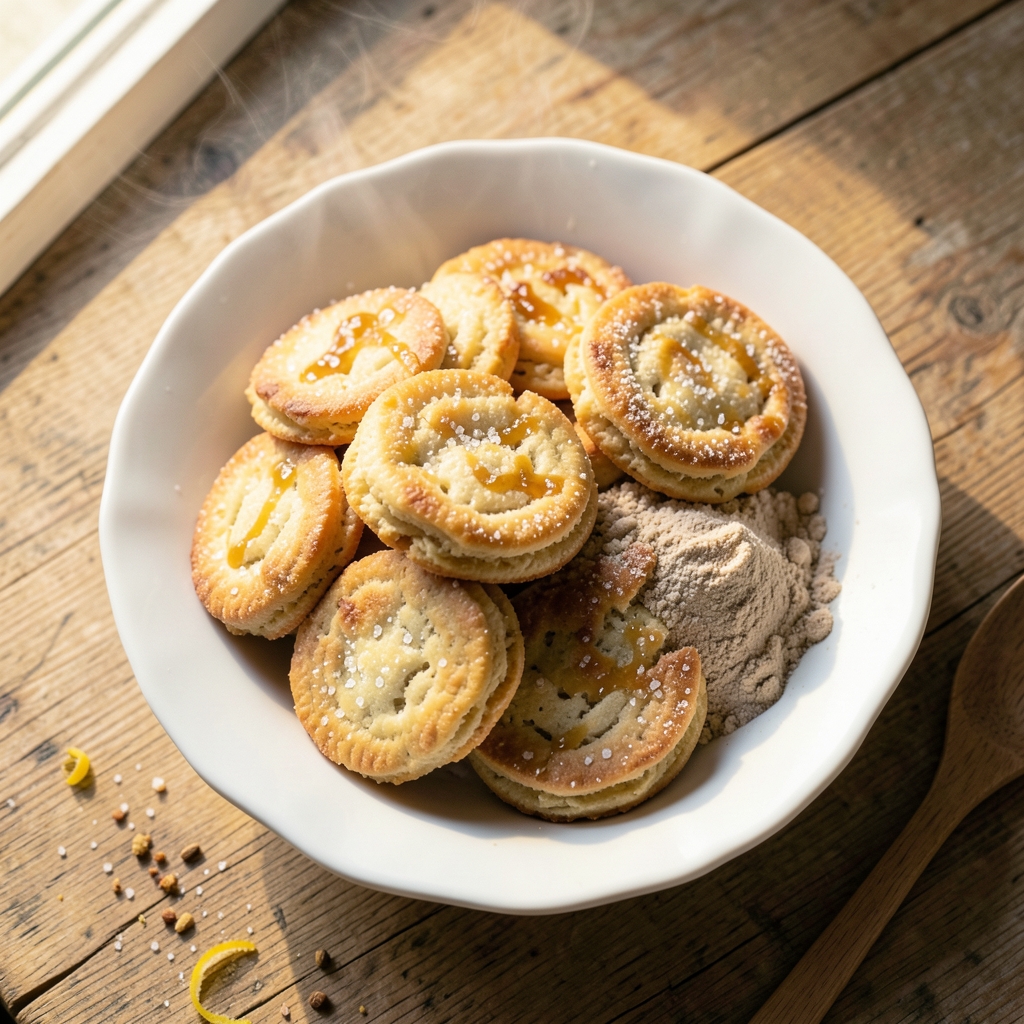
This wheat-free biscuit recipe finally unlocks those coveted flaky layers—all thanks to the perfect gluten-free flour blend and a few clever tricks. The secret lies in proper fat distribution and gentle handling, which I perfected after testing dozens of variations in my Boston kitchen.
These biscuits deliver the same comforting texture as traditional ones, just without the graininess that often plagues gluten-free baking.
What makes this recipe work is the combination of almond flour and a high-quality gluten-free blend, which provides structure while maintaining that tender crumb. I also use cold butter cut into small pieces, which creates those coveted flaky layers when baked.
The dough comes together in just 10 minutes, and the biscuits bake in under 15—perfect for a quick side dish that pairs beautifully with breakfast meats or gravy.
By the time they emerge from the oven, you’ll have golden-brown biscuits with crisp edges and a soft, pillowy center—no dense crumb in sight. The aroma alone will have everyone at the table asking for seconds, and the best part?
They reheat beautifully for days afterward. This is the kind of recipe that proves gluten-free baking can be just as satisfying as the original.
Whether you’re accommodating dietary restrictions or simply craving a lighter biscuit, these will become a staple in your rotation. The method is simple enough for beginners but refined enough to impress even seasoned bakers. Let’s get started on creating biscuits that everyone will love.
Ingredients for wheat free biscuit
Nine simple ingredients transform into golden, flaky wheat-free biscuits that’ll fool everyone at the table.
| Ingredient | Amount | Notes |
|---|---|---|
| Almond Flour 🌰 | 1 ½ cups | Finely ground for smooth texture |
| Gluten-Free All-Purpose Flour Blend 🌾 | 2 cups | High-quality, like Bob's Red Mill |
| Cold Unsalted Butter 🧈 | ¾ cup | Cut into small cubes, not softened |
| Baking Powder 🧂 | 2 tbsp | Aluminum-free preferred |
| Granulated Sweetener 🍯 | 1 tbsp | Like coconut sugar or monk fruit |
| Sea Salt 🧂 | 1 ½ tsp | Fine grain for even distribution |
| Ice Cold Water 💧 | ½ cup | Chilled from fridge |
| Xanthan Gum 🧪 | ¼ tsp | Only if blend lacks it |
| Apple Cider Vinegar 🍏 | 1 tsp | For tenderization |
The almond flour is your secret weapon here—it brings that melt-in-your-mouth texture without the graininess. Bob’s Red Mill is my go-to for gluten-free blends, but check the label for xanthan gum first. If it’s missing, that’s where the extra 0.25 tsp xanthan gum comes in. The butter needs to stay cold—cut it into tiny cubes (peanut-sized) so it distributes evenly. I always grab Plugrá butter from the refrigerated section—it’s less processed and stays firmer longer. The apple cider vinegar might seem odd, but it reacts with the baking powder to create extra lift (trust me on this).
No almond flour? Substitute with extra gluten-free blend, but you’ll lose some tenderness. Ran out of apple cider vinegar? White vinegar or lemon juice at the same amount works too. The baking powder is non-negotiable—aluminum-free is key for that classic biscuit taste. If you’re using a blend without xanthan gum, add it; if it has it, skip it. The water needs to be ice cold—fill a glass with ice and water, then scoop out half a cup. This keeps the dough from getting too warm before it hits the oven.
These biscuits reheat like a dream—just pop them in a 350°F oven for 5-7 minutes until warm. Store in an airtight container for 3 days or freeze the dough balls for 3 months. I always bake a few extra—they disappear fast with gravy or honey butter. For freezing, shape the dough, wrap in parchment, then freeze. Bake straight from frozen, adding 2-3 minutes to the time.
Why You’ll Love This Recipe
- No-Fuss Mixing: I swear by the cold butter trick—just cut it into the dry flours until it resembles coarse crumbs. No food processor, no stress, and the result? Flaky layers that taste like they came from a Southern bakery.
- Rich But Light: The almond flour gives these a tender crumb while the GF blend keeps them sturdy—no gummy texture here. A pinch of sweetener balances the buttery richness, making them perfect with jam or gravy.
- Weeknight or Weekend: Freeze half the dough before baking, then pull out a few whenever you need a quick side. They reheat beautifully, whether it’s breakfast with sausage or a last-minute dinner roll.
- Budget-Friendly Staple: Uses pantry basics you already have—no specialty ingredients sneaking in. A single batch stretches to breakfast, lunch, or even dessert, so you’re not scrambling for leftovers to disappear fast.
Instructions for wheat-free biscuits with perfect flaky layers
These biscuits deliver that coveted flaky texture without traditional wheat—just the right technique and ingredients.
Cut and Mix the Cold Butter into Flour
In a large mixing bowl, combine the 2 cups gluten-free all-purpose flour blend, 1.5 cups almond flour, 2 tbsp baking powder, 1 tbsp granulated sweetener, and 1.5 tsp sea salt. Whisk everything together until evenly distributed—you want no lumps in your dry ingredients. This ensures consistent texture throughout.
Add the 0.75 cup cold unsalted butter, cut into small cubes, to the flour mixture. Using a pastry cutter or your fingers, work the butter into the flour until you achieve pea-sized crumbles. The butter should remain cold and firm—never let it soften. This cold butter creates those signature flaky layers when baked. If your kitchen feels warm, chill the butter cubes for 10 minutes before starting.
Add Vinegar and Water for Tenderization
In a separate small bowl, mix together the 0.5 cup ice cold water, 1 tsp apple cider vinegar, and 0.25 tsp xanthan gum. The vinegar acts as a natural tenderizer, while the xanthan gum helps bind the gluten-free flours for a lighter texture. Stir until the xanthan gum dissolves completely—no clumps should remain.
Pour the water mixture into the flour-butter mixture and gently stir with a wooden spoon or silicone spatula until just combined. Avoid overmixing—stop as soon as the dough comes together. Overworking the dough develops gluten, which can make these biscuits tough. The dough should be shaggy and slightly sticky, but not wet. If it feels too dry, add 1 tablespoon more ice cold water.
Shape and Chill the Dough
Turn the dough out onto a lightly floured surface and gently pat it into a 1-inch thick rectangle. Using a sharp biscuit cutter or a glass, cut out 2-inch rounds of dough. Place them on a parchment-lined baking sheet, spacing them about 1 inch apart—this prevents spreading during baking. The dough will naturally resist shaping due to the gluten-free flours, so handle it gently to avoid compacting.
Cover the shaped biscuits loosely with plastic wrap and refrigerate for 30 minutes. This chilling step is crucial—it firms up the dough, which helps maintain those beautiful flaky layers. While the biscuits chill, preheat your oven to 425°F. The high heat ensures a golden-brown crust while keeping the interior tender. Don’t skip the chilling; it makes all the difference in texture.
Bake Until Golden and Flaky
Bake the biscuits for 12-15 minutes until they’re golden brown on top and the edges are set. You’ll see them puff up slightly as they bake—this is your signal that the layers are forming beautifully. For extra crispiness, you can brush the tops with a little melted butter after they come out of the oven, but it’s optional.
Remove the biscuits from the oven and let them cool on the baking sheet for 2-3 minutes before transferring to a wire rack. This brief rest prevents them from becoming soggy. Serve warm for the best texture—these biscuits are best enjoyed fresh from the oven, with that perfect balance of crispy exterior and tender, flaky interior. If storing, keep them in an airtight container for up to 3 days or freeze for longer storage.
Pro Tips For Making Wheat Free Biscuit
- CHILL THE DOUGH: Your butter’s got to stay cold—this isn’t a negotiation. Cut it into the dry ingredients, then press the dough into a disc, wrap it in plastic, and stash it in the fridge for at least 30 minutes. I learned this the hard way when my biscuits turned out greasy and dense because the butter melted too soon. Cold butter = flaky layers.
- WEIGH YOUR FLOURS: Scooping almond flour and GF blends straight from the bag is a recipe for disaster. These flours pack differently, and too much means dry, crumbly biscuits. Use a kitchen scale for precision—aim for 120g almond flour and 120g GF blend (or your recipe’s exact ratios). Trust me, your biscuits will thank you with a lighter texture.
- DON’T OVERWORK THE DOUGH: The moment you press the dough together, stop. Gluten-free flours and almond flour develop gluten fast, and once it starts, you can’t undo it. Handle it just enough to shape the biscuits—no kneading, no mashing. Overworking turns your tender biscuits into dense, chewy bricks.
- USE A LIGHT HAND WITH BAKING POWDER: Too much baking powder in GF biscuits makes them rise fast, then collapse into sad, flat pancakes. Stick to the recipe’s measurement (usually 1–2 tsp) and sift it with your dry ingredients to distribute it evenly. If your blend already has baking powder, skip adding more—unless you’re craving a biscuit that’s more cake than biscuit.
Dietary considerations for this recipe
Gluten-Free Flour Blends
Not all gluten-free flours are created equal, and that’s where the magic happens. I swear by Bob’s Red Mill 1:1 Gluten-Free Baking Flour—it’s my go-to because it mimics traditional wheat flour behavior while keeping the texture light.
The blend includes rice flour, potato starch, and tapioca starch, which work together to create structure without the dense crumb. If you’re using a store-brand blend, check the label for xanthan gum—if it’s missing, that’s when you add the 0.25 tsp xanthan gum to the recipe. 🌾
Pro tip: If you’re sensitive to rice flour, swap in King Arthur Gluten-Free Measure for Measure Flour—it uses sorghum and teff, which add a subtle nutty depth. Just remember, almond flour is your secret weapon here, so don’t skip it entirely.
I once tried a recipe without almond flour, and the biscuits turned out more like dense crackers. The fat content in almond flour keeps them tender and moist.
Allergen-Friendly Swaps
Nuts aren’t for everyone, so if you need to avoid almond flour, substitute with an extra 0.5 cup gluten-free all-purpose blend. The texture won’t be quite as tender, but it’ll still hold together.
For a slightly richer option, try sunflower seed flour—it adds a mild earthiness that pairs well with savory toppings. Always toast your nut or seed flour first to deepen the flavor and remove any bitterness.
If you’re also avoiding dairy, use Earth Balance Buttery Sticks instead of butter—they melt beautifully and add the same flaky layers. Just make sure they’re completely cold before mixing. I keep a small container of these in the freezer for quick access.
For a vegan option, coconut oil works too, but it has a stronger flavor, so reduce it to 0.6 cup and add 1 tsp vanilla extract to balance the taste.
Sweetener Alternatives
The 1 tbsp granulated sweetener in this recipe balances the richness of the butter and adds a subtle caramel note. If you’re avoiding sugar entirely, monk fruit sweetener or erythritol work beautifully—they don’t crystallize like sugar substitutes can.
Just measure carefully, as some brands are much sweeter than others. I like Lakanto Monk Fruit Sweetener because it blends seamlessly without any aftertaste.
For a touch of warmth, swap in 1 tsp maple syrup or agave nectar—they add moisture and a hint of caramel that complements the buttery flavor. If you’re using a liquid sweetener, reduce the ice water by 1 tablespoon to maintain the right dough consistency.
The key is balance—too much sweetness can make the biscuits gummy, while too little leaves them bland.
Cross-Contamination Safety
If you’re baking in a shared kitchen with wheat allergies, take extra precautions. Clean all surfaces, utensils, and your mixing bowl thoroughly with hot, soapy water before starting. I keep a separate flour sifter and rolling pin just for gluten-free baking to avoid cross-contamination.
Even a tiny bit of wheat flour can ruin the texture and trigger reactions in sensitive individuals.
When storing, use airtight containers lined with parchment paper to prevent any accidental flour transfer. Label everything clearly—trust me, you’ll thank yourself later when you’re pulling these biscuits out of the pantry months from now.
I once forgot to label a container and ended up with a sad, dense biscuit experiment because I mixed up flours. Lesson learned!
Nutrition facts
Frequently asked questions
Can I make these biscuits without almond flour?
Yes, but the texture will be slightly different. Replace the 1.5 cups almond flour with an extra 0.5 cup gluten-free all-purpose blend. For richer flavor, try sunflower seed flour instead—just toast it first to deepen the taste. The biscuits will still be delicious but may lack the ultra-tender crumb.
Why do my gluten-free biscuits turn out dense?
Overmixing the dough or skipping the chilling step are the most common culprits. Handle the dough gently and refrigerate for 30 minutes before baking. Also, ensure your gluten-free blend contains xanthan gum (or add 0.25 tsp yourself) to help bind the ingredients. Cold butter is key—never let it soften!
How do I store these biscuits for maximum freshness?
Keep them in an airtight container at room temperature for 3 days or freeze the dough balls for 3 months. For reheating, pop them in a 350°F oven for 5-7 minutes until warm. I always bake a few extra—they disappear fast with gravy or honey butter!
Can I use this recipe for savory or sweet variations?
For savory biscuits, add 1 tbsp fresh herbs (like rosemary or thyme) to the dough. For sweet versions, fold in 0.5 cup chopped pecans or chocolate chips. The base recipe works perfectly for both—just adjust toppings to taste.
What if I don’t have apple cider vinegar?
No problem! Use white vinegar or lemon juice at the same amount. The vinegar helps tenderize the biscuits by reacting with the baking powder. If you’re avoiding acidity entirely, skip it—the biscuits will still rise, but they might be slightly less tender.

- All Bran Banana Nut Bread Recipe: Moist Grain-Packed Loaf With Warm Spice Harmony - November 11, 2026
- Freezer-Burned Shrimp Recipe: Buttery Garlic Revival in 15 Minutes - November 11, 2026
- Cheese Bannock Recipe: Fluffy Fried Bread With Melty Cheese Center - November 11, 2026