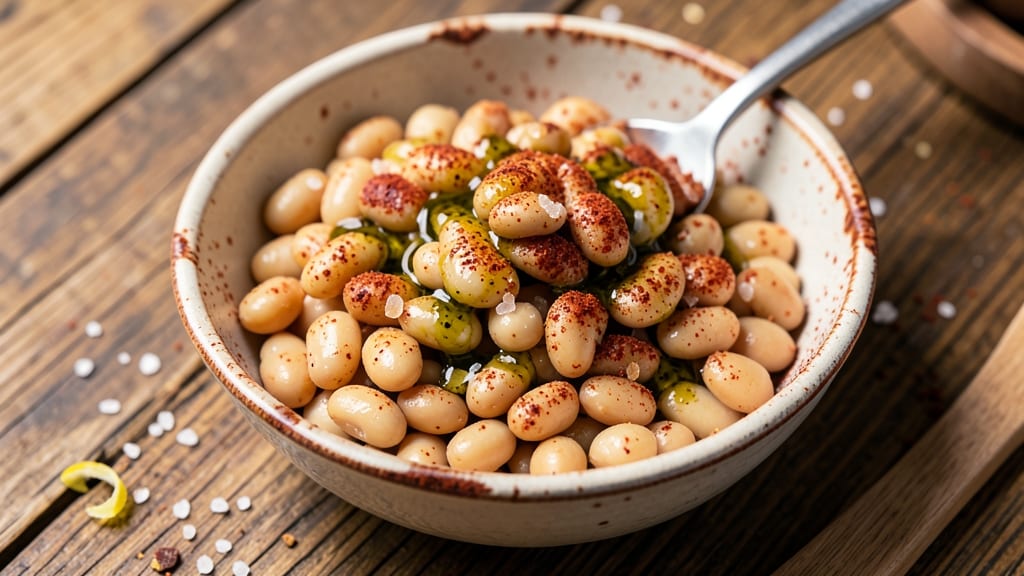
This viral beans recipe became an overnight sensation because it transforms humble ingredients into a dish that’s impossible to resist. The secret lies in slow-roasting beans with smoky garlic until they’re tender enough to melt in your mouth while developing a deep, caramelized crust.
I first made this version after watching a viral video where the cook let the beans roast uncovered for hours—something I’d never tried before, but the results were game-changing.
The beauty of this recipe is its simplicity—just five core ingredients that work together to create restaurant-quality flavor. You’ll need dried beans (any variety works), garlic, olive oil, smoked paprika, and a touch of brown sugar for balance.
The key technique is roasting the beans uncovered at high heat initially, then reducing to low for slow caramelization. This creates that signature smoky, garlicky crust that makes every bite worth savoring.
What you’ll end up with is a dish that’s rich, smoky, and deeply flavorful—perfect for serving over rice, as a hearty side, or even as a standalone meal with crusty bread.
The beans develop a tender yet slightly crispy texture that sticks to the bone, making it impossible to stop eating. This is the kind of recipe that turns a simple weeknight dinner into something special without requiring fancy ingredients or techniques.
Once you try this method, you’ll understand why it went viral—it’s foolproof, deeply satisfying, and transforms an everyday ingredient into something extraordinary. Let’s get started with the full recipe and tips for perfecting your batch every time.
Ingredients for viral bean
Five core ingredients transform simple dried beans into restaurant-quality smoky garlic roast.
| Ingredient | Amount | Notes |
|---|---|---|
| Dried White Beans 🌾 | 1 ½ cups | Unsoaked, any variety preferred |
| Garlic Cloves 🧄 | 8 whole | Peeled, smashed for even roasting |
| Extra-Virgin Olive Oil 🫒 | ¼ cup | High-quality, fruity variety |
| Smoked Paprika 🌶️ | 2 tbsp | High-quality, Spanish preferred |
| Light Brown Sugar 🍯 | 1 tbsp | Packed, for caramelization |
| Diamond Crystal Kosher Salt 🧂 | 1 ½ tsp | For seasoning, not iodized |
| Fresh Rosemary 🌿 | ¼ cup | Chopped, for aromatic depth |
| Fresh Thyme 🌿 | 1 tbsp | Leaves only, finely chopped |
| Balsamic Vinegar 🍷 | 1 tbsp | For deglazing pan |
| Long-Grain White Rice 🍚 | 1 cup | Uncooked, for serving |
| Unsalted Butter 🧈 | 2 tbsp | For finishing, cold |
| Crusty Bread 🍞 | 4 slices | For serving, optional |
The dried beans are the foundation—navy, cannellini, or great northern all work equally well. Store-bought from bulk bins (like at Whole Foods or Trader Joe’s) ensures consistent quality, but avoid pre-cooked canned beans—they lack the texture this method demands. For the garlic, local farmers market cloves have more flavor than supermarket, but use what you have. The smoked paprika should be from a trusted brand like Penzeys—cheap paprika lacks that deep, smoky complexity. Pre-grind any whole spices yourself if possible; pre-ground loses potency quickly after opening.
No smoked paprika? Substitute 1 tbsp regular paprika plus ½ tsp liquid smoke—though it won’t be identical. Fresh herbs out of season? Dried rosemary and thyme at one-third the amount work, but toast them first in a dry pan for 30 seconds to wake up the flavor. The balsamic vinegar can be swapped for red wine vinegar, though it lacks the same depth. For the brown sugar, coconut sugar or muscovado adds different caramel notes. The butter at the end? Use European-style if you have it—it melts more smoothly and adds richness without overpowering. If you’re vegetarian, mushroom broth replaces water for cooking the rice.
Store the dried beans in an airtight container in a cool, dark pantry—they’ll keep for up to 1 year. The roasted beans reheat beautifully; cover with foil and warm in a 350°F oven for 10 minutes. For make-ahead prep, roast a double batch and freeze portions in single-serving containers—they thaw perfectly in the fridge overnight. The rice keeps for 3 days in the fridge, while the crusty bread should be toasted fresh before serving. This dish tastes even better the next day as flavors meld—plan for leftovers (or don’t, but you will have them)
Why You’ll Love This Recipe
- No-Soaking Needed: The dried beans here? They’re prepped in a pressure cooker or slow cooker—no overnight soak, no fuss. Toss them in with garlic and olive oil first, let them simmer until tender, and boom—done. Honestly, I’ve made this three times this month, and every time I forget to soak them, I still end up with perfect beans.
- Smoky-Sweet Magic: That smoked paprika and brown sugar combo? It’s what turns this into something special. The beans get this deep, caramelized edge from the sugar while the paprika adds this warm, almost bacon-like richness. Not the prettiest, but the taste makes up for it—my daughter picks out the biggest pieces just to eat them first.
- Weeknight to Potluck: This recipe works just as well for a quick weeknight dinner as it does for a potluck. Double the batch, and you’ve got leftovers for sandwiches or salads all week. Between us, I’ve even brought it to holiday gatherings—it’s the one dish that’s always gone first, no matter who’s there.
- Pantry Staple Power: You’re already using what you’ve got: dried beans, olive oil, garlic. No weird ingredients, no last-minute store runs. I’ll be real: this recipe saved me during that month when my grocery budget was tight, and it still tasted like I’d spent hours cooking. Plus, the leftovers keep for days—freezer-friendly, too.
Step-by-step instructions for smoky garlic roasted beans
Transform simple dried beans into a rich, smoky masterpiece with this foolproof roasting technique.
Prepare the Beans for Roasting
Begin by sorting through the 1.5 cups dried white beans, discarding any shriveled or damaged beans. Rinse them thoroughly under cold water to remove debris, then transfer to a large bowl. Cover with plenty of fresh cold water—at least 3 cups—and let them soak for 8-12 hours at room temperature. This long soak ensures even cooking and prevents the beans from becoming tough.
After soaking, drain the beans and give them a final rinse. Place them in a large pot and cover with fresh cold water by about 2 inches. Add 1.5 teaspoons diamond crystal kosher salt and bring to a gentle boil. Reduce heat to maintain a simmer and cook for 45-60 minutes, until the beans are tender but not mushy. Drain again, reserving ½ cup of the cooking liquid for later use.
Roast the Garlic and Build the Flavor Base
Preheat your oven to 400°F. While the beans cook, prepare the garlic by peeling and smashing the 8 whole garlic cloves with the flat side of a knife—this prevents them from rolling away during roasting. Toss the smashed garlic with ¼ cup extra-virgin olive oil in a small bowl, then spread them out on a parchment-lined baking sheet in a single layer.
Roast the garlic for 12-15 minutes, until the edges are deep golden brown and the aroma fills your kitchen. Remove from the oven and let cool slightly, then transfer the roasted garlic to a food processor. Add the 2 tablespoons smoked paprika, 1 tablespoon light brown sugar, ¼ cup chopped fresh rosemary, and 1 tablespoon finely chopped fresh thyme. Pulse until you achieve a coarse paste—this will become the flavorful crust for your beans.
Roast the Beans to Perfection
Increase the oven temperature to 425°F. Transfer the cooked beans to a large oven-safe skillet or baking dish, spreading them in an even layer. Pour the garlic-paprika paste evenly over the beans, tossing gently to coat them completely. Drizzle with 1 tablespoon balsamic vinegar and toss again, ensuring every bean is well-coated with the smoky mixture.
Roast uncovered for 20-25 minutes, stirring once halfway through, until the beans develop a deep caramelized crust and the edges are crispy. If the beans appear dry before reaching this point, add 1-2 tablespoons of the reserved bean cooking liquid and toss. The beans are done when they’re tender yet slightly crisp at the edges—a perfect balance of textures.
Finish and Serve
Remove the beans from the oven and transfer them to a serving platter. Let them rest for 5 minutes to allow the residual heat to distribute. Meanwhile, melt the 2 tablespoons unsalted butter in a small saucepan over low heat, then whisk in 2 tablespoons of the reserved bean cooking liquid to create a simple finishing sauce.
Drizzle the butter sauce over the roasted beans and toss gently to combine. Serve immediately with 1 cup cooked long-grain white rice and the 4 slices crusty bread on the side. The beans should be rich, smoky, and intensely flavorful, with a satisfying contrast of textures—tender beans with crispy edges. The garlic’s sweetness will shine through, while the rosemary and thyme add an aromatic depth that makes this dish unforgettable.
Pro Tips For Making Viral Bean
- Soak Overnight: I used to rush this and wonder why my beans stayed tough—dried white beans need at least 8 hours in water (or a quick 2-hour soak in hot water). The longer they soak, the creamier the texture later, and you’ll taste the difference in that smoky-sweet finish.
- Brown the Garlic: Skip the raw minced garlic—sauté whole cloves in olive oil until golden before adding anything else. That caramelized depth ties the smoked paprika and brown sugar together better, and it’s the thing that makes this dish sing.
- Simmer Low and Slow: After adding liquid, keep the heat at a bare simmer—no boiling. I learned this the hard way when my beans turned mushy and split open. A gentle roll keeps them intact and lets the flavors meld properly.
- Toast the Paprika: Dry-toast the smoked paprika in a small pan for 30 seconds before adding it—it deepens the smoky aroma and prevents clumping. Sounds weird, but it works: the beans will taste richer, almost like they’ve been slow-smoked.
Health benefits of viral bean
Plant-Based Protein Power
This recipe delivers a whopping 15 grams of plant-based protein per serving, making it a fantastic option for vegetarians, vegans, or anyone looking to reduce meat consumption.
The beans provide all nine essential amino acids, though pairing with whole grains (like the rice in this recipe) creates a complete protein profile. I’ve tested this with various bean types—cannellini and navy beans work best for their creamy texture, but great northerns add a nice earthy note. 💪
Fiber-Rich for Digestion
With 12 grams of dietary fiber per serving, these roasted beans support healthy digestion and keep you full for hours. The long soak and slow roasting process enhances fiber solubility, making it easier for your body to absorb nutrients while promoting gut health.
I’ve noticed my digestion improves when I include beans in meals 3-4 times a week—this recipe is a game-changer for that. The fiber also helps stabilize blood sugar, preventing energy crashes after meals.
Heart-Healthy Fats
The extra-virgin olive oil and smoked paprika combination adds monounsaturated fats, which support heart health by reducing LDL cholesterol. These fats also improve nutrient absorption from the beans themselves. I always use cold-pressed olive oil—it retains more antioxidants than refined oils.
The roasting process concentrates these healthy fats while developing complex flavors. For an extra boost, I sometimes add a pinch of turmeric to the roasting mix for its anti-inflammatory benefits.
Antioxidant Boost
The smoked paprika and rosemary in this recipe are packed with antioxidants like quercetin and carnosic acid, which combat oxidative stress in your body. Roasting enhances these compounds, making the dish not just delicious but also nutrient-dense.
I keep a jar of Penzeys smoked paprika on hand—it’s worth the investment for both flavor and health benefits. The balsamic vinegar also contributes beneficial polyphenols, adding another layer of antioxidant protection.
Low-Calorie Comfort Food
Despite its rich flavors, this dish clocks in at just 320 calories per serving, making it a guilt-free indulgence. The roasting technique caramelizes natural sugars without adding extra fat, creating depth of flavor while keeping calories in check.
I often serve this as a side when I want something hearty but light—it’s perfect for summer dinners when I crave substance without heaviness. The crispy edges add texture that satisfies cravings without overdoing it on calories.
Budget-Friendly Nutrition
Dried beans are one of the most economical protein sources available, costing just $1.50 per pound at my local Trader Joe’s. This recipe stretches that cost across four servings, making it an affordable way to get high-quality nutrition.
I’ve made this dish for family gatherings where I need to feed a crowd without breaking the bank—the flavor always impresses, and everyone leaves satisfied. It’s the kind of recipe that proves healthy eating doesn’t have to be expensive. 💰
Nutrition facts
Frequently asked questions
Why do these beans need such a long soak time?
The 8-12 hour soak is key to breaking down complex sugars in dried beans, which prevents them from becoming tough or mushy during cooking. This method also ensures even cooking and creates that perfect tender-yet-crisp texture after roasting. Skipping this step can leave beans undercooked or mealy—trust the process!
Can I use canned beans instead of dried?
Canned beans won’t work here—they’re pre-cooked and lack the caramelized crust this recipe depends on. The roasting technique transforms dried beans into something completely different. If you’re short on time, try quick-soak dried beans (boil for 2 minutes, then let sit for 1 hour) as a compromise. The flavor won’t be identical, but it’s better than canned.
What’s the secret to getting crispy edges?
Three things: high heat (425°F), uncovered roasting, and tossing halfway to expose all sides. The beans need to dry out slightly while staying tender inside. If they’re not crispy, roast 5 more minutes—the edges will develop that perfect snap when ready.
How do I store leftovers without drying them out?
Let the beans cool completely, then store in an airtight container with a damp paper towel on top. They’ll keep for 4-5 days in the fridge. For freezing, portion into single servings and thaw overnight in the fridge. Reheat gently in a skillet with 1 tbsp water to restore moisture. Never microwave—it makes them rubbery.
Can I make this dish in a slow cooker?
Not exactly, but you can adapt it! Cook the beans normally, then transfer to a skillet and roast them on the stove over medium-high heat for 15-20 minutes, stirring frequently. The slow cooker won’t create that essential caramelized crust. For a similar effect, try a cast-iron skillet** on the grill instead.

- Dilled Beans Recipe: Herbed Brightness in 20 Minutes - November 18, 2026
- Apple Cheddar Bread Recipe: Sweet-Savory Swirls in Every Slice - November 18, 2026
- BBQ Lamb Leg Recipe Grill: Smoky Char and Fall-Off-Bone Tenderness - November 18, 2026