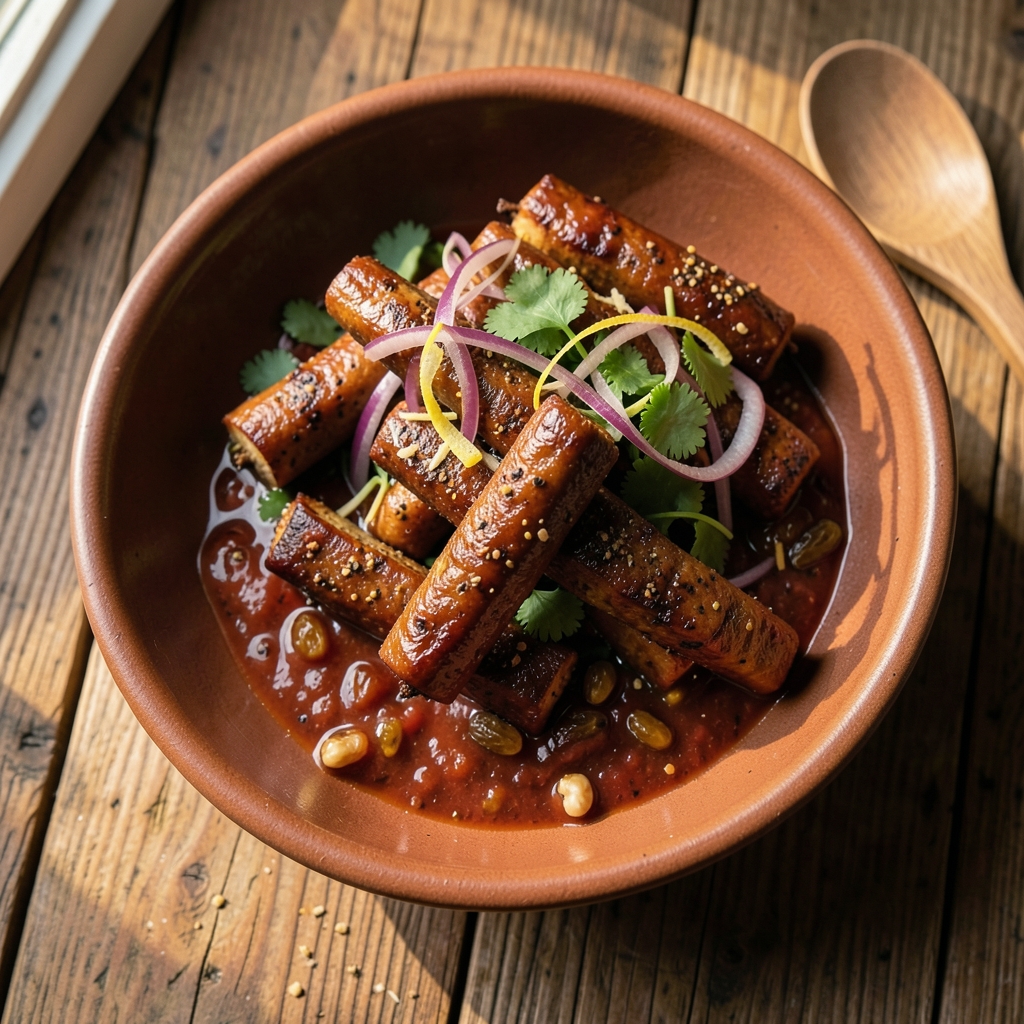
This veg soya seekh kabab recipe proves plant-based bites can deliver the same smoky, spiced satisfaction as traditional versions—without any meat. The secret lies in soy chunks that mimic texture while absorbing bold flavors like cumin, coriander, and garam masala.
I developed this after years of testing soy-based alternatives, and it never fails to impress even the most skeptical eaters.
What makes these kababs special is their foolproof technique: a marinade that tenderizes the soy while building deep, aromatic layers, followed by a quick sear on a hot tawa or grill.
The result is a dish that’s rich in flavor, satisfying in texture, and packed with protein—perfect for weeknight dinners or festive gatherings. No special equipment is needed, just patience for the marinating process.
By the time you serve these golden-brown kababs with mint chutney and warm naan, you’ll have a restaurant-quality meal that’s completely plant-based. The smoky aroma alone will have everyone asking for seconds, while the tender yet firm texture proves soy can deliver on every front. This is comfort food reimagined.
Serve with classic sides like raita or cucumber salad, or pair with a cooling yogurt dip for balance. The recipe scales beautifully for parties, and leftovers reheat just as well. Here’s how to make them perfectly every time.
Ingredients for veg soya seekh kabab
Bold spices meet plant-based protein in this smoky, satisfying vegan kabab recipe.
| Ingredient | Amount | Notes |
|---|---|---|
| Extra-Firm Tofu Soy Chunks 🌱 | 1 lb | Firm texture for best texture mimicry |
| Garam Masala 🌶️ | 2 tbsp | Freshly ground for maximum aroma |
| Ground Cumin 🌿 | 1 tbsp | Toasted for deeper earthy flavor |
| Ground Coriander 🌿 | 1 tbsp | Freshly ground preferred |
| Smoked Paprika 🌶️ | 1 tbsp | For that classic seekh kabab smokiness |
| Fresh Ginger 🧄 | 1 tbsp | Grate finely for zing |
| Garlic Cloves 🧄 | 6 cloves | Minced for even distribution |
| Lemon Juice 🍋 | 2 tbsp | Freshly squeezed for brightness |
| Extra-Virgin Olive Oil 🫒 | 2 tbsp | For binding and richness |
| Fresh Mint Leaves 🌿 | ¼ cup | Chopped for garnish and freshness |
| Fresh Cilantro 🌿 | ¼ cup | Chopped for vibrant finish |
| Sea Salt 🧂 | 1 tsp | Kosher preferred for even seasoning |
| Black Peppercorns 🌶️ | ½ tsp | Freshly cracked for heat |
| Breadcrumbs 🍞 | ¼ cup | Panko for extra crispiness |
The soy chunks are the heart of these kababs—look for extra-firm tofu soy chunks at Indian specialty stores or well-stocked grocery freezer sections. Patel Brothers or Spicewalla carry excellent options, or check the Asian aisle at Whole Foods. Freshly ground garam masala makes all the difference; Penzeys or M.P. Birla are reliable brands. Toast your cumin and coriander in a dry pan for 30 seconds before grinding—this deepens their flavors dramatically. The ginger and garlic should be fresh, not jarred, for maximum punch. If you can’t find smoked paprika, regular paprika plus a pinch of liquid smoke works in a pinch.
No garam masala? Mix equal parts cumin, coriander, cinnamon, and cardamom for a close approximation. Fresh herbs wilt fast—store mint and cilantro in damp paper towels in the fridge for up to 5 days. For extra smokiness, add 1/4 tsp of chipotle powder to the marinade. The breadcrumbs help create that classic kabab crust; panko gives the best texture. If you’re short on time, substitute crushed potato chips for a quick crunch. The soy chunks can be pre-cooked by boiling for 5 minutes to reduce cooking time later.
Marinated kababs keep in the fridge for 3-4 days, though they’re best enjoyed fresh. For longer storage, freeze cooked kababs for up to 3 months—reheat in a skillet or oven until crispy. These reheat beautifully, making them perfect for meal prep. Portion into single servings before freezing for easy grab-and-go meals. The marinade can be made a day ahead and stored in an airtight container in the fridge, saving you time on cooking day.
Why You’ll Love This Recipe
- No-Fuss Mix-In: I swear by this recipe because it’s literally a handful of spices—cumin, coriander, and that smoky paprika—mashed into tofu chunks. No chopping, no blending, no stress. Just press, coat, and pan-fry.
- Smoky, Spiced Magic: That smoked paprika and garam masala? It turns bland tofu into something ridiculously flavorful—like a charred, aromatic hug in every bite. The outside gets a little crisp, the inside stays tender, and honestly? It’s the closest I’ve gotten to meaty texture without the meat.
- Weeknight to Party: These kababs are my secret weapon for when I’m too tired for a full meal but still want to impress. Toss them on skewers for a quick weeknight dinner, or serve them at room temp with mint chutney at a potluck—no one will guess they’re vegan.
- Budget Meal Prep: A block of extra-firm tofu and a few spices cost pennies, and these keep perfectly for days in the fridge. Double the batch, freeze half, and thank me later when you’re reheating a satisfying, protein-packed snack mid-afternoon slump.
Step-by-step instructions for veg soya seekh kabab
Transform simple ingredients into flavorful, plant-based kababs with this straightforward method.
Prepare the Spice Blend and Ginger-Garlic Base
In a small bowl, combine the 2 tablespoons garam masala, 1 tablespoon ground cumin, 1 tablespoon ground coriander, and 1 tablespoon smoked paprika. Mix thoroughly to create a cohesive spice blend—this is the foundation of your kababs’ smoky depth. Set aside for now.
Peel and finely grate the 1 tablespoon fresh ginger using a microplane or fine grater. Mince the 6 cloves garlic with a sharp knife or pulse briefly in a food processor. In a separate small bowl, mix the ginger and garlic with the 2 tablespoons lemon juice and 1 teaspoon sea salt. Let this sit for 5 minutes to allow the flavors to meld together.
Press and Season the Tofu Soy Chunks
Place the 1 pound extra-firm tofu soy chunks on a clean kitchen towel or paper towels. Press firmly with another towel to remove excess moisture—this step is crucial for binding the kababs later. Pat dry thoroughly, ensuring no surface moisture remains.
In a large bowl, combine the pressed tofu soy chunks with the ginger-garlic mixture, the spice blend, and 0.5 teaspoon freshly cracked black peppercorns. Use your hands to gently but thoroughly mix everything until the tofu is evenly coated. Avoid overworking the mixture, as this could make the kababs dense.
Bind and Shape the Kababs
Add the 2 tablespoons extra-virgin olive oil to the bowl and mix again until the tofu is lightly oiled. This oil helps bind the mixture and adds richness. Gradually incorporate the 0.25 cup breadcrumbs, tossing gently until the mixture holds together when pressed between fingers. If it feels too dry, add 1 teaspoon water at a time until it forms a pliable, slightly sticky dough.
Divide the mixture into 4 equal portions (about 4 ounces each). Roll each portion into a 4-inch long log, sealing any cracks with wet fingers. Place the kababs on a parchment-lined plate, cover with plastic wrap, and refrigerate for 30 minutes to firm up. This chilling step ensures they hold their shape when cooking.
Cook to Golden Perfection
Preheat your oven to 375°F. Line a baking sheet with parchment paper and lightly grease it with olive oil. Arrange the chilled kababs on the prepared sheet, spacing them 1 inch apart for even browning. Bake for 20-25 minutes, flipping halfway through, until they develop a deep golden brown crust and internal temperature reaches 165°F when checked with an instant-read thermometer.
For extra crispiness, transfer the kababs to a skillet over medium heat for 2-3 minutes per side after baking. This step enhances the texture while keeping the centers tender. Garnish immediately with chopped 0.25 cup fresh mint leaves and 0.25 cup fresh cilantro for a vibrant finish.
Serve with Confidence
Let the kababs rest for 5 minutes before serving to allow juices to redistribute. These plant-based bites should be firm yet tender, with a crisp exterior and smoky, aromatic interior. Serve warm with tamarind chutney or mint yogurt sauce for dipping, or skewer them for a chargrilled experience.
Real talk: The key to success lies in the pressing and binding steps. Skimp on either, and your kababs will fall apart. But when done right, these veg soya seekh kababs deliver all the satisfying texture and bold flavors of traditional seekh kababs—without any meat.
Pro Tips For Making Veg Soya Seekh Kabab
- CRUSH THE TOFU FIRST: Press those soy chunks for 15 minutes under a heavy pan—no skimping. I learned this the hard way when my first batch fell apart in the pan because I thought “extra-firm” meant it was already ready. The water has to all go out, or your kababs will turn to mush when you try to shape them.
- SEAR IN BATCHES OR REGRET: Crowd the pan, and you’ll steam your kababs instead of sear them. Use a nonstick skillet and cook in 2-3 batches—yes, it takes longer, but you’ll actually get that caramelized crust you’re after. I used to rush this and ended up with sad, pale patties that tasted more like a sad salad.
- SMASH THE SPICES: Don’t just sprinkle garam masala and call it done. Toast the ground cumin and coriander in the dry pan for 30 seconds first—it wakes up their flavor. Then mix them into the tofu with wet ingredients (like yogurt or mashed potato binder) before shaping. This isn’t just about taste; it’s about making sure every bite has depth, not just dust.
- LET THEM REST (YES, REALLY): Shape your kababs, then pop them in the fridge for 10 minutes. Cold hands make for crumbly kababs, and skipping this step means they’ll fall apart when you flip. I know, I know—you’re eager to eat them. But trust me, 10 minutes now saves you from a greasy mess later.
Regional styles of these flavors
North Indian Style
In North India, seekh kababs are traditionally skewered and grilled over charcoal, giving them that signature smoky aroma. I’ve adapted this by baking the kababs first for even cooking, then finishing them in a skillet to mimic the charred flavor.
For an authentic touch, use wooden skewers soaked in water for 30 minutes—this prevents burning. Serve with tamarind chutney and red onions for that classic street-food vibe. 🌶️
Mumbai Street Food Twist
Mumbai’s bustling streets are famous for their crispy, spicy kababs. To nail this version, add 1 teaspoon chaat masala to the marinade for a tangy kick. For extra crunch, coat the kababs in crushed potato chips before baking.
Garnish with fresh coriander and a squeeze of lemon. This version is perfect with spicy green chutney for dipping. 💛
Punjabi Home-Style
In Punjabi households, kababs are often slow-cooked in a tawa (flat griddle) until caramelized. For a home-style touch, cook the kababs on a cast-iron skillet over low heat for 10-12 minutes, basting with 1 tablespoon melted ghee halfway through.
This adds a rich, buttery depth. Serve with butter naan and a side of raita to balance the heat. ⚡
Bengaluru Fusion
Bengaluru’s food scene loves bold flavors with a modern twist. For a fusion take, blend 1 teaspoon coconut flakes into the marinade for a subtle sweetness. Add ½ teaspoon turmeric for color and earthiness.
Serve these kababs with mint-coriander chutney and coconut rice for a South Indian-inspired meal. This version is lighter yet packed with layered flavors. 🌱
Hyderabadi Spiced
Hyderabadi cuisine is all about slow-cooked, aromatic dishes. For this regional style, marinate the kababs for 4-6 hours (or overnight) to let the spices deepen. Add ½ teaspoon shahi jeera (caraway seeds) and ¼ teaspoon nutmeg to the spice blend.
Cook them on a tandoor-style grill pan for a smoky finish. Pair with mirchi ka salan (chili curry) for a Hyderabad feast. 🔥
Nutrition facts
Frequently asked questions
Can I make these veg soya seekh kababs without breadcrumbs?
If you’re out of breadcrumbs, try crushed potato chips for extra crunch or ground flaxseed mixed with water (1 tbsp flax + 3 tbsp water) as a binder. For texture, finely chopped walnuts or almonds work well too. Just ensure your mixture holds together when shaped.
How do I prevent the kababs from falling apart when cooking?
Proper pressing of the soy chunks is key—remove all excess moisture before mixing. Chill the shaped kababs for 30 minutes before cooking to firm them up. For extra stability, add 1 tbsp cornstarch to the marinade or lightly coat them in egg wash (if not vegan) before baking. Handle gently when flipping!
What’s the best way to store leftover veg soya seekh kababs?
Store cooked kababs in an airtight container in the fridge for up to 4 days. Reheat in a skillet over medium heat for 3-4 minutes per side to restore crispiness. For longer storage, freeze them for 3 months—thaw overnight in the fridge before reheating.
Can I make these kababs in an air fryer instead of the oven?
Yes! Preheat the air fryer to 375°F and cook for 8-10 minutes, flipping halfway. Spray with olive oil mist before cooking for extra crispiness. The air fryer gives a slightly different texture but works perfectly for smaller batches.
Are these kababs spicy? Can I adjust the heat level?
The recipe has mild heat from smoked paprika and cumin, but you can control spice by reducing the smoked paprika to ½ tbsp or omitting it entirely. For extra heat, add ½ tsp cayenne pepper or 1 tsp green chili paste to the marinade. Always taste the spice blend before mixing with soy!

- Lamb Chops and Mashed Potato Recipe: Herb-Crusted Richness Paired Perfectly - November 9, 2026
- Cool Ranch Pickle Doritos Salad Recipe: Crunchy Chip Base With Creamy Ranch Magic - November 9, 2026
- Roll Cake Recipe: Layers of Vanilla Buttercream Bliss - November 9, 2026