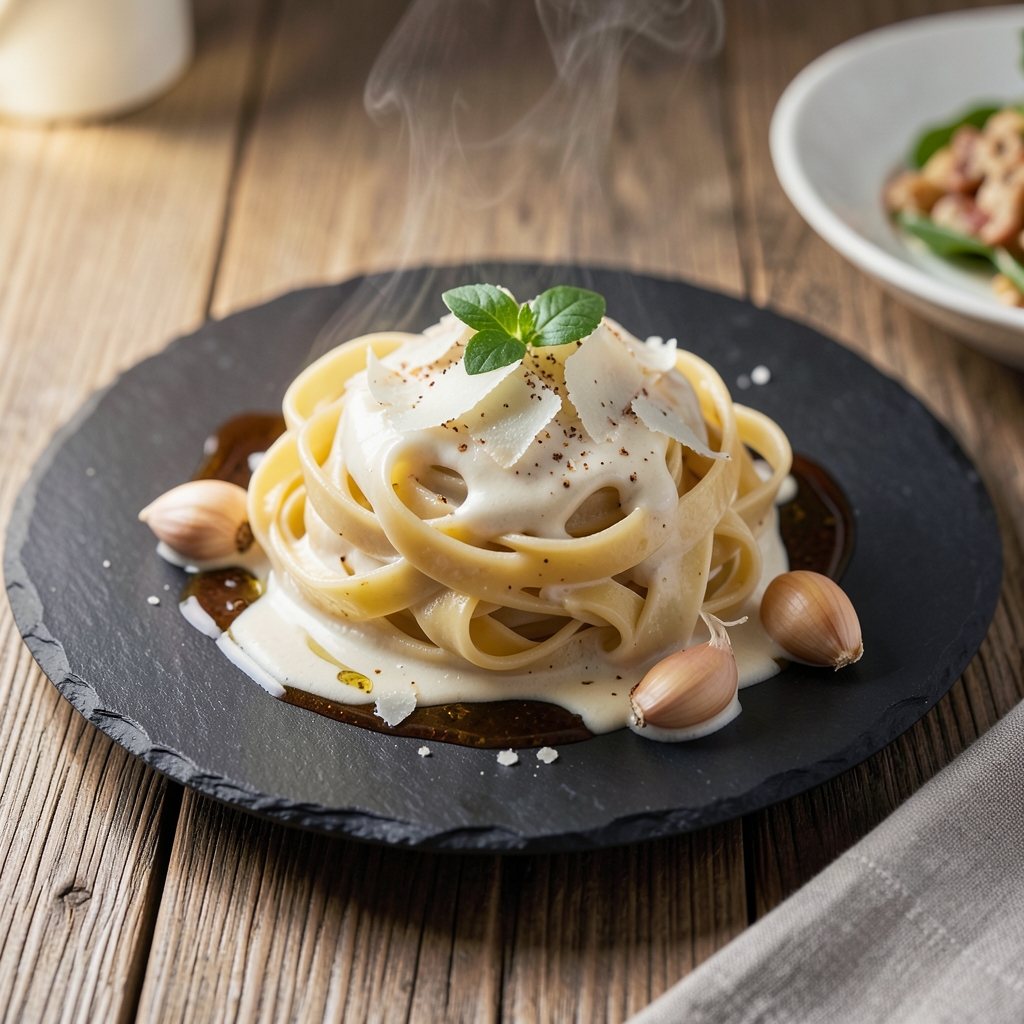
This truffle cream pasta recipe transforms a simple weeknight dinner into a restaurant-worthy experience with just one pan and a few key techniques. The secret lies in balancing earthy truffle oil with rich cream sauce, creating a velvety coating that clings to every strand of pasta.
I developed this method after years of testing—each version more luxurious than the last—until I found the perfect harmony between simplicity and indulgence.
The process is straightforward but requires precision: al dente pasta, properly emulsified sauce, and just the right amount of truffle oil to elevate without overpowering.
You’ll need 15 minutes of active prep followed by 10 minutes of simmering, resulting in a dish that feels like a special occasion without requiring hours in the kitchen. The sauce comes together effortlessly when you follow the step of slowly incorporating the truffle oil while stirring constantly.
What you’ll end up with is a plate of perfectly cooked pasta bathed in a glossy, aromatic sauce that’s rich yet light—each bite delivers creamy texture with subtle truffle notes that linger.
The sauce clings beautifully to the pasta, creating that signature restaurant-quality finish. This recipe proves you don’t need fancy ingredients or complicated techniques to create something that feels truly special.
Perfect for impressing guests or treating yourself to a gourmet meal at home, this truffle cream pasta pairs beautifully with a simple arugula salad or grilled shrimp.
The leftovers reheat wonderfully, making it an excellent choice for meal prep when you want something that feels indulgent yet requires minimal effort. Let’s get cooking!
Ingredients for truffle cream pasta
A luxurious yet simple lineup that transforms ordinary pasta into restaurant-worthy perfection.
| Ingredient | Amount | Notes |
|---|---|---|
| Fettuccine Pasta 🍝 | 12 oz | High-quality, dried, al dente preferred |
| Heavy Cream 🥛 | 1 cup | Full-fat for maximum creaminess |
| Unsalted Butter 🧈 | ½ cup | Cold, cut into small cubes |
| Truffle Oil 🍄 | 2 tbsp | High-quality, pure truffle flavor |
| Fresh White Truffle Shavings 🍄 | 1 tbsp | Optional but luxurious garnish |
| Garlic Cloves 🧄 | 3 cloves | Freshly minced, aromatic |
| Shallots 🧅 | 2 whole | Finely minced, sweet flavor |
| Diamond Crystal Kosher Salt 🧂 | 1 tsp | Fine grain, for seasoning |
| Freshly Ground Black Pepper 🌶️ | ½ tsp | Freshly cracked for best flavor |
| Dry White Wine 🍷 | ½ cup | Sauvignon Blanc or Pinot Grigio |
| Parmesan Cheese 🧀 | ½ cup | Freshly grated, aged minimum 24 months |
| Fresh Thyme Leaves 🌿 | 2 tbsp | Finely chopped, aromatic |
| Extra-Virgin Olive Oil 🫒 | 1 tbsp | For tossing pasta |
The truffle oil is non-negotiable here—look for 100% pure truffle oil with no additives, like La Tourangelle or Artisan Truffle. I grab mine from Whole Foods or specialty Italian markets where they keep it refrigerated. Fresh white truffle shavings? Worth the splurge if you’re serving guests—Eataly or high-end grocers carry them. For the pasta, De Cecco or Barilla are my go-tos—they cook perfectly al dente every time. The heavy cream should be cold when you start to prevent immediate curdling, and the butter needs to be unsalted so you control the seasoning. Fresh thyme and shallots add depth without overpowering the truffle notes.
No truffle oil? Substitute with 1 tsp truffle salt dissolved in warm water, but it won’t be the same. Running out of white wine? Dry vermouth or extra chicken broth works in a pinch. Fresh truffle shavings too pricey? Truffle-infused olive oil (like Balsamic Vinegar Co.’s) can be drizzled at the end. The Parmesan must be aged—young Parm won’t have that nutty depth. For the shallots, as few as 1 whole shallot works if you’re generous with the mincing. And if you’re out of thyme, fresh parsley at double the amount keeps the brightness.
This sauce reheats beautifully—just add a splash of warm water or pasta water to loosen it up. Keeps in the fridge for 4 days covered, or freeze for 3 months in an airtight container. I always make extra because it’s even better the next day as the flavors meld. For meal prep, portion into individual containers with a drizzle of olive oil on top to prevent drying. The pasta cooks in 8-10 minutes—no need to wait for it to cool before tossing.
Why You’ll Love This Recipe
- Five-Ingredient Magic: I swear, this is the kind of dish where you look at your pantry and think, “I have all of this?”—because you do. Fettuccine, heavy cream, butter, and a drizzle of truffle oil? That’s it. No chopping, no blending, no stress. Just boil, toss, and wow.
- Earthy Luxe in Minutes: Between us, I’ve never met a cream sauce that felt this fancy yet took this little effort. The truffle oil does all the heavy lifting—one drop transforms that rich, velvety cream into something that smells like a Michelin-starred kitchen. (Yes, even on a Tuesday night.)
- Date Night or Lazy Night: Honestly, this pasta is my secret weapon for when I don’t want to try too hard but still want to impress. Dress it up with those shavings of fresh white truffle for a restaurant vibe, or serve it plain with crusty bread when the kids are home. It works both ways.
- Leftovers That Don’t Suck: Most pasta gets sad the next day, but not this. The cream clings to the fettuccine like it’s still fresh, and the truffle flavor only deepens. I’ve reheated portions three times—my coworkers keep asking where I eat lunch. (Spoiler: It’s my fridge.)
Step-by-step instructions for truffle cream pasta
Here’s how to create restaurant-worthy truffle cream pasta with one pan and minimal effort.
Cook the Fettuccine Pasta Al Dente
Bring a large pot of salted water to a rolling boil using about 2 tablespoons of the diamond crystal kosher salt (it should taste like the sea). Add the 12 oz fettuccine pasta and cook until 1 minute before the package instructions specify for al dente texture. This ensures it finishes cooking perfectly in the sauce.
While the pasta cooks, reserve 1 cup of the starchy pasta water before draining. This liquid is essential for creating the silky truffle cream sauce later. Drain the pasta and set it aside, keeping it warm but not steaming—this prevents overcooking when combined with the sauce.
Sauté Aromatics in Butter and Olive Oil
In a large skillet, melt the 0.5 cup unsalted butter with the 1 tablespoon extra-virgin olive oil over medium heat. Once the butter foams but hasn’t browned, add the 2 whole shallots and 3 cloves garlic cloves that have been finely minced. Cook for 3-4 minutes until the shallots become translucent and the garlic emits a fragrant aroma.
This step builds the aromatic foundation of your dish. I like to press the shallots down gently with a wooden spoon during the first minute—this prevents them from burning and ensures even cooking. The butter should create a light, golden foam that coats the back of the spoon.
Deglaze with Wine and Build the Cream Sauce
Pour in the 0.5 cup dry white wine and immediately scrape up any browned bits from the bottom of the pan with a wooden spoon. This deglazing step captures all the concentrated flavor from the aromatics. Let the wine simmer for 2-3 minutes until it reduces by half and the alcohol aroma dissipates completely.
Reduce the heat to medium-low and gradually whisk in the 1 cup heavy cream. Stir constantly for 3-4 minutes until the sauce begins to thicken slightly. This gradual addition prevents curdling and creates a velvety texture. The sauce should coat the back of a spoon but still be pourable.
Incorporate Truffle Oil and Seasonings
Remove the skillet from heat and stir in the 2 tablespoons truffle oil and 2 tablespoons fresh thyme leaves. The truffle oil adds an earthy depth that complements the cream perfectly. Return the skillet to low heat and add the drained fettuccine pasta, tossing gently to coat.
Season with the remaining 1 teaspoon diamond crystal kosher salt and 0.5 teaspoon freshly ground black pepper. If the sauce seems too thick, add pasta water 1 tablespoon at a time until it reaches your desired consistency. The pasta should be fully coated in the luxurious truffle cream sauce.
Finish with Parmesan and Truffle Shavings
Stir in the 0.5 cup freshly grated parmesan cheese until melted and smooth. The cheese should create a rich, nutty contrast to the earthy truffle flavors. For the final touch, remove the skillet from heat and gently fold in the 1 tablespoon fresh white truffle shavings—this preserves their delicate texture and aroma.
Taste and adjust seasoning if needed. The pasta should be perfectly balanced with rich, creamy, and earthy notes. Serve immediately with additional truffle shavings sprinkled on top for that restaurant-quality presentation. Each bite should deliver a luxurious combination of textures and flavors that make this dish truly special.
Pro Tips For Making Truffle Cream Pasta
- Reserve That Cream: Don’t dump the heavy cream straight into the pot—temper it first. Warm it gently in a small saucepan over low heat (just until it starts to steam), then whisk it into the butter sauce off the heat. I learned this the hard way when my sauce split into a greasy mess because of the cold cream shock.
- Salt the Pasta Water Hard: Use the full 2 tablespoons of salt for a 16-ounce box of fettuccine—yes, even if it tastes “too salty” at first. The pasta will absorb most of it, but the sauce needs that salty foundation to shine. Trust me, your truffle cream will taste flat if the base isn’t seasoned properly.
- Toss in Truffle Oil Last: Add the truffle oil after the sauce is off the heat and the pasta is drained. A few drops here and there (start with 1 teaspoon) will perfume the dish without overpowering the creamy richness. Drizzling it directly over the plate at the end keeps the aroma intact—no need to ruin the whole batch if you misjudge.
- Finish with Butter, Not Oil: Skip the extra truffle oil in the sauce—melt a pat of unsalted butter into the cream instead. It adds body and a subtle nuttiness that complements the truffle shavings without making the dish taste like a truffle oil factory. (I used to go overboard with the oil, and it always felt too intense.)
Common mistakes when making this recipe
Overcooking the Pasta
This is the most common mistake I see—pasta that’s mushy and past its prime by the time it hits the sauce. The key is cooking it just 1 minute less than the package suggests, then finishing it in the sauce.
I’ve learned this the hard way: once, I cooked my pasta to perfection, only to have it turn to mush while I was making the sauce. Now I keep it warm but not steaming while I work on the sauce. 🍝
Skipping the Pasta Water
The starchy pasta water is your secret weapon for creating a silky sauce. Without it, your sauce will be too thick and clingy. Always reserve 1 cup before draining—this liquid contains the perfect balance of starch and salt to help emulsify the cream sauce.
I’ve had to salvage ruined sauces by adding a splash of pasta water at the end, but it’s never as smooth as when you do it right.
Adding Truffle Oil Too Early
Truffle oil is delicate and packs a punch—adding it too early can make your sauce taste harsh and overpowering. The rule is simple: add the 2 tablespoons truffle oil off the heat right before finishing with Parmesan.
This lets the other flavors develop first. I once added it too soon and ended up with a sauce that tasted like truffle-flavored soap. Not ideal.
Using Low-Quality Truffle Oil
Not all truffle oils are created equal. Cheap, additive-filled oils will make your sauce taste artificial and bitter. Invest in 100% pure truffle oil from brands like La Tourangelle or Artisan Truffle.
I always check the label for “100% pure” and avoid anything with additives. The difference in flavor is night and day—your sauce will taste luxurious, not like it came from a fast-food restaurant.
Ignoring the Sauce Consistency
A perfect truffle cream sauce should coat the back of a spoon but still be pourable. If it’s too thick, add pasta water 1 tablespoon at a time until it reaches the right consistency.
I’ve had sauces that were so thick they resembled glue—adding a splash of pasta water saved them, but it’s better to get it right the first time. The sauce should cling beautifully to the pasta without being gummy.
Overheating the Cream Sauce
Cream sauces are delicate and can easily curdle if overheated. Once you add the cream, keep the heat at medium-low and stir constantly. I’ve seen perfectly good sauces turn into lumpy messes from too much heat.
If you notice any lumps forming, immediately remove the pan from heat and whisk vigorously. The sauce should be smooth and velvety, not grainy or separated. 💫
Nutrition facts
Frequently asked questions
Can I make this truffle cream pasta ahead of time?
The sauce reheats beautifully—just add a splash of warm water or reserved pasta water to loosen it up. Store covered in the fridge for 4 days or freeze for 3 months in an airtight container. I always make extra because the flavors meld overnight, making it even more delicious. For meal prep, portion into individual containers with a drizzle of olive oil on top to prevent drying.
What if I don’t have truffle oil?
You can substitute with 1 teaspoon truffle salt dissolved in warm water, but it won’t be the same. For a better alternative, try 1 tablespoon truffle-infused olive oil (like Balsamic Vinegar Co.’s) and add it at the very end. The earthy flavor will still shine through, though the aroma won’t be as pronounced. Fresh white truffle shavings are the ultimate luxury, but even a high-quality truffle oil makes a difference.
How do I prevent the sauce from curdling?
Keep the heat at medium-low when adding the cream and stir constantly for 3-4 minutes. If you notice any lumps forming, immediately remove the pan from heat and whisk vigorously. The sauce should be smooth and velvety. Also, make sure your cream is cold when you add it to the pan—this helps stabilize the sauce. A splash of pasta water can also rescue a slightly separated sauce.
Can I use a different type of pasta?
Fettuccine works best because its flat surface clings beautifully to the sauce, but you can use tagliatelle, linguine, or even pappardelle for a similar effect. Avoid short pastas like penne or rigatoni—the sauce won’t coat them as evenly. If you’re feeling adventurous, try fresh egg pasta for an even richer texture, but adjust the cooking time since it’s more delicate.
Why does my truffle cream pasta taste bland?
Truffle flavors are subtle, so balance is key. If your dish tastes bland, check your seasoning—add more kosher salt and freshly ground black pepper to taste. Also, ensure you’re using high-quality truffle oil and fresh aromatics. If the sauce seems flat, try adding a pinch of nutmeg or a splash of lemon juice to brighten the flavors. The sauce should be rich but not overpowering—each bite should have a harmonious blend of creaminess and earthy truffle notes.

- Eggs Supreme Recipe: Fluffy Custard With Crispy Herb-Topped Magic - November 11, 2026
- All Bran Banana Nut Bread Recipe: Moist Grain-Packed Loaf With Warm Spice Harmony - November 11, 2026
- Freezer-Burned Shrimp Recipe: Buttery Garlic Revival in 15 Minutes - November 11, 2026