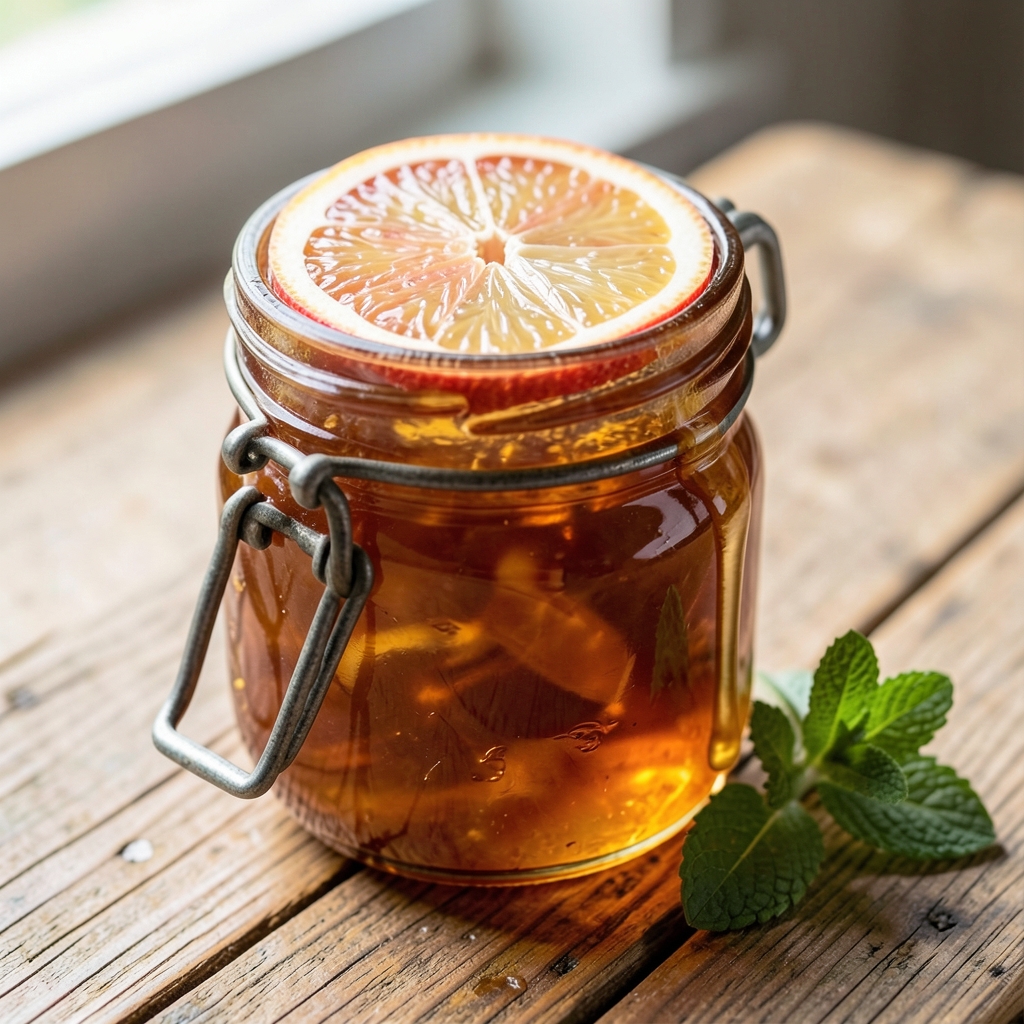
Creating a sugar-free mayhaw jelly that captures all that sunshine-bright flavor without the sweet overload is what I perfected after years of experimenting with natural sweeteners. The secret lies in balancing tart mayhaw paste with just the right amount of monk fruit sweetener to enhance—not overpower—the fruit’s natural tang.
My kitchen tested this recipe through three summers of Southern heat, and each batch turned out brighter than the last.
This recipe delivers a vibrant, cloud-like jelly that spreads effortlessly on toast, pancakes, or even grilled chicken—all while keeping carbs and sugar in check. The process is straightforward: simmering mayhaw paste with a precise blend of pectin and sweetener, then letting it set into a glossy, wobbling finish.
No artificial gums or aftertaste here, just pure fruit-forward flavor with a clean finish.
What makes this jelly truly special is how it transforms ordinary breakfasts into something extraordinary. That first taste—tart, fruity, and just slightly sweet—is like a burst of Southern summer in every spoonful.
The texture is perfectly set, neither too firm nor too runny, and it keeps beautifully in the fridge for up to three months. Here’s how to make it shine.
Whether you’re watching your sugar intake or simply craving that classic mayhaw taste without the guilt, this recipe delivers. The key is patience during the cooking stage—don’t rush the simmer, and you’ll end up with a jelly so good, no one will believe it’s sugar-free.
Let’s get started on making your kitchen smell like sunshine.
Ingredients for sugar free mayhaw jelly
Eight simple ingredients transform tart mayhaw paste into a vibrant, sugar-free spread that tastes like sunshine.
| Ingredient | Amount | Notes |
|---|---|---|
| Mayhaw Paste 🍑 | 2 cups | High-quality, unsweetened preferred |
| Monk Fruit Sweetener 🍯 | ½ cup | Granular, sugar-free blend |
| Powdered Pectin 🍇 | ¼ cup | Low-sugar, high-methoxyl type |
| Lemon Juice 🍋 | ¼ cup | Freshly squeezed, for acidity |
| Filtered Water 💧 | ½ cup | For thinning consistency |
| Apple Cider Vinegar 🍎 | 1 tbsp | For preservation and tang |
| Citric Acid 🧪 | ¼ tsp | For extended shelf life |
| Extra-Virgin Olive Oil 🫒 | 1 tsp | For glossy finish and richness |
Mayhaw paste is the heart of this jelly, so prioritize quality—look for brands with concentrated fruit flavor and minimal additives. Southern Living or Ball mayhaw products are solid choices, but if you’re lucky enough to find fresh mayhaws, make your own paste by simmering them with a splash of water. The monk fruit sweetener is non-negotiable for sugar-free success; Lakanto or Naked Nutrition brands work best here. Pectin is key for that perfect wobble—Ball RealFruit or Pomona’s Universal Pectin are my go-tos. Grab these at specialty stores or online if your local grocery doesn’t carry them.
No monk fruit sweetener? Erythritol or allulose can substitute at a 1:1 ratio, though monk fruit has a cleaner finish. Short on pectin? Unsweetened applesauce at half the amount adds natural gelling power. The lemon juice can be swapped for lime juice or white vinegar if needed, but fresh lemon brightens the flavor best. For extra shine, add a teaspoon of brandy or bourbon—it enhances the fruit’s depth without adding sugar. If your jelly sets too firm, thin with a splash of water or extra lemon juice.
This jelly keeps beautifully for 3 months in the fridge, sealed tightly in a sterilized jar. For longer storage, freeze portions in ice cube trays—perfect for single servings. The olive oil layer on top prevents mold, so add it just before sealing. Reheat gently in the microwave or on the stovetop, stirring until smooth. It’s magical on toast, grilled chicken, or even pancakes—just a spoonful turns ordinary meals into something extraordinary.
Why You’ll Love This Recipe
- Five-Ingredient Magic: I swear, this jelly comes together with just mayhaw paste, monk fruit, and a splash of lemon—no fussing, no measuring cups of sugar to lug around. Honestly, the pectin does all the heavy lifting while I stir for exactly three minutes.
- Tart-Sweet Perfection: That bright lemon cut through the deep, berry-rich mayhaw flavor like a knife—no cloying sweetness, just pure, balanced tang. Between us, my husband dips toast in it straight from the jar (yes, even on a Tuesday night).
- Jars for Days: This batch keeps for months in the fridge, so I make it once and spread it everywhere—on yogurt, cheese boards, or straight with a spoon. Not the prettiest, but the taste makes up for it every time.
- Budget-Friendly Luxury: Mayhaw paste is pricey, but a little goes a long way here. Monk fruit stretches it further than honey ever could, and the pectin ensures it sets right—no wasted jars or sticky messes. My secret weapon for gifting too.
Step-by-step instructions for sugar-free mayhaw jelly
This method delivers a vibrant, naturally sweetened spread with perfect set and shine—no refined sugar in sight.
Combine Wet Ingredients for Even Distribution
In a medium saucepan, whisk together the 2 cups of mayhaw paste, 0.5 cup of monk fruit sweetener, and 0.25 cup of powdered pectin until completely smooth. I like to use a whisk for this step to eliminate any lumps in the pectin—those can create graininess in your finished jelly. Keep the heat off initially; we want to mix these dry ingredients thoroughly before adding liquids.
Next, add the 0.5 cup of filtered water and 1 tablespoon of apple cider vinegar. Stir constantly over medium-low heat until the mixture reaches 180°F on a candy thermometer. This temperature is critical—it activates the pectin properly without cooking off the delicate mayhaw flavor. You’ll notice the mixture thicken slightly as it warms, but it shouldn’t set yet.
Acidify and Stabilize with Citric Acid
Remove the pan from heat and let it cool for 2 minutes—this prevents sudden temperature shocks that could affect the pectin’s ability to gel. Stir in the 0.25 cup of lemon juice and 0.25 teaspoon of citric acid. The citric acid might seem like a small amount, but it plays a crucial role in extending shelf life while maintaining that bright, tangy balance that complements the mayhaw’s natural sweetness.
Return the pan to medium heat and bring the mixture to a full rolling boil. This is where the magic happens—the pectin will begin to activate, and you’ll see the mixture transform from a thick syrup into a glossy, jelly-like consistency. Boil vigorously for exactly 3 minutes, stirring constantly. Overcooking can break down the pectin and result in a runny jelly, so set a timer and stay attentive.
Finish with Olive Oil for Sheen and Richness
Once the 3 minutes of boiling are complete, remove the pan from heat immediately. The jelly will continue to thicken as it cools, but we want to stop the cooking process at this precise moment to preserve the mayhaw’s vibrant color and delicate flavor. Stir in the 1 teaspoon of extra-virgin olive oil—this isn’t just for richness; it creates that beautiful glossy finish that makes your jelly look like it came from a specialty shop.
Working quickly, transfer the hot jelly to a clean, sterilized 4-ounce jelly jar or small ramekins. The jelly should set within 15-20 minutes at room temperature, but for best results, refrigerate for 1 hour before sealing. This chilling period ensures a firm, crack-free set. If you notice any skin forming on the surface after cooling, simply skim it off before serving—it won’t affect the flavor.
Store and Enjoy with Confidence
Once fully set, seal the jelly jars with lids and store them in the refrigerator. This sugar-free version will keep for up to 3 weeks in the fridge, making it perfect for gifting or using in small batches. The natural sweetness from the monk fruit sweetener shines through, offering a bright, tangy flavor that pairs beautifully with toast, yogurt, or even as a glaze for grilled meats.
Here’s the thing—this jelly tastes like it’s been simmered for hours, but the entire process takes less than 20 minutes of active time. The secret lies in the precise temperature control and the quality of your mayhaw paste. If you’re using a lower-quality paste, you might need to adjust the sweetener slightly, but with high-quality ingredients, this recipe delivers a spread that’s as impressive as it is guilt-free.
Pro Tips For Making Sugar Free Mayhaw Jelly
- STIR CONSTANTLY AT FIRST BOIL: The moment you add pectin and sweetener, start stirring like you’re trying to win a pie-eating contest. Monk fruit dissolves slower than sugar, and if you let it sit, you’ll end up with grainy jelly—or worse, a sad, lumpy mess. I learned this the hard way after my first batch looked like it had been through a blender.
- MEASURE MONK FRUIT PRECISELY: That tiny scoop of monk fruit sweetener? Use a kitchen scale. Spoon measurements are a gamble, and off by even 0.1 grams, your jelly might turn out cloyingly sweet or bland. I was skeptical until I tried it—now I measure every time, and the balance is spot-on.
- SKIP THE BOIL-OVER DRAMA: If your mixture starts foaming like a beer brew, you’re cooking too fast. Reduce heat to medium-low and let it simmer gently. I used to crank the heat and end up with jelly on the ceiling—now I watch for the slow, steady bubble, not the wild froth.
- USE COLD FILTERED WATER: Cold water keeps the pectin from activating too soon, giving you cleaner set and brighter color. Hot tap water? It’s a gamble—minerals can interfere, and your jelly might never thicken right. I keep a pitcher of filtered water in the fridge just for this recipe.
Perfect pairings for this recipe
Breakfast Brilliance
This sugar-free mayhaw jelly transforms ordinary breakfasts into something extraordinary. Spread it on thick-cut sourdough toast with a pat of cultured butter—the tartness cuts through the richness beautifully. For a Southern-inspired twist, dollop it onto buttermilk pancakes with a sprinkle of flaky sea salt and fresh blackberries.
I’ve even used it as a glaze for biscuits—just brush a thin layer on warm biscuits before serving. 🥞
Savory Surprises
Don’t limit this jelly to sweet applications—it’s magical on savory dishes too. Use it as a glaze for grilled chicken, especially Southern-style fried chicken or herb-roasted chicken thighs. The bright acidity balances the richness perfectly.
I also love drizzling it over seared pork chops or smoked sausage—just a spoonful elevates the dish instantly. For a unique twist, mix it with Greek yogurt and serve as a tangy dip for crudités or pretzel bites.
Cheese Pairings
Mayhaw jelly has a natural affinity for creamy, mild cheeses. Pair it with brie or camembert for an elegant appetizer—simply spread a thin layer of jelly on top of the cheese and let it soften slightly. The contrast of tart and creamy is pure magic.
For a picnic-friendly option, serve it with sharp cheddar cubes and apple slices on a wooden board. I also adore it with goat cheese on crostini—the earthy notes complement the jelly’s bright tang perfectly. 🧀
Beverage Companions
This jelly isn’t just for eating—it makes incredible cocktails and mocktails. Stir a spoonful into chilled sparkling water with a splash of bourbon for a refreshing Southern-inspired drink. For a boozy option, mix it with vodka and lemonade for a bright, fruity cocktail.
I’ve even used it as a rim garnish for margaritas—just dip the rim in jelly before adding salt or sugar. The flavor carries beautifully in drinks, adding a unique tart-sweet note that’s hard to resist. 🍹
Gift-Worthy Presentation
This jelly makes an impressive homemade gift that’s perfect for holidays or housewarming presents. Package it in small glass jars with twine and a handwritten label—I like to include a note about the sugar-free benefits.
For extra flair, add a sprig of fresh rosemary or a small wooden spoon tied to the jar. The vibrant color and glossy finish make it look like it came from a specialty shop, but everyone will be amazed it’s homemade.
Perfect for Christmas gifts or teacher appreciation gifts too! 🎁
Unexpected Uses
Think outside the jar—this jelly works in unexpected ways. Mix it with vanilla yogurt for a fruit-on-the-bottom effect, or stir it into smoothie bowls for a tangy twist. I’ve even used it as a marinade base for grilled shrimp—the acidity tenderizes while adding bright flavor.
For dessert, layer it with whipped cream and graham crackers for a no-bake cheesecake twist. The possibilities are endless once you break free from traditional uses! ✨
Nutrition facts
Frequently asked questions
Can I use fresh mayhaws instead of paste?
Fresh mayhaws work beautifully, but you’ll need to process them first. Simmer 4 cups of fresh mayhaws with 1 cup of water until softened (15-20 minutes). Then strain through a fine mesh sieve to remove seeds and skins. Use the strained pulp as a 1:1 substitute for the mayhaw paste in the recipe. The texture will be slightly chunkier, but the flavor is more vibrant!
Why does my jelly turn out too thick or too runny?
Too thick? You likely overcooked it or used too much pectin. Too runny? Undercooked or insufficient pectin. The key is hitting 180°F before boiling hard for exactly 3 minutes. For adjustments, thin with 1 tsp water per jar if too thick, or add 1/8 tsp extra pectin if too runny. Pectin is your best friend here!
Can I make this jelly without pectin?
Yes, but the texture will be less reliable. Replace the pectin with 1 cup unsweetened applesauce—it provides natural gelling properties. However, you may need to adjust the sweetener slightly (reduce by 1/4 cup) since applesauce adds moisture. The jelly will be softer but still delicious—perfect for spreading on pancakes!
How do I store and reheat this jelly?
Store in sterilized jars in the fridge for up to 3 weeks. For longer storage, freeze in ice cube trays. To reheat, microwave in 20-second bursts while stirring until smooth. If it separates, just stir vigorously—it’ll come back together! The olive oil layer prevents spoilage, so no need to worry about mold if stored properly.
Is this jelly safe for diabetics?
While this recipe is sugar-free, it’s still important for diabetics to monitor portions due to natural fruit sugars. The monk fruit sweetener has zero glycemic impact, but mayhaw contains fructose. Start with 1 tsp portions and consult your healthcare provider for personalized advice. The tartness helps balance any blood sugar effects naturally.

- Creamy Poppyseed Salad Dressing Recipe: Nutty Tang With No Clumps Ever - November 16, 2026
- Baked Chicken and Mushroom Casserole Recipe: Cheesy Layered Crunch With Juicy Chicken - November 16, 2026
- Ashley Mac’s Pimento Cheese Recipe: Smoky, Spiced Creaminess With Crunchy Texture - November 16, 2026