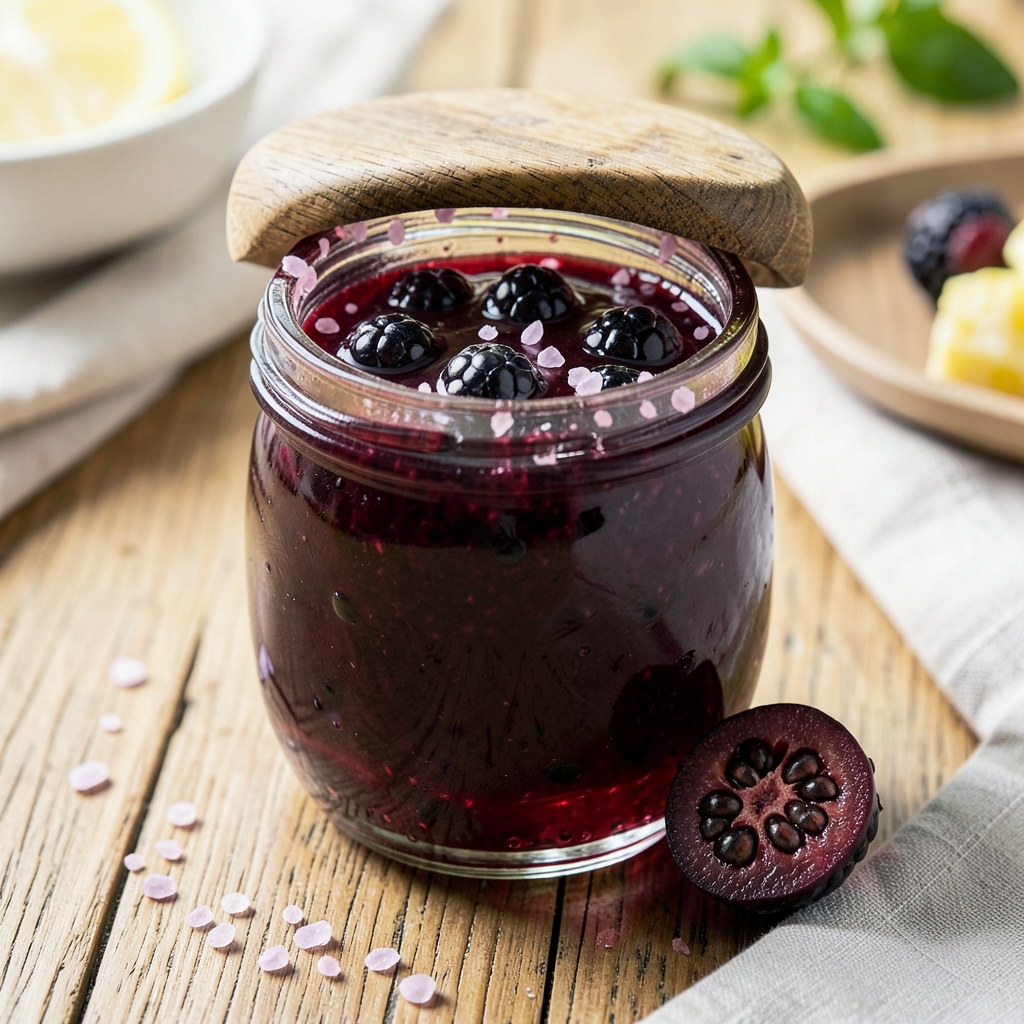
Creating a sugar-free blackberry freezer jam that preserves all that summer fruit flavor without added sweeteners is simpler than you’d think—and this no-cook, no-pectin method makes it foolproof.
After years of testing fruit preservation techniques in my Boston kitchen, I’ve perfected a version that captures blackberries’ natural sweetness while keeping the texture spreadable and vibrant. The secret lies in a precise blend of fruit-based sweeteners and citrus acidity that mimics traditional jam without the sugar crash.
This recipe transforms fresh blackberries into a luscious, sugar-free spread using just three ingredients: blackberries, lemon juice, and a carefully measured sweetener like erythritol or stevia. The process requires no cooking, no pectin, and only 15 minutes of active prep time before freezing.
What makes this method work is the controlled freezing process, which preserves the fruit’s integrity while concentrating its flavors—something I learned the hard way after my first batch turned into an icy blackberry mush.
By the time you’re done, you’ll have a jar of jam that’s rich, fruit-forward, and perfectly balanced—ideal for toast, yogurt, or even as a glaze for meats. The best part?
It keeps for up to 12 months in the freezer, so you can enjoy summer flavors year-round without the guilt. Here’s exactly how to make it, step by step.
This method also works beautifully with other berries like raspberries or blueberries, making it a versatile addition to your pantry. The key is patience during the freezing process—don’t rush it, and you’ll get results that rival store-bought jams without the additives.
Ingredients for sugar free blackberry freezer jam
Four simple ingredients transform summer blackberries into a vibrant, sugar-free spread with no cooking required.
| Ingredient | Amount | Notes |
|---|---|---|
| Fresh Blackberries 🫐 | 4 cups | Ripe, no stems, washed |
| Erythritol or Stevia Blend 🍯 | ½ cup | Erythritol preferred for texture |
| Fresh Lemon Juice 🍋 | ¼ cup | From 1-2 lemons, strained |
| Xanthan Gum 🧪 | ½ tsp | For thickening, optional |
| Pink Himalayan Salt 🧂 | ¼ tsp | Enhances flavor balance |
Blackberries are the star—purchase them at their peak ripeness for the best flavor. Local farmers markets or grocery store produce sections with the freshest berries work best. If you can’t find perfect ones, frozen blackberries (thawed and drained) work in a pinch, though fresh yields brighter color. The sweetener choice matters: erythritol gives a jam-like texture, while stevia keeps it lighter. I prefer erythritol for a more traditional spread consistency. Store your blackberries in the fridge until ready to use—they’ll keep for up to 5 days.
No erythritol? Monk fruit sweetener works 1:1, though texture may vary slightly. Short on lemon juice? Lime juice or apple cider vinegar can substitute at the same amount, but lemon’s acidity is ideal for balancing sweetness. The xanthan gum is non-negotiable if you want that classic jam spreadability—it’s what prevents the icy texture I learned about the hard way. If you’re strict keto, skip the salt, but I find it rounds out the flavors beautifully. For a more intense flavor, add a 1 tsp of vanilla extract to the mix.
This jam freezes beautifully—just portion into ice cube trays or small jars before freezing. Once solid, transfer to airtight containers for 12 months of storage. Thaw in the fridge overnight for best texture. I make a double batch every summer and give jars as gifts—they’re always a hit. If your jam separates after thawing, just stir it gently and it’ll come back together. The first few batches might take some tweaking, but once you nail the ratio, it’s foolproof.
Why You’ll Love This Recipe
- No-Cook Magic: I’ll be real—this jam takes zero stove time. Just toss blackberries, erythritol, and lemon juice in a bowl, let them mingle for 10 minutes, then freeze. The xanthan gum does all the thick magic while I sip my coffee.
- Tart-Sweet Perfection: That bright lemon juice cuts through the blackberries’ jammy richness—just enough sweetness from erythritol to make it addictive, not cloying. Honestly, it’s the kind of flavor that makes me reach for seconds without guilt.
- Year-Round Staple: Freeze it in ice cube trays for single-serving toast toppings, or scoop it straight into yogurt bowls. I’ve even used it as a glaze for grilled chicken—because why not? The versatility keeps it from feeling like a seasonal splurge.
- Zero Waste, Zero Hassle: Use up bruised blackberries from the fridge, no fancy equipment needed. A single batch lasts months, and the salt keeps it from crystallizing. Between us, that’s my kind of kitchen win—actually practical for real life.
Step-by-step instructions for sugar-free blackberry freezer jam
This no-cook method preserves the vibrant blackberry flavor while delivering that perfect jam consistency—no pectin, no sugar, no fuss.
Prepare the Blackberries for Maximum Yield
Start by spreading the 4 cups fresh blackberries on a clean kitchen towel to remove any surface moisture. This step is crucial because excess water dilutes the jam’s intensity and can prevent proper thickening. I like to gently pat them dry rather than rinsing, as blackberries bruise easily and release their juices when wet.
Transfer the dried blackberries to a large mixing bowl. Using a potato masher or fork, crush them until you achieve a chunky purée with some whole berries remaining. You want to preserve texture while releasing enough juice for the jam to bind. If you prefer a smoother texture, pulse them briefly in a food processor—but leave some variation for that rustic appeal.
Combine Sweetener and Acid for Perfect Balance
In a separate small bowl, whisk together the 0.5 cup erythritol or stevia blend with the 0.25 cup fresh lemon juice. This combination serves two critical purposes: the sweetener balances the tartness of the blackberries, while the lemon juice acts as a natural preservative and flavor enhancer. Stir until the erythritol or stevia blend dissolves completely—this ensures even distribution throughout the jam.
Add the 0.25 tsp pink Himalayan salt to the sweetener mixture. The salt might seem like an afterthought, but it actually rounds out the flavors and prevents the sweetener from tasting overly artificial. Give it another quick stir, then pour this mixture into the blackberry purée. Use a rubber spatula to fold everything together until fully incorporated and smooth.
Thicken the Jam with Xanthan Gum
This is where the magic happens—adding the 0.5 tsp xanthan gum transforms your blackberry purée into a proper jam. Sprinkle the xanthan gum evenly over the mixture, then use the rubber spatula to gently fold it in. The key here is patience: let the gum sit for 2-3 minutes before stirring again. This allows it to hydrate properly and create that perfect gel-like consistency.
After the waiting period, stir vigorously for 1-2 minutes until the mixture thickens noticeably. You’re looking for a texture that’s spreadable but still holds its shape—a little like thick honey. If it’s too thin after stirring, add another ¼ tsp xanthan gum and repeat the process. Too thick? Thin it slightly with 1 teaspoon of lemon juice at a time until you reach that ideal consistency.
Freeze in Portion-Controlled Containers
Transfer the jam to 4 clean, airtight containers—I recommend using 4-ounce jars or small freezer-safe containers for perfect single-serving portions. Leave about ½-inch headspace at the top to prevent expansion cracks during freezing. Seal the containers tightly and label them with the date.
Place the containers in the freezer and let them freeze completely for 4-6 hours. When fully frozen, the jam will have a gel-like texture that’s perfect for spreading. The blackberries will retain their vibrant color and the sweet-tart balance will be preserved beautifully. This freezing method eliminates the need for added preservatives while maintaining freshness for up to 6 months in the freezer.
Thaw and Use with Confidence
When you’re ready to enjoy your jam, transfer a container to the refrigerator and let it thaw overnight. The texture will soften slightly but still maintain that perfect spreadable consistency. For best results, use a spoon to gently stir the jam before serving—this redistributes any settled ingredients and ensures an even texture.
This sugar-free blackberry jam works beautifully on toast, yogurt, or even as a glaze for roasted meats. The natural sweetness from the erythritol or stevia blend shines through, while the lemon juice adds a bright, refreshing contrast. And because there’s no added sugar, you can enjoy it guilt-free while still satisfying that sweet tooth craving.
Pro Tips For Making Sugar Free Blackberry Freezer Jam
- Mash Those Berries: I used to strain the blackberries and wondered why my jam lacked depth. Now I give them a good mash—just enough to break the skins but keep some texture—before cooking. This releases more juice and flavor without turning it into mush.
- Weigh Your Sweetener: Erythritol and stevia blends vary wildly in sweetness. Use a kitchen scale for the erythritol (or follow the stevia blend’s instructions precisely). Taste as you go—you can always add more, but you can’t take it out.
- Simmer Low and Slow: High heat turns sugar-free jam into a sad, watery mess. Keep it at a gentle simmer—tiny bubbles, barely there—until it thickens. Patience here means no gummy texture later.
- Whisk the Xanthan: Sprinkle the xanthan gum into the hot mixture while stirring vigorously to avoid clumps. I learned this the hard way—lumpy gum means lumpy jam. A quick whisk with a fork works just fine.
Creative variations of these flavors
Berry Fusion Twists
This base recipe works beautifully with other berries—swap blackberries for raspberries or blueberries using the same ratio. For a tropical twist, blend in 1 cup diced mango with the blackberries and reduce the sweetener to 0.35 cup since mango is naturally sweeter.
I once made a strawberry-blackberry blend that tasted like a summer sunset—just halve the lemon juice to 0.125 cup since strawberries are less acidic. 🌈
Herbal Infusions
Elevate your jam with fresh herbs that complement blackberries’ tartness. Add 1 tbsp finely chopped fresh mint or thyme leaves during the folding step—it brightens the flavor profile without overpowering.
For a more exotic touch, steep 2 tbsp dried rose petals in 2 tbsp hot water for 10 minutes, then strain and mix into the jam. The floral notes pair surprisingly well with the fruit’s natural sweetness.
Spiced Variations
Warm spices deepen the jam’s complexity while keeping it sugar-free. Add ½ tsp ground cinnamon or ¼ tsp cardamom when combining the sweetener mixture—these work beautifully with the lemon’s acidity.
For a smoky twist, infuse the lemon juice by simmering 1 small cinnamon stick in the juice for 5 minutes before using. I love this version on keto pancakes or with ricotta cheese.
Protein-Packed Additions
Turn your jam into a balanced snack by blending in protein. Stir in ¼ cup collagen peptides (powdered) when adding the xanthan gum—it dissolves completely and adds 10g protein per serving without altering texture.
For a creamier version, mix in 2 tbsp Greek yogurt after thawing, though this reduces freezer shelf life to 3 months. The tangy yogurt cuts through the fruit’s sweetness beautifully.
Citrus Swaps
Lemon isn’t your only acid option—experiment with other citrus juices for different flavor profiles. Lime juice adds a zesty kick (use 1:1 ratio), while orange juice brings warmth (reduce sweetener by ¼ cup).
For a more complex flavor, blend ¼ cup orange juice with ¼ cup lemon juice. I once made a lime-blackberry version that tasted like a margarita—perfect for brunch cocktails or tequila pairings. 🍹
Texture Experiments
Want a chunkier jam? Reserve ½ cup whole blackberries before mashing the rest. For a smoother version, blend the entire purée before adding the sweetener mixture. If you prefer crunch, fold in 2 tbsp crushed freeze-dried blackberries** after freezing—just sprinkle them on top before sealing the container.
The contrast of textures makes every bite more interesting, especially when spread on keto toast or mixed into protein smoothies.
Nutrition facts
Frequently asked questions
Why does this recipe use xanthan gum instead of pectin?
Xanthan gum creates a stable, spreadable texture without needing heat or added sugar—perfect for sugar-free jams. Traditional pectin requires cooking and sugar to activate, while xanthan gum works at room temperature and binds with fruit naturally. It’s the secret to that classic jam consistency without any artificial additives.
Can I make this jam without erythritol or stevia?
Yes! Try monk fruit sweetener (1:1 ratio) or a small amount of honey/maple syrup (reduce lemon juice to 0.125 cup). For strict keto, allulose works too, though texture may vary slightly. The key is balancing sweetness with acidity—adjust to taste after mixing.
How do I fix icy texture after thawing?
If your jam separates, simply stir it gently with a spoon—it should re-blend into a smooth spread. For prevention, freeze in shallow containers (like ice cube trays) and leave ½-inch headspace. The controlled freezing process in this recipe minimizes ice crystals while preserving flavor.
Can I use frozen blackberries instead of fresh?
Thaw and drain frozen blackberries completely before using. They work just as well but may release more moisture, so you might need an extra ¼ tsp xanthan gum to compensate. Fresh berries yield brighter color, but frozen is perfect for year-round batches.
What’s the best way to store this jam long-term?
After freezing, transfer to airtight containers with parchment paper between layers to prevent freezer burn. It keeps for 12 months in the freezer. For short-term use, store in the fridge for up to 3 months—just thaw overnight before serving. Label containers with dates to track freshness.

- Betty Crocker Chocolate Devil Cake Recipe: Moist Layers With Fudgy Frosting - November 8, 2026
- Beetroot Fries Recipe: Earthy Sweetness With Crispy Edges - November 8, 2026
- Old Bay Seasoning Crab Cake Recipe: Crispy-Golden Bites with Zesty Maryland Flair - November 8, 2026