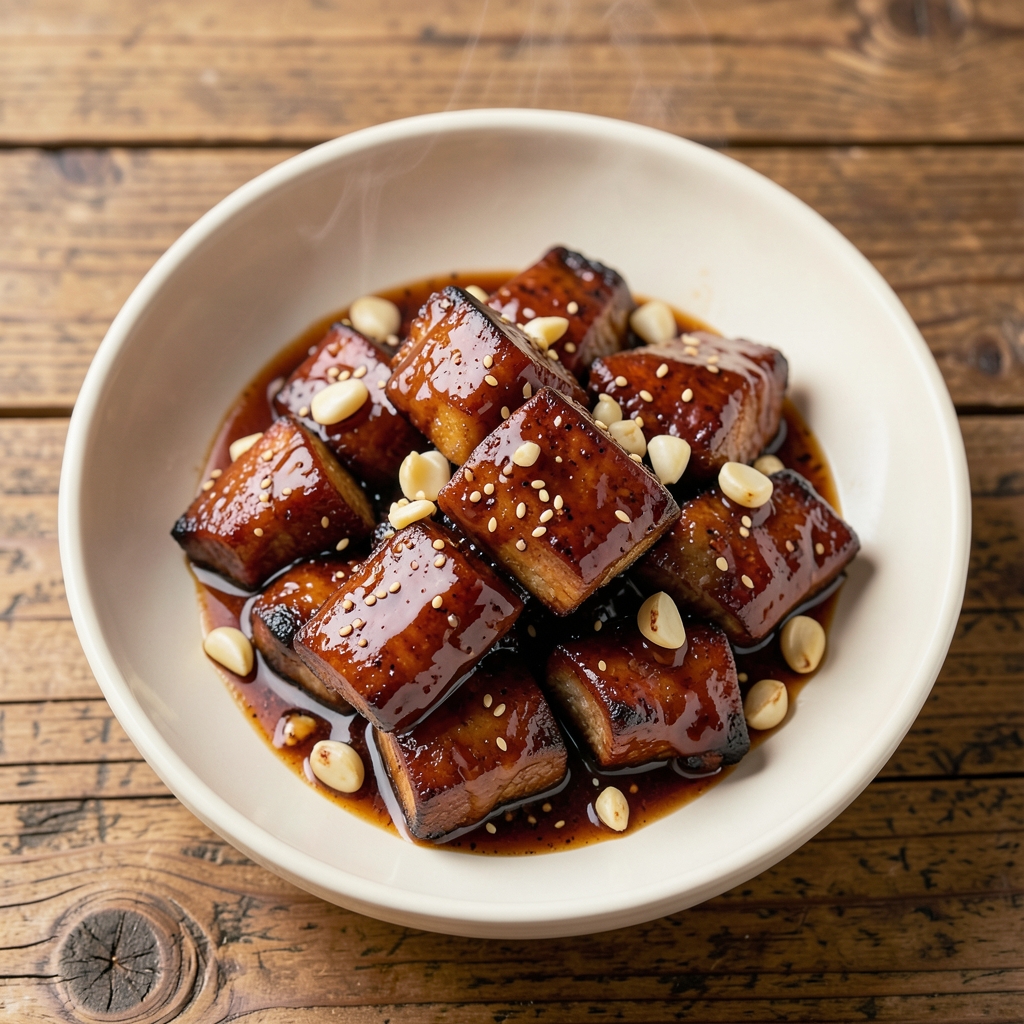
This stir fry ribs recipe delivers restaurant-quality results in just 20 minutes, transforming tough cuts into tender, flavorful bites with a crispy wok-heated crust. I developed this method after years of experimenting with quick-cooking techniques that preserve tenderness while building deep, complex flavors—no slow braising required.
The secret lies in a precise marinade and high-heat stir-frying that caramelizes the edges while keeping the meat juicy inside.
What makes this recipe stand out is the balance of textures and flavors: crispy edges from the wok, tender meat that falls apart easily, and a five-spice crust that adds aromatic depth.
The process is straightforward but requires attention to timing—pre-marinating the ribs for at least 30 minutes (or up to overnight) ensures maximum flavor penetration, while the stir-fry itself takes just 15 minutes of active cooking. No specialized equipment is needed beyond a large skillet or wok.
By the time you plate these ribs, you’ll have a dish that’s rich in umami, slightly sweet from the caramelization, and packed with smoky-sweet five-spice notes. The ribs stay moist despite the high heat, and the sauce (if used) clings perfectly to each piece.
This is the kind of meal that feels indulgent but comes together faster than takeout—ideal for weeknights when you crave bold flavors without the wait.
Serve with steamed jasmine rice or noodles to soak up every drop of the savory sauce, and pair with quick-pickled vegetables for brightness. The leftovers reheat beautifully, making this a perfect make-ahead option for busy schedules. Let’s get cooking—this recipe delivers professional results with minimal effort.
Ingredients for stir fry ribs
Precision-crafted ingredients transform tough ribs into restaurant-quality bites in minutes.
| Ingredient | Amount | Notes |
|---|---|---|
| Beef Ribs (Baby Back) 🥩 | 1 ½ lb | Cut into 1-inch chunks, membrane removed |
| Five-Spice Powder 🌶️ | 2 tbsp | Homemade or high-quality blend |
| Hoisin Sauce 🍶 | ¼ cup | Store-bought or homemade |
| Soy Sauce 🍶 | ¼ cup | Low-sodium preferred |
| Sesame Oil 🫒 | 1 tbsp | Toasted for aroma |
| Garlic Cloves 🧄 | 6 cloves | Minced, fresh preferred |
| Ginger Root 🌿 | 1 tbsp | Finely grated, fresh |
| Honey 🍯 | 1 tbsp | Wildflower preferred |
| Vegetable Oil 🫒 | ½ cup | High smoke point |
| Green Onions 🧅 | ¼ cup | Sliced, white and green parts |
| Sesame Seeds 🌾 | 1 tbsp | Toasted for garnish |
| Jasmine Rice 🍚 | 1 cup | Uncooked, long-grain |
| Diamond Crystal Kosher Salt 🧂 | 1 tsp | For seasoning |
| Ground Black Pepper 🌶️ | ½ tsp | Freshly ground |
The ribs are the foundation—baby back cuts deliver the best balance of tenderness and flavor. Purchase from a reputable butcher or high-quality grocery store like Whole Foods or Costco for optimal marbling and freshness. Trim excess fat to prevent flare-ups during stir-frying, but preserve some for flavor. For the five-spice powder, Penzeys or bulk bins offer superior quality over generic supermarket blends. The hoisin sauce should be thick and glossy—Lee Kum Kee is a reliable brand, but homemade versions with fermented bean paste elevate the dish further. Fresh ginger and garlic are non-negotiable; frozen substitutes lack the aromatic depth required for this technique.
No five-spice powder? Substitute 1 tbsp each of ground cinnamon, cloves, fennel seeds, and star anise for a similar profile. Short on hoisin? Mix 2 tbsp soy sauce with 1 tbsp brown sugar and 1 tsp rice vinegar as an emergency replacement. For the sesame oil, toasted variety adds nutty depth, but regular works in a pinch. The honey can be swapped for maple syrup for a vegan option, though it alters the flavor slightly. Green onions can be omitted if unavailable, but the freshness they bring to the garnish is worth including. Pre-grated ginger or garlic from jars lacks potency—always use fresh when possible, even if it requires extra prep time.
Store uncooked ribs in the coldest part of your fridge for up to 3 days, sealed in an airtight container with a paper towel to absorb moisture. Cooked ribs reheat beautifully in a skillet over medium heat with a splash of water for 3-4 minutes per side, maintaining their crispy texture. The five-spice marinade can be prepped 2 days ahead and stored in a sealed jar in the refrigerator. For optimal freshness, toast sesame seeds in a dry skillet over medium heat for 1-2 minutes just before serving—this enhances their aroma significantly. Portion leftovers into single-serving containers for easy reheating throughout the week.
Why You’ll Love This Recipe
- Here’s what sold me: these ribs taste even better the next day. Pack them up for lunch, toss them in a wrap, or reheat them with a splash of soy sauce—no dry, sad meat here.
- One-Pan Magic: I swear by this recipe because it’s literally one pan, one spatula, and done. No chopping mountains of veggies, no juggling multiple burners—just ribs, a quick sear, and that sticky-sweet sauce doing all the work.
- Flavor Bomb: Between the five-spice powder’s warm cinnamon kick and the hoisin’s deep umami, every bite is ridiculously good. The sesame oil finish? That’s the cherry on top—nutty, bright, and impossible to resist.
- Leftovers That Don’t Suck: Here’s what sold me: these ribs taste even better the next day. Pack them up for lunch, toss them in a wrap, or reheat them with a splash of soy sauce—no dry, sad meat here.
Step-by-step instructions for stir fry ribs with five-spice crunch
Master this wok technique for tender ribs with a fragrant five-spice crust in under twenty minutes.
Prepare the Ribs and Marinate for Maximum Flavor
Cut the 1.5 lb beef ribs (baby back) into 1-inch chunks, removing any connective membranes with a sharp knife. In a large bowl, combine the rib chunks with 2 tbsp five-spice powder, 0.25 cup soy sauce, 1 tbsp sesame oil, 1 tbsp honey, 6 minced garlic cloves, and 1 tbsp finely grated ginger root. Use your hands to massage the marinade into every piece, ensuring even coating. Let the mixture rest for at least 10 minutes—this allows the five-spice blend to penetrate deeply and tenderize the meat.
While the ribs marinate, prepare the jasmine rice according to package instructions using 1 cup jasmine rice and 1 tsp diamond crystal kosher salt. The rice should be perfectly cooked and fluffy, ready to absorb any residual juices from the stir-fry. This step ensures you have a neutral base that won’t overpower the bold flavors of the ribs.
Build the Stir-Fry Base with High Heat
Heat a 14-inch wok or large skillet over high heat until it’s screaming hot. Add 0.5 cup vegetable oil and swirl to coat the bottom evenly. The oil should shimmer and ripple—this indicates it’s ready for the ribs. Add the marinated rib chunks in a single layer, spreading them out to avoid crowding. Stir-fry undisturbed for 3-4 minutes until the edges develop a deep golden-brown crust and the meat releases easily from the pan.
This initial sear locks in juices and creates the foundational crunch. If the ribs stick, gently nudge them with a spatula rather than forcing them. The high heat is critical—it builds the five-spice crust while keeping the interior tender. Once the ribs are browned on one side, flip them and repeat for another 2-3 minutes until evenly caramelized.
Finish with Hoisin and Aromatics
Push the ribs to one side of the wok and add 0.25 cup hoisin sauce, scraping up any browned bits from the bottom with a wooden spoon. These bits, called fond, are packed with flavor. Pour in 0.25 cup sliced green onions and toss everything together for 1-2 minutes until the sauce coats the ribs evenly. The hoisin should glisten slightly, indicating it’s properly incorporated.
Add the ribs back into the sauce and stir-fry for another 30 seconds to ensure every piece is fully coated. The ribs should now have a glossy sheen from the hoisin and a crispy five-spice crust. Taste and adjust seasoning with an additional pinch of ground black pepper if needed. The sauce should balance sweet, salty, and umami notes—this is the hallmark of a well-executed stir-fry.
Garnish and Serve Immediately
Transfer the stir-fried ribs to a serving platter and sprinkle generously with 1 tbsp toasted sesame seeds. The seeds add a nutty crunch that contrasts beautifully with the tender ribs. Serve the ribs immediately over the prepared jasmine rice, ensuring each portion gets a generous helping of both components. The contrast between the fluffy rice and the caramelized ribs creates a satisfying texture profile.
For best results, serve while the ribs are still sizzling hot. The residual heat from the wok keeps the five-spice crust crisp, while the interior remains juicy and tender. Garnish with extra green onions if desired, but the sesame seeds are the star—don’t skip this final touch. This dish is best enjoyed fresh, as the flavors meld and intensify with each bite.
Pro Tips For Making Stir Fry Ribs
- Trim the Fat First: Baby back ribs have a thick fat cap that won’t render cleanly in a stir-fry. Grab kitchen shears and trim it down to ¼-inch—this keeps the meat tender and lets the five-spice powder cling instead of getting lost in grease. (Yes, it’s tedious, but your sauce won’t turn into a greasy sludge.)
- Preheat the Wok: A cold wok means soggy ribs. Get that sucker screaming hot—think smoke starting to rise—before tossing in the beef. The high heat sears the meat fast, locking in juices instead of steaming them out. I used to rush this, and the ribs always came out chewy. Don’t be that person.
- Marinate in Hoisin: Skip the dry rub—slather the ribs in hoisin sauce before stir-frying. The sugar in hoisin caramelizes faster, giving you that glossy, sticky glaze without burning. Let them sit for 10 minutes even if you’re impatient; it’s the difference between “meh” and “wow.”
- Toss in Stages: Ribs in one go? Crowding kills the sear. Work in batches—2 ribs at a time—so they sizzle, not steam. Use a slotted spoon to transfer them to a plate, then crank the heat back up for the next round. Your future self will thank you when the meat stays juicy.
Flavor customization for this stir fry ribs
Sweet Heat Level
Crank up the heat by adding 1 tbsp gochujang (Korean chili paste) or 1 tsp cayenne pepper to the marinade. For a balanced kick, I blend 1 tsp gochugaru (Korean red pepper flakes) into the hoisin sauce before tossing.
This adds smoky-sweet depth with a lingering burn—perfect for spice lovers. 🌶️
Smoky BBQ Twist
Swap the five-spice powder for 1 tbsp smoked paprika and ½ tsp chipotle powder in the marinade. Use ¼ cup BBQ sauce (like Sweet Baby Ray’s) instead of hoisin for a tangy-sweet glaze. The smoky aroma clings beautifully to the ribs, creating a Texas-inspired fusion. 🔥
Umami Bomb Boost
Deepening the umami profile transforms these ribs into a flavor powerhouse. Add 1 tbsp fish sauce to the marinade or stir 1 tsp oyster sauce into the hoisin.
For extra richness, I sometimes toss in 1 tbsp finely chopped dried shiitake mushrooms during the stir-fry. The result? A savory depth that makes every bite unforgettable. 💫
Citrus Zing Finish
Brighten the dish with a 1 tbsp lime juice splash at the end or a 1 tsp grated lime zest in the marinade. The acidity cuts through the richness, balancing the sweetness.
I also garnish with thinly sliced jalapeños for a fresh, spicy crunch. This works especially well with the smoky BBQ variation. 🍋
Herbaceous Garden
Fresh herbs elevate the dish without overpowering. Toss in 2 tbsp chopped cilantro or 1 tbsp Thai basil during the final stir-fry. For a Mediterranean twist, I add 1 tsp dried oregano to the marinade. The herbs add brightness and complexity that complements the five-spice crust beautifully. 🌿
Cheesy Crunch Topping
For a decadent finish, sprinkle ¼ cup shredded sharp cheddar or Parmesan over the ribs in the last minute of cooking. The cheese melts slightly, creating a creamy contrast to the crispy edges. I also add 1 tbsp crushed potato chips for extra crunch—trust me, it’s a game-changer. 🧀
Nutrition facts
Frequently asked questions
Can I use pork ribs instead of beef ribs for this stir-fry?
Yes, but with adjustments! Pork ribs (like baby back) work well, but they’re more delicate than beef. Marinate for 30 minutes max (pork absorbs flavors faster) and reduce stir-fry time by 1-2 minutes per side to avoid overcooking. The five-spice crust will still form beautifully, but pork ribs stay tender at lower temperatures.
Why do my ribs turn out tough instead of tender?
Most likely, you didn’t marinate long enough or didn’t use high enough heat. The five-spice marinade needs at least 30 minutes to tenderize the meat, and your wok/skillet must be screaming hot before adding oil. If using thicker rib cuts, cut them into ½-inch chunks instead of 1-inch for even cooking.
Can I make this recipe without a wok?
A heavy-bottomed 12-inch cast-iron skillet works perfectly. The key is maintaining high heat—preheat your skillet for 5 minutes before adding oil. A stainless steel skillet also works, but avoid nonstick (it can’t handle the high heat needed for that crispy crust).
How do I store leftovers without drying out the ribs?
Store in an airtight container with a damp paper towel on top to retain moisture. Reheat in a skillet over medium heat with 1 tsp water or broth for 2-3 minutes, tossing constantly. Microwaving will make them rubbery. Leftovers keep well for 3 days in the fridge or 1 month frozen.
What’s the best way to adjust this for a crowd?
Double the marinade ingredients and cook in two batches to maintain high heat. Use a 16-inch wok or two 12-inch skillets side by side. Keep the cooked ribs warm in a 200°F oven while finishing the second batch. For serving, use a chafing dish or slow cooker on warm setting.

- Best Cod Fish Recipe Ever: Buttery Pan-Seared Crispness in 20 Minutes - November 11, 2026
- Liver and Onions Recipe: Pan-Sear Perfection With Caramelized Depth - November 11, 2026
- Eggs Supreme Recipe: Fluffy Custard With Crispy Herb-Topped Magic - November 11, 2026