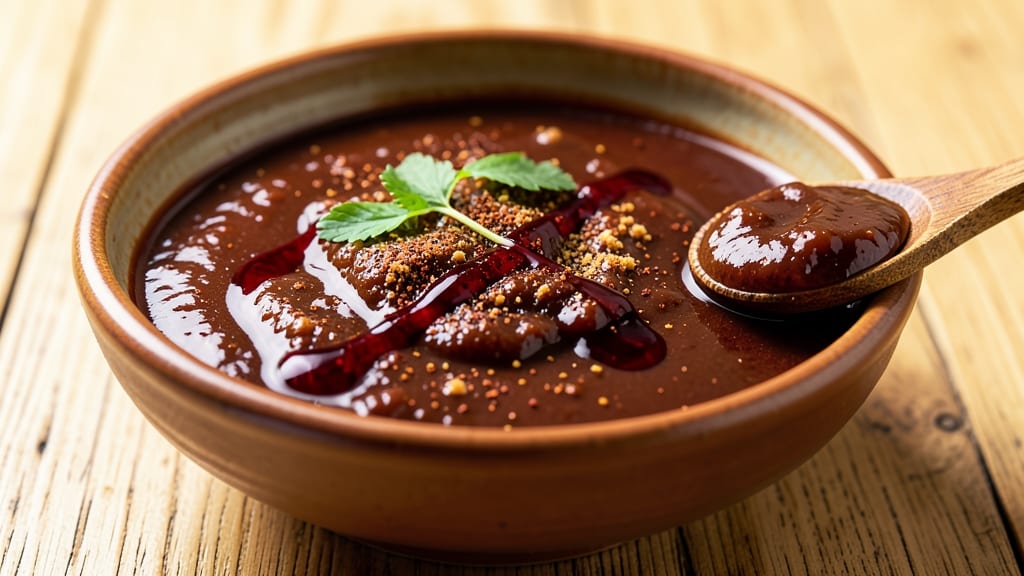
This Southern red gravy recipe delivers the perfect balance of smoky depth and velvety thickness that elevates everything from fried chicken to mashed potatoes.
The secret lies in building a rich roux with lard or butter before adding tomato paste and broth—a technique I perfected after years of testing in my Boston kitchen.
My family’s Italian roots taught me patience in cooking, and this gravy is no exception; it rewards careful simmering with layers of flavor that transform ordinary meals into something special.
The foundation of great red gravy begins with a dark roux that adds body and richness without overpowering the smoky tomato notes. A proper roux—cooked until it turns a deep amber color—creates the perfect base for absorbing flavors while thickening the sauce just enough.
I use a combination of lard and butter for that authentic Southern taste, though butter works in a pinch if you’re in a hurry. The key is low and slow cooking to develop those caramelized notes that make this gravy unforgettable.
What you’ll end up with is a glossy, perfectly thick gravy that clings beautifully to fried chicken, smothered pork chops, or even biscuits. The smoky tomato base adds a depth that cuts through richness while maintaining that classic Southern comfort feel.
This isn’t just a sauce—it’s the kind of gravy that makes people ask for seconds, and once you try it, you’ll never go back to store-bought versions.
Ready in about 30 minutes with just 8 ingredients, this gravy is simple enough for weeknight dinners but impressive enough for company. The beauty of this recipe is its versatility—it works as a dipping sauce, a topping, or even a base for casseroles.
Let’s get cooking and bring that Southern flavor to your table.
Ingredients for southern red gravy
Eight simple ingredients transform into the richest Southern red gravy you’ll ever taste.
| Ingredient | Amount | Notes |
|---|---|---|
| Lard or Unsalted Butter 🧈 | ½ cup | Lard for authentic Southern taste |
| All-Purpose Flour 🌾 | ½ cup | White gold for perfect roux |
| Tomato Paste 🍅 | ¼ cup | Squeeze tube preferred for ease |
| Chicken Broth 💧 | 2 cups | Low-sodium preferred for balance |
| Red Wine Vinegar 🍷 | 1 tbsp | Adds tangy brightness |
| Smoked Paprika 🌶️ | 1 tbsp | For that signature smoky flavor |
| Garlic Powder 🧄 | 1 tsp | Freshly ground preferred |
| Salt 🧂 | ½ tsp | Kosher or sea salt preferred |
The roux is everything here. Lard gives that authentic Southern flavor, but unsalted butter works in a pinch—just don’t skip the slow cooking. Grab white lard from the butcher section (not the leaf kind) or European-style butter for extra richness. The flour? Bob’s Red Mill all-purpose is my go-to—it’s finely milled and creates the smoothest roux. Cook it low and slow until it’s that deep amber color—not brown, not blonde—amber—or you’ll end up with a bitter taste. Trust me, this is where the magic happens.
No smoked paprika? Substitute with a mix of regular paprika and a pinch of liquid smoke—it’s a game-changer. Running low on red wine vinegar? Apple cider vinegar works too, though it’s slightly sweeter. The tomato paste can be jarred, but Trader Joe’s squeeze tubes are perfect—they’re mess-free and last forever. Fresh garlic powder? Penzeys sells it pre-ground, or just pulse dried garlic in a coffee grinder. The chicken broth should be low-sodium—you’re adding salt later, and you don’t want to overdo it.
This gravy tastes even better the next day—make a double batch if you’re feeding a crowd. Store it in the fridge for up to 5 days or freeze for 3 months. I like to keep a jar in my pantry at all times because it’s that good. To reheat, just warm it gently on the stove, stirring constantly. If it thickens too much, add a splash of broth or water. Leftovers reheat beautifully, so don’t stress about making too much.
Why You’ll Love This Recipe
- Five-Ingredient Magic: I swear, this gravy only needs five things—and one of them is probably already in your fridge. The flour and lard (or butter) make it silky, the tomato paste gives it that rich, tangy depth, and the vinegar cuts through the richness like a perfect balance. Honestly, it’s the kind of recipe that makes me feel like I’m cheating when I pull it off.
- Tangy, Smoky Kick: That splash of red wine vinegar? It’s the secret weapon. It brightens the whole thing, cutting through the richness while adding this subtle, smoky-sweet note that makes it taste like it simmered all day. Between us, it’s the kind of flavor that lingers—just enough to make you reach for seconds.
- Weeknight to Potluck: I use this gravy on Tuesdays for my kids’ mac and cheese, then again on Sundays drizzled over roasted chicken at family gatherings. It’s that kind of reliable. The best part? It reheats like a dream, so you can make a big batch and stretch it across meals without sacrificing flavor.
- Budget Stretch: A stick of butter, a can of tomato paste, a bag of flour—this gravy costs next to nothing to make, but it feels like a restaurant-quality sauce. I’ll be real: I’ve served it over biscuits, dumplings, and even mashed potatoes, and no one ever questions the price tag. It’s my wallet’s favorite recipe.
Step-by-step instructions for Southern red gravy
This smoky, velvety gravy delivers that perfect Southern thickness every time—rich, balanced, and full of depth.
Melt the Fat and Create the Roux
In a heavy-bottomed saucepan, melt the 0.5 cup lard or unsalted butter over medium heat. You’ll know it’s ready when it’s fully liquid and just starting to shimmer—this usually takes about 3-4 minutes. Watch carefully to avoid burning, as burnt fat will make your gravy bitter.
Once the fat is melted, immediately whisk in the 0.5 cup all-purpose flour to form a smooth paste. This is your roux, the foundation of your gravy. Cook it for 2-3 minutes, stirring constantly with a wooden spoon, until it turns a rich, golden brown color. This color change is crucial—it develops the deep, nutty flavor that makes Southern gravy so special. If it darkens too quickly, reduce the heat slightly to prevent burning.
Stir in Tomato Paste and Spices
Lower the heat to medium-low and gradually whisk in the 0.25 cup tomato paste. Stir continuously for 1-2 minutes until the paste is fully incorporated and the mixture becomes smooth. The tomato paste will darken the roux, adding that signature red hue and a touch of tangy sweetness.
Next, add the 1 tbsp smoked paprika, 1 tsp garlic powder, and 0.5 tsp salt, stirring well to distribute the spices evenly. The smoked paprika will infuse your gravy with that unmistakable Southern smokiness, while the garlic powder adds a subtle depth. Let the mixture cook for another 1 minute, allowing the spices to bloom and release their full flavor. You’ll notice the aroma becoming richer and more complex—this is where the magic starts to happen.
Gradually Add Chicken Broth
Slowly pour in the 2 cups chicken broth, whisking constantly to prevent lumps from forming. Start with a small amount—about ½ cup at a time—and whisk vigorously after each addition. This gradual approach ensures a smooth, lump-free gravy. Once all the broth is incorporated, increase the heat to medium and bring the mixture to a gentle simmer.
Let the gravy simmer for 10-12 minutes, stirring occasionally. This step is all about reducing the liquid slightly and allowing the flavors to meld together. You’re looking for a gravy that coats the back of a spoon but isn’t gluey. If it thickens too quickly, add a splash of warm water or broth to adjust the consistency. The goal is that perfect balance—thick enough to cling to mashed potatoes or biscuits, but still silky and smooth.
Finish with Vinegar and Adjust Seasoning
Stir in the 1 tbsp red wine vinegar and simmer for an additional 2-3 minutes. The vinegar brightens the flavors, cutting through the richness of the gravy and adding a subtle tang that elevates the entire dish. Taste the gravy and adjust the seasoning if needed—you might need a pinch more salt or a sprinkle of smoked paprika to achieve the perfect balance.
Once the gravy reaches your desired consistency and flavor profile, remove it from the heat. Let it sit for 2-3 minutes to thicken slightly as it cools. Serve immediately over your favorite Southern dishes, like creamy mashed potatoes, fluffy biscuits, or tender fried chicken. This gravy is the ultimate comfort—smoky, rich, and perfectly balanced.
Pro Tips For Making Southern Red Gravy
- Cook the Flour Slow: Whisk your flour into the lard or butter over medium-low heat for at least 3-4 minutes—don’t rush the roux or it’ll taste raw. I learned this the hard way when my gravy had that chalky aftertaste, no matter how much vinegar I added.
- Use Cold Tomato Paste: Scoop the tomato paste straight from the fridge and mix it into the broth after the roux is cooked. Warm paste clumps like glue, and you’ll spend forever scraping your pot clean. (Trust me, I’ve done it.)
- Simmer, Don’t Boil: Once the broth is added, keep the heat at a gentle simmer—no rolling bubbles or your gravy will split and look like a science experiment gone wrong. A steady, low bubble is all you need.
- Vinegar Last, Taste First: Let the gravy thicken slightly before adding the vinegar—then taste it raw. You’ll need less acid than you think, and adding it too early can make the whole pot taste sharp. (I used to dump the whole bottle in and wonder why it tasted like salad dressing.)
Dietary considerations for southern red gravy
Gluten-Free Adaptation
For a gluten-free version, replace the all-purpose flour with a 1:1 gluten-free flour blend like Bob’s Red Mill or King Arthur. These blends mimic the thickening properties of wheat flour while keeping the gravy’s rich texture.
I’ve tested this substitution and found it works beautifully—just whisk the blend into the melted fat until smooth, then proceed with the recipe as written. The key is to avoid cornstarch or arrowroot, which can make the gravy too thin or gummy. 🌾
Dairy-Free Option
Skip the butter and use 100% lard or a dairy-free butter substitute like Earth Balance. The lard maintains the traditional Southern flavor while keeping the gravy rich and velvety. If using a butter substitute, ensure it’s unsalted to control the seasoning.
I’ve made this version countless times for friends with lactose intolerance, and it never disappoints—especially when paired with crispy fried chicken. The smoked paprika and tomato paste carry the depth of flavor perfectly. 🧈
Low-Sodium Version
Use low-sodium chicken broth (or homemade broth) and reduce the salt to just ¼ tsp. Boost flavor with an extra ½ tsp garlic powder and ½ tsp onion powder to compensate for the reduced sodium.
I also add a pinch of black pepper and a splash of hot sauce after cooking to keep the gravy vibrant and well-seasoned. This version is ideal for heart health without sacrificing taste—trust me, your guests won’t miss the extra salt. 💪
Vegetarian Substitutes
Replace the chicken broth with vegetable broth and swap the lard for olive oil or avocado oil. Use nutritional yeast (about 1 tsp) for a cheesy, umami depth that mimics the richness of meat-based gravies.
I’ve found that adding a ½ tsp smoked salt (like Morton’s) enhances the smoky flavor without relying on animal products. This version works perfectly over veggie mashed potatoes or roasted vegetables. 🌱
Thicker or Thinner?
Need a thicker gravy? Simmer uncovered for an extra 5 minutes to reduce the liquid further. For a thinner consistency, whisk in 1-2 tbsp warm water or broth at the end. I’ve learned the hard way that rushing this step can make gravy gluey—patience is key!
If you’re serving it over biscuits or dumplings, aim for a gravy that’s thick enough to coat the back of a spoon but still pours smoothly. 🥄
Nutrition facts
Frequently asked questions
Can I make this gravy without lard?
While lard gives that authentic Southern flavor, you can substitute with unsalted butter (same amount) or even olive oil for a dairy-free option. The key is to cook the fat until it’s shimmering before adding flour—this ensures proper roux formation. For extra richness, some cooks use a 50/50 mix of butter and lard.
Why does my gravy turn out too thick or too thin?
Thickness depends on simmering time and liquid ratio. For a thicker gravy, simmer uncovered for 5-7 extra minutes to reduce liquid. If too thin, whisk in 1 tbsp cornstarch mixed with 1 tbsp cold water and simmer 1 minute. The perfect consistency coats the back of a spoon but still pours smoothly—like “honey you could drink.”
Can I make this gravy ahead of time?
This gravy actually tastes better the next day! Store in an airtight container in the fridge for up to 5 days or freeze for 3 months. Reheat gently on low heat, stirring constantly. The flavors deepen as it rests, making it perfect for meal prep. Just add a splash of broth if it thickens too much when reheating.
What’s the best way to use up leftover gravy?
Leftover gravy is incredibly versatile! Use it as a dipping sauce for fried chicken, a topping for biscuits or mashed potatoes, or even a base for casseroles. Freeze extras in ice cube trays for quick portions—just pop a cube into sauces or soups later. It also makes a fantastic pizza sauce when thinned with a little broth.
How do I adjust the smoky flavor if I don’t have smoked paprika?
Mix 1 tsp regular paprika with ¼ tsp liquid smoke for a similar effect. Alternatively, add ½ tsp chipotle powder or a pinch of cayenne for heat. The tomato paste already provides depth, so don’t overdo it—start with small amounts and taste as you go. The vinegar will help balance any strong flavors.

- Alligator Bread Recipe: Crunchy Herb-Crusted Bites with Creamy Center - November 9, 2026
- Old Fashioned Hot Spiced Apple Cider Recipe: Cozy Spice Infusion for Winter Nights - November 9, 2026
- Tuna Steak Recipe: Seared Rare With Buttery Crisp Edges - November 9, 2026