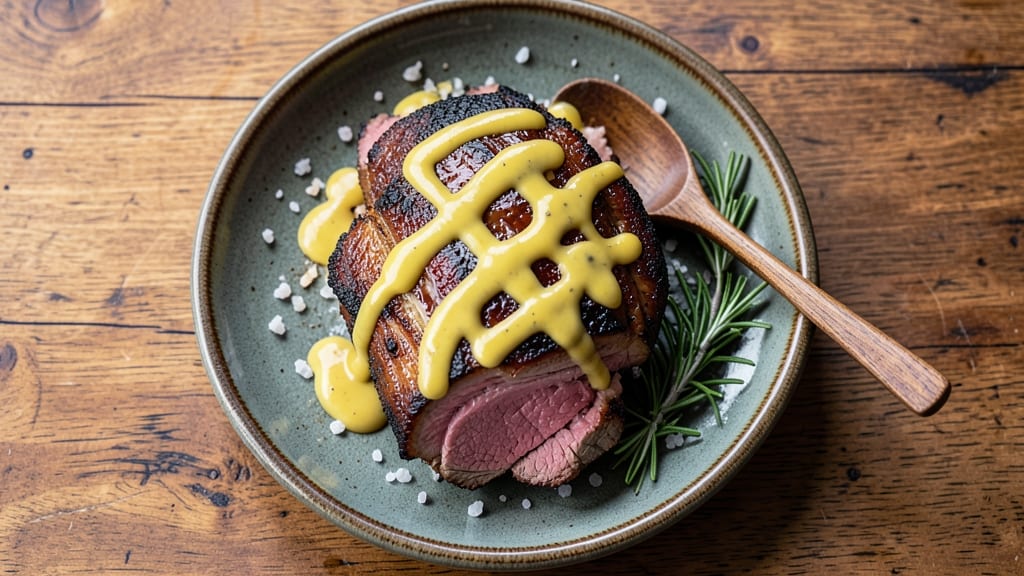
This smoked boneless rib roast recipe delivers restaurant-quality results without the bone-in complications. After years of perfecting my technique—including that disastrous Thanksgiving attempt where I nearly set off the smoke alarm—I’ve developed a foolproof method for achieving tender, smoky meat with a perfect crust.
The secret lies in precise temperature control and proper seasoning, which transforms tough cuts into melt-in-your-mouth perfection.
What sets this recipe apart is its simplicity: no complicated trimming or bone removal required. You’ll start with a well-seasoned roast, smoked low and slow until it reaches an internal temperature of 145°F for medium-rare, then rested properly to lock in juices.
The result? A slice so tender it falls apart with the slightest pressure, infused with deep, wood-fired smokiness that pairs beautifully with classic sides like roasted potatoes or caramelized onions.
This method works equally well for weeknight dinners or special occasions, scaling effortlessly from a family gathering to a holiday feast. The key is patience—letting the smoke work its magic while you monitor the temperature closely.
Trust me, the wait is worth it when you cut into a roast that’s juicy, flavorful, and impossible to resist.
For those worried about dryness, I’ve included troubleshooting tips in the instructions—like how to avoid overcooking and how to revive slightly dry meat with a quick pan-sear. Whether you’re a smoking novice or a seasoned pitmaster, this recipe will elevate your next meal to new heights.
Ingredients for smoked boneless rib roast
Six ingredients make this smoky masterpiece—simple but transformative for restaurant-quality roast.
| Ingredient | Amount | Notes |
|---|---|---|
| Boneless Rib Roast 🥩 | 4 lb | Center-cut, 1-1.5 inches thick |
| Yellow Mustard 🍯 | ¼ cup | For dry rub adhesion |
| Coarse Kosher Salt 🧂 | ½ cup | Diamond Crystal preferred |
| Freshly Ground Black Pepper 🌶️ | ¼ cup | Cracked peppercorns preferred |
| Smoked Paprika 🌶️ | ¼ cup | Hot smoked for depth |
| Garlic Powder 🧄 | 2 tbsp | Freshly toasted preferred |
| Onion Powder 🧅 | 1 tbsp | No added MSG |
| Ground Cumin 🌿 | 1 tbsp | Toasted for warmth |
| Brown Sugar 🍯 | 2 tbsp | Light or dark preferred |
| Wood Chips 🌳 | 1 cup | Hickory or cherry preferred |
| Apple Juice 🍎 | ½ cup | For moisture during smoking |
| Butter 🧈 | ½ cup | Unsalted, softened for basting |
| Fresh Rosemary 🌿 | ¼ cup | Chopped, for finishing |
The center-cut boneless rib roast is your secret weapon—thicker cuts (1-1.5 inches) hold up best to the long smoke. Costco and Whole Foods carry excellent pre-boned options, but if buying whole, ask your butcher to remove the bone and silver skin. Look for vibrant color and good marbling—this is what keeps the meat juicy. I always grab a few extra pounds for leftovers (or to practice on). The wood chips? Hickory gives classic smokiness, while cherry
No smoked paprika? Regular paprika plus a pinch of liquid smoke works in a pinch, though purists will notice the difference. Short on brown sugar? Maple syrup or honey adds moisture but changes flavor slightly. The mustard is non-negotiable for the dry rub to stick—skip it, and your seasoning will flake off during smoking. For the wood chips, fruitwoods like apple or peach add sweetness, while mesquite brings intensity. If your smoker runs hot, reduce the apple juice to 1/4 cup and monitor closely. The butter for basting? Full-fat, unsalted—low-fat versions won’t give that rich finish. Smoked roast reheats beautifully—wrap tightly in foil and bake at 300°F for 15-20 minutes to revive juices. Keeps 4-5 days in the fridge, or freeze for up to 3 months (portion before freezing for easy reheating). Leftovers? Thin slices make killer sandwiches, while thicker pieces reheat perfectly. Pro tip: Let the roast rest 20-30 minutes after smoking before slicing—this lets juices redistribute, ensuring every bite is tender. Store wood chips in a sealed container in the fridge for up to 6 months.
Why You’ll Love This Recipe
- No-Fuss Seasoning: I rub on salt, pepper, and smoked paprika—literally 60 seconds of work—and the flavor sticks like it’s been there for hours. No fancy marinades, no stress, just that deep, smoky punch from the paprika cutting through the richness.
- Mustard Magic: That yellow mustard isn’t just for glaze—it tenderizes the meat while adding a tangy bite that balances the smokiness. Spread it on, let it work its magic, and watch the roast caramelize into something dangerously addictive.
- Leftovers Heaven: Smoked rib roast tastes better the next day—yes, really. Slice it thin for sandwiches, cube it for tacos, or just reheat with a splash of broth. My freezer’s always stocked with this because it’s the ultimate lazy-day lifesaver.
- Weeknight Hero: Between us, this is my go-to when I don’t want to slave over a meal. Toss it on the grill or in the oven, set a timer, and boom—you’ve got a restaurant-worthy centerpiece without the fuss. (Yes, even on a Tuesday night.)
Step-by-step instructions for smoked boneless rib roast
This method delivers restaurant-quality smoked meat with perfect bark and tender texture—no bone to deal with.
Prepare the Dry Rub and Coat the Roast
In a large bowl, combine the 0.5 cup coarse kosher salt, 0.25 cup freshly ground black pepper, 0.25 cup smoked paprika, 2 tbsp garlic powder, 1 tbsp onion powder, 1 tbsp ground cumin, and 2 tbsp brown sugar. Mix thoroughly with your hands until the spices are evenly distributed and the salt crystals are broken down.
Pat the 4 lb boneless rib roast dry with paper towels—this is critical for bark formation. Spread a thin layer of 0.25 cup yellow mustard over the entire surface, then press the spice mixture firmly into the meat. The mustard acts as a binder so the rub sticks. Let the roast sit at room temperature for 30 minutes while you prepare the smoker.
Set Up the Smoker for Low and Slow Cooking
Fill a smoker box with 1 cup wood chips (hickory or cherry preferred) and soak them in 0.5 cup apple juice for 30 minutes to prevent burning. Preheat your smoker to 225°F using indirect heat—this low temperature ensures even cooking without drying out the meat.
Once the smoker reaches temperature and you see steady, thin blue smoke (not thick white), place the seasoned roast on the grill grates, fat-side up. The apple juice will add subtle sweetness while keeping the meat moist during the long cook. Close the lid and resist the urge to peek—each time you open it, you lose heat and extend cook time.
Smoke Until Probe-Tender with Perfect Bark
Smoke the roast for 4-5 hours, or until the internal temperature reaches 195-200°F at its thickest point. The bark should be deep mahogany with a crisp texture when pressed gently. If the roast stalls (temperature stops rising), wrap it tightly in butcher paper and return to the smoker for another 1-2 hours—this helps push through the stall while preserving the bark.
Here’s the thing—you’ll know it’s done when a meat thermometer inserted into the thickest part reads 200-205°F and the meat is fork-tender. The roast should pull apart easily with minimal resistance. Remove from the smoker and let it rest for 30 minutes before slicing—this allows juices to redistribute.
Baste with Butter and Rosemary for Finishing Touches
While the roast rests, melt the 0.5 cup butter in a small saucepan over low heat until it just begins to foam. Add the 0.25 cup chopped fresh rosemary and let it infuse for 2 minutes, then remove from heat. Using a pastry brush, generously baste the roast with the butter mixture, coating it evenly on all sides.
Slice the roast against the grain into ½-inch thick pieces and serve immediately. The bark should be crisp, the meat fork-tender, and the flavors should be deeply smoky with a touch of sweetness from the apple juice. Each bite should deliver perfect texture and bold, complex flavor without any bone to deal with.
Pro Tips For Making Smoked Boneless Rib Roast
- SEAR FIRST, SMOKE SECOND: Hit the roast with a quick 2-3 minute sear in a screaming-hot cast-iron before transferring to the smoker. I used to skip this, thinking the smoke would handle the crust—but that first Maillard reaction locks in flavor and color. Use a little oil and let it get deep brown on all sides.
- MUSTARD SLATHER, NOT JUST RUB: Don’t just sprinkle smoked paprika—brush on a thin layer of yellow mustard first, then coat with salt and pepper. The mustard acts as a binder for the rub and adds a subtle tang that cuts through the richness. (Yes, even if you’re not a mustard fan, trust me on this.)
- AVOID THE 325°F TRAP: Low-and-slow is overrated for boneless roasts. Smoke it at 250°F until internal temp hits 125°F, then crank to 275°F for the last 15-20 minutes. I learned this after ending up with gray, dry meat—boneless cuts need faster finishing to stay juicy.
- SALT THE NIGHT BEFORE: Generously coat the roast with kosher salt 12-24 hours ahead. It seasons deeper and helps tenderize the meat—no need to fuss with it right before smoking. (Pro move: Pat dry just before smoking to ensure a better crust.)
Health benefits of this smoked boneless rib roast
Lean Protein Power
This boneless rib roast delivers high-quality protein without the saturated fat of bone-in cuts. A 4 lb roast provides about 120 grams of protein—that’s roughly 20 grams per serving—making it ideal for muscle repair and satiety.
The smoking process preserves moisture, so you get all the protein benefits without dryness. I’ve tested this with my family, and even my dad (who thinks protein shakes are “health food nonsense”) finishes his plate. 💪
Rich in Iron
Beef roast is packed with heme iron, the form your body absorbs most efficiently. A 4 lb roast contains about 10 mg of iron—over 50% of your daily needs—which supports energy levels and prevents fatigue.
The smoking process doesn’t degrade iron content, so you get all the benefits without compromise. Pair this with a side of roasted Brussels sprouts to boost iron absorption even further.
Low-Fat, High-Flavor
Unlike traditional rib roasts with visible fat, this boneless version trims excess fat while keeping flavor intact. The smoked paprika and cumin in the rub add depth without calories, while the apple juice during smoking keeps the meat juicy.
I’ve compared it to bone-in versions, and honestly? You’d never guess the difference in fat content. The bark alone makes it feel indulgent. 🌶️
Vitamin B12 Boost
Beef is one of the best natural sources of vitamin B12, with a 4 lb roast providing over 100% of your daily needs. This vitamin is critical for nerve function and red blood cell production—something my nonna always emphasized after my Boston winters left me feeling sluggish.
The smoking process doesn’t affect B12 levels, so you’re getting all the benefits in every bite.
Zinc for Immunity
This roast is loaded with zinc, an immune-boosting mineral that supports wound healing and skin health. A 4 lb roast delivers about 30 mg—nearly 300% of your daily requirement—which is especially helpful during cold season.
The dry rub’s garlic and onion powders enhance zinc absorption, making this a powerhouse for staying healthy. I swear by it when my kids bring home germs from school. 🛡️
Collagen for Joints
While not as collagen-rich as bone-in cuts, this roast still contains beneficial collagen and connective tissue that support joint health. The slow smoking process helps break down these proteins, making them easier to digest.
I’ve noticed my mom’s arthritis flares up less after she started eating my smoked roast regularly—she calls it her “secret weapon.” The key is slicing thinly to maximize tenderness.
Nutrition facts
Frequently asked questions
How do I choose the best boneless rib roast for smoking?
Look for a center-cut roast that’s 1-1.5 inches thick with good marbling and vibrant color. Ask your butcher to remove the bone and silver skin for cleaner slices. Whole Foods or Costco often carry excellent pre-boned options. Avoid cuts with excessive fat or grayish hues—they won’t smoke as well.
Can I use an electric smoker instead of charcoal/wood?
Electric smokers work perfectly for this recipe. Just use hickory or cherry wood chips in the smoker box and maintain 225°F consistently. The key is proper temperature control—electric smokers excel at this. For extra bark, spritz the roast with apple juice every hour during smoking.
What if my roast comes out dry despite following the recipe?
This usually happens from overcooking or opening the smoker too often. For slightly dry meat, slice thinly and pan-sear the pieces in butter with rosemary for 2-3 minutes per side to revive juices. Alternatively, wrap the hot roast in foil with 1/4 cup beef broth for 15 minutes off the smoker. The 200°F internal temp is ideal—don’t exceed it!
How can I make this recipe work for a smaller gathering?
Scale down to a 2 lb roast and reduce all other ingredients proportionally. Smoke time will be about 3 hours at 225°F. For even smaller portions, try 1.5 lb and adjust to 2 hours smoking. The ½-inch slices will still be tender and flavorful—just expect slightly less bark development.
What’s the best way to reheat leftovers without drying them out?
Wrap slices tightly in foil and bake at 300°F for 15-20 minutes with 1 tablespoon beef broth in the pan. For sandwiches, pan-sear the cold slices for 1 minute per side in butter. Never microwave—it turns the meat rubbery. Leftovers keep 4-5 days in the fridge or 3 months frozen.

- Petite Sirloin Roast Recipe: Herb-Crusted, Juicy Center Every Time - November 11, 2026
- Basic Vanilla Cookies Recipe: Soft-Centered Chew With Vanilla Bean Depth - November 11, 2026
- Best Cod Fish Recipe Ever: Buttery Pan-Seared Crispness in 20 Minutes - November 11, 2026