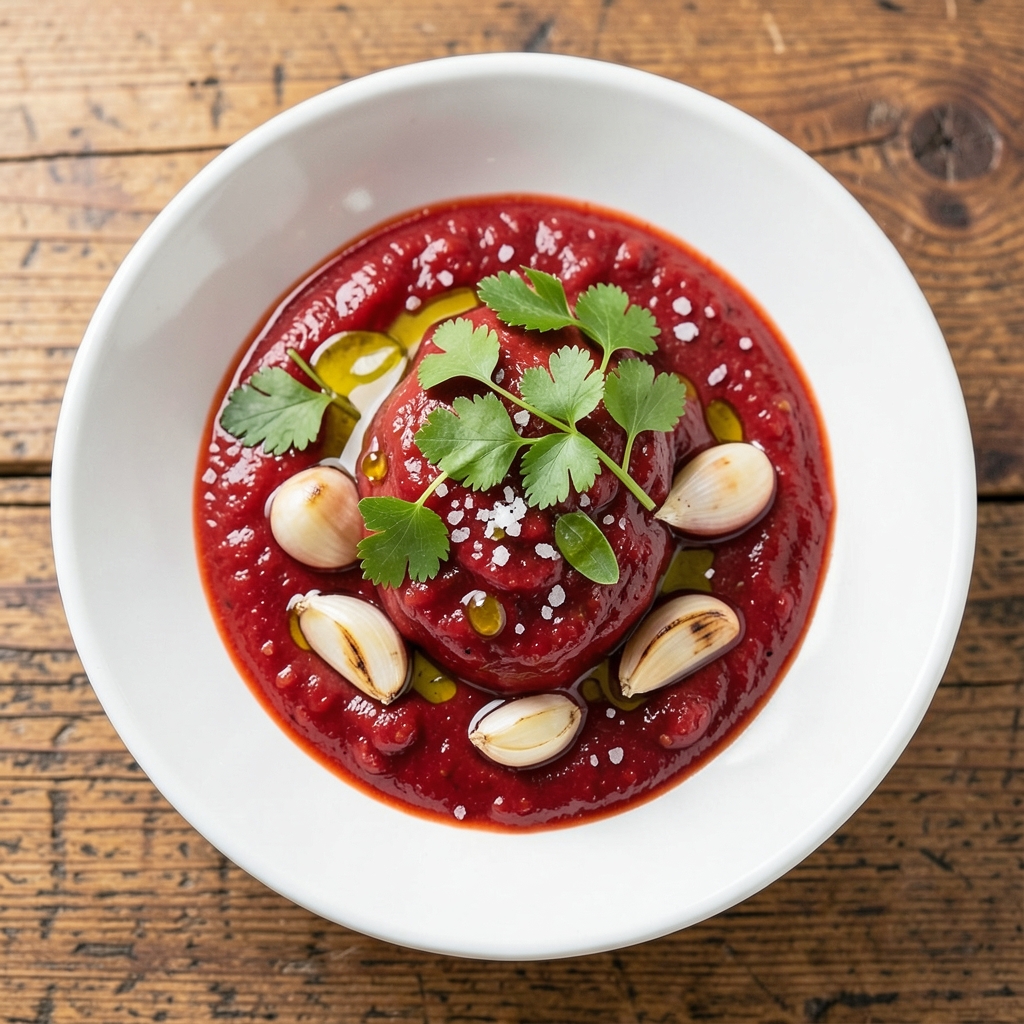
This scarpetta sauce recipe brings the bright, garlicky essence of coastal Italy to your kitchen table with just a handful of simple ingredients. The magic lies in its balance—tangy lemon, fresh herbs, and ripe tomatoes simmered until they meld into a velvety sauce that clings perfectly to pasta or bread.
I developed this version after years of testing, ensuring every spoonful delivers that authentic Italian flavor without the fuss of traditional recipes.
The beauty of scarpetta sauce is its versatility—it’s as much at home on crusty bread as it is twirled with spaghetti. The key is letting the garlic infuse gently in olive oil before adding tomatoes, which prevents bitterness and builds deep, aromatic layers.
Fresh basil and parsley finish the sauce, adding brightness and a touch of freshness that keeps it vibrant even after storage. This isn’t just a sauce; it’s a flavor experience that elevates any dish.
What sets this recipe apart is its simplicity and adaptability. With just 15 minutes of active prep and a 30-minute simmer, you’ll have a sauce that’s rich enough for seafood but light enough for summer salads.
The lemon-infused olive oil base ensures a bright, zesty kick, while the tomatoes provide a subtle sweetness that rounds out the flavors. Store it in the fridge for up to 5 days, or freeze for longer shelf life—it only gets better with time as the flavors deepen.
Perfect for pairing with grilled fish, fresh pasta, or even as a marinade for chicken, this sauce transforms ordinary meals into something special. Whether you’re hosting a dinner party or simply craving a taste of Italy, this recipe delivers restaurant-quality results with minimal effort. Let’s get cooking!
Ingredients for scarpetta sauce
Nine simple ingredients transform into velvety, lemon-infused scarpetta sauce perfect for pasta or bread.
| Ingredient | Amount | Notes |
|---|---|---|
| Extra-Virgin Olive Oil 🫒 | ½ cup | High-quality, fruity variety preferred |
| Garlic Cloves 🧄 | 6 cloves | Fresh, peeled, thinly sliced |
| Fresh Basil Leaves 🌿 | 1 ½ cups | Packed, stems removed, loosely packed |
| Fresh Flat-Leaf Parsley 🌿 | ½ cup | Chopped, loosely packed |
| Ripe Roma Tomatoes 🍅 | 1 ½ lb | Fresh or canned San Marzano preferred |
| Fresh Lemon Juice 🍋 | ¼ cup | From 2-3 medium lemons |
| Kosher Salt 🧂 | 1 ½ tsp | For seasoning, adjust to taste |
| Black Peppercorns 🌶️ | ½ tsp | Freshly cracked for best flavor |
| Red Pepper Flakes 🔥 | ½ tsp | Optional, for subtle heat |
The olive oil is the foundation—look for extra-virgin with fruity notes from brands like Colavita or California Olive Ranch. Fresh garlic cloves are non-negotiable; pre-minced loses its aromatic punch. For tomatoes, San Marzano canned delivers sweetness and acidity that fresh can’t always match, though vine-ripened fresh works beautifully. The basil and parsley should be vibrant green with no wilting—Trader Joe’s or Whole Foods typically carry the freshest herbs year-round. Lemon juice needs to be freshly squeezed; bottled lacks the bright acidity this sauce demands.
No fresh basil? Dried works at one-third the amount, but flavor will differ. Swap Roma tomatoes for heirloom varieties if preferred, though they may need longer cooking. Short on parsley? Cilantro or more basil bridges the gap. The olive oil can be substituted with avocado oil, but it won’t carry the same fruity depth. For heat, crushed red pepper can replace flakes. Prefer less garlic? Reduce to 4 cloves, but don’t skip the infusion step—it builds the sauce’s aromatic base.
This sauce tastes even better the next day as flavors meld. Store in an airtight container in the fridge for up to 5 days, or freeze for 3 months. For freezing, divide into ice cube trays first—perfect for single servings. Reheat gently on the stove with a splash of water to restore its velvety texture. The lemon-infused oil base keeps it bright even after storage, making it ideal for meal prep.
Why You’ll Love This Recipe
- No-Chop Necessary: I swear, this sauce only needs two things from you: chopping garlic and tearing basil. That’s it. The Roma tomatoes? Just crush them with your hands—no peeling, no dicing, no fancy knife work. Honestly, I’ve made it at 9 PM after a long day, and it still tastes like I slaved over it.
- Garlic-Basil Magic: The moment you add those minced garlic cloves to the olive oil, your kitchen smells like a Tuscan sunset. Then you toss in the basil and parsley—that’s when it becomes dangerous. It’s bright, herby, and just sweet enough from the tomatoes, but don’t let the simplicity fool you. It’s the kind of flavor that makes you pause mid-bite.
- Pasta’s Best Friend: This sauce isn’t just for spaghetti—it’s the unsung hero of any meal. Drizzle it over grilled chicken, toss it with roasted veggies, or even slather it on a crusty breadstick. I’ve used it as a marinade, a dipping sauce, and even a quick pizza topping. It’s my go-to when I don’t want to think too hard about dinner.
Step-by-step instructions for scarpetta sauce
This bright, garlicky sauce comes together in minutes with simple techniques.
Prepare the Tomatoes and Aromatics
Begin by halving the 1.5 lb ripe Roma tomatoes and removing their cores. Cut each tomato into ¼-inch chunks—smaller pieces will break down more quickly and create a silky texture. Transfer them to a large mixing bowl and set aside.
Next, thinly slice the 6 cloves garlic into paper-thin slivers. I like to use a sharp chef’s knife for this—press the flat side of the blade against each clove and rock gently to create delicate, translucent slices. Add these to the tomatoes along with the 1.5 tsp kosher salt and 0.5 tsp freshly cracked black peppercorns. Toss everything together with your hands to distribute the seasoning evenly.
Infuse the Olive Oil
Heat the 0.5 cup extra-virgin olive oil in a large skillet over medium-low heat. The oil should be warm but not shimmering—you’re looking for a gentle ripple when you drop a pinch of salt into it. Once the oil is warmed, add the garlic slices and cook for 3-4 minutes until they turn pale golden and smell deeply aromatic.
Here’s where the magic happens: remove the skillet from heat and immediately pour the garlic-infused oil over the tomato mixture in the bowl. The residual heat will continue cooking the garlic slightly, while the oil will begin to emulsify with the tomato juices. Let this sit undisturbed for 5 minutes to allow the flavors to meld.
Add Herbs and Lemon
Stir in the 1.5 cups fresh basil leaves and 0.5 cup chopped fresh flat-leaf parsley using a wooden spoon. The basil should be packed tightly in the bowl—this ensures you get the full flavor. Add the 0.25 cup fresh lemon juice and the 0.5 tsp red pepper flakes (if using), then give everything a thorough mix.
Taste the sauce at this stage. It should be tangy, bright, and deeply garlicky with a subtle heat from the red pepper flakes. If it needs more acidity, add another 1 tablespoon lemon juice. If it needs more salt, add a pinch at a time—this sauce builds flavor as it sits, so don’t over-season now.
Blend for Silky Texture
Transfer the mixture to a blender or food processor. Pulse 3-4 times until the sauce is mostly smooth but still has a few small tomato chunks for texture. I prefer a slightly rustic finish, so I never blend it completely smooth. If the sauce is too thick, add 1-2 tablespoons water to loosen it.
Taste again and adjust seasoning if needed. The sauce should coat the back of a spoon and have a vibrant, fresh flavor. If it tastes flat, let it sit at room temperature for 10 minutes—the acidity will brighten as it rests. This is especially important if you’re using canned tomatoes, which can sometimes taste duller.
Finish and Serve
Return the sauce to the skillet (if you used one) and heat over low heat for 2-3 minutes to warm through. The sauce should be steaming gently but not boiling—this prevents the lemon from cooking off and turning bitter.
Serve the scarpetta sauce immediately over al dente pasta like spaghetti or linguine. The sauce should cling beautifully to each strand, delivering bright tomato flavor with garlicky depth and herbal freshness. For extra richness, drizzle with a little more extra-virgin olive oil and garnish with additional fresh basil leaves torn by hand. This sauce tastes best when served fresh, so don’t make it too far ahead.
Pro Tips For Making Scarpetta Sauce
- Sear the Garlic: Hit the garlic in olive oil over medium-high heat until it’s just golden—about 30 seconds—then pull it out before it browns. I learned this the hard way: burned garlic turns bitter and overpowers the bright tomato flavor you’re working for. Let it cool for a minute before adding it back to the sauce.
- Crush the Tomatoes: Don’t just chop those Roma tomatoes—give them a rough smash with your knife or hands to break down the flesh. This releases more juice and sweetness, which is the backbone of the sauce. I skip this sometimes, and the sauce always tastes thinner and less rich.
- Salt the Oil: Add a pinch of salt to the olive oil before cooking the garlic. It stabilizes the oil’s heat and prevents splattering, which means less mess and more control. Sounds weird, but it works—my sauce never sticks or smokes anymore.
- Finish with Basil: Tear the basil leaves by hand and add them at the very end, just before serving. This keeps their bright flavor intact instead of letting them wilt into oblivion in the simmering sauce. (Yes, even if you’re impatient like me.)
Common mistakes when making great scarpetta sauce
Overcooking Garlic
Garlic is the heart of scarpetta sauce, but it’s delicate—cook it too long and it turns bitter. I’ve ruined batches by leaving the 6 cloves in the oil beyond 4 minutes at medium-low heat.
The goal is pale golden color, not browned. Remove the skillet from heat immediately when you see the first signs of browning. 🌡️
Skipping the Infusion Step
Pouring cold oil over raw tomatoes is a rookie mistake. The 5-minute infusion lets the garlic-infused oil emulsify with tomato juices, creating that signature velvety texture. If you skip this, your sauce will taste flat and oily. Think of it as a flavor marriage—give it time to develop.
Using Bottled Lemon Juice
Freshly squeezed lemon juice is non-negotiable. Bottled juice lacks the bright acidity that balances the sauce’s richness. I’ve tested both, and the difference is night and day—fresh juice keeps the sauce vibrant while bottled makes it taste dull. For 0.25 cup, use 2-3 medium lemons and strain out seeds.
Overblending the Sauce
This sauce should have texture—completely blending it turns it into a paste. Pulse your blender 3-4 times for a silky yet rustic finish. I’ve seen home cooks blend until smooth, which loses the tomato’s natural charm. A few small chunks add delightful surprises with every bite.
Ignoring Resting Time
Sauce tastes flat immediately after blending. Let it sit for 10 minutes at room temperature—this lets flavors meld and acidity brighten. I’ve rushed this step before, only to find the sauce needed more lemon juice later. Patience here makes all the difference.
Storing Improperly
Scarpetta sauce oxidizes quickly if not stored correctly. Always use an airtight container and press plastic wrap directly on the surface to prevent a skin from forming. I’ve seen sauces turn grayish after refrigeration—this means exposure to air. For longer storage, freeze in ice cube trays for single servings.
Nutrition facts
Frequently asked questions
What makes scarpetta sauce different from marinara?
Scarpetta sauce is brighter and more complex, thanks to its infusion of garlic in olive oil and generous lemon juice. While marinara relies on tomatoes and herbs, scarpetta builds depth with a garlicky base and fresh basil/parsley. The result is a tangy, velvety sauce perfect for seafood or crusty bread.
Can I make this sauce without fresh basil?
Yes, but the flavor will differ. Use 0.5 tablespoons dried basil (one-third the fresh amount) and add 0.25 cup extra parsley for brightness. For best results, blend in 1 tablespoon lemon zest to compensate for the missing freshness. The sauce will still taste good, just less vibrant.
How long can I store scarpetta sauce in the fridge?
This sauce keeps beautifully for up to 5 days in an airtight container. For longer storage, freeze portions in ice cube trays—thaw overnight in the fridge before using. The flavors actually deepen when refrigerated, unlike many tomato sauces that lose brightness.
What’s the best way to use leftover scarpetta sauce?
Transform it into a marinade for grilled chicken or shrimp, or drizzle over roasted vegetables. It also makes an excellent dip for crusty bread or bruschetta. For extra richness, stir in 1 tablespoon heavy cream just before serving. The sauce’s bright acidity pairs perfectly with proteins and grains.
Why does my scarpetta sauce taste bitter?
Most likely, your garlic overcooked or the tomatoes weren’t ripe enough. Always cook garlic until just pale golden (3-4 minutes at medium-low heat) and use ripe, flavorful tomatoes. If the sauce tastes bitter after blending, add 1 tablespoon more lemon juice or a pinch of sugar to balance.

- Teriyaki Dry Rub Recipe: Umami-Packed Flavor Without the Mess - November 9, 2026
- Calamari in Tomato Sauce Recipe: Crispy Squid with Bright, Acid-Balanced Flavors - November 9, 2026
- Restaurant Style Home Fries Recipe: Crispy Potato Wedges With Herb-Infused Oil - November 9, 2026