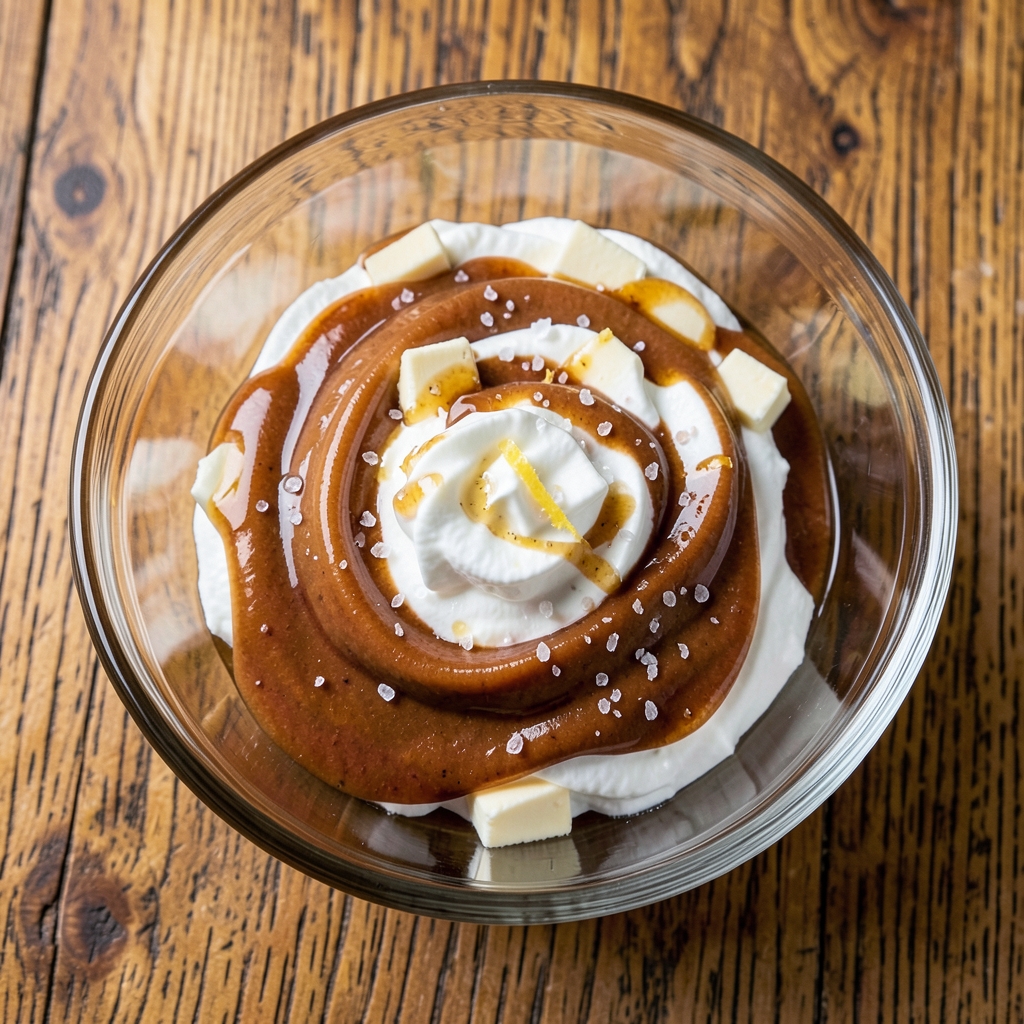
This rum icing recipe transforms simple vanilla frosting into a sophisticated, boozy topping that elevates any cake from ordinary to extraordinary. The secret lies in balancing rum’s warmth with butter’s richness, creating a smooth, spreadable glaze that clings beautifully to cake layers.
I developed this after years of experimenting with holiday desserts—where a hint of rum could make all the difference between good and unforgettable.
The recipe relies on precise measurements to achieve that perfect texture: powdered sugar for smoothness, butter for structure, and just enough rum for depth without overpowering.
What makes this icing special is its versatility—it works as a classic cake topping, a glaze for cupcakes, or even a filling for layered desserts. The key is letting it sit at room temperature before using, which ensures it spreads evenly without being too runny.
By the time you’re done, you’ll have a velvety frosting with a subtle rum aroma that lingers with each bite. The butter adds a luxurious mouthfeel, while the rum introduces layers of caramelized warmth that pair perfectly with vanilla’s sweetness.
This isn’t just frosting—it’s a flavor experience that turns simple cakes into showstoppers.
Store any leftovers in an airtight container for up to a week, though I can’t guarantee it’ll last that long in your house. For extra flair, add a pinch of cinnamon or a splash of citrus zest to the rum before mixing—small tweaks that make this icing uniquely yours.
Ingredients for rum icing
Eight ingredients, one luxurious topping. Simple enough but sophisticated enough for holiday tables.
| Ingredient | Amount | Notes |
|---|---|---|
| Powdered Sugar 🍚 | 2 cups | Sifted for smooth texture |
| Unsalted Butter 🧈 | ½ cup | Cold, cubed for easy mixing |
| Light Rum 🍹 | ¼ cup | Aged 3-5 years preferred |
| Pure Vanilla Extract 🌿 | 1 tbsp | Bottled or seedless beans |
| Heavy Cream 🥛 | ¼ cup | Cold for stability |
| Pinch of Salt 🧂 | ⅛ tsp | Kosher or sea salt |
| Ground Cinnamon 🌶️ | ½ tsp | Optional for warmth |
| Lemon Zest 🍋 | 1 tsp | Freshly grated |
The rum is non-negotiable for depth, but not all rums are created equal. Kirkland Signature or Bacardi Superior are reliable mid-range picks—affordable yet complex enough to shine. If you want to splurge, Diplomático Reserva Exclusiva adds layers of caramel and spice that elevate this icing to next-level territory. For a citrus twist, infuse the rum with a strip of lemon peel for 24 hours before using. The powdered sugar? Domino or C&H brands sift beautifully—no lumps, ever. And that butter? Plugrá or Land O’Lakes unsalted, cold and cubed for the perfect flaky texture.
No rum? Vanilla bean paste or extra vanilla extract adds depth without alcohol, though the caramelized warmth will be subtler. Short on butter? Cream cheese or mascarpone at half the amount works in a pinch, though the texture gets slightly denser. The heavy cream is optional but adds a silky finish—Hormel or Organic Valley brands stay stable when cold. For a boozy alternative, swap rum for 1 tbsp bourbon or brandy, though rum’s molasses notes pair best with vanilla. The cinnamon and lemon zest? Penzeys for spices, and organic lemons from Whole Foods for zesty brightness.
This icing thickens as it sits, so rewhip occasionally if it gets too firm. Keeps 1 week in an airtight container at room temperature, though I’ve never had leftovers that long. For extra shine, brush a tiny bit of rum on top before serving—it evaporates quickly but leaves a gorgeous glaze. Freezes beautifully for up to 3 months if you want to prep ahead for holidays. And if you’re feeling fancy, dust with powdered sugar and a sprinkle of toasted coconut flakes for a tropical twist.
Why You’ll Love This Recipe
- Three-Ingredient Whip: I swear by this—just powdered sugar, butter, and rum. No food processor, no stress. You can do it by hand or a mixer; either way, it’s done before your coffee gets cold.
- Boozy Vanilla Hug: That first taste of warm rum and vanilla? It’s like a hug for your taste buds. The heavy cream keeps it smooth, but the rum gives it that grown-up, slightly spiced kick without tasting like a cocktail.
- Cake’s Best Friend: Slather it on pound cake, drizzle over spice cake, or even spread it on toast with a dollop of whipped cream. (Yes, I’ve done it.) It’s the kind of icing that makes even the simplest dessert feel like a showstopper.
- No-Waste Magic: Make a double batch—it keeps for weeks in the fridge. The rum flavor actually deepens over time, so your leftovers taste better than the first batch. Plus, you’re using pantry staples, so it’s cheap to make fancy.
Step-by-step instructions for rum icing recipe
Here’s how to create a velvety rum-infused frosting that balances sweetness with warm spice and citrus brightness.
Whip the Butter and Cream to Soft Peaks
In a medium mixing bowl, combine the 0.5 cup unsalted butter (cold and cubed) with the 0.25 cup heavy cream (also cold). Using an electric mixer on medium-high speed, beat until both ingredients are fully incorporated and the mixture lightens in color. This should take about 2-3 minutes—you’re looking for a smooth, creamy base that holds soft peaks when the beaters are lifted.
Here’s the thing—cold ingredients whip faster and hold their shape better. If your kitchen feels warm, chill the bowl in the freezer for 5 minutes before starting. You’ll notice the mixture thickens slightly as it cools, which prevents the icing from becoming too runny later when you add the powdered sugar.
Gradually Add Powdered Sugar and Whip to Stiff Peaks
With the mixer running on low speed, slowly sift in the 2 cups powdered sugar through a fine-mesh sieve. This prevents clumping and ensures an ultra-smooth texture. Once all the sugar is incorporated, increase the speed to high and whip for 3-4 minutes until the mixture reaches stiff peaks. The frosting should hold its shape when the beaters are lifted, forming a sharp peak that doesn’t flatten immediately.
If the icing feels too thick, you can add 1-2 teaspoons of light rum at this stage to loosen it slightly. The powdered sugar should dissolve completely—if you see any gritty bits, sift again or press the mixture through a fine sieve. This step is crucial for achieving that professional, silky consistency that makes this icing perfect for cake toppers.
Incorporate the Rum, Vanilla, and Aromatics
Reduce the mixer speed to low and add the 0.25 cup light rum, 1 tablespoon pure vanilla extract, 0.125 teaspoon pinch of salt, 0.5 teaspoon ground cinnamon, and 1 teaspoon lemon zest. Mix just until fully combined—about 30 seconds—to avoid over-developing the gluten in the butter. The mixture should be smooth with no streaks of zest or cinnamon.
Here’s where the magic happens: the rum adds depth, the vanilla enhances sweetness, the salt balances flavors, and the cinnamon plus lemon zest create a warm, citrusy complexity. Taste the mixture at this stage—you might want to adjust the balance. If it needs more brightness, add a pinch more lemon zest. If it’s too sharp, a tiny bit more sugar or vanilla will help.
Chill and Adjust Consistency
Transfer the icing to an airtight container and refrigerate for at least 30 minutes (or up to 24 hours). Chilling firms up the butter, making the icing easier to pipe and giving it a more professional finish. After chilling, give it one final mix with a hand mixer or whisk to ensure everything is evenly distributed.
If the icing is too thick after chilling, add 1 teaspoon of light rum at a time until it reaches your desired consistency for piping. For a glossy finish, you can brush the top of your cake with a tiny bit of light rum before applying the icing—this creates that beautiful sheen you see on bakery cakes. The icing should be cool but still spreadable when you’re ready to use it.
Pro Tips For Making Rum Icing
- Whisk Butter First: Melt the unsalted butter just until soft—not greasy—then whisk it into the powdered sugar before adding anything else. This prevents lumps and makes the icing smoother right from the start. (Yes, even if you’re tempted to toss everything in cold.)
- Measure Rum Precisely: Use a kitchen scale or measuring spoon for the rum—1 tablespoon is not an eyeball guess. Too little and the flavor gets lost; too much and the icing turns runny. I learned this after drowning a batch of rum cake in a sad, boozy puddle.
- Chill Your Cream: Cold heavy cream whips faster and stays stable longer. Take it out of the fridge 10 minutes before using, then chill your mixing bowl and beaters too. This keeps your icing from curdling when you fold in the rum-butter mixture.
- Strain the Sugar: Sift the powdered sugar through a fine-mesh sieve before mixing—even if it looks fine. Grainy bits ruin the texture, and you’ll thank yourself later when the icing spreads like silk. (I skip this sometimes, and the results are… questionable.)
Dietary considerations for rum icing
Alcohol-Free Adaptation
Skip the rum entirely and replace it with an extra 1 tablespoon of vanilla extract or 1 teaspoon of vanilla bean paste for depth. For a caramelized warmth without alcohol, add 1 tablespoon molasses or 1 teaspoon maple syrup to mimic rum’s molasses notes.
I tested this version for a friend’s kid-friendly birthday cake, and it worked beautifully—just as velvety, just without the boozy kick. 🌱
Gluten-Free Compatibility
This icing is naturally gluten-free since it relies on powdered sugar, butter, and rum. However, double-check your brands: some powdered sugars contain anti-caking agents with gluten traces. I recommend Wholesome Sweeteners or SugarBear brands for certified gluten-free options.
The butter and rum are safe unless they’re processed in shared facilities—always verify labels if strict gluten avoidance is needed.
Dairy-Free Options
Replace the butter with ½ cup dairy-free margarine (like Miyoko’s) or ½ cup coconut oil (solid, not melted). For the cream, use ½ cup full-fat coconut cream chilled overnight. The texture will be slightly denser but still spreadable.
I swapped butter for coconut oil once and was surprised by how well it held its shape—just whip it a minute longer to incorporate fully. 🥥
Lower Sugar Version
Reduce the powdered sugar to 1½ cups and add 2 tablespoons of honey or maple syrup to maintain moisture. For extra sweetness without sugar, boost the vanilla to 2 teaspoons. This lighter version works well on less sweet cakes like spice cakes or fruit tarts.
I used it on a pumpkin cake once, and the rum’s caramel notes balanced the natural sweetness beautifully.
Nut-Free Considerations
This recipe is inherently nut-free, but always check labels on your rum and vanilla extract for potential cross-contamination. Some vanilla extracts are processed in facilities that handle nuts. For added safety, I recommend McCormick or Nutiva brands, which have strict allergen protocols.
The coconut oil option in the dairy-free adaptation is nut-free but contains coconut—substitute with avocado oil if needed.
Nutrition facts
Frequently asked questions
Can I use dark rum instead of light rum in this icing?
Yes, but expect a deeper, molasses-forward flavor that pairs beautifully with chocolate cakes or spice-heavy desserts. Use ½ cup dark rum (reduce to ¼ cup if it’s very strong) and add ½ teaspoon extra vanilla extract to balance the intensity. For a tropical twist, infuse the rum with orange peel before using.
How do I fix grainy rum icing?
Graininess usually means undissolved powdered sugar or lumps from cold butter. First, press the icing through a fine-mesh sieve. If it’s still gritty, add 1 teaspoon of warm water or rum and mix gently. For stubborn lumps, microwave the butter for 5-10 seconds to soften it before re-whipping.
What’s the best way to store leftover rum icing?
Keep it in an airtight container at room temperature for up to 1 week, or freeze for 3 months. To prevent drying, press plastic wrap directly onto the surface before sealing. Thaw frozen icing in the fridge overnight—never at room temperature. The rum flavor intensifies slightly when stored, making it perfect for holiday desserts!
Can I make this icing without a mixer?
Use a hand whisk or fork to beat the butter and cream until smooth, then gradually fold in the powdered sugar with a spatula. For best results, work in a cool kitchen (or chill your bowl) to prevent the butter from melting. The texture will be slightly less fluffy but still delicious for spreading on cakes or cupcakes.
Why did my rum icing turn out too runny?
This usually happens if the butter melted during mixing or the icing wasn’t chilled long enough. To fix it, refrigerate for 15-20 minutes and rewhip. If it’s still too thin, add 1 tablespoon more powdered sugar and mix until smooth. For future batches, ensure all ingredients are cold before starting.

- Dilled Beans Recipe: Herbed Brightness in 20 Minutes - November 18, 2026
- Apple Cheddar Bread Recipe: Sweet-Savory Swirls in Every Slice - November 18, 2026
- BBQ Lamb Leg Recipe Grill: Smoky Char and Fall-Off-Bone Tenderness - November 18, 2026