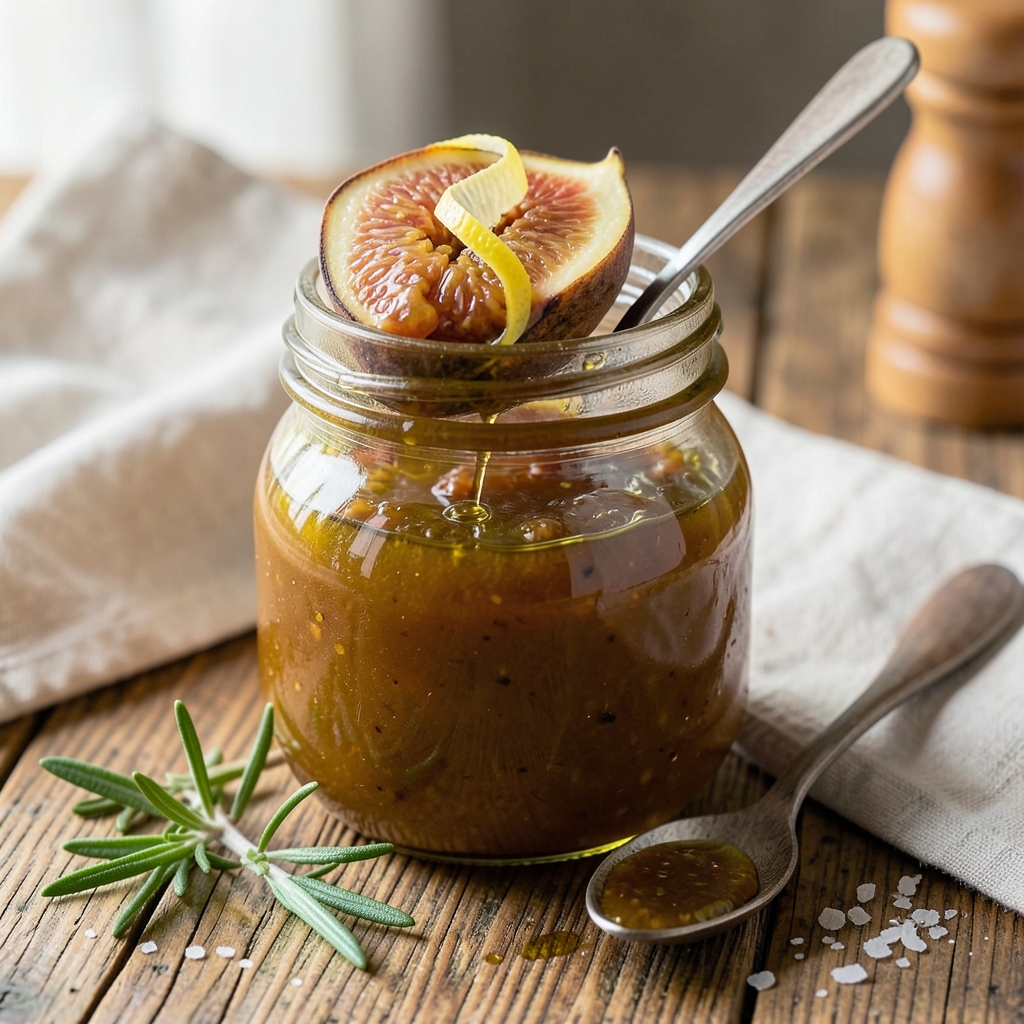
This fig jam recipe without pectin transforms fresh summer figs into a velvety, naturally thickened spread that rivals store-bought versions. ✨ I developed this method after years of experimenting with natural gelling agents, and it delivers a perfectly balanced sweetness without any artificial additives.
The secret lies in the right ratio of lemon juice and sugar, which work together to create that signature jam consistency.
What makes this recipe special is its simplicity—just four core ingredients and a single pot. The process is straightforward: simmer figs with sugar and lemon juice until they break down, then let the mixture cool and thicken naturally.
No pectin, no fuss, and no compromise on flavor. The result is a jam that’s rich, aromatic, and perfect for spreading on toast, swirling into yogurt, or drizzling over cheese boards.
The best part? This jam keeps beautifully in the refrigerator for up to three weeks, and you can adjust the sweetness to your taste by adding more or less sugar.
For an extra layer of depth, consider adding a pinch of vanilla or a sprinkle of fresh herbs like rosemary or thyme. The possibilities are endless, but the base recipe is foolproof and always delivers.
Whether you’re using figs from your backyard garden or the farmers market, this method ensures you’ll get the most out of their natural sweetness and texture. Let’s get started on making jam that tastes like summer in every bite.
Ingredients for recipe for fig jam without pectin
Four core ingredients create velvety fig jam without pectin or artificial additives.
| Ingredient | Amount | Notes |
|---|---|---|
| Fresh Figs 🍇 | 1 ½ lb | Ripe, stems removed, quartered |
| Granulated Sugar 🍚 | 1 ½ cups | White or raw cane sugar |
| Fresh Lemon Juice 🍋 | ½ cup | From 2-3 lemons, freshly squeezed |
| Extra-Virgin Olive Oil 🫒 | 1 tbsp | For glossy finish and richness |
| Vanilla Extract 🌸 | 1 tsp | Pure vanilla for depth (optional) |
| Fresh Rosemary 🌿 | 1 tsp | Finely chopped, for aroma (optional) |
| Sea Salt 🧂 | ¼ tsp | Kosher or fine grain |
Figs are the star—farmers market varieties like Kadota or Black Mission yield the best texture and flavor. Look for plump, slightly soft figs with vibrant purple or green skin. If using dried figs (for a variation), soak them in warm water for 30 minutes first. Whole Foods or local orchards often carry fresh figs in summer, but grocery store produce sections may have them too. The sugar ratio is key: 1.5 cups per pound of figs ensures natural thickening without crystallizing. For an extra layer of complexity, add a pinch of vanilla bean seeds instead of extract—it’s worth the splurge if you’re feeling fancy.
No fresh figs? Dried figs work beautifully—just soak them first to restore moisture. Short on sugar? Honey or maple syrup can replace it one-to-one, though the jam will have a slightly different texture. The olive oil isn’t just for shine—it adds silky mouthfeel and balances the acidity of the lemon. Swap it for avocado oil if you prefer a neutral flavor. For the lemon juice, bottled works in a pinch, but fresh is always brighter. And if you’re feeling adventurous, a splash of red wine (like Pinot Noir) adds depth—just reduce the sugar slightly to compensate for the sweetness.
This jam thickens as it cools, so patience is key—don’t rush it. Store in a sterilized glass jar with a tight seal in the fridge for up to 3 weeks. For longer storage, freeze portions in ice cube trays for single-serving use. The flavor actually improves over time, so make a big batch if you can. If the jam sets too firmly, rewarm it gently with a splash of water to restore its velvety consistency. Perfect for toast, yogurt, or cheese pairings—just drizzle and enjoy.
Why You’ll Love This Recipe
- No Pectin Needed: I’ve made jam with pectin before—messy, fussy, and always a gamble. This recipe? Just figs, sugar, and a splash of lemon juice simmered until it’s just thick enough. No jello powder, no guessing, just pure, natural set that tastes like summer in a jar.
- Sweet-Tart Magic: That lemon juice isn’t just for acidity—it brightens the figs so they sing. A drizzle of olive oil keeps it rich without being cloying, and a whisper of vanilla? Honestly, it turns this jam into something ridiculously good on toast or straight from the spoon.
- Chef’s Secret Weapon: Slather it on warm biscuits, dollop it into yogurt, or use it to glaze roasted chicken. It’s not just dessert—it’s breakfast, lunch, or a fancy dinner finishing touch. My go-to? A thick layer on grilled cheese with a sprinkle of flaky salt. Yes, even on a Tuesday night.
- Jars of Gold: This recipe stretches figs further than you’d think, and the sugar isn’t overpowering. Plus, it keeps for months in the fridge—meaning I’m always stocked for gifts, last-minute hostess duties, or when I crave that fig-and-vanilla hit at 3 a.m. (It happens.) Budget-friendly? Absolutely. A pantry staple? Without a doubt.
Step-by-step instructions for homemade fig jam without pectin
Here’s the method for creating a naturally thickened fig jam that rivals store-bought versions.
🍳 Step 1: Prepare and Cook the Figs
In a medium saucepan, combine the 1.5 lb fresh figs (quartered), 0.5 cup fresh lemon juice, and 0.25 tsp sea salt. Bring to a gentle boil over medium-high heat, then immediately reduce to medium-low heat. Let it simmer uncovered for 10-12 minutes until the figs break down and the mixture becomes syrupy.
Here’s the thing—you’ll see the figs release their juices and start to collapse. Stir occasionally to prevent sticking, but don’t mash them completely. You want some texture to carry through to the finished jam. The mixture should reduce by about half and smell intensely figgy with a bright citrus note from the lemon juice.
👨🍳 Step 2: Add Sugar and Rosemary
Once the figs are soft and the mixture has thickened, stir in the 1.5 cups granulated sugar and 1 tsp finely chopped fresh rosemary. Increase heat to medium-high and bring to a full boil, stirring constantly. This is where the magic happens—the sugar will dissolve quickly, and the mixture will start to thicken dramatically.
Watch closely as it comes to a rolling boil—you’ll see bubbles form and the jam begin to coat the back of a spoon. This usually takes about 5-7 minutes of active boiling. Real talk: don’t walk away. Sugar burns easily, and you want a smooth jam, not caramelized bits. The rosemary will infuse its piney aroma, adding depth to the sweetness.
🔥 Step 3: Incorporate Olive Oil and Vanilla
When the jam reaches a full rolling boil and begins to thicken noticeably (about 5 minutes after adding sugar), remove it from heat. Stir in the 1 tbsp extra-virgin olive oil and 1 tsp vanilla extract. The oil will create a glossy finish and help stabilize the jam’s texture without pectin, while the vanilla adds complexity.
Here’s where it gets fun—give it a taste. The jam should be sweet but still have bright acidity from the lemon. If it’s not thick enough (it should coat a spoon but still be spreadable), return it to medium heat for 1-2 more minutes. If it’s too thick, thin with 1 tsp water at a time. The olive oil helps prevent crystallization, so you won’t need to worry about sugar graininess.
⏰ Step 4: Test for Doneness and Jar
Transfer the jam to a clean bowl and let it cool for 5 minutes—this is crucial. The jam will thicken further as it cools. To test doneness, place a small spoonful on a chilled plate and refrigerate for 1 minute. If it wrinkles slightly when you push it with your finger, it’s ready. If it spreads too much, return it to low heat for another 1-2 minutes.
Once properly thickened, ladle the jam into sterilized jars, leaving ½-inch headspace at the top. Seal with lids and let cool completely. The final product should have a glossy sheen from the olive oil, vibrant color from the figs, and a perfect balance of sweet, tart, and herbal notes. Store in the refrigerator for up to 3 weeks or process for longer shelf life.
Pro Tips For Making Recipe For Fig Jam Without Pectin
- Smash Figs First: I learned this the hard way—skipping the smashing step means uneven texture and clumps that won’t break down. Use a potato masher or fork to crush the figs right in the pot before adding sugar, so the pectin in the fruit starts releasing immediately.
- Simmer Low and Slow: After the initial boil, drop the heat to a bare simmer—no rushing. Too much heat turns the jam cloudy and burns the sugar, which kills that bright, glossy finish you’re after. Think “gentle bubble,” not “rolling boil.”
- Strain Like a Pro: Don’t lazy-strain through a cheap sieve—it leaves skin bits that make the jam gritty. Use a fine-mesh strainer or cheesecloth, and press the fig pulp with a spoon. Yes, it’s extra work, but the texture will be silky.
- Acid Balance Matters: The lemon juice isn’t just for flavor—it’s the pectin activator. If your figs are overly sweet or tart, adjust the juice (1-2 tablespoons) to hit that perfect set. Too little? The jam stays runny. Too much? It’ll taste harsh. Taste as you go.
Troubleshooting this recipe
Jam Too Runny?
If your jam isn’t thickening enough, the issue is usually undercooked sugar. Return the mixture to medium heat and simmer uncovered for 5-10 more minutes, stirring constantly. The lemon juice and sugar need time to fully gel—this is where patience pays off.
I’ve found that 1.5 cups sugar per pound of figs is the magic ratio, but if you’re using softer figs, you might need an extra 2-3 minutes of simmering. 🌡️
Sugar Crystallizing?
Sugar crystals form when the jam cools too quickly or isn’t stirred enough during cooking. To fix it, gently reheat the jam over low heat while stirring constantly with a wooden spoon—this breaks up the crystals.
If it’s already set, blend in 1 tsp water or 1 tsp lemon juice per cup of jam, then reheat until smooth. The olive oil in this recipe helps prevent this, but it can still happen if you rush the process.
Jam Too Thick?
Overcooked jam is rare but frustrating. Thin it with 1 tsp water at a time while reheating gently. For every ½ cup of jam, add 1 tsp water and stir until smooth.
If the texture is still too stiff, the issue might be too much sugar—reduce the sugar by ¼ cup in future batches. The key is testing doneness early: when it coats the back of a spoon but still spreads slightly, it’s perfect.
Fruits Not Soft Enough
If your figs aren’t breaking down, they might not be ripe enough. Use overripe figs—they’ll mash more easily and release more juice. If they’re still tough, simmer them 5 more minutes with an extra 1 tbsp lemon juice to help tenderize.
I’ve had this happen with firm Black Mission figs, so always check ripeness before starting. A gentle squeeze should yield slightly to your fingers.
Mold or Fermentation?
If your jam develops mold or smells off after storing, it’s likely due to improper sterilization. Always boil jars and lids for 10 minutes before filling, and leave ½-inch headspace for air expansion.
For longer storage, consider water bath canning (10 minutes in boiling water) to extend shelf life to 6-12 months. If mold appears, discard the jam immediately—it’s not worth the risk.
Flavor Too One-Dimensional
If your jam tastes flat, it might lack acidity or depth. Boost brightness with an extra 1 tbsp lemon juice or add ½ tsp ground cinnamon for warmth. For complexity, infuse the sugar with 1 cinnamon stick while dissolving it, then remove before jarring.
I love adding 1 tsp fresh thyme or a pinch of cardamom for unexpected layers—just taste as you go! 💫
Nutrition facts
Frequently asked questions
Why does lemon juice help thicken fig jam without pectin?
The acidity in lemon juice acts as a natural gelling agent when combined with sugar. It breaks down the figs’ pectin naturally while helping the sugar dissolve properly, creating that signature jam consistency. The ratio of 0.5 cup lemon juice to 1.5 cups sugar is key for achieving the right texture without additives.
Can I substitute honey for sugar in this fig jam?
Yes, but expect a different texture and flavor profile. Replace sugar one-to-one with honey, but reduce the lemon juice by 2 tablespoons since honey is sweeter. The jam will be thicker and more aromatic, with a deeper golden color. For best results, use raw local honey to complement the figs’ natural sweetness.
How do I know when my fig jam is done?
Your jam is ready when it coats the back of a spoon but still spreads slightly when chilled. For a foolproof test, spoon a small amount onto a chilled plate and refrigerate for 1 minute. If it wrinkles slightly when you push it with your finger, it’s perfect. If it spreads too much, simmer for 1-2 more minutes—just don’t let it boil vigorously.
What’s the best way to store homemade fig jam?
Store in a sterilized glass jar in the refrigerator for up to 3 weeks. For longer storage, freeze portions in ice cube trays or use water bath canning for 6-12 months of shelf stability. The jam actually improves in flavor when stored properly, developing deeper complexity over time. Always leave ½-inch headspace when jarring.
Can I make this jam with dried figs instead of fresh?
Soak 1 cup dried figs in warm water for 30 minutes first, then drain well before using. Reduce the sugar slightly to 1.25 cups since dried figs are more concentrated. The texture will be slightly denser but equally delicious. For extra richness, add 1 extra tablespoon olive oil to compensate for the reduced moisture.

- King Arthur Fluffy Dinner Rolls Recipe: Buttery Pillowy Layers in 10 Minutes - November 8, 2026
- Black Diamond Steak Marinade Recipe: Deep Charcoal Infusion for Bold Flavor - November 8, 2026
- Betty Crocker Chocolate Devil Cake Recipe: Moist Layers With Fudgy Frosting - November 8, 2026