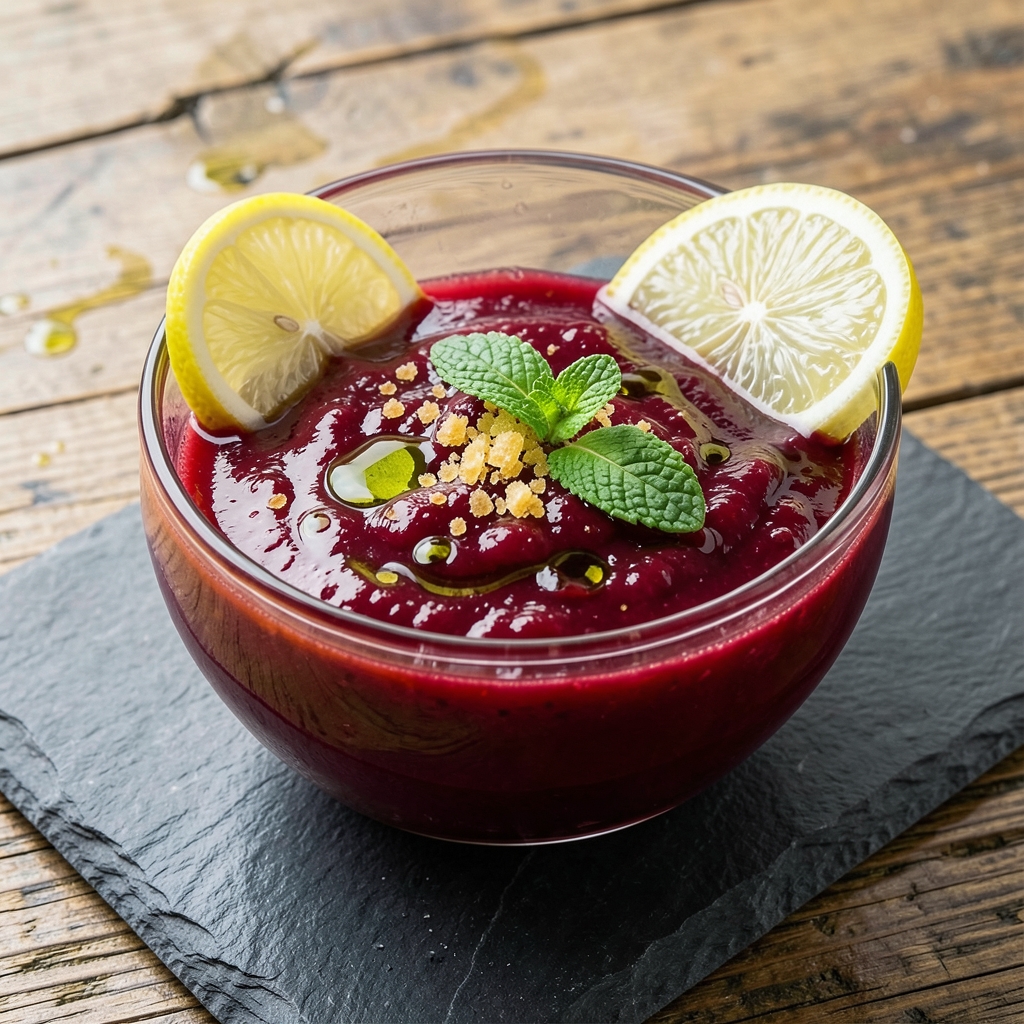
This raspberry sauce recipe transforms tart berries into a versatile glaze that elevates desserts, enhances cocktails, and even brightens savory dishes with its tangy-sweet balance.
After years of perfecting the ratio of berries to sugar and acid, I’ve developed a method that preserves the fruit’s natural vibrancy while creating a sauce thick enough to drizzle or thin enough to pour.
The secret lies in simmering just until the berries break down—no overcooking, no added pectin, just pure raspberry flavor concentrated into a glossy, ruby-red sauce.
What sets this raspberry sauce apart is its adaptability—use it as a glaze for cheesecakes, a drizzle over vanilla ice cream, or a sophisticated garnish for grilled meats.
The recipe calls for simple ingredients: fresh or frozen raspberries, sugar, lemon juice, and a touch of cornstarch to achieve the perfect consistency.
It takes less than 20 minutes to make, with minimal effort but maximum impact, and the sauce keeps beautifully in the fridge for up to two weeks or can be frozen for longer storage.
The result is a bright, tangy-sweet sauce that clings to spoons, cuts through rich desserts, and adds a pop of color to any plate. Unlike store-bought versions, this recipe delivers a depth of flavor that comes from using real fruit and controlling the sweetness to taste.
The lemon juice adds a subtle brightness that prevents the sauce from tasting one-note, while the cornstarch ensures it’s smooth and glossy without being overly thick.
Whether you’re prepping for a dinner party, stocking your pantry for baking, or simply craving a quick homemade treat, this raspberry sauce is a game-changer. It’s the kind of condiment that makes every dish feel special—without the fuss. Let’s get started on making yours today.
Ingredients for rasberry sauce
Eight ingredients transform tart berries into a vibrant sauce perfect for desserts and beyond.
| Ingredient | Amount | Notes |
|---|---|---|
| Fresh or Frozen Raspberries 🍓 | 2 cups | Unthawed if frozen, no need to defrost |
| Granulated Sugar 🍚 | ½ cup | Adjust to taste for tartness preference |
| Fresh Lemon Juice 🍋 | 2 tbsp | From 1 small lemon, freshly squeezed |
| Cornstarch 🌾 | 1 tsp | For smooth, glossy consistency |
| Water 💧 | 1 tbsp | To thin sauce if needed |
| Extra-Virgin Olive Oil 🫒 | 1 tsp | Optional, for richness |
| Diamond Crystal Kosher Salt 🧂 | ¼ tsp | Fine grain preferred |
| Vanilla Extract 🌸 | ½ tsp | Optional, for depth |
The quality of raspberries is everything. Fresh berries yield the brightest flavor, but frozen raspberries work perfectly if organic—just avoid those with added sugar. For the best results, Trader Joe’s or local farmers’ markets offer the freshest options, while Costco provides bulk frozen berries at a lower cost. If using frozen, no need to thaw—simply add them straight from the freezer to the pot. The sugar should be fine granulated; organic cane sugar adds subtle caramel notes, but regular granulated works fine. Measure the lemon juice precisely—too much acid can overpower the berries’ natural sweetness.
No cornstarch? Arrowroot powder at the same amount works equally well, though it may require slightly longer simmering. Prefer a sweeter sauce? Increase the sugar to 0.75 cup and adjust to taste at the end. For a richer finish, the extra-virgin olive oil adds depth, though it’s optional. If you’re using this sauce for savory dishes, omit the vanilla extract—it’s purely for desserts. The water is a last-resort thinner; if the sauce isn’t thick enough after simmering, add it one teaspoon at a time. For a deeper flavor profile, consider adding a pinch of cinnamon or a splash of balsamic vinegar at the end.
This sauce reaches peak flavor after 24 hours in the fridge, allowing the berries’ essence to fully meld. Store it in an airtight container with a thin layer of olive oil on top to preserve freshness and prevent oxidation. It keeps for two weeks in the refrigerator or up to six months in the freezer, though the texture may slightly alter after thawing. For freezing, portion into ice cube trays or small jars—perfect for single-use applications. Reheat gently over low heat, stirring occasionally, or microwave in 15-second bursts to maintain glossiness.
Why You’ll Love This Recipe
- No Mashing Required: I’ll admit, I used to dread the idea of making raspberry sauce because of the seeds—until I discovered frozen berries. Toss them straight into the pot with sugar and water, simmer until they burst, and boom, you’ve got a silky-smooth sauce without the mess. The cornstarch thickens it in minutes, so no waiting around for a fancy reduction.
- Tart-Sweet Magic: That bright lemon juice cut through the raspberries’ natural sweetness like a knife—honestly, it’s the secret weapon. The sauce isn’t cloying; it’s balanced, with a little tang that makes it perfect for drizzling over pancakes or swirling into yogurt. Plus, the sugar caramelizes just enough to give it depth without being overly sweet.
- Pantry Staple Power: Between us, this sauce is my go-to for everything—breakfast toast, summer BBQ chicken, or even as a glaze for roasted pork. I keep a jar in the fridge because it’s so versatile, and it’s the one thing I never run out of when company drops by. (Yes, even on a Tuesday night.)
- Makes More Than You Think: A single batch stretches farther than you’d expect—enough for a week’s worth of breakfasts or a dessert spread. The cornstarch keeps it stable, so it doesn’t separate or get watery, and it reheats like a dream. I’ll be real: I’ve frozen leftovers for up to three months, and they still taste fresh. Budget-friendly? Absolutely.
Step-by-step instructions for raspberry sauce
This method delivers a glossy, vibrant raspberry glaze perfect for drizzling or dipping.
Combine Raspberries and Sugar
In a medium saucepan, add the 2 cups fresh or frozen raspberries and 0.5 cup granulated sugar. I always use frozen raspberries for this recipe—they release their juices more consistently without the risk of undercooking. Place the pan over medium-high heat and bring the mixture to a gentle boil, stirring occasionally to prevent scorching.
Watch for the moment when the raspberries begin to break down and release their juice—this typically takes about 5 minutes. The sauce should thicken slightly and develop a deep ruby color. If using fresh raspberries, they’ll need slightly longer to soften completely, so keep an eye on the texture. The sugar will dissolve gradually, balancing the natural tartness of the raspberries while enhancing their fruity depth.
Add Lemon Juice and Simmer
Once the raspberries have softened and the mixture reaches a gentle simmer, reduce the heat to medium-low. Stir in the 2 tablespoons fresh lemon juice and 0.25 teaspoon diamond crystal kosher salt. The lemon juice brightens the flavor profile, cutting through the sweetness while adding a refreshing acidity that complements desserts beautifully.
Let the sauce simmer uncovered for 8 to 10 minutes, stirring occasionally. You’re looking for a reduction that coats the back of a spoon but still maintains a glossy, syrupy consistency. If the sauce becomes too thick too quickly, add the 1 tablespoon water to maintain the proper texture. The sauce should smell intensely fruity with a subtle citrus note—this is your cue that it’s developing properly.
Thicken with Cornstarch Slurry
In a small bowl, whisk together the 1 teaspoon cornstarch and 1 tablespoon water until completely dissolved. This creates a smooth slurry that will bind the sauce without creating lumps. Return the saucepan to medium heat and slowly pour the cornstarch mixture into the raspberry sauce while stirring constantly with a wooden spoon.
Continue stirring for 2 to 3 minutes until the sauce thickens noticeably. You’ll see the mixture transform from a loose syrup into a glossy, coatable consistency. The sauce should now hold its shape when drizzled or spooned. If it’s still too thin, you can add another ½ teaspoon cornstarch mixed with 1 teaspoon water, but proceed with caution—over-thickening can make the sauce grainy.
Finish with Olive Oil and Vanilla
Remove the saucepan from heat and stir in the 1 teaspoon extra-virgin olive oil and 0.5 teaspoon vanilla extract. The olive oil adds a subtle richness that rounds out the tart-sweet balance, while the vanilla deepens the flavor profile with its warm, aromatic notes. Let the sauce sit off the heat for 5 minutes to allow the flavors to meld completely.
Taste the sauce and adjust the sweetness if needed—you can add a pinch more sugar if it tastes too tart, or a splash more lemon juice if it’s too sweet. The final texture should be smooth, glossy, and thick enough to cling to spoons or drizzle elegantly over desserts. Transfer the sauce to a clean jar or bowl and let it cool to room temperature before using or storing.
Pro Tips For Making Rasberry Sauce
- Mash Those Berries: DESCRIPTION: I learned this the hard way—skip the food processor for raspberries. Their seeds turn the sauce gritty, and nobody wants a mouthful of texture when they’re expecting silky smoothness. Use a potato masher or fork to break them down, then strain if you’re feeling fancy (or just impatient).
- Simmer Low and Slow: DESCRIPTION: High heat turns raspberry sauce into jam, and nobody wants that unless they’re making a dessert. Keep the heat at a gentle simmer—just enough to see tiny bubbles breaking the surface. If it’s too aggressive, pull back or you’ll end up with a thick, cloying mess instead of a balanced sauce.
- Measure Lemon Juice First: DESCRIPTION: Adding lemon juice at the end is a rookie move. The acidity will break down the cornstarch’s thickening power, leaving you with a runny sauce. Mix it in with the sugar and water at the start—this way, the acid has time to mellow out and the sauce thickens properly.
- Reserve Some Water: DESCRIPTION: Cornstarch slurries can be stubborn, and if yours turns into glue, you’re screwed. Before mixing it into the raspberries, set aside 2 tablespoons of water—it’s your emergency fix for thinning out a sauce that’s gone too thick. Trust me, you’ll need it at least once.
Perfect pairings for this recipe
Dessert Elevations
This raspberry sauce transforms ordinary desserts into showstoppers. Drizzle it over warm vanilla bean ice cream or cheesecake slices for an instant restaurant-quality finish. I love using it as a glaze for baked brie—just brush a thin layer on top before broiling for 5 minutes at 375°F.
The sauce also pairs beautifully with shortbread cookies or panna cotta, where its tartness cuts through the richness. 🍰
Savory Surprises
Don’t limit this sauce to sweet dishes—it’s a game-changer for savory applications too. Brush it over grilled pork chops or duck breasts during the last 2 minutes of cooking for a tangy glaze.
I also use it as a dipping sauce for fried chicken or mozzarella sticks, where its brightness balances the grease. For a sophisticated touch, drizzle it over goat cheese crostini with a sprinkle of flaky sea salt.
Cocktail Garnishes
Elevate your cocktails with this sauce as a drizzle or rim. I love adding it to gin-based spritzers (like a raspberry gin fizz) or whiskey sours for a fruity twist. For a margarita upgrade, rim the glass with the sauce and dip in tajín before pouring.
Even a simple vodka lemonade gets a gourmet boost with a swirl of this vibrant sauce. Serve it chilled for the best presentation. 🍹
Breakfast Brightener
Start your day with a raspberry sauce twist on classic breakfast dishes. Swirl it into Greek yogurt with granola for a fruity crunch. Drizzle it over pancakes or French toast for a tangy contrast.
I also use it as a topping for crepes filled with ricotta cheese—the acidity balances the sweetness perfectly. For a savory morning, spread it on avocado toast with a sprinkle of black pepper.
Cheese Pairings
This sauce is a cheese lover’s secret weapon. Pair it with creamy brie, sharp cheddar, or ricotta for a sweet-and-tart contrast. I often serve it with aged gouda or blue cheese on a charcuterie board—its brightness cuts through the richness.
For a quick appetizer, spoon the sauce over warm baked camembert and broil for 3 minutes until bubbly. 🧀
Baking Booster
Incorporate this sauce into baked goods for extra moisture and flavor. Swirl it into muffin batter or pound cake before baking for bursts of raspberry flavor. Use it as a filling for thumbprint cookies or mini cheesecakes.
I also like brushing it onto apple crisp or peach cobbler before baking to create a caramelized glaze. The sauce works especially well in jam-filled pastries like turnovers or danishes.
Nutrition facts
Frequently asked questions
Can I use this raspberry sauce for savory dishes?
While it’s perfect for desserts, this sauce adds a bright tang to savory dishes too. Try brushing it on grilled meats like pork chops or duck, or use it as a dipping sauce for fried foods. The key is balancing its sweetness with salty or umami flavors—like pairing it with goat cheese or sprinkling flaky sea salt on top.
What’s the best way to store homemade raspberry sauce?
Store it in an airtight container in the fridge for up to two weeks. For longer storage, freeze it in ice cube trays or small jars for up to six months. To preserve freshness, add a thin layer of olive oil on top before sealing. When reheating, warm gently over low heat or microwave in 15-second bursts to maintain its glossy texture.
Can I make this sauce without cornstarch?
Yes! Use arrowroot powder instead at the same amount, or try 1 tsp lemon juice mixed with 1 tbsp water as a natural thickener. Just simmer longer (about 5-10 extra minutes) since it won’t thicken as quickly. For a no-thickener version, reduce the sauce uncovered until it reaches your desired consistency—this takes patience but yields a naturally glossy result.
How do I adjust the sweetness level?
Start with the 0.5 cup sugar measurement, then taste as you go. For a sweeter sauce, add sugar 1 tbsp at a time until balanced. If it’s too tart, add 1 tsp lemon juice at a time. Remember, the sauce will mellow slightly as it cools, so adjust when it’s still warm for the most accurate taste.
Why did my raspberry sauce turn out too thin?
This usually happens from under-simmering or using too many berries. For next time, simmer uncovered for the full 8-10 minutes and reduce heat if needed to prevent boiling over. If using fresh berries, they release more juice—reduce the recipe by 1 cup berries or add 1 extra tsp cornstarch at the end. For immediate fixes, simmer longer or mix 1 tsp cornstarch with 1 tbsp water and stir in.

- Sweet Nuts Recipe: Honey-Cinnamon Roasted Bliss in 20 Minutes - November 8, 2026
- Spanish Coffee Recipe: Rich, Spiced Brew With Cinnamon Kick - November 8, 2026
- Costco Tri-Tip Steak Recipe: Smoky Grill Marks and Buttery Crust - November 8, 2026