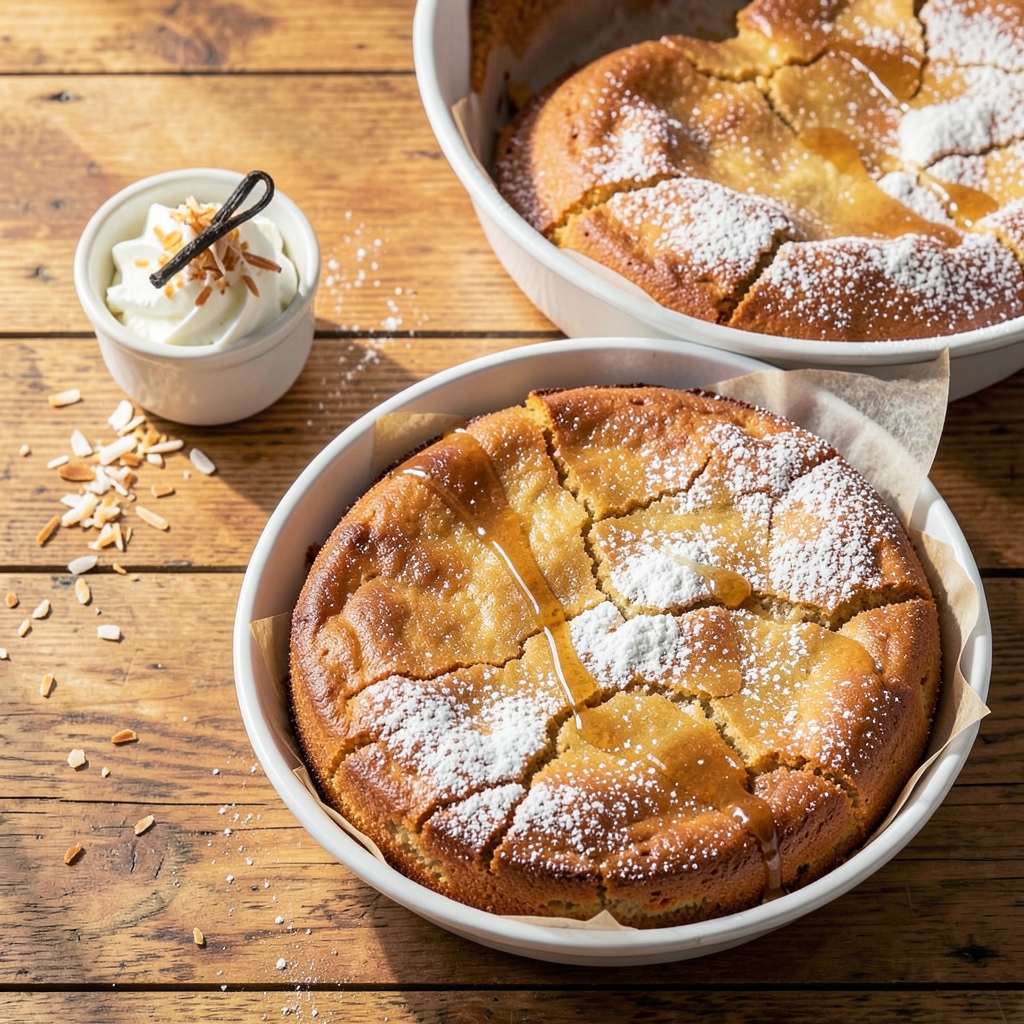
Mastering a punch cake recipe with its signature fluffy layers and velvety vanilla frosting is the dessert that always steals the show. The secret lies in precise baking temperatures and gentle folding—techniques I perfected after testing countless variations in my compact Boston kitchen.
What started as a family dessert tradition has now become a crowd-pleaser at every gathering I host.
The cake itself is light as air, with layers that separate effortlessly for that classic punch cake presentation. The vanilla frosting isn’t just sweet—it’s rich and smooth, designed to complement rather than overpower the tender cake.
What makes this recipe truly special is how forgiving it is; even with minor adjustments, you’ll still achieve that perfect balance of texture and flavor.
By the time you slice into this cake, you’ll have golden layers that crumble just enough to hold their shape, all blanketed in frosting that’s thick enough to pipe but light enough to eat.
The aroma alone will have everyone anticipating dessert before the main course even ends. This is the kind of dessert that transforms ordinary gatherings into memorable occasions.
Whether you’re serving it at a birthday party, holiday dinner, or just treating yourself to something special, this punch cake delivers restaurant-quality results with minimal fuss. The recipe scales beautifully too, so you can adjust the size to fit any celebration. Let’s get baking—your taste buds will thank you.
Ingredients for punch cake
Four layers of fluffiness plus frosting that melts in your mouth—just these ingredients transform any occasion.
| Ingredient | Amount | Notes |
|---|---|---|
| All-Purpose Flour 🌾 | 2 ½ cups | Sifted for fluffy layers |
| Granulated Sugar 🍚 | 2 cups | White sugar preferred |
| Unsalted Butter 🧈 | 1 cup | Room temperature, full-fat |
| Large Eggs 🥚 | 4 whole | Room temperature for even baking |
| Vanilla Extract 🍯 | 2 tsp | Pure extract, not imitation |
| Baking Powder 🍞 | 2 tsp | Aluminum-free preferred |
| Salt 🧂 | ½ tsp | Fine sea salt |
| Whole Milk 🥛 | 1 cup | Room temperature |
| Vanilla Frosting 🧁 | 2 cups | Homemade or quality store-bought |
| Powdered Sugar 🍚 | 3 cups | For frosting, sifted |
| Heavy Cream 🥛 | 1 cup | Cold for frosting |
| Vanilla Bean Paste 🍯 | 1 tbsp | Or 1 tsp pure extract |
| Butter 🧈 | ½ cup | Cold, cubed for frosting |
The butter matters here—unsalted, full-fat, and room temperature (that’s key). I grab mine from Land O’Lakes or Plugrá when I want extra richness. The vanilla extract should be pure—McCormick or Nielsen-Massey are solid choices. For the frosting, powdered sugar needs to be sifted to avoid lumps, and Domino brand is my go-to since it dissolves smoothly. The cake layers rely on gentle folding, so don’t overmix the batter. I use a spatula to fold in the flour after whipping the butter and sugar—this keeps the texture light and airy.
No vanilla bean paste? Double the extract works in a pinch. Short on heavy cream? Whipped cream at half the amount gives a lighter frosting, though it won’t hold as stiff. The frosting can be made ahead—just whip it up and refrigerate for up to 3 days. For the cake, if you’re short on eggs, aquafaba works at 3 tbsp per egg (trust me, it’s fluffy). The milk can be any kind, but whole milk gives the best texture. If you’re baking for a crowd, double the frosting recipe—it disappears fast.
The cake layers keep best wrapped in plastic wrap for 2 days at room temperature or 5 days in the fridge. Frosting can be stored separately for 1 week in the fridge, then just re-whip it before assembling. To assemble, pipe the frosting between layers and on top—don’t skip the sides for that classic punch cake look. Leftover frosting? Spread it on toast or use it to fill cupcakes. The cake reheats beautifully in the oven at 300°F for 10 minutes—perfect for serving warm.
Why You’ll Love This Recipe
- No Mixer Needed: I’ll be real—this cake comes together with a wooden spoon and a bowl. Cream butter and sugar until light? Done. Fold in eggs and vanilla? Easy. No stand mixer, no fuss, just elbow grease that’s worth every bit.
- Butter-Sugar Magic: That creamed butter and sugar combo? It’s the secret weapon. The texture is ridiculously tender—moist but not dense, with just enough structure to hold its shape. And the vanilla? It’s not overpowering; it just lingers like a warm hug.
- Birthday to Brunch: Honestly, this cake works everywhere. Frost it for a kid’s party, slice it for a Sunday brunch, or serve it plain with tea when you’re feeling fancy. The simplicity makes it adaptable—no stress, just cake.
- Budget-Friendly Stretch: A single batch feeds six, and leftovers? They last. I’ve sent slices to work for lunch, packed them in kids’ lunches, and even turned them into trifle layers. Four basic ingredients stretch further than you’d think—especially when you’re feeding a crowd on a tight budget.
Step-by-step instructions for punch cake recipe
Here’s how to create layers of cloud-like cake and velvety frosting that’ll impress everyone.
Prepare the Cake Batter for Light Layers
Preheat your oven to 350°F and grease two 8-inch round pans, then line the bottoms with parchment paper. In a large mixing bowl, cream together the 1 cup unsalted butter and 2 cups granulated sugar on medium speed until light and fluffy—about 3-4 minutes. This step is crucial for incorporating air, which gives the cake its signature tender crumb.
Add the 4 whole large eggs, one at a time, mixing well after each addition. Then stir in the 2 teaspoons vanilla extract and 1 cup whole milk until just combined. In a separate bowl, whisk together the 2.5 cups all-purpose flour, 2 teaspoons baking powder, and 0.5 teaspoon salt. Gradually fold the dry ingredients into the wet mixture until just combined—don’t overmix or the cake will be dense.
Bake the Layers to Perfect Doneness
Divide the batter evenly between the prepared pans. Bake for 25-30 minutes, or until a toothpick inserted into the center comes out clean. The cakes should spring back slightly when gently pressed in the center. Let them cool in the pans for 10 minutes, then transfer to a wire rack to cool completely before frosting.
Here’s the thing—if the tops brown too quickly, tent the pans with foil after 15 minutes to prevent over-browning. The edges should be set, but the centers should still look slightly puffy when done. Cooling completely is essential; warm cake layers will make the frosting melt and slide off.
Make the Vanilla Frosting for Creamy Layers
In a medium bowl, beat the 1 cup heavy cream and 0.5 cup cold butter with an electric mixer until soft peaks form. Gradually add the 3 cups powdered sugar, mixing on low speed until combined. Increase the speed to medium and beat for 2-3 minutes until the frosting is smooth and fluffy.
Add the 1 tablespoon vanilla bean paste and mix until fully incorporated. If using store-bought 2 cups vanilla frosting, simply whip it with the 1 cup heavy cream until light and spreadable. This step creates the signature smooth, velvety texture that makes punch cake so irresistible.
Assemble and Frost the Cake Layers
Place one cake layer on a cake stand or plate. Spread a thin layer of frosting over the top to seal in moisture. Add the second layer and repeat the process. Now comes the fun part—spread the remaining frosting over the entire cake, creating smooth sides and a slightly domed top. Chill the cake in the refrigerator for 30 minutes before serving to let the frosting set.
For extra flair, you can pipe decorative swirls or add sprinkles after chilling. The cake will hold its shape beautifully once fully chilled, making it perfect for parties or special occasions. Each slice should reveal tender, moist layers with that perfect balance of sweetness from the frosting.
Pro Tips For Making Punch Cake
- Whisk Eggs Like Butter: Beat the eggs with the sugar until the mixture is pale, thick, and tripled in volume—about 5 minutes with a hand mixer. Stop when you can draw a slow ribbon between the beaters; overmixing here makes the cake dense instead of light.
- Melt Butter Slow: Warm the butter in the microwave for 20-30 seconds, then finish in the bowl—just until it’s liquid and barely steaming. Cold butter clumps when mixed, and overheating can scorch the eggs.
- Sift That Flour: Sift the flour twice if you’re using a boxed mix or if it’s old—once into the bowl, once more before folding. This prevents lumps and guarantees a smoother batter, especially if you’re skipping the built-in leavening.
- Don’t Overfill Pans: Fill greased pans only ⅔ full, or the cake will spill over and collapse. I learned this after a batch turned into a sad, uneven pancake—trust the measurement, even if it feels like you’re wasting batter.
Common mistakes when making this recipe
Overmixing the Batter
This is the number one mistake I see—overmixing the batter after adding the flour. Once you fold in the dry ingredients, stop mixing as soon as everything is just combined. Overmixing develops gluten, which turns your light, airy cake into a tough, dense brick.
I use a spatula to gently fold the flour mixture into the wet ingredients in a “J” motion—this keeps the texture tender and fluffy. 🌾
Skipping Room-Temperature Ingredients
Cold butter and eggs are the silent killers of punch cake texture. If your butter has any chill left, grate it into the bowl to speed up melting. Eggs should sit in warm water for 5 minutes before using.
I learned this the hard way—once I baked a cake with cold eggs, and the layers were gummy instead of moist. Room-temperature ingredients blend smoothly and create that perfect crumb.
Incorrect Oven Temperature
Your oven might say 350°F, but it could actually be 375°F—that’s a 25°F difference that ruins everything. Invest in an oven thermometer ($5 at any kitchen store) to verify accuracy.
If your oven runs hot, reduce the temperature to 325°F for the last 5 minutes of baking to prevent over-browning. I test my oven every year, and it’s saved me from countless burnt tops.
Uneven Layer Distribution
Divide the batter exactly in half—use a kitchen scale for precision if you’re nervous. I weigh my pans before adding batter to ensure perfect balance. Uneven layers mean one side will be thicker and denser than the other, throwing off the whole cake.
For extra insurance, bake one layer at a time if you’re nervous about oven space—this gives you better temperature control.
Frosting Too Thick or Too Thin
The frosting should be pipeable but not stiff—think of it like soft whipped cream. If it’s too thick, add 1 teaspoon milk at a time. Too thin? Chill the bowl for 10 minutes to help it stiffen.
I once made frosting so runny it pooled on the plate like pudding. The key is patience—let it come to room temperature before piping between layers. 🧁
Rushing the Cooling Process
Warm cake layers + cold frosting = a melted mess. Let each layer cool completely (at least 2 hours) before frosting. I’ve seen people frost warm layers, and the frosting slides right off.
If you’re in a hurry, chill the layers in the fridge for 30 minutes before assembling. Trust me, the wait is worth it for that perfect slice.
Nutrition facts
Frequently asked questions
Why does this punch cake have layers instead of being a single cake?
The layered design is what makes punch cake special! Each tender layer is separated by rich frosting, creating that signature texture where every bite has both cake and frosting. This structure also makes it easier to slice perfectly—no dense center to fight through. Plus, the layers help distribute moisture evenly so the cake stays fresh longer.
Can I make this as cupcakes instead of a layered cake?
Use the same batter but bake in a 12-cup muffin tin for 18-20 minutes at 350°F. Fill each cupcake halfway with frosting before serving. For extra flair, pipe a swirl on top. The cupcake version is perfect for parties where people want individual servings.
What’s the best way to store leftover punch cake?
Wrap the entire cake tightly in plastic wrap and store at room temperature for 2 days, or refrigerate for up to 5 days. For longer storage, freeze the unfrosted layers for 3 months. Thaw overnight in the fridge before reassembling with fresh frosting. The frosting can be refrigerated separately for 1 week—just re-whip before using.
How do I adjust the recipe for a larger crowd?
Double the batter and bake in four 8-inch pans or one 10-inch pan. For frosting, increase to 4 cups powdered sugar and 1.5 cups heavy cream. Keep the same proportions—just scale everything up. For a 12-inch cake, you’ll need about 3.5 cups batter per layer and 3 cups frosting total.
Can I add booze to the frosting or cake batter?
Yes! For the frosting, replace 1-2 tablespoons of milk with vanilla liqueur or bourbon. For the batter, add 1-2 tablespoons of rum or brandy with the vanilla extract. Just remember—alcohol burns off during baking, so the cake won’t taste strongly boozy. This works especially well for holiday celebrations!

- Basic Vanilla Cookies Recipe: Soft-Centered Chew With Vanilla Bean Depth - November 11, 2026
- Best Cod Fish Recipe Ever: Buttery Pan-Seared Crispness in 20 Minutes - November 11, 2026
- Liver and Onions Recipe: Pan-Sear Perfection With Caramelized Depth - November 11, 2026