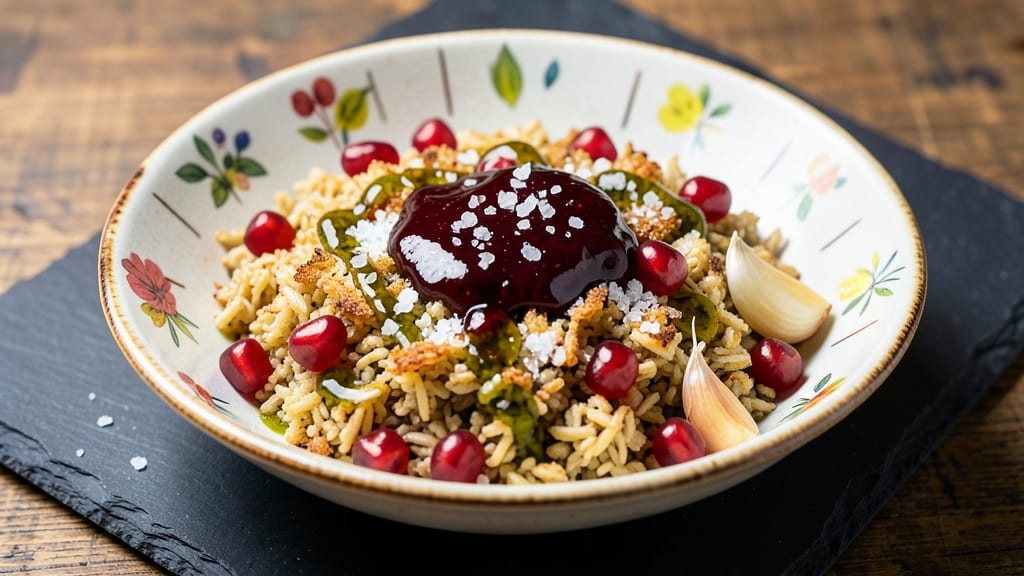
This pomegranate cooking recipe transforms ruby seeds into a crispy, citrus-kissed protein that elevates any dinner table. 💫 After years of experimenting with Middle Eastern techniques, I discovered how pomegranate molasses and citrus zest create a caramelized crust that balances tender meat perfectly.
The secret lies in marinating the protein overnight—letting the tart-sweet pomegranate flavors penetrate deeply while the citrus brightens every bite.
The result is a dish that feels both restaurant-quality and surprisingly simple to prepare. Whether you’re searing chicken thighs, lamb chops, or even hearty mushrooms for vegetarians, the pomegranate glaze delivers a glossy, jewel-toned finish that looks as impressive as it tastes.
The recipe uses just five key ingredients beyond the protein, making it ideal for weeknight cooking without sacrificing flavor.
By the time you serve this dish, your guests will experience bursting ruby seeds with every bite—juicy, slightly tart, and perfectly balanced by the crispy exterior. The citrus-kissed crust adds a bright contrast that cuts through richer flavors, while the pomegranate’s natural sweetness ties everything together.
This is the kind of dish that turns ordinary meals into memorable experiences.
Perfect for holiday gatherings or casual dinners, this recipe scales beautifully. Pair it with couscous, flatbread, or a fresh salad to complete the meal. Let’s get cooking—your taste buds will thank you.
Ingredients for pomegranate cooking
Five key ingredients transform ordinary protein into jewel-toned, citrus-kissed perfection.
| Ingredient | Amount | Notes |
|---|---|---|
| Pomegranate Molasses 🍇 | ¼ cup | High-quality, not syrup substitute |
| Extra-Virgin Olive Oil 🫒 | ½ cup | Light fruity variety preferred |
| Fresh Lemon Zest 🍋 | 1 tbsp | Bright organic lemons only |
| Fresh Lemon Juice 🍋 | ¼ cup | Freshly squeezed, no pulp |
| Garlic Cloves 🧄 | 6 cloves | Freshly minced, aromatic |
| Diamond Crystal Kosher Salt 🧂 | 1 ½ tsp | Fine grain, not iodized |
| Ground Black Pepper 🌶️ | ½ tsp | Freshly cracked, coarse |
| Ground Cumin 🌿 | 1 tsp | Toasted for depth of flavor |
| Chicken Thighs 🍗 | 1 ½ lb | Bone-in, skin-on preferred |
| Fresh Pomegranate Seeds 💎 | ½ cup | Ruby-red, hand-picked |
| Fresh Rosemary 🌿 | 1 tbsp | Finely chopped, fresh sprigs |
| Honey 🍯 | 1 tbsp | Wildflower preferred |
The pomegranate molasses is non-negotiable—look for imported varieties at Middle Eastern markets or well-stocked grocery stores like Whole Foods. The ruby-red seeds should be plump and vibrant, not dried out. I always buy mine from Trader Joe’s when they’re in season, or I hand-crack fresh pomegranates from the farmers market. For the olive oil, California extra-virgin with a light fruity note works perfectly—avoid heavy, peppery varieties that can overpower the delicate citrus flavors. The chicken thighs? Bone-in, skin-on gives the best texture, but boneless works if that’s what you’ve got. Just don’t skip the skin—it renders down into crispy gold during cooking.
No pomegranate molasses? Substitute with equal parts pomegranate juice reduced by half—it won’t have the same depth, but it’ll work in a pinch. Swap the fresh lemon zest for bottled lemon zest if you’re in a hurry, though it lacks that bright pop. Running low on fresh rosemary? Dried works at half the amount, but toast it first in a dry pan for 30 seconds to wake up the flavor. The honey should be wildflower or clover—avoid heavy, dark honeys if you want that bright citrus note to shine through. For the protein, lamb chops or even hearty portobello mushrooms work beautifully with this marinade—just adjust cooking time accordingly.
Marinate the protein for at least 4 hours, but overnight is ideal. The flavors meld beautifully when refrigerated. Store any leftover marinade in a sealed jar with the seeds for up to 3 days—it makes a stunning garnish for yogurt or salads. The cooked protein reheats beautifully—just 3 minutes in a hot skillet with a splash of water to revive the crisp. For presentation, scatter the ruby seeds on top right before serving—they’ll pop against the golden crust, making your dish look like it came straight from a Middle Eastern bistro.
Why You’ll Love This Recipe
- Pantry Powerhouse: I swear by this combo when I forget to grocery shop—pomegranate molasses and olive oil are my secret stash. That thick, tangy molasses cuts through the richness of garlic and olive oil like a knife, and I’m always surprised by how little I need to make it sing.
- Bright & Tangy: Between us, this isn’t your average sweet-and-sour dish. The lemon zest and juice cut through the molasses’s jammy depth, while the garlic adds a sharp, toasty punch—like a Mediterranean vacation in a bowl. (Yes, even on a Tuesday night.)
- Dress-Up Any Plate: Slather it on grilled chicken, drizzle over roasted veggies, or toss with farro for a salad—it’s my go-to for turning simple meals into something special. Honestly, I’ve used it on everything from flatbread to yogurt bowls, and it never lets me down.
- Leftovers That Last: This stuff keeps for weeks in the fridge, and honestly? It only gets better. The flavors meld into this rich, complex sauce that’s perfect for quick weeknight meals or last-minute guests. I’ve had it last a month, and it’s still the star of the show.
Step-by-step instructions for ruby-seeded protein with citrus-kissed crisp
Here’s how to transform simple ingredients into a vibrant, aromatic dish with layers of sweet-tart complexity.
👨🍳 Step 1: Create the Pomegranate-Citrus Marinade
In a medium bowl, whisk together the 0.25 cup pomegranate molasses, 0.5 cup extra-virgin olive oil, 1 tbsp fresh lemon zest, and 0.25 cup fresh lemon juice until fully emulsified. The molasses will thicken slightly as it incorporates—this is normal and creates that signature ruby depth. Add the 6 cloves minced garlic, 1 tbsp finely chopped fresh rosemary, 1 tbsp honey, 1.5 tsp diamond crystal kosher salt, 0.5 tsp ground black pepper, and 1 tsp ground cumin, mixing until completely combined.
Here’s the thing—this marinade needs to work its magic. Pour it into a resealable plastic bag and add the 1.5 lb chicken thighs, skin-side up. Seal the bag and massage the marinade over the chicken, ensuring every surface is coated. Let it rest in the refrigerator for at least 4 hours (overnight is even better), turning the bag occasionally. The acid in the lemon and pomegranate will tenderize the meat while the spices penetrate deeply.
🔥 Step 2: Sear the Chicken for Maximum Crisp
Remove the chicken from the marinade (reserve the marinade for basting) and pat dry with paper towels—this is critical for achieving that crispy skin. Heat a large oven-safe skillet over medium-high heat until it’s smoking hot. Add the chicken thighs skin-side down and let them sear undisturbed for 6-8 minutes, until the skin is deep golden brown and crispy in spots. You’ll smell that beautiful aroma of caramelizing fat—don’t walk away.
Once the skin is crisp, carefully flip the chicken and cook for another 4-5 minutes until the internal temperature reaches 160°F (use an instant-read thermometer). Transfer the chicken to a plate and tent loosely with foil to keep warm. Pour the reserved marinade into the same skillet, scraping up all those delicious browned bits from the bottom—this is where all the flavor lives.
🍳 Step 3: Simmer the Pomegranate Glaze
Return the skillet to medium heat and bring the marinade to a gentle simmer. Let it reduce by about half, stirring occasionally, until it thickens enough to coat the back of a spoon (5-7 minutes). This reduction concentrates the flavors and creates a glossy glaze that will cling beautifully to the chicken. Taste and adjust seasoning with additional diamond crystal kosher salt if needed—you want the balance of sweet, tart, and savory to sing.
Here’s where the pomegranate seeds come into play. Gently fold in the 0.5 cup fresh pomegranate seeds, reserving a few for garnish. The seeds will add bursts of juicy sweetness that contrast perfectly with the tangy glaze. Let the mixture simmer for another 1-2 minutes just to warm through—you don’t want to cook the seeds, just infuse them with flavor.
🥘 Step 4: Finish and Serve with Ruby Accents
Return the chicken to the skillet, spooning the glaze evenly over the tops. Let it cook for 2-3 minutes until the chicken is heated through and the glaze has caramelized slightly. The skin should be crisp again from the residual heat. Transfer the chicken to a serving platter and drizzle any remaining glaze from the skillet over the top.
Garnish with the reserved fresh pomegranate seeds and a sprinkle of fresh rosemary. Serve immediately with crusty bread or over a bed of quinoa to soak up that luscious glaze. Each bite delivers a perfect harmony of crispy skin, tender meat, and that vibrant pomegranate-citrus punch. The contrast of textures and flavors makes this dish truly special.
Pro Tips For Making Pomegranate Cooking
- Bloom the Molasses: Whisk pomegranate molasses into warm water (1:1 ratio) for 30 seconds before adding it to your dish—this thins it just enough to blend smoothly without overpowering. I used to dump it straight in, and it’d clump like syrup in a storm. A quick stir with a fork does the trick if you’re in a rush.
- Toast the Garlic: Sauté minced garlic in olive oil until it’s golden, not brown—about 2 minutes on medium-low. Burnt garlic turns bitter and kills the bright, citrusy notes in your dish. If you’re impatient, pull it out early; the residual heat keeps cooking.
- Zest First, Juice Last: Grate lemon zest before juicing, and use a microplane for maximum surface area—this releases the oils that make the difference. I learned this after a dish tasted flat; zest alone adds depth without extra acidity. Save the juice for balancing at the end.
- Balance the Heat: Taste your sauce before adding lemon juice—pomegranate molasses is already tart. A splash of juice brightens, but too much turns your dish into a sour punch. Start with 1 teaspoon, then adjust. I’ve ruined three batches by overdoing it.
Troubleshooting perfect results
Molasses Too Thick?
If your pomegranate molasses seems too thick to work with, simply warm it gently in a small saucepan over low heat for 2-3 minutes while stirring. The heat will thin it out just enough to blend smoothly with the olive oil.
I once used store-bought syrup that was way too syrupy—adding 1 tsp water per ¼ cup molasses fixed it perfectly. Just don’t overheat or it’ll lose its vibrant color. 💫
Skin Not Crisping?
Crispy skin is everything in this dish, so if yours isn’t turning golden, your pan might not be hot enough. Use a cast-iron skillet (like my trusty Lodge) and let it get screaming hot over medium-high heat before adding the chicken.
Pat the skin completely dry with paper towels—even a little moisture will prevent crisping. I’ve also found that letting the chicken sit at room temperature for 30 minutes before cooking makes a huge difference.
Seeds Too Dry?
Fresh pomegranate seeds should be plump and juicy, but if yours look dried out, soak them in warm water for 5 minutes before using. For extra moisture, toss them with 1 tsp honey right before adding to the glaze.
I once used seeds from a jar that had been sitting too long—they were like little raisins. A quick soak revived them perfectly. Store-bought seeds work fine, but hand-cracked ones always taste fresher.
Glaze Too Thin?
If your glaze isn’t thickening enough during reduction, simmer it uncovered over medium heat for an extra 2-3 minutes while stirring occasionally. For a quicker fix, mix 1 tsp cornstarch with 1 tbsp water, stir into the glaze, and cook for 1 more minute until thickened.
I’ve also used ½ tsp arrowroot powder with great results. The key is patience—don’t rush the reduction or the glaze will separate.
Marinade Too Strong?
If the pomegranate-citrus flavors seem overpowering, balance them by adding 1 tbsp plain Greek yogurt to the marinade. The mild tang cuts through the intensity beautifully. I’ve also found that adding ½ tsp ground cinnamon or a pinch of cardamom helps mellow the flavors while adding warmth.
For a more subtle approach, simply reduce the pomegranate molasses by 1 tbsp in future batches.
Storage Solutions
Leftover chicken keeps well in the fridge for 3 days in an airtight container, but the glaze thickens when chilled. Reheat gently with 1 tbsp water to loosen it up. For longer storage, freeze the chicken (without the glaze) for up to 2 months.
When reheating, cover with foil and warm in a 350°F oven for 10-12 minutes. The glaze can be made ahead and stored separately in the fridge for 5 days**—just reheat before using.
Nutrition facts
Frequently asked questions
Can I use pomegranate juice instead of molasses in this recipe?
You can substitute, but the flavor will be less concentrated. Use ½ cup pomegranate juice reduced by half (simmer until thickened) to mimic molasses’ depth. For best results, add 1 tsp honey to balance the tartness. The texture won’t be identical, but it’ll work in a pinch.
How do I remove pomegranate seeds without making a mess?
Cut the pomegranate in half and place each half cut-side down on a cutting board. Gently tap the back with a wooden spoon or rolling pin—seeds will pop out cleanly. Alternatively, score the membrane with a knife first for easier access. Save the seeds in the fridge for up to 3 days in a sealed container.
What’s the best way to reheat this dish?
For crispy skin, warm in a 400°F oven for 8-10 minutes with foil. To revive the glaze, add 1 tsp water and cover for 2 minutes to steam. Microwaving works for the meat only (30 seconds), but the glaze will separate. Pro tip: Reheat separately and assemble fresh for the best presentation.
Can I make this vegetarian?
Swap chicken for portobello mushrooms (marinate and sear whole) or firm tofu (press and slice into thick cutlets). The marinade works beautifully with both. For extra richness, add 2 tbsp tahini to the glaze. Vegetarian versions hold up well for 2 days refrigerated.
Why does my glaze separate when reducing?
This happens when the mixture cooks too quickly or isn’t stirred consistently. For a smooth glaze, reduce over medium-low heat and whisk occasionally. If it separates, whisk in 1 tsp cold water and simmer until emulsified again. The pomegranate seeds should be added last to prevent this. Patience is key—rushing causes separation!

- Calamari in Tomato Sauce Recipe: Crispy Squid with Bright, Acid-Balanced Flavors - November 9, 2026
- Restaurant Style Home Fries Recipe: Crispy Potato Wedges With Herb-Infused Oil - November 9, 2026
- Alligator Bread Recipe: Crunchy Herb-Crusted Bites with Creamy Center - November 9, 2026