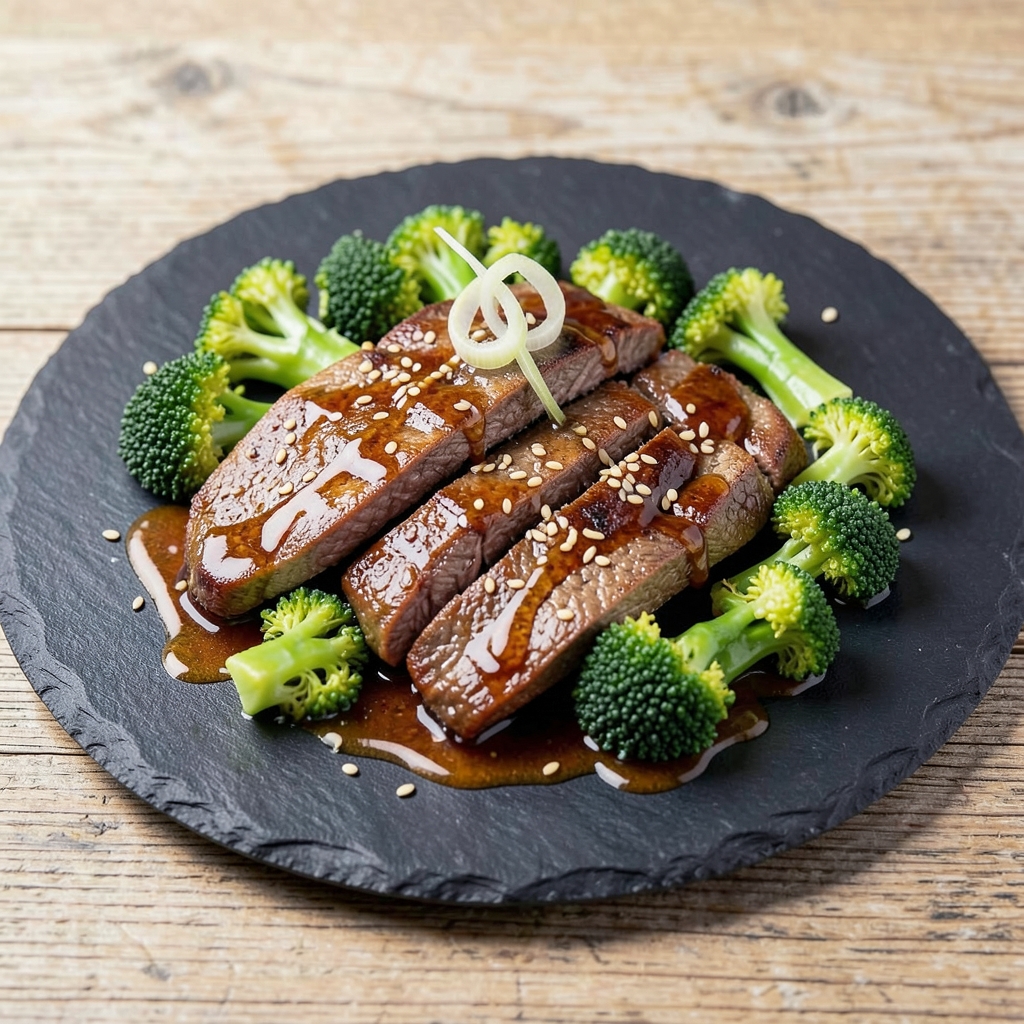
This Oriental beef and broccoli recipe delivers restaurant-quality wok-fired flavor in just 20 minutes—no takeout required. After years of testing, I’ve perfected a method that balances tender beef strips, crisp-tender broccoli, and a bold hoisin-soy sauce that clings perfectly.
The secret? High-heat stir-frying with just the right amount of garlic and ginger for depth.
What sets this recipe apart is the umami crunch—achieved by searing the beef until caramelized and blanching the broccoli to lock in color and texture. I’ve intentionally simplified the process without sacrificing authenticity, so you get that signature wok hei (breath of the wok) aroma at home.
The sauce, a mix of hoisin, soy, and a touch of honey, adds sweetness and stickiness that makes every bite irresistible.
By the time you’re done, you’ll have a golden-brown beef with crisp edges, vibrant green broccoli that stays crunchy, and a sauce that coats everything perfectly.
This dish is quick enough for weeknights but impressive enough for dinner guests—just serve it over steamed rice for the full experience. Let’s get cooking!
The best part? This recipe scales easily for leftovers, and the flavors only deepen as it sits. Garnish with sesame seeds or sliced green onions for extra freshness. Here’s how to make it—foolproof and restaurant-quality in your own kitchen.
Ingredients for oriental beef and broccoli
Pantry staples meet restaurant-quality wok-fired flavor in this quick beef and broccoli recipe.
| Ingredient | Amount | Notes |
|---|---|---|
| Flank Steak 🥩 | 1 ½ lb | Thinly sliced against grain |
| Broccoli Florets 🥦 | 2 cups | Tight florets, stems trimmed |
| Hoisin Sauce 🍶 | ½ cup | Store-bought or homemade |
| Light Soy Sauce 🍶 | ¼ cup | Kikkoman preferred |
| Sesame Oil 🫒 | 1 tbsp | Toasted sesame oil only |
| Honey 🍯 | 1 tbsp | Wildflower preferred |
| Garlic Cloves 🧄 | 4 cloves | Minced, fresh preferred |
| Fresh Ginger 🌿 | 1 tbsp | Grated, peeled |
| Vegetable Oil 🫒 | 2 tbsp | High smoke point |
| White Rice Vinegar 🍶 | 1 tbsp | For brightness |
| White Pepper 🌶️ | ¼ tsp | Freshly cracked |
| Sesame Seeds 🌾 | 1 tbsp | Toasted for garnish |
| Green Onions 🧅 | 2 whole | Sliced thin, white parts |
| Salt 🧂 | 1 tsp | Diamond Crystal preferred |
The beef is everything here. Flank steak slices thinly against the grain for tenderness, but sirloin or ribeye work too if that’s what you’ve got. Costco or local butchers often have it pre-sliced—just check the packaging. If you’re slicing yourself, keep it chilled until ready to cook. Broccoli should be bright green florets with no yellowing; Trader Joe’s has the best pre-cut florets for this. The hoisin sauce? Lee Kum Kee is the gold standard, but any brand with no added sugar works. I always grab extra—it disappears fast.
No hoisin? Substitute 2 tbsp soy sauce plus 1 tsp molasses for a quick fix. Fresh ginger and garlic are ideal, but powdered ginger at half the amount works in a pinch. The sesame oil is non-negotiable for that signature aroma—toasted sesame oil only, not the cheap stuff. For extra umami, add a dash of fish sauce to the sauce mix. And if your broccoli looks sad after cooking, blanch it first in boiling water for 30 seconds—locks in that vibrant green color. The rice vinegar adds brightness, but if you’re out, apple cider vinegar works too.
Beef and sauce reheat beautifully—just toss with a splash of water to loosen. Keeps for 4-5 days in the fridge, freezes for 3 months. I always make a double batch; the flavors deepen overnight. Garnish with toasted sesame seeds and green onions right before serving—that’s when it looks restaurant-worthy. For extra crunch, add 1/4 cup crushed peanuts to the sauce. Trust me, it’s worth it.
Why You’ll Love This Recipe
- One-Pan Magic: I swear by this recipe—just slice the steak, steam the broccoli, and toss it all in a pan. That sesame oil finish? It’s the secret weapon that ties everything together without extra dishes.
- Sweet-Savory Balance: The hoisin and soy sauce combo is chef’s kiss—sticky, tangy, and just sweet enough to make your taste buds dance. My kids fight over the last bite (and I don’t blame them).
- Lunchbox Hero: Pack it cold or reheat it—this dish holds up perfectly for work lunches or school meals. The broccoli stays crisp, the beef stays tender, and the sauce? It clings like a dream.
- Budget Stretch: Flank steak is affordable, and a single batch feeds four for under $15. Honestly, it’s my go-to when I need a filling, restaurant-quality meal without breaking the bank.
Step-by-step instructions for wok-fired beef and broccoli
Here’s how to achieve that perfect balance of tender beef and crisp-tender broccoli with a glossy, umami-rich sauce.
Prepare the Flank Steak for Maximum Tenderness
Begin by slicing the 1.5 lb flank steak thinly against the grain into ¼-inch thick strips. This is crucial—it ensures the beef cooks quickly and remains tender. Pat the sliced steak dry with paper towels to remove any surface moisture, which helps create a better sear later.
In a small bowl, combine the 1 tbsp sesame oil, 1 tbsp honey, 0.25 cup light soy sauce, 1 tbsp white rice vinegar, and 0.25 tsp white pepper. Whisk until fully emulsified. Add the sliced flank steak to this marinade and toss gently to coat evenly. Let it marinate for at least 15 minutes at room temperature while you prepare the remaining ingredients. The acidity in the rice vinegar will tenderize the meat further, and the sesame oil adds depth of flavor.
Blanch the Broccoli for Crisp-Tender Perfection
Bring a pot of water to a rolling boil. Add the 2 cups broccoli florets and cook for exactly 1 minute. This brief blanching preserves their vibrant green color and ensures they remain crisp-tender rather than mushy. Immediately drain and plunge them into ice water to stop the cooking process. Drain again thoroughly and set aside.
While the broccoli cooks, mince the 4 cloves garlic and grate the 1 tbsp fresh ginger. You’ll want finely minced garlic—this ensures it cooks quickly without burning. The ginger should be grated finely enough to dissolve into the sauce rather than remain as visible chunks. Set both aside for the next step.
Sear the Beef and Build the Sauce
Heat a wok or large skillet over high heat until it’s smoking hot. Add the 2 tbsp vegetable oil and swirl to coat the bottom evenly. Working in batches if necessary, add the marinated beef strips and sear for 1-2 minutes until they’re browned on both sides but still slightly pink in the center. The high heat is essential—it creates that wok-fired texture while keeping the beef tender. Remove the beef and set aside on a plate.
In the same wok, add the minced garlic and grated ginger. Cook for 30 seconds until fragrant—this releases their essential oils and forms the aromatic base of your sauce. Pour in the 0.5 cup hoisin sauce and stir to combine with the garlic-ginger mixture. Let it simmer for 1 minute to meld the flavors.
Combine and Finish with Crispy Garnishes
Return the seared beef to the wok along with the blanched broccoli florets. Toss everything together for 1-2 minutes until the broccoli is heated through and the sauce has coated the beef evenly. The broccoli should still retain its bright green color and slight crunch—this indicates perfect doneness. If the sauce is too thin, let it reduce for an additional 30 seconds over high heat.
Remove from heat and stir in the sliced 2 whole green onions and 1 tbsp toasted sesame seeds. The green onions add a fresh contrast to the rich flavors, while the sesame seeds contribute a nutty crunch. Taste and adjust seasoning with an additional pinch of salt if needed, though the combination of hoisin, soy sauce, and sesame oil should already be well-balanced.
Serve Immediately for Maximum Impact
Transfer the beef and broccoli to serving plates and garnish with an extra sprinkle of sesame seeds if desired. Serve immediately over steamed rice to soak up that delicious sauce. The contrast of the warm rice with the slightly cooled beef and broccoli creates the perfect temperature balance for each bite.
This dish is best enjoyed fresh, as the broccoli loses its crisp-tenderness when reheated. The flavors will continue to develop as you eat, with each bite delivering a perfect harmony of sweet, savory, umami, and slightly spicy notes from the white pepper. Don’t forget to save any leftover sauce for drizzling over rice or noodles the next day!
Pro Tips For Making Oriental Beef And Broccoli
- Slice Against the Grain: Flank steak’s muscle fibers run long—cutting perpendicular to them makes each bite tender. I used to ignore this and ended up with chewy slices; now I angle the knife at 45 degrees to the grain. Thinner strips (¼-inch max) cook faster and soak up sauce better.
- Parboil Broccoli First: Raw broccoli florets release water and steam when tossed with hot beef, turning your pan into a sad soup. Blanch the florets in boiling water for 30 seconds, then shock in ice water—this keeps them crisp and prevents soggy stir-fry. (Yes, it’s an extra step, but your dish won’t fall apart.)
- Deglaze with Soy Early: The moment you pull the beef off the pan, hit it with 1 tablespoon of light soy sauce and a splash of water. Scrape up those browned bits—this builds flavor faster than waiting for the sauce to simmer. I learned this the hard way when my first batch tasted bland despite all the hoisin.
- Finish with Cold Sesame Oil: Drizzle sesame oil at the very end, off the heat—it burns fast and adds a bitter note if you’re not careful. A teaspoon is enough; it’s potent. (I once added it mid-stir and had to start over.) Let it sit for 30 seconds so the aroma infuses without overpowering.
Best sauces and condiments for these flavors
Hoisin-Garlic Base
The foundation of this dish is the hoisin sauce, which brings that signature sweet-savory depth. I always use Lee Kum Kee for its perfect balance of fermented soybean paste and sugar, but Kikkoman or Huy Fong work too.
For extra umami, I add 1 tsp fish sauce to the sauce mix—trust me, it elevates everything. The garlic and ginger should be finely minced so they dissolve into the sauce rather than remain as chunks. If you’re short on time, powdered ginger works, but fresh is always better. 🧄
Sweet-Savory Balance
The sauce needs that perfect harmony of sweet and salty. I combine 0.5 cup hoisin with 0.25 cup soy sauce and 1 tbsp honey for that glossy, sticky finish. For a touch of brightness, I add 1 tbsp white rice vinegar—it cuts through the richness.
If you prefer a spicier kick, add ½ tsp chili flakes or a dash of Sriracha to the sauce. The key is to taste as you go; adjust the honey for sweetness or vinegar for tang until it sings. 🍯
Sesame Oil Magic
Toasted sesame oil is non-negotiable—it’s what gives this dish that authentic wok-fired aroma. I use 1 tbsp in the marinade and another 1 tsp drizzled over the finished dish for extra depth. Avoid the cheap, unrefined stuff; Kirkland Signature or La Choy are great budget-friendly options. For a nutty crunch, toast 1 tbsp sesame seeds in a dry pan for 30 seconds until golden, then sprinkle over the top. This adds texture and ties everything together. 🫒
Umami Boosters
If your sauce feels flat, it’s time for umami. I keep 1 tsp fish sauce and 1 tsp oyster sauce on hand for emergencies. Both add depth without overpowering. For a vegetarian twist, swap fish sauce for 1 tsp mushroom powder or 1 tbsp soy sauce.
The broccoli also contributes umami—blanching it first preserves its natural sweetness, which balances the savory sauce. Don’t skip this step; it’s the secret to that restaurant-quality crunch. 🥦
Finishing Touches
The garnishes make all the difference. Thinly sliced green onions add freshness, while toasted sesame seeds bring crunch. For extra flair, I drizzle a little extra sauce over the top right before serving. If you’re feeling fancy, add crushed peanuts or fried shallots for texture.
The goal is to contrast the rich, sticky sauce with something bright and crunchy. Serve immediately over steamed jasmine rice to soak up every last bit of flavor. ✨
Nutrition facts
Frequently asked questions
Can I substitute flank steak with another cut?
Sirloin, ribeye, or even chicken breast work well—just slice against the grain for tenderness. For pork lovers, pork tenderloin is a great swap. The key is thin, even slices that cook quickly. If using chicken, reduce cooking time by 30 seconds since it cooks faster than beef.
Why does my broccoli turn mushy?
Overcooking is the usual culprit. Blanch broccoli for exactly 1 minute (no longer!) and immediately shock in ice water. Also, avoid overcrowding the pan when stir-frying—cook in batches if needed. The broccoli should stay bright green and slightly crisp after stir-frying. For extra insurance, use younger florets (smaller stems) that cook faster.
What’s the best way to make this dish spicier?
Add ½ tsp chili flakes or 1 tsp sriracha to the sauce mix for heat. For a smoky kick, include 1 tsp gochujang (Korean chili paste) in the marinade. If you love fresh heat, toss in 1 thinly sliced Thai chili at the end. Remember—start with less and adjust to taste!
Can I make this ahead of time?
Yes! The flavors actually improve overnight. Store in an airtight container in the fridge for up to 4 days. Reheat gently in a skillet with a splash of water to restore moisture. For freezing, package components separately (beef, broccoli, sauce) and freeze for up to 3 months. Thaw overnight in the fridge before reheating.
What’s the secret to that perfect wok hei flavor?
High heat is key—use a smoking-hot wok or cast-iron skillet and work quickly. The sesame oil and garlic-ginger base create that signature aroma when cooked at high temperatures. For extra drama, add 1 tsp cornstarch to the sauce to thicken it slightly when reheating. The contrast of hot pan and cold ingredients creates those signature wok-fired flavors!

- Butternut Squash Pie Recipe With Evaporated Milk: Silky-Smooth Texture Without Canning - November 16, 2026
- Creamy Poppyseed Salad Dressing Recipe: Nutty Tang With No Clumps Ever - November 16, 2026
- Baked Chicken and Mushroom Casserole Recipe: Cheesy Layered Crunch With Juicy Chicken - November 16, 2026