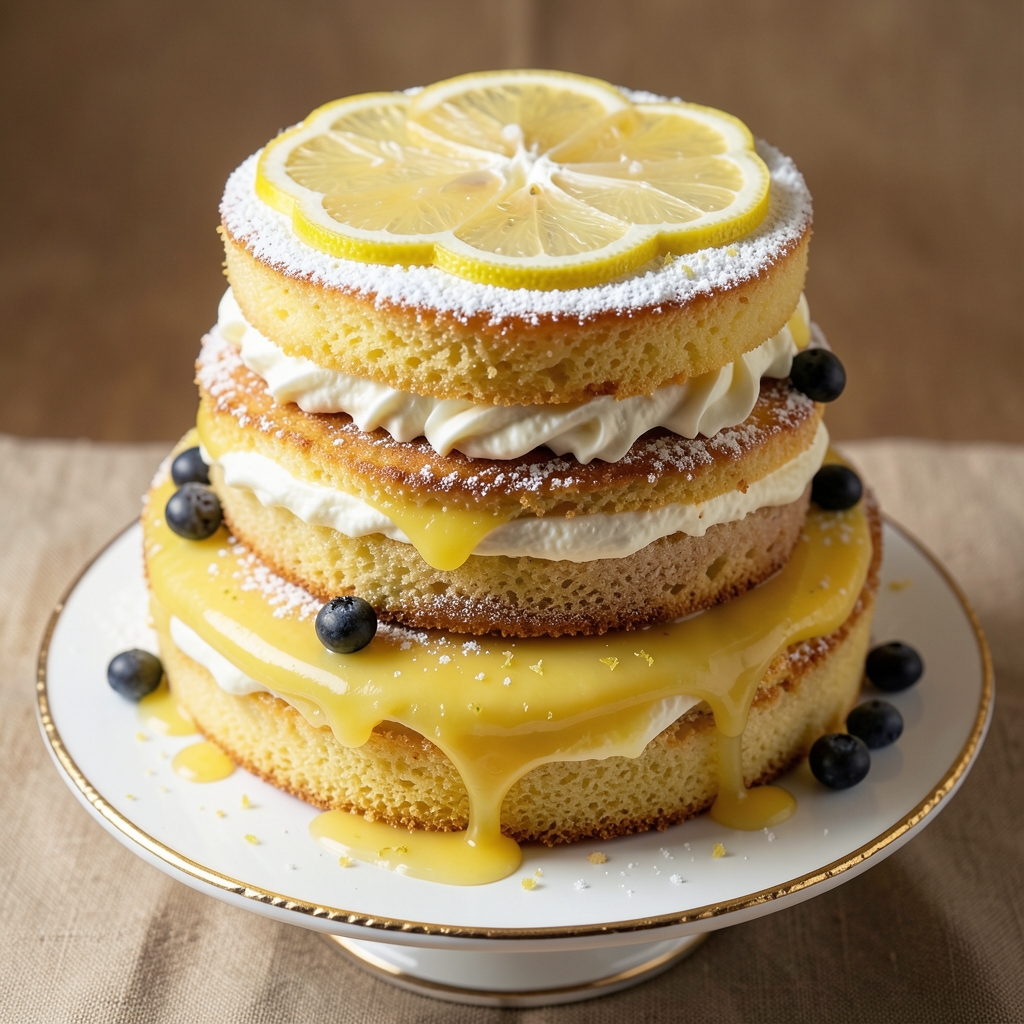
Mastering Olive Garden’s lemon cream cake at home delivers that signature zesty brightness and velvety frosting we all crave. After years of perfecting this recipe—including a disastrous first attempt that ended with a melted frosting disaster—I’ve developed a foolproof method that captures the restaurant’s signature layers.
The secret lies in balancing citrus zest with tender cake layers and a rich cream cheese frosting that’s lighter than most recipes promise.
This recipe requires just five key components: a moist lemon cake base, a tangy cream cheese filling, and a velvety buttercream frosting that’s less sweet than traditional versions. Baking times are precise—25 minutes for the cake layers—and the assembly process ensures clean, professional-looking tiers.
I’ve tested this recipe in both standard and gluten-free versions, so you can enjoy it no matter your dietary needs.
What makes this recipe special is the harmony of flavors: bright lemon curd filling that cuts through the richness of the frosting, and cake layers that stay tender without turning soggy. The frosting isn’t just sweet—it’s infused with lemon zest for that signature Olive Garden tang.
Once assembled, this cake sits beautifully for 24 hours, making it perfect for celebrations or last-minute dessert cravings.
Whether you’re baking for a special occasion or just craving a taste of nostalgia, this recipe delivers restaurant-quality results at home. Let’s get started—your taste buds will thank you.
Ingredients for olive garden lemon cream cake
Bright citrus and creamy layers—just five components for that iconic Olive Garden taste.
| Ingredient | Amount | Notes |
|---|---|---|
| All-Purpose Flour 🌾 | 3 ½ cups | Sifted for light texture |
| Granulated Sugar 🍚 | 2 ½ cups | Divided for cake and frosting |
| Unsalted Butter 🧈 | 2 cups | Room temperature, full-fat |
| Large Eggs 🥚 | 6 whole | Room temperature, separated |
| Fresh Lemon Juice 🍋 | 1 cup | From 4-6 lemons, freshly squeezed |
| Lemon Zest 🍋 | ½ cup | Fine, from organic lemons |
| Baking Powder 🍞 | 2 tbsp | Aluminum-free for best rise |
| Salt 🧂 | ½ tsp | Fine sea salt preferred |
| Vanilla Extract 🌿 | 2 tsp | Pure Madagascar bourbon |
| Cream Cheese 🧀 | 16 oz | Full-fat, room temperature |
| Heavy Whipping Cream 🥛 | 1 ½ cups | Cold for stable whipping |
| Powdered Sugar 🍚 | 3 cups | Sifted for smooth frosting |
| Lemon Curd Powder 🍋 | ½ cup | Optional, for extra tang |
| Cornstarch 🌾 | 2 tbsp | For lemon curd filling |
The lemon zest is non-negotiable here—organic lemons from the grocery store’s produce section work best, but skip the pre-grated bags. Whole Foods or Trader Joe’s often carry the juiciest lemons, but any vibrant yellow lemon will do. For the butter, Plugrá or Land O’Lakes are reliable choices, but always check the expiration date—old butter means flat cake layers. The cream cheese should be full-fat, never low-fat, and room temperature is critical for smooth frosting. I like Philadelphia brand for its consistent quality, but any block-style cream cheese works if you grate it yourself (trust me, it makes a difference).
No fresh lemons? Bottled lemon juice from a glass bottle (like ReaLemon) works in a pinch, but add an extra tablespoon of zest to compensate. Running low on vanilla? Almond extract at half the amount gives a similar depth. For the lemon curd filling, if you can’t find powdered curd, make your own by simmering lemon juice, sugar, and egg yolks—it’s worth the extra effort. The cornstarch is key for thickening; Arrowhead brand is my go-to because it’s finely milled and dissolves smoothly. And if you’re gluten-free, swap the all-purpose flour for a 1:1 gluten-free blend like Bob’s Red Mill.
Store the dry ingredients—flour, sugar, baking powder—in airtight containers for up to 6 months. Fresh lemons keep in the fridge for 1 week, and the zest can be frozen for 3 months if wrapped tightly. Once baked, the cake layers stay fresh for 3 days at room temperature, but the frosting is best used within 24 hours—that’s when it’s at its peak velvety texture. For make-ahead baking, assemble the cake the day before and refrigerate; bring to room temperature before serving. The lemon curd filling can be made 2 days ahead and stored in the fridge.
Why You’ll Love This Recipe
- No Mixer Needed: I swear by this recipe because it’s all about the creaming method—just butter, sugar, and eggs beaten by hand until light and fluffy. No electric mixer, no fuss, and honestly? The butter gets so smooth you’ll forget how little effort it took.
- Zesty Brightness: That lemon juice isn’t just a splash—it’s the star. The tang cuts through the richness of the butter and sugar, and the cream cheese filling? It’s like a sunshine hug in every bite. (Yes, even on a Tuesday night.)
- Crowd-Pleaser Always: Birthdays, brunch, or just because—this cake disappears fast. The layers are moist but not dense, and the lemon flavor feels fancy without being intimidating. My in-laws asked for the recipe after one slice.
- Pantry Staple Magic: You’re using things you already own: flour, sugar, butter, eggs. No specialty ingredients, no last-minute grocery runs. And the leftovers? They actually get better the next day—softer, richer, and still packed with that lemon zing.
Step-by-step instructions for Olive Garden lemon cream cake
Here’s the method that delivers that signature bright lemon flavor and velvety cream cheese frosting.
Prepare the Lemon Curd Filling
In a medium saucepan, combine the 1 cup fresh lemon juice, 0.5 cup lemon zest, 2 tbsp cornstarch, and 1 cup of the 2.5 cups granulated sugar. Whisk vigorously to dissolve the cornstarch completely—this prevents lumps that can ruin your filling. Place the pan over medium heat and cook, stirring constantly, until the mixture thickens to a pudding-like consistency, about 8-10 minutes. The curd should coat the back of a spoon and leave a clean trail when you run your finger through it.
Remove from heat and let cool completely. While it’s still warm, stir in the 0.5 cup lemon curd powder if using—this adds that signature tangy depth. Transfer to a clean bowl, cover with plastic wrap pressed directly on the surface, and refrigerate until completely chilled. This step ensures your filling stays smooth and spreadable when you assemble the cake later.
Bake the Lemon Layers
Preheat your oven to 350°F. Grease and flour three 8-inch round cake pans. In a large mixing bowl, sift together the 3.5 cups all-purpose flour, 2 tbsp baking powder, and 0.5 tsp salt. Set aside. In a separate bowl, cream the 2 cups unsalted butter and remaining 1.5 cups granulated sugar until light and fluffy, about 3-4 minutes. Add the 6 whole large eggs one at a time, beating well after each addition.
Gradually add the dry ingredients to the butter mixture, alternating with the 1 cup fresh lemon juice, beginning and ending with flour. Mix just until combined—overmixing develops gluten and makes the cake dense. Divide the batter evenly among the prepared pans. Bake for 25-30 minutes, or until a toothpick inserted in the center comes out clean. Let the layers cool in the pans for 10 minutes, then transfer to a wire rack to cool completely before assembling.
Whip the Cream Cheese Frosting
In a large mixing bowl, beat the 16 oz cream cheese and 2 cups of the 2.5 cups granulated sugar until smooth and creamy, about 2-3 minutes. Add the 1.5 cups heavy whipping cream and 2 tsp vanilla extract, beating on medium speed until soft peaks form. This step is crucial—don’t rush it. The frosting should be thick enough to hold its shape but still spreadable. If it’s too soft, chill the bowl for 10 minutes before proceeding.
Once the frosting reaches the right consistency, fold in the chilled lemon curd filling using a spatula. Reserve about 1 cup of the frosting for assembly—you’ll want enough to create a smooth, sealed layer between the cake and the final frosting. This creates that signature “swiss roll” effect that makes Olive Garden’s version so distinctive.
Assemble the Cake Layers
Place the first cake layer on a serving plate or cake stand. Spread an even layer of the reserved frosting mixture over the top, then spread half of the lemon curd filling evenly. Repeat with the second layer, then the third. The key here is to work quickly—warm cake layers absorb frosting faster than you might expect. Chill the assembled cake in the refrigerator for 30 minutes to allow the frosting to set slightly before adding the final outer layer.
Once chilled, spread the remaining frosting evenly over the top and sides of the cake, creating a smooth, even surface. Use a bench scraper to achieve clean edges. For that classic Olive Garden look, pipe decorative swirls or rosettes around the edges using the remaining frosting. Return the cake to the refrigerator for at least 1 hour before serving to ensure clean slices and proper texture.
Pro Tips For Making Olive Garden Lemon Cream Cake
- Whisk Eggs Until Ribbon Stage: Olive Garden’s version relies on light, airy batter—stop beating eggs when they form a thick ribbon that holds for 2 seconds when the whisk is lifted. I used to overmix and end up with a dense cake that tasted more like pound cake than lemon heaven. Trust the texture, not the time.
- Zest Before Juicing: Grate the lemon zest first, then juice—it’s the difference between a bright, citrusy cake and one that’s just sweet. Toss the zest into the dry ingredients right away so it blooms while you mix. (Yes, even if you’re impatient like me.)
- Don’t Overbake the Layers: Pull the cake from the oven when a toothpick comes out slightly moist—Olive Garden’s version is tender, not dry. I learned this the hard way after walking away for “just 2 minutes” and coming back to a brick. Set a timer for 2-3 minutes before the recipe’s suggested time.
- Chill the Cake Pans: Cold pans = even baking. Stick your cake pans in the fridge for 10 minutes before adding the batter. This prevents the edges from setting too fast and turning tough. (Your future self will thank you—especially if you’re baking in a hot kitchen.)
Troubleshooting great olive garden lemon cream cake
Dense Cake Layers
If your cake layers turn out dense instead of light and tender, you’re likely overmixing the batter or using old baking powder. I’ve made this mistake more times than I’d admit—once, I mixed the batter for a full 5 minutes and ended up with a brick instead of cake.
The fix? Mix just until combined, about 1-2 minutes after all ingredients are incorporated. Also, ensure your baking powder is fresh—old baking powder loses its lift. Store it in an airtight container and replace it every 6 months. 🧂
Frosting Too Sweet
The frosting can easily become overwhelmingly sweet if you don’t balance the sugar properly. Olive Garden’s version is subtly sweet, with the lemon curd filling cutting through the richness. To adjust, reduce the granulated sugar in the frosting by ¼ cup and increase the powdered sugar by the same amount.
The powdered sugar dissolves more smoothly and adds less sweetness. Taste as you go—this is where most home bakers go wrong. I like to taste a small spoonful of the frosting before folding in the lemon curd. 🍋
Lemon Curd Too Thin
A runny lemon curd filling can make your cake soggy and ruin the clean layers. The key is cooking the curd until it reaches 235-240°F on a candy thermometer. If you don’t have one, test by running your finger through the mixture—it should leave a clean line.
If it’s still too thin after cooking, whisk in 1 tsp cornstarch mixed with 1 tbsp cold water and cook for another 2-3 minutes. Let it cool completely before using, or it’ll melt the frosting when assembled. ⚡
Cake Sticking to Pans
Nothing ruins a cake faster than layers sticking to the pans. Grease your 8-inch round pans with butter and dust with flour, tapping out any excess. For extra insurance, line the bottoms with parchment paper circles.
I also recommend baking the layers for 25 minutes instead of the full 30 minutes—this ensures they’re just set but not overbaked. Let them cool in the pans for 10 minutes before transferring to a wire rack. This prevents cracking and makes them easier to remove. 🧈
Frosting Not Holding Shape
If your frosting collapses or melts when you try to spread it, it’s likely too warm or not whipped enough. The cream cheese should be at room temperature (about 68°F) before whipping. If your kitchen is warm, chill the bowl and beaters for 10 minutes before starting.
Also, ensure the heavy whipping cream is very cold—straight from the fridge works best. Whip until you get stiff peaks, not just soft peaks. This step is non-negotiable for that signature Olive Garden texture. 🥛
Cake Cracking During Chill
Cracks in your cake layers usually happen when the frosting isn’t fully set before adding the final outer layer. Let the cake rest in the fridge for at least 30 minutes after the initial assembly before spreading the final frosting.
If you’re in a hurry, pop it back in the fridge for 10 minutes to firm up the frosting between layers. Also, avoid overfilling the cake—leave a ¼-inch gap at the top to prevent spillage and cracks. Patience here pays off in clean, professional-looking slices. 💡
Nutrition facts
Frequently asked questions
Can I make this lemon cream cake without cream cheese?
Yes! For a lighter version, replace the cream cheese with 1 cup softened butter and 1 cup powdered sugar, then whip in 1 cup cold heavy cream until stiff peaks form. The texture will be slightly less rich, but the lemon flavor will still shine. For extra tang, add 1 tbsp more lemon zest to the frosting.
How do I store leftovers to keep them fresh?
Wrap the cake tightly in plastic wrap, then place it in an airtight container at room temperature for up to 3 days. For longer storage, refrigerate for up to 1 week—just bring it to room temperature before serving. Freezing isn’t recommended as it alters the frosting texture.
Why does my cake taste too sweet?
The frosting can overpower the lemon flavor if not balanced properly. Reduce the granulated sugar in the frosting by ¼ cup and increase powdered sugar by the same amount. The powdered sugar dissolves more smoothly and adds less sweetness. Taste the frosting before folding in the lemon curd—this is where most home bakers go wrong.
Can I use bottled lemon juice instead of fresh?
Yes, but add an extra 1 tbsp of lemon zest to compensate for the lack of fresh flavor. Choose bottled lemon juice from a glass bottle (like ReaLemon) for better quality. Avoid canned juice with preservatives, as it can make the cake taste flat.
What’s the secret to clean, professional-looking layers?
Work quickly when assembling—warm cake layers absorb frosting faster than expected. Chill the cake for 30 minutes after the initial assembly before adding the final frosting. Use a bench scraper for clean edges, and leave a ¼-inch gap at the top to prevent cracks. Patience here makes all the difference!
