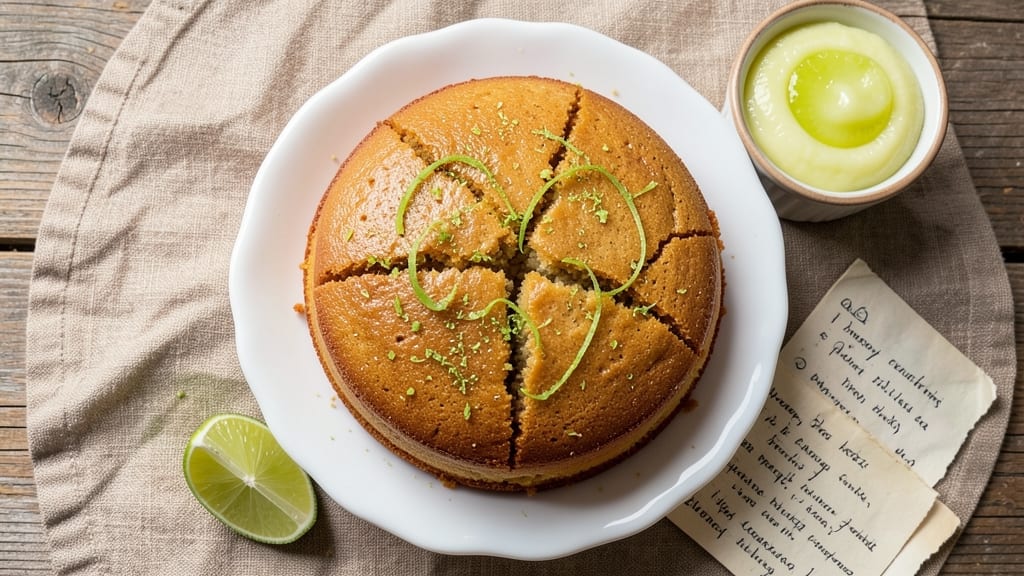
This lime pound cake recipe delivers the perfect balance of zesty citrus and rich, moist texture that stays fresh for days—ideal for brunch, dessert, or even breakfast.
After years of perfecting pound cakes in my Boston kitchen, I discovered that lime zest and juice transform this classic into something vibrant yet comforting. The secret lies in precise mixing techniques and the right ratio of citrus to butter, ensuring every slice stays tender without drying out.
What sets this recipe apart is its foolproof method for achieving that signature moist crumb while keeping the cake light and fluffy. Unlike many citrus cakes that can become dense, this version incorporates the lime into the batter at just the right moment, allowing the flavors to meld without overpowering.
The cake bakes up with a golden crust and a velvety interior that crumbles just enough for that perfect texture.
Once baked, this cake becomes even better as the flavors develop—ideal for serving at room temperature or lightly warmed with a dusting of powdered sugar. The lime’s bright acidity cuts through the richness of the butter and sugar, creating a dessert that’s both indulgent and refreshing.
Whether you’re hosting a brunch or simply craving a slice of something special, this recipe delivers every time.
For added flair, consider topping with a simple lime glaze or fresh berries, but the cake shines on its own. The key to success is patience—letting the batter rest and baking at the correct temperature ensures a cake that’s as impressive as it is delicious.
Let’s get started on creating your perfect lime pound cake.
Ingredients for lime pound cake
Pantry staples meet zesty citrus—this cake delivers that signature moist crumb every time.
| Ingredient | Amount | Notes |
|---|---|---|
| Unsalted Butter 🧈 | 1 cup | Room temperature, full-fat for richness |
| Granulated Sugar 🍚 | 2 cups | White or light brown preferred |
| Lime Zest 🍋 | 2 tbsp | From 2 large limes, finely grated |
| Fresh Lime Juice 🍋 | ½ cup | About 4-5 limes, strained |
| All-Purpose Flour 🌾 | 2 ½ cups | Sifted, for light texture |
| Baking Powder 🍞 | 2 tsp | Aluminum-free preferred |
| Salt 🧂 | ½ tsp | Fine sea salt |
| Large Eggs 🥚 | 4 whole | Room temperature, separated |
| Vanilla Extract 🌸 | 1 tbsp | Pure alcohol-free if preferred |
| Powdered Sugar 🍚 | ¼ cup | For glaze, optional |
| Milk 🥛 | ¼ cup | Whole milk for creaminess |
| Lemon Zest 🍋 | 1 tsp | Optional, for extra brightness |
The butter and sugar are your foundation here. Use European-style butter if you’re fancy—it’s higher in fat and gives a richer texture. Whole milk makes all the difference in moisture, so don’t skimp. For the limes, organic is best—the zest should be vibrant yellow, not pale or bitter. I grab mine from Whole Foods or my local Latin market where they’re always fresh. The zest is what carries that bright citrus flavor, so don’t use dried or bottled lime juice—it’s just not the same. If you can’t find fresh limes, key limes work too, but regular limes are more accessible everywhere. Pro tip: Roll the limes on the counter first to soften them before juicing—you’ll get more juice that way.
No lime zest? Double the lemon zest and add 1 extra teaspoon of lime juice, but it won’t be quite the same. Running out of baking powder? Club soda plus a pinch of cream of tartar works in a pinch, but measure carefully. The vanilla extract can be swapped for vanilla bean paste if you’re feeling indulgent—just use the same amount. For the milk, heavy cream or half-and-half works too, but the cake will be richer. If you’re making this ahead, store the zest separately and add it fresh before baking—it loses potency fast. The powdered sugar glaze is optional but adds that professional touch—just mix it with a splash of milk to make it pourable.
This cake keeps beautifully—5 days at room temperature wrapped in plastic, or 1 week refrigerated if you want to extend it further. For longer storage, freeze slices wrapped individually for up to 3 months. I like to slice it while still warm so the layers are clean. The glaze sets best after 10 minutes, so plan ahead if you’re serving immediately. Leftovers? Toss them in the toaster for a quick breakfast treat—trust me, it’s amazing. The cake actually improves as it sits, so if you’re nervous about serving it fresh out of the oven, let it rest overnight.
Why You’ll Love This Recipe
- No-Fuss Mixing: I swear by this recipe—just cream butter and sugar, fold in dry ingredients, and you’re done. No sifting, no special techniques, just a bowl, a whisk, and 10 minutes of hands-off time.
- Zesty Magic: That bright lime zest and juice? It’s the secret weapon. The butter keeps it rich, but the citrus cuts through like a summer breeze—moist, tender, and impossible to resist.
- Weekend or Weeknight: Slice it fresh for brunch with coffee or bake a second batch to stash in the freezer. Honestly, I’ve served it at potlucks, packed it for picnics, and even used it as a base for cheesecake filling—no regrets.
- Budget Bake: Butter and flour are pantry staples, and limes are cheap this time of year. A single cake feeds four, and leftovers last days wrapped in parchment—no sad, dry slices here.
Step-by-step instructions for lime pound cake
This vibrant lime pound cake delivers incredible moisture and zesty brightness that stays fresh for days.
Cream Butter and Sugars Together
In a large mixing bowl, combine the 1 cup unsalted butter (room temperature) with the 2 cups granulated sugar. Using an electric mixer on medium speed, beat for 3-4 minutes until the mixture becomes light and fluffy. You’ll see it nearly double in volume and turn pale—this incorporates air that creates that signature tender crumb.
Here’s the thing—don’t rush this step. The butter should be completely smooth with no graininess. If it looks too thick, let it sit at room temperature for another 10 minutes before continuing. The texture should be like thick whipped cream when you lift the beaters.
Add Eggs and Citrus Infusion
Add the 4 whole large eggs one at a time, mixing well after each addition. Then stir in the 0.5 cup fresh lime juice, 2 tbsp lime zest, and 1 tbsp vanilla extract. Mix on low speed just until combined—about 30 seconds total. The mixture will look slightly curdled, but that’s normal and will resolve in the next step.
For extra brightness, add the 1 tsp lemon zest now. The combination of lime and lemon creates a complex citrus flavor that’s far more interesting than lime alone. Don’t skip the zest—it carries the aromatic oils that make this cake truly special. The batter should now be smooth and pale yellow with visible citrus flecks.
Combine Dry Ingredients
In a separate bowl, whisk together the 2.5 cups all-purpose flour, 2 tsp baking powder, and 0.5 tsp salt. Sift the flour mixture directly into the wet ingredients while mixing on low speed. Add the 0.25 cup milk and mix just until the flour is incorporated—you should still see some streaks of flour. Overmixing develops gluten and makes the cake tough.
This is where the magic happens. The dry ingredients should blend smoothly, creating a thick but pourable batter. If it’s too stiff, add 1-2 tablespoons more milk until it reaches a consistency like heavy pudding. The batter should be thick enough to hold peaks when dropped from a spoon but still flow when poured.
Bake to Golden Perfection
Preheat your oven to 350°F. Grease and flour a 9-inch tube pan or line it with parchment paper. Pour the batter into the prepared pan and smooth the top. Bake for 50-60 minutes until a toothpick inserted in the center comes out clean. The cake should be golden brown on top and slightly domed in the center.
I know it seems like a long time, but patience pays off here. The cake needs time to set properly in the center while developing that perfect crust. If the top browns too quickly, tent the pan with aluminum foil after 30 minutes. The internal temperature should reach 205-210°F when done—this ensures complete doneness without drying.
Cool and Glaze (Optional)
Remove the cake from the oven and let it cool in the pan for 15 minutes. Then invert it onto a wire rack to cool completely. For that professional touch, whisk together the 0.25 cup powdered sugar with 1-2 tablespoons milk or lime juice to create a light glaze. Drizzle over the cooled cake and let it set for 10 minutes before slicing.
The glaze isn’t just for looks—it adds extra moisture and makes each slice look stunning. If you prefer a simpler finish, skip the glaze and enjoy the cake as-is. Either way, this cake stays moist for 4-5 days when stored properly in an airtight container. The citrus flavors actually intensify as it sits, making it even more delicious the next day!
Pro Tips For Making Lime Pound Cake
- Melt Butter Slowly: I learned this the hard way—dumping cold butter into hot sugar makes butter splatter like a science experiment gone wrong. Instead, cut the butter into small cubes and let it melt gradually into the sugar over medium heat. This keeps the mixture smooth and prevents lumps that’ll ruin your cake’s texture.
- Zest First, Juice Last: Fresh lime zest packs way more flavor than bottled, but it’s easy to overdo it if you’re not careful. Use a microplane and rub the zest only on the outer yellow part—skip the pith (that bitter white stuff). Save the juice for later; zest loses potency fast, so add it last when mixing dry ingredients.
- Don’t Overmix the Batter: Pound cakes rely on tender layers, not tough gluten. Mix the wet and dry ingredients just until combined—lumpy is fine. Overmixing turns your cake into a dense brick. Stop when the flour disappears, even if it looks uneven. Trust me, your fork will thank you.
- Test for Doneness Early: This isn’t a cake that waits. Check for doneness at 45 minutes with a toothpick—it should come out clean or with one moist crumb. If the top browns too fast, tent it with foil early. Overbaking dries out the lime flavor, and no one wants a sad, crumbly cake. Pull it when it’s just done.
Storing and reheating this lime pound cake
Room Temp Storage
This cake stays wonderfully moist at room temperature for 5 days when wrapped tightly in plastic wrap or stored in an airtight container. I like to slice it while still warm so the layers separate cleanly—just let it sit at room temp for 30 minutes before serving.
The citrus flavors actually deepen overnight, so if you’re nervous about serving it fresh, let it rest in the pan for 1 hour after baking.
For extra protection, place a slice of bread on top of the cake before wrapping—it absorbs any excess moisture and keeps the layers from drying out. 💫
Fridge Preservation
For longer storage, refrigerate the cake in an airtight container for up to 1 week. The cold temperature helps preserve the moisture, but the texture becomes slightly denser. To revive it, let slices sit at room temperature for 10 minutes before serving.
I often make a batch on weekends and keep it chilled for midweek treats. If you’re storing the glaze separately, keep it refrigerated in a small jar—it’ll stay fresh for 5 days and can be reheated gently if it thickens. 🍋
Freezing for Later
Slice the cake while still warm and wrap each portion tightly in plastic wrap, then place in a freezer bag. This method prevents freezer burn and keeps the cake moist for up to 3 months.
When ready to serve, thaw slices at room temperature for 1-2 hours—microwaving can make them gummy. I like to freeze individual portions for quick breakfasts or dessert cravings. For extra protection, add a layer of parchment paper between slices before freezing.
The texture remains tender when thawed properly, though the glaze may need reheating if it sets too firmly. ❄️
Reheating Secrets
For a warm slice, pop it in a 300°F oven for 5-7 minutes—just until heated through. The low temperature prevents drying. If you’re in a hurry, use the microwave on 50% power for 15-20 seconds per slice, then cover with a damp paper towel to restore moisture.
The best method? Eat it at room temperature—the flavors are most vibrant when not heated. For toasting, spread slices with butter and toast in a pan until golden—this makes an amazing breakfast treat. 🔥
Glaze Refresh Tips
If your glaze thickens in the fridge, thin it with 1 tsp lime juice or warm water before reheating. For a quick fix, microwave the glaze for 10 seconds** to loosen it.
I sometimes make extra glaze and freeze it in ice cube trays—just pop out what you need and thaw. The glaze adds moisture to each slice, so don’t skip it if you’re storing the cake long-term.
For a no-fuss option, brush slices with melted butter instead of glaze—it keeps the cake tender without extra effort. 💡
Nutrition facts
Frequently asked questions
Can I substitute lemons for limes in this recipe?
While you can use lemons, the flavor profile changes significantly. Limes provide a brighter, more tart citrus note that pairs perfectly with the rich butter base. For a lemon version, reduce the zest to 1 tbsp and juice to 0.3 cup, then add 1 tsp extra vanilla to balance the flavor. The cake will still be delicious but with a more subtle citrus punch.
Why does my lime pound cake turn out dense?
Dense texture usually comes from overmixing the batter or underbaking. Make sure to mix the wet and dry ingredients just until combined—stop when you still see flour streaks. Also, check your oven temperature with an oven thermometer (350°F is critical) and bake until a toothpick comes out clean. Another common mistake is using cold butter—it should be soft but not melted when creaming.
How do I make this cake gluten-free?
Replace the all-purpose flour with a 1:1 gluten-free baking flour blend (like Bob’s Red Mill) plus an extra 1 tsp xanthan gum. For best results, also use a gluten-free baking powder. The texture will be slightly different but still moist. Expect the cake to brown faster, so tent with foil after 25 minutes of baking. The citrus flavors will still shine through!
Can I bake this in a different pan size?
Yes, but adjust baking time accordingly. For an 8-inch round pan, bake 40-45 minutes (it’s shallower). For a 10-inch tube pan, bake 60-70 minutes. Always check doneness with a toothpick. The key is baking until the internal temperature reaches 205-210°F. A loaf pan would work too—bake 50-60 minutes and slice on the diagonal for pretty portions.
What’s the best way to serve this cake?
This cake is incredibly versatile! Serve warm slices with whipped cream and fresh berries for a brunch treat, or enjoy it at room temperature with a dusting of powdered sugar. For a tropical twist, top with toasted coconut flakes and a dollop of lime curd. It’s also perfect for breakfast—slice and toast with butter and jam. The glaze makes an elegant finish for special occasions, but the cake tastes amazing plain too!

- Betty Crocker Chocolate Devil Cake Recipe: Moist Layers With Fudgy Frosting - November 8, 2026
- Beetroot Fries Recipe: Earthy Sweetness With Crispy Edges - November 8, 2026
- Old Bay Seasoning Crab Cake Recipe: Crispy-Golden Bites with Zesty Maryland Flair - November 8, 2026