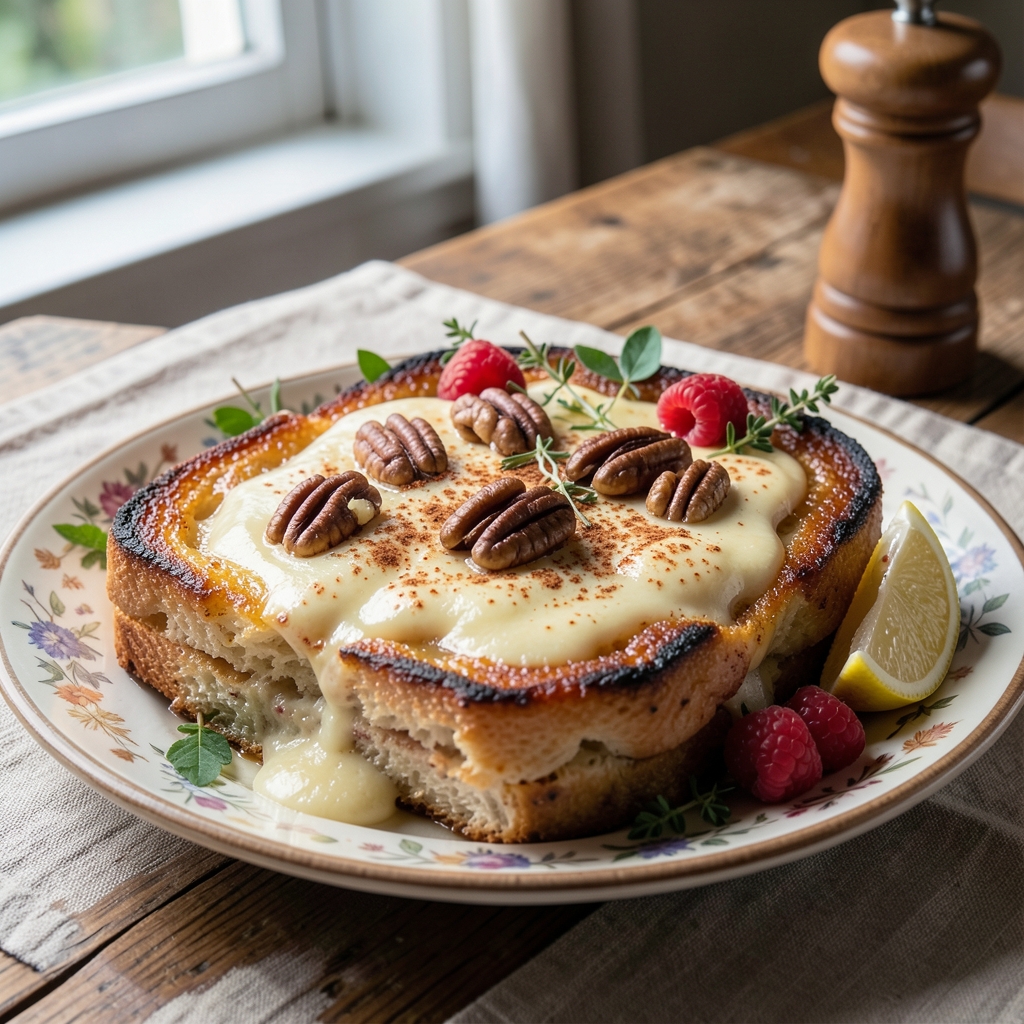
This left-over bread recipe for crustless French toast casserole turns stale loaves into a golden, custardy breakfast that’s equal parts indulgent and ingenious. This recipe proves that leftovers can be just as impressive as anything you’d order at a diner—without the mess of flipping individual slices.
The secret lies in layering bread with eggs, milk, and spices, then baking until golden and custardy.
What makes this dish truly special is its versatility—sweet or savory, it adapts to whatever you have on hand. A sprinkle of cinnamon and brown sugar creates a classic breakfast, while adding herbs and cheese transforms it into a brunch-worthy side.
The best part? It bakes while you sleep, so you wake up to a warm, comforting meal ready to serve.
Each bite delivers a tender, custardy texture with just the right amount of crispness at the edges, thanks to the egg-milk mixture that soaks into every crumb.
The aroma alone—warm vanilla, buttery richness, and a hint of cinnamon—will have everyone gathering around the table before the first cup of coffee is poured.
Perfect for feeding a crowd, meal prepping, or using up that half-loaf of bread sitting on your counter. The recipe scales easily, and leftovers reheat beautifully, making it an ideal solution for busy mornings. Let’s turn those stale slices into something extraordinary.
Ingredients for left over bread
Stale bread, eggs, milk, and butter transform into golden custardy perfection overnight.
| Ingredient | Amount | Notes |
|---|---|---|
| Stale Bread Loaves 🍞 | 1 ½ lb | French, brioche, or sourdough preferred |
| Large Eggs 🥚 | 6 whole | Room temperature for even baking |
| Whole Milk 🥛 | 2 cups | Full-fat for creaminess (or half-and-half) |
| Unsalted Butter 🧈 | ½ cup | Melted, salted if desired |
| Granulated Sugar 🍚 | ¼ cup | Adjust for sweetness preference |
| Ground Cinnamon 🌿 | 2 tsp | Freshly ground for best flavor |
| Vanilla Extract 🍯 | 1 tbsp | Pure extract, not imitation |
| Salt 🧂 | ½ tsp | Diamond Crystal kosher preferred |
| Powdered Sugar 🍚 | ¼ cup | For topping, optional |
| Maple Syrup 🍁 | ¼ cup | For serving, optional |
| Fresh Berries 🍓 | 1 cup | For garnish, optional |
| Cream Cheese 🧀 | 4 oz | Optional for savory variation |
The bread is the star here—French or sourdough works best for texture, but any stale loaf will do. Trader Joe’s and Whole Foods often have great bakery bread at discounts, perfect for this. If you’re using a baguette or crusty loaf, tear it into large chunks for even baking. The key is using bread that’s truly stale—not just slightly dry. Think crumbs when you squeeze it. For a savory twist, swap the sugar and cinnamon for garlic powder and Parmesan—just add those later in the assembly.
No butter? Olive oil or coconut oil works in a pinch, though butter gives that signature richness. Short on milk? Half-and-half or heavy cream makes it extra decadent, but whole milk keeps it classic. The eggs are non-negotiable—they create that silky custard texture. For a vegan version, use flax eggs (3 tbsp ground flax + 9 tbsp water per egg), but texture will differ slightly. The powdered sugar topping is optional but adds that diner-style crunch—sift it on right before baking so it doesn’t sink in. Fresh berries or sliced bananas make perfect garnishes for serving.
This casserole tastes even better the next day—make it the night before for maximum flavor. Store leftovers covered in the fridge for 4-5 days, though it rarely lasts that long. Reheats beautifully in the microwave for 20-30 seconds (cover with a damp paper towel to keep it moist). For a make-ahead brunch, assemble the dish the night before and bake in the morning. The aroma alone will wake everyone up. Freezes well for up to 3 months—just thaw overnight in the fridge before reheating. Portion into individual ramekins for single servings.
Why You’ll Love This Recipe
- No-Waste Magic: I swear by this trick—toss in those stale loaves that’d otherwise end up in the trash, and suddenly you’ve got something golden and crispy. No fancy prep, just tear, soak, and bake. Honestly, it’s the kind of recipe that makes me feel like a genius for remembering it.
- Buttery Sweet Crunch: That sugar-butter-milk mix? It’s what turns soggy bread into something ridiculously good—think custardy, caramelized edges with a soft center that’s still got structure. I’ll be real: my kids fight over the last piece, and I don’t even bake often.
- Breakfast or Snack: Make a big batch on Sunday, and you’ve got a go-to for lazy mornings, after-school snacks, or even a quick dessert with a drizzle of honey. I’ve served it warm with jam for brunch or cold as a picnic treat—works every time, no overthinking.
- Pocketbook Hero: Eggs, milk, butter, sugar—these are pantry staples that won’t break the bank. Using up old bread? Even better. Between us, this is how I stretch groceries without sacrificing flavor, and it’s saved me from buying pre-packaged snacks that cost three times as much.
Step-by-step instructions for crustless French toast casserole magic
Transform those stale loaves into a decadent breakfast masterpiece with minimal effort.
Prepare the Bread and Mix the Wet Ingredients
Begin by cutting the 1.5 lb stale bread loaves into ½-inch thick slices—this ensures even cooking and proper absorption of the custard mixture. Arrange the slices in a single layer on a baking sheet, then place them in the freezer for 15 minutes. This chilling step prevents the bread from soaking up too much liquid too quickly, which guarantees a perfect texture in the final casserole.
While the bread chills, create the custard base by whisking together the 6 whole large eggs, 2 cups whole milk, 0.5 cup melted unsalted butter, 0.25 cup granulated sugar, 2 tsp ground cinnamon, 1 tbsp vanilla extract, and 0.5 tsp salt in a large bowl. The mixture should be smooth and fully combined, with no visible streaks of butter or sugar. Here’s the thing—room temperature eggs blend more easily, so if they’re straight from the fridge, let them sit at room temperature for 10 minutes before mixing. This ensures a silky, lump-free custard that will give your casserole that signature creamy texture.
Assemble the Casserole for Perfect Texture
In a 9×13-inch baking dish, spread half of the chilled bread slices in an even layer, ensuring they overlap slightly but don’t pile up. Pour half of the custard mixture evenly over the bread, using a spatula to gently press it into the slices so every piece absorbs the custard. Repeat with the remaining bread and custard, creating a second layer. The goal here is to distribute the custard evenly—this prevents dry spots and ensures each bite is moist and flavorful.
For that signature French toast flavor, sprinkle the 4 oz cream cheese (if using) evenly over the top layer of bread. The cream cheese adds a subtle tang and richness that pairs beautifully with the cinnamon and vanilla. If you’re making a savory version, now’s the time to add ingredients like diced ham or sautéed mushrooms instead. Cover the baking dish with plastic wrap and refrigerate for at least 2 hours, or overnight for best results. This chilling step allows the bread to fully absorb the custard, creating a cohesive, custard-rich casserole that holds together beautifully when baked.
Bake to Golden Perfection
Preheat your oven to 350°F and let the casserole sit at room temperature for 15 minutes before baking. This gradual temperature adjustment prevents cracking. Bake uncovered for 40-45 minutes, until the top is golden brown and the edges are set. You’ll know it’s done when the center still jiggles slightly but the top has developed a beautiful caramelized crust. Here’s where it gets fun—if the top starts to brown too quickly, tent it loosely with aluminum foil to prevent over-browning while still allowing the casserole to cook through evenly.
During the last 5 minutes of baking, sprinkle the 0.25 cup powdered sugar evenly over the top. This creates a delicate, sweet dusting that contrasts beautifully with the warm, spiced casserole beneath. Remove from the oven and let it rest for 10 minutes before serving—this resting period allows the custard to set slightly, making it easier to slice and serve without falling apart.
Serve with Fresh Toppings
Slice the casserole into 6 equal portions and serve immediately while warm. The contrast of the warm, spiced casserole with cool, fresh toppings is what makes this dish truly special. Drizzle each serving with 0.25 cup maple syrup and garnish with 1 cup fresh berries for a pop of color and acidity that cuts through the richness. If you’re serving a crowd, you can also prepare the berries and syrup in small bowls for guests to customize their own servings.
For an extra touch of indulgence, serve with a dollop of whipped cream or a scoop of vanilla ice cream on the side. The beauty of this casserole is its versatility—it’s equally delicious for a weekend brunch, a make-ahead breakfast for busy mornings, or even a comforting dinner when paired with a simple green salad. The key to success lies in the balance of textures: the crispy edges, the creamy custard, and the fresh, vibrant toppings all come together to create a dish that feels both luxurious and effortless.
Pro Tips For Making Left Over Bread
- Tear It Right: Use your hands or a serrated knife to rip stale bread into 1-inch chunks—no need for perfect cubes. I learned this the hard way: pre-cutting bread into even slices makes the mixture uneven when it bakes, and those slices turn to sad, gummy edges instead of crispy pockets.
- Soak the Crumbs: Dump the bread chunks into a bowl and pour the milk over them first, then stir in eggs and butter. Letting the bread absorb the milk for 5 minutes before mixing prevents a dry, crumbly texture—your future self will notice the difference when the finished dish holds together like a proper French toast casserole.
- Butter Matters: Melt the butter just until liquid, then let it cool slightly before mixing—room temp butter blends smoother and doesn’t turn your custard greasy. I used to dump cold butter straight in and wondered why my dish always tasted like a science experiment gone wrong.
- Bake Low and Slow: Skip the high-heat rush—bake at 350°F (175°C) for 30-35 minutes until the center is set but still slightly jiggly. High heat makes the top brown too fast while leaving the middle undercooked, and nobody wants a rubbery center in their bread pudding.
Serving suggestions for left over bread
Sweet Breakfast Pairings
Serve this casserole with fresh strawberries or blueberries for a bright, juicy contrast that cuts through the richness. I like to arrange them in a circular pattern on the plate, drizzling each with a little maple syrup for that classic diner touch.
For an extra-special presentation, add a dollop of whipped cream and a sprinkle of toasted almonds—it looks like something from a brunch buffet. 🍓
Savory Brunch Additions
Transform this into a brunch star by pairing it with crispy bacon or sautéed mushrooms. I often serve it alongside a spinach and feta omelet for a protein-packed spread. For a vegetarian option, add roasted cherry tomatoes and crumbled goat cheese to the plate.
The key is balancing textures—creamy casserole with crispy, fresh, and chewy elements keeps every bite interesting.
Coffee and Tea Pairings
A strong Italian roast coffee or chamomile tea complements the warm spices beautifully. I reach for Lavazza Super Crema when I make this for family—its bold flavor stands up to the cinnamon and vanilla.
For tea lovers, an Earl Grey with its bergamot notes adds a sophisticated twist. Avoid overly sweet drinks that might clash with the natural sweetness of the casserole.
Make-Ahead Brunch Spread
Assemble this casserole the night before and bake it fresh in the morning. Pair it with pre-made sausage patties (just heat in a skillet) and warm biscuits for a complete Southern-style brunch.
I also like to set out small bowls of honey, jam, and nut butter so guests can customize their servings. The beauty of this dish is how well it holds up—it reheats like a dream and tastes even better the second time around.
Dessert-Style Serving
For a dessert twist, serve warm slices with vanilla ice cream and a drizzle of caramel sauce. The contrast of cold ice cream with warm casserole is pure comfort food magic.
I sometimes add a pinch of sea salt to the powdered sugar topping to enhance the flavors—it’s a trick I learned from my Nonna in Sicily. Garnish with mint leaves for a fresh finish that elevates the whole plate. 🍦
Kid-Friendly Presentation
Make it fun for little ones by cutting the casserole into fun shapes with a cookie cutter. Serve with mini chocolate chips or sprinkles on the side for dipping.
I’ve even turned it into a “build-your-own” station with toppings like banana slices, peanut butter, and chocolate chips. Kids love assembling their own plates, and it’s a great way to sneak in extra fruit or protein. The key is keeping portions small so they don’t get overwhelmed.
Nutrition facts
Frequently asked questions
Can I use any type of bread for this recipe?
While this recipe works with most breads, French, brioche, or sourdough deliver the best texture—crusty enough for structure but soft enough to soak up the custard. Avoid overly dense breads like rye or pumpernickel, as they may not absorb the mixture well. For a lighter version, try challah or brioche, while whole wheat adds a nutty depth.
How do I fix my casserole if it’s too dry?
If your casserole turns out dry, it likely didn’t absorb enough custard. Next time, chill the bread slices for 20 minutes (not just 15) before assembling to slow moisture absorption. For a quick fix, drizzle warm casserole slices with heavy cream or warm milk and let sit for 5 minutes before serving. A sprinkle of powdered sugar also adds moisture and sweetness.
Can I make this savory instead of sweet?
Swap the sugar and cinnamon for garlic powder, onion powder, and dried herbs like thyme or rosemary. Add shredded cheese (Parmesan or cheddar) and optional toppings like diced ham, sautéed mushrooms, or spinach before baking. The custard base remains the same—just adjust the seasonings to your taste.
How long can I store leftovers, and how do I reheat?
Store leftovers in an airtight container in the fridge for 4-5 days or freeze for up to 3 months. Reheat individual portions in the microwave for 20-30 seconds (cover with a damp paper towel to keep it moist). For oven reheating, cover with foil and bake at 325°F for 15 minutes until warmed through. The texture stays best when reheated gently.
Why did my casserole crack on top?
Cracking usually happens from sudden temperature changes. Let the assembled casserole sit at room temperature for 15 minutes before baking, and avoid opening the oven door too often. If it cracks, sprinkle extra powdered sugar or breadcrumbs on top before the final 5 minutes of baking to create a protective crust. The cracks won’t affect the flavor—just the presentation!

- Diners Drive-Ins and Dives Beef Brisket Recipe: Smoky, Slow-Cooked Tenderness Unlocked - November 8, 2026
- Texas Roadhouse Steak Kabobs Recipe: Smoky Grill-Flavor With Charred Perfection - November 8, 2026
- King Arthur Fluffy Dinner Rolls Recipe: Buttery Pillowy Layers in 10 Minutes - November 8, 2026