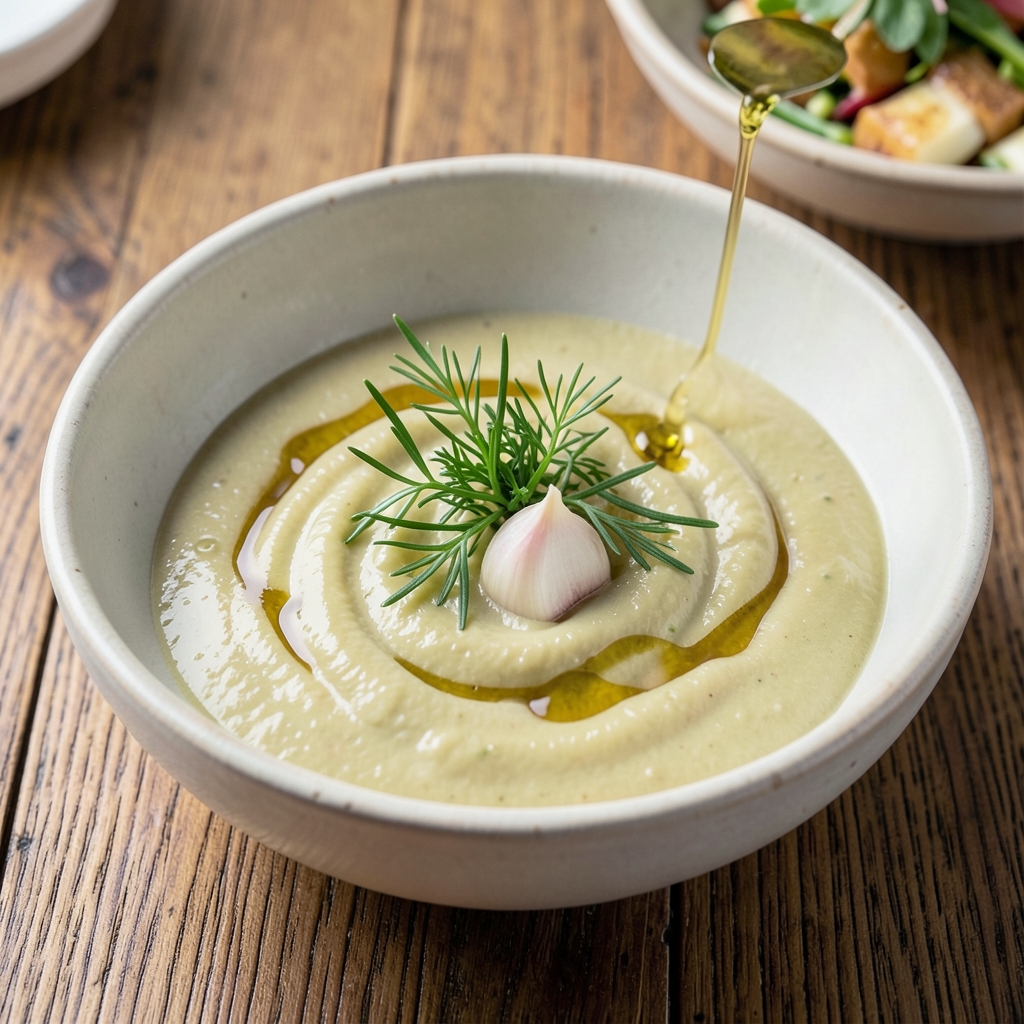
This leek flower sauce transforms humble leeks into a velvety, umami-rich cream that’ll elevate any dish from ordinary to extraordinary. I first made it after discovering how leek flowers—often discarded—pack a punch of floral sweetness that brightens even the richest sauces.
The secret lies in balancing their delicate flavor with creamy texture and fresh herbs, creating something that’s both sophisticated and approachable.
What makes this sauce special is its versatility—it works as a drizzle over soups, a swirl in pasta, or a glaze for proteins. The recipe uses just 8 ingredients, including pantry staples and fresh herbs, and comes together in under 20 minutes.
No fancy techniques required, just a blender and a little patience to let flavors meld. The result? A sauce that’s creamy yet light, with layers of savory depth and herbal freshness that’ll have everyone asking for seconds.
Imagine spooning this golden-hued sauce over creamy potato leek soup or swirling it into a bowl of fettuccine—each bite delivers a harmonious blend of earthy leek, floral notes, and bright herbs.
It’s the kind of sauce that turns simple meals into something memorable, and it keeps well in the fridge for up to 5 days, so you can make a big batch and enjoy it all week. The best part?
You can tweak the herbs or add a splash of lemon for extra brightness, making it your own.
Whether you’re prepping for a dinner party or just craving something special, this sauce is your secret weapon. It’s foolproof, adaptable, and packed with flavor—exactly what you need to take your cooking to the next level. Let’s get blending!
Ingredients for leek flower sauce
Eight ingredients, one blender, and a sauce that’ll make your dishes unforgettable.
| Ingredient | Amount | Notes |
|---|---|---|
| Leek Flowers 🌼 | ½ cup | Fresh, cleaned and dried |
| Heavy Cream 🥛 | 1 cup | Full-fat for best texture |
| Fresh Chives 🌿 | ¼ cup | Finely chopped, stems and leaves |
| Fresh Tarragon 🌿 | 0.15 cup | Chopped, stems removed |
| Garlic Cloves 🧄 | 2 cloves | Peeled, roughly chopped |
| Extra-Virgin Olive Oil 🫒 | ¼ cup | High-quality, fruity |
| Lemon Juice 🍋 | 1 tbsp | Freshly squeezed |
| Sea Salt 🧂 | ½ tsp | Fine grain preferred |
Leek flowers are the star here—farmers markets or specialty grocers usually carry them in season (spring/summer). Look for vibrant, fresh blooms with no wilting. If you can’t find them, young leek greens work in a pinch, but the flavor won’t be as floral. The cream needs to be cold when you start blending—room temperature won’t whip as well. For herbs, I grab fresh chives and tarragon from the grocery store’s produce section, but dried will work at half the amount if you’re in a bind. Just don’t skimp on the quality of the olive oil—this is where the sauce gets its richness.
No leek flowers? Extra chives or green onions can mimic the mild onion notes, though you’ll lose that signature floral punch. Heavy cream too rich? Swap for half-and-half or Greek yogurt for a lighter texture. Want more depth? Add 1 tsp of Dijon mustard to the blend. The lemon juice can be bottled, but freshly squeezed makes a difference. For extra umami, a pinch of fish sauce (like Red Boat) works wonders—just a teaspoon, trust me. And if you’re feeling adventurous, a splash of white wine or vegetable broth can replace some of the cream.
This sauce keeps beautifully—5 days in the fridge covered with plastic wrap pressed right on top. For longer storage, freeze in 1-tbsp portions in ice cube trays, then transfer to a bag. Thaw overnight in the fridge. Reheat gently on low heat, stirring constantly—never boil, or it’ll break. I like to drizzle it over hot dishes so it melts right into the texture. If the sauce separates, just give it a quick whirl in the blender. Works like a charm.
Why You’ll Love This Recipe
- No-Chop Nightmare: I swear by this recipe—just toss in whole leek flowers (no trimming needed) and let the garlic and tarragon work their magic. The flowers soften into these delicate, almost floral bites while the cream thickens into something velvety. (Yes, even on a Tuesday night when you’re exhausted.)
- Herb Bomb Flavor: That first bite of creamy sauce with the bright chives and tarragon? It’s like a French bistro in a bowl. The garlic adds a slow-building warmth, and the leek flowers bring this unexpected floral crunch that makes it unforgettable. (I’ll be real: I’ve made it three times in a row.)
- Double-Duty Sauce: Drizzle it over roasted chicken, toss it with pasta, or serve it alongside grilled fish—it’s my go-to for weeknight dinners and weekend feasts. The heavy cream keeps it rich but not heavy, so it works for lunch or dinner without feeling like a splurge.
- Leftovers That Lie: This sauce actually tastes better the next day—honestly. The flavors meld even more, and it’s perfect for meal prep because it reheats smoothly. Plus, it’s budget-friendly; a single batch stretches across three meals, and those leek flowers? They’re cheaper than you’d think. (My secret weapon.)
Step-by-step instructions for leek flower sauce
This velvety sauce comes together in minutes with simple techniques and bold flavors.
Bloom the Leek Flowers in Olive Oil
Heat the 0.25 cup extra-virgin olive oil in a medium saucepan over medium-low heat. Add the 0.5 cup leek flowers and stir gently for 2-3 minutes until they begin to soften and release their delicate, onion-like aroma. You’ll notice the oil turning slightly cloudy as the leek flowers infuse their flavor—this is exactly what you want. Keep the heat low to prevent burning; you’re not cooking the leek flowers through, just waking up their flavor.
Here’s the thing—leek flowers are delicate, so don’t walk away. Stir occasionally to prevent any bits from sticking to the bottom. Once they’re softened and fragrant, you’ll know it’s time to move to the next step. The oil should smell like a cross between leeks and mild onions, with a subtle sweetness that’s the signature of leek flowers.
Add Garlic and Herbs for Depth
Push the leek flowers to one side of the pan and add the 2 cloves roughly chopped garlic cloves to the empty space. Cook for 30 seconds until the garlic just begins to turn golden—this prevents it from becoming bitter. Then, add the 0.15 cup chopped fresh tarragon and 0.25 cup finely chopped fresh chives, stirring everything together for 1 minute to let the herbs bloom and release their aromatic oils.
You’ll see the herbs soften slightly and the colors meld together in the pan. The tarragon brings a distinct anise-like note that pairs beautifully with the leek flowers, while the chives add a bright, grassy freshness. This combination is what makes this sauce so special—it balances umami with herbal brightness. Don’t skip this step; letting the herbs infuse properly is what transforms this into a gourmet sauce.
Incorporate the Heavy Cream
Pour in the 1 cup heavy cream all at once and stir vigorously to combine with the leek flower mixture. Immediately bring the heat up to medium and let the sauce simmer gently for 4-5 minutes, stirring occasionally with a wooden spoon. You’ll see the sauce thicken slightly as it comes together—this is the moment when all the flavors meld into one cohesive, velvety texture.
Watch the sauce carefully during this time. It should never boil; you’re looking for a gentle simmer that allows the cream to thicken without curdling. If you see any bubbles forming, reduce the heat slightly. The sauce should become smooth and glossy, with a consistency that coats the back of a spoon. This is when you know you’re on the right track.
Finish with Lemon and Salt
Remove the pan from heat and stir in the 1 tbsp freshly squeezed lemon juice and 0.5 tsp sea salt. The lemon juice brightens the entire sauce, cutting through the richness of the cream and enhancing all the other flavors. Taste and adjust the seasoning if needed—you might need a touch more salt depending on your preference, but the lemon should add just the right amount of acidity.
Let the sauce sit off the heat for 2-3 minutes to fully meld. You’ll notice the colors deepen slightly and the aroma becomes even more complex. The final sauce should be silky smooth with a beautiful pale green hue from the herbs. This is your signal that it’s ready to serve. The sauce will continue to thicken slightly as it cools, so don’t worry if it looks a bit loose right now.
Strain and Serve Immediately
For the smoothest texture, strain the sauce through a fine-mesh sieve into a clean bowl, pressing gently on the solids with a wooden spoon to extract every bit of flavor. This step ensures your sauce is completely silky and free of any herb stems or leek flower bits. The strained sauce should be a pale green color with a velvety consistency that coats the spoon beautifully.
Serve the sauce immediately over poached fish, grilled vegetables, or crusty bread to enjoy its full, vibrant flavor. The sauce keeps well in the refrigerator for up to 3 days, but it’s best enjoyed fresh while all the flavors are at their peak. This sauce is the perfect balance of umami richness and herbal brightness—exactly what makes it so special.
Pro Tips For Making Leek Flower Sauce
- Bloom the Flowers First: Dump those leek flowers into a dry skillet and toast them over medium heat for 30 seconds before adding anything else. You’re not cooking them—just waking up their flavor so they don’t turn bitter when they hit the cream.
- Salt the Cream Early: Mix ¼ teaspoon of salt into the heavy cream before heating it. I learned this the hard way—waiting until the end means the sauce tastes flat, no matter how much you season afterward.
- Sauté Garlic Low and Slow: Cook those garlic cloves in the leek flower fat over low heat until golden, not brown. High heat burns them fast, and you’ll taste it in every bite—like someone used garlic powder instead of fresh.
- Reserve the Chives: Don’t chop all the chives at once. Hold back a handful to fold in at the very end—just before serving. That way, they stay bright and fresh-tasting, not wilted into oblivion.
Troubleshooting great leek flower sauce
Sauce Too Thin?
If your leek flower sauce ends up thinner than expected, don’t panic—simmer it uncovered for an extra 2-3 minutes on low heat. The moisture will evaporate naturally, thickening the sauce without curdling.
For an instant fix, stir in 1 tsp cornstarch mixed with 1 tbsp cold water, then simmer for 1 minute until it reaches your desired consistency. 💡
Curdled Cream?
Curdling happens when the cream heats too quickly or boils. To salvage it, immediately remove the pan from heat and whisk in 1 tbsp cold heavy cream
or a splash of ice water.Then, strain the sauce through a fine-mesh sieve to remove any lumps. For future batches, keep the heat at a gentle simmer—never let it bubble vigorously. 🌡️
Herb Flavors Too Strong?
If the tarragon or chives overpower the delicate leek flower flavor, reduce the amount next time—start with 0.1 cup chopped herbs
instead of 0.4 cup. For a milder taste, strain the sauce through a double layer of cheesecloth after blending.Alternatively, add a pinch of sugar
(just ¼ tsp) to balance the herbal bitterness. 🌿Leek Flowers Taste Bitter?
Overcooking leek flowers turns them bitter, so keep them in the oil for only 2-3 minutes
—no longer! If you’ve already cooked them too long, strain them out immediately and replace them with extra chives or green onions for a milder onion flavor.Freshness matters: always use the youngest, most vibrant leek flowers you can find. 🌼
Sauce Separates After Refrigeration?
This happens when the sauce cools too quickly. To fix it, whisk the chilled sauce vigorously or blend it briefly with an immersion blender. For prevention, let the sauce cool at room temperature for 10 minutes
before refrigerating.Store it in an airtight container with plastic wrap pressed directly on the surface to minimize separation. ❄️
No Leek Flowers Available?
Don’t skip this key ingredient—it’s what gives the sauce its signature floral sweetness. As a substitute, use young leek greens (2 tbsp, finely chopped) or extra chives (0.3 cup), but expect a less complex flavor.
For depth, add 1 tsp white miso paste to the oil before blooming the herbs. Honestly, though, leek flowers are worth seeking out at farmers markets! 🗺️
Nutrition facts
Frequently asked questions
What makes leek flower sauce different from regular leek-based sauces?
The delicate leek flowers add a unique floral sweetness that sets this sauce apart from traditional leek sauces. While regular leek sauces focus on the onion-like flavor of the bulb, these flowers contribute a mild, almost honey-like aroma that brightens the creamy base. Think of it as a cross between a leek and a mild onion blossom—subtle but unforgettable.
Can I make this sauce without fresh leek flowers?
Yes, but the flavor will be less complex. Use young leek greens (2 tbsp, finely chopped) or extra chives (0.3 cup) for a milder onion note. For depth, add 1 tsp white miso paste to the oil before blooming the herbs. However, leek flowers are worth seeking out at farmers markets—they’re the secret to that signature floral brightness.
How long will this sauce keep, and can I freeze it?
This sauce stays fresh in the fridge for up to 5 days when stored in an airtight container with plastic wrap pressed directly on the surface. For freezing, portion it into 1-tbsp servings in ice cube trays, then transfer to a bag. Thaw overnight in the fridge and reheat gently—never boil, or it’ll break. The texture may separate slightly after freezing, but a quick blend fixes it.
What are the best dishes to pair with this sauce?
This velvety sauce shines over poached fish, grilled vegetables, or crusty bread as a dip. It also elevates creamy pasta dishes, roasted potatoes, or even as a glaze for seared scallops. The herbal brightness cuts through rich proteins, while the creaminess balances acidic dishes like tomato-based sauces.
Why does my sauce curdle when I heat it?
Curdling happens when the cream heats too quickly or boils. To fix it, immediately remove the pan from heat and whisk in 1 tbsp cold heavy cream or a splash of ice water. Then, strain the sauce through a fine-mesh sieve. For future batches, keep the heat at a gentle simmer—never let it bubble vigorously. The goal is to warm, not cook, the cream.

- Old Fashioned Hot Spiced Apple Cider Recipe: Cozy Spice Infusion for Winter Nights - November 9, 2026
- Tuna Steak Recipe: Seared Rare With Buttery Crisp Edges - November 9, 2026
- Coconut Macaroons Recipe: Chewy Centers and Toasted Coconut Crunch - November 9, 2026