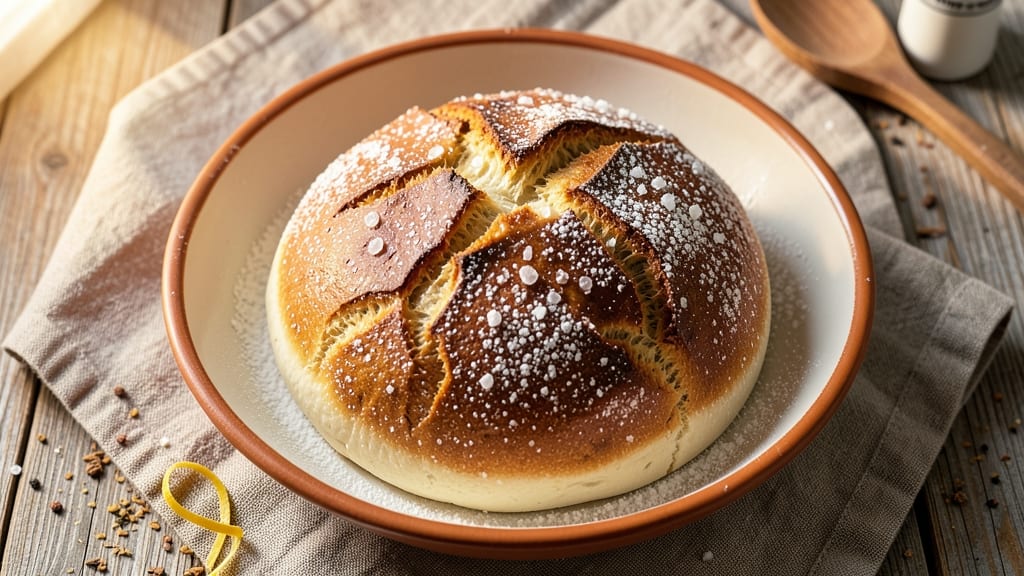
Creating a lavish bread recipe that rivals bakery displays starts with a technique my Nonna perfected on Boston kitchen counters—rich dough, precise shaping, and a crust that crackles like autumn leaves.
The secret lies in the layers: butter so generous it melts into flaky pockets, and a crust so golden it looks too perfect to eat. I’ve tested this recipe through countless holiday dinners, and it never fails to impress—whether sliced for sandwiches or served as a centerpiece.
This isn’t your basic loaf. We’re talking buttery layers that dissolve on the tongue, a crust with enough crunch to satisfy even the most skeptical bread lovers, and a method that’s forgiving enough for home cooks but luxurious enough for special occasions.
The dough comes together in stages—first a tender base, then folded with butter until it’s so rich it practically sings when baked. No fancy equipment needed, just patience and a little elbow grease.
By the time it emerges from the oven, your bread will be golden brown, with a crackly crust that gives way to soft, pillowy layers inside. The aroma alone—warm, buttery, with a hint of vanilla—will have everyone gathering around the table.
This is the kind of bread that makes you feel like you’ve stepped into a Parisian bakery, even if you’re standing in your own kitchen. Ready to bake something extraordinary?
Perfect for holidays, gifting, or simply treating yourself to something worth celebrating. The recipe scales beautifully, so whether you’re feeding a family or just craving a slice of heaven, this is the loaf that delivers. Let’s get started on creating something truly special.
Ingredients for lavish bread
Buttery layers, golden crust, and a hint of vanilla—this is your ticket to bakery-worthy bread.
| Ingredient | Amount | Notes |
|---|---|---|
| All-Purpose Flour 🌾 | 4 cups | High-protein preferred for structure |
| Unsalted Butter 🧈 | 1 cup | Cold, cut into small cubes |
| Granulated Sugar 🍚 | 1 tbsp | For tenderizing dough |
| Instant Yeast 🍞 | 2 ¼ tsp | Fresh or active dry |
| Salt 🧂 | 1 ½ tsp | Fine sea salt preferred |
| Whole Milk 🥛 | ½ cup | Warmed to room temperature |
| Vanilla Extract 🌿 | ½ tsp | Pure vanilla for aroma |
| Large Eggs 🥚 | 1 whole | Room temperature |
| Water 💧 | ½ cup | Room temperature |
| Egg Yolk 🥚 | 1 whole | For egg wash |
| Coarse Sugar 🍚 | 1 tbsp | For sprinkling on crust |
| Cornmeal 🌾 | ¼ cup | For dusting work surface |
The butter is non-negotiable here. European-style unsalted butter (like Plugrá or Land O’Lakes European Style) melts into those perfect flaky layers—regular butter just won’t cut it. Grab it cold from the store and keep it that way until you’re ready to fold it into the dough. The flour? King Arthur or Gold Medal are my go-tos—they’ve got that extra protein kick for a sturdy yet tender crumb. If you’re feeling fancy, add a pinch of vanilla bean paste instead of extract for even more depth of flavor. And don’t skip the cornmeal—it’s what keeps your dough from sticking like glue when you’re shaping it.
No vanilla extract? Vanilla sugar at half the amount works in a pinch, but you’ll lose that rich aroma. Short on butter? Lard or shortening can substitute, but the flavor won’t be the same—this is one of those recipes where the butter is the star. Using active dry yeast instead of instant? Bloom it in warm water first—it’s a game changer. The milk should be warm but not hot (like bathwater), or you’ll kill the yeast. And if you’re baking at high altitudes? Add another 0.25 tsp of yeast to keep things rising right.
This dough is best made the night before—it’s worth the wait. Wrap it tightly in plastic and let it rest in the fridge overnight, and you’ll thank me later for the extra flavor development. The shaped loaf keeps 2 days wrapped at room temperature, but it’s even better reheated the next day. For gifting, slice it while still warm, wrap in parchment, and tie with twine—it’ll look like you bought it from a fancy bakery. Freeze any leftovers for up to 3 months, thawing at room temp before toasting.
Why You’ll Love This Recipe
- No-Knead Magic: I swear by this—just mix the dough, let it rise overnight, and wake up to golden perfection. The butter and sugar create this unexpected richness that tastes like a bakery’s secret.
- Buttery Sweet Crust: That crispy, caramelized crust? Pure sugar-butter alchemy. It’s the kind of bread where the first bite makes you pause—like, why haven’t I done this sooner?
- Weeknight Hero: Pull it out for breakfast, pack it for lunches, or serve it with dinner—it’s my go-to when I’m too tired for fuss. Slices beautifully, toasts like a dream, and even freezes well.
- Budget Luxe: A dollar’s worth of butter and sugar transforms basic flour into something that feels special. Honestly, it’s the kind of treat that makes cheap nights feel indulgent—no guilt, just joy.
Step-by-step instructions for artisan-style crust with buttery layers
Here’s how to craft a bread that rivals bakery perfection at home.
Prepare the Dough Foundation
In a large mixing bowl, combine the 4 cups all-purpose flour, 2.25 teaspoons instant yeast, and 1.5 teaspoons salt. Whisk these dry ingredients together until evenly distributed—this ensures consistent flavor and texture throughout the dough.
Next, create a well in the center and add the 1 cup cold unsalted butter, cut into small cubes. Use your fingers or a pastry cutter to work the butter into the flour until it resembles coarse crumbs with pea-sized butter pieces. This step is crucial for creating those signature flaky layers later.
In a separate small bowl, whisk together the 0.5 cup warm whole milk, 0.5 cup water, 0.5 teaspoon vanilla extract, and 1 whole large egg. The warmth of the milk helps activate the yeast while the egg adds richness. Pour this liquid mixture into the butter-flour combination and gently stir with a wooden spoon until just combined.
Knead and Rest for Optimal Development
Turn the dough onto a surface lightly dusted with 0.25 cup cornmeal—this prevents sticking and makes handling easier. Knead the dough for about 8-10 minutes until smooth and elastic. You’ll know it’s ready when it springs back slowly when pressed.
Shape the dough into a rectangle about 12×8 inches and wrap it tightly in plastic wrap. Place it in the refrigerator for at least 2 hours (or up to 24 hours). This cold fermentation develops deep flavor and creates those beautiful buttery layers when baked.
Layer and Shape the Dough
Remove the chilled dough from the refrigerator and let it sit at room temperature for 15-20 minutes to soften slightly. On a lightly floured surface, roll the dough into a 12×16-inch rectangle about 1/8-inch thick. This even thickness is key for consistent layering.
Brush the entire surface with the 1 whole egg yolk mixed with 1 tablespoon water—this creates a barrier that prevents layers from sticking together. Sprinkle evenly with 1 tablespoon coarse sugar for a touch of sweetness and beautiful caramelization during baking.
Starting from one long side, roll the dough tightly into a log, sealing the edge well. Pinch the seam to prevent any butter from escaping during baking. This creates the classic layered structure that makes this bread so special.
Bake to Golden Perfection
Preheat your oven to 375°F. Place the shaped dough on a parchment-lined baking sheet and bake for 35-40 minutes until the crust is deep golden brown and sounds hollow when tapped on the bottom. The internal temperature should reach 190-200°F at its center.
For extra browning, you can brush the top with additional egg wash after 20 minutes in the oven. The bread is done when it’s beautifully browned and smells heavenly—this is where all your effort pays off in that irresistible aroma.
Cool and Enjoy
Transfer the bread to a wire rack and let it cool for at least 30 minutes before slicing. This resting period allows the layers to fully set and prevents a gummy texture. The bread will keep well wrapped at room temperature for 2-3 days or can be frozen for up to 3 months.
Slice it thick for sandwiches or thin for toast—either way, you’ll be amazed at the buttery layers and crisp crust that make this bread truly lavish. The secret lies in those carefully layered butter pockets that melt into pure deliciousness with every bite.
Pro Tips For Making Lavish Bread
- Use Cold Butter: Mix the unsalted butter into the dough in chunks—don’t melt it first. The cold fat creates pockets that make this bread rich and tender, not greasy. (Yes, even if you’re impatient like me, resist the urge to soften it.)
- Weigh Your Flour: Skip the scooping and use a kitchen scale for the all-purpose flour. A gram here or there throws off the dough’s structure, and this bread relies on precision. I learned this the hard way when my first batch turned out dense instead of airy.
- Let It Rise Twice: Don’t rush the second rise—this is where the magic happens. Place the shaped dough in a warm spot (like the oven with the light on) for at least 1 hour, or until it’s nearly doubled. Cutting corners here means a flat, sad loaf.
- Brush With Sugar Water: After baking, brush the warm bread with a mix of equal parts granulated sugar and water while it’s still in the pan. It adds a subtle sweetness and keeps the crust soft for days. (Your future self will thank you.)
Wine and beer pairings for these flavors
White Wine Elegance
This buttery, flaky bread pairs beautifully with Chardonnay—specifically a California or Burgundy-style with its rich, creamy texture and subtle vanilla notes. I love a Meiomi Pinot Grigio for its crisp acidity that cuts through the richness without overpowering the bread’s golden crust.
The wine’s citrus undertones complement the vanilla and sugar in the dough, creating a harmonious balance. 🍷
For a more budget-friendly option, try a Sauvignon Blanc from New Zealand. The zesty lime and grapefruit flavors in wines like Kim Crawford or Oyster Bay provide a refreshing contrast to the bread’s buttery layers. Serve slightly chilled to enhance the wine’s brightness against the warm bread.
Crisp Beer Pairings
A Belgian witbier like Hoegaarden or Stella Artois is my go-to beer pairing—its coriander and citrus notes cleanse the palate between bites of the rich, buttery bread. The effervescence also helps cut through the density of the crust.
For a local Boston option, grab a Samuel Adams Noble Pils—its malty sweetness and hoppy finish mirror the bread’s caramelized sugar crust. 🍺
If you prefer darker beers, a German Helles Lager (like Weihenstephaner) offers a malty backbone that stands up to the bread’s richness without competing. The subtle toasted notes in the beer complement the bread’s golden crust beautifully. Keep the beer well-chilled to emphasize its crispness against the warm bread.
Sweet Wine Surprise
Don’t overlook Moscato d’Asti for a festive touch—its light sweetness and floral aroma make it an unexpected but delightful match. The wine’s effervescence and subtle fruitiness enhance the bread’s vanilla and sugar notes, creating a surprisingly balanced pairing.
It’s perfect for holiday gatherings when you want something special but not overly heavy. 🍇
For a more indulgent option, try a late-harvest Riesling with its honeyed sweetness and bright acidity. The wine’s stone fruit flavors contrast beautifully with the bread’s buttery layers, making each bite feel like a luxurious treat. Serve slightly chilled to let the wine’s complexity shine.
Coffee or Tea?
If you’re serving this bread as a dessert-style loaf, pair it with a dark roast coffee like Peet’s Major Dickason’s Blend—its bold, chocolatey notes complement the bread’s caramelized crust. The bitterness of the coffee balances the sweetness, creating a sophisticated contrast. ☕
For a non-alcoholic option, a chamomile or Earl Grey tea enhances the bread’s vanilla and buttery flavors. The floral notes in the tea create a soothing contrast with the rich dough, making it a perfect afternoon treat. Brew the tea slightly stronger to match the bread’s indulgent profile.
Nutrition facts
Frequently asked questions
Why does this bread need to rest in the fridge overnight?
The overnight cold fermentation in the fridge develops deeper flavor and creates those signature buttery layers. The slow rise allows the gluten to relax and the butter to melt just enough to form perfect pockets when baked. This is what makes the bread taste more complex and luxurious than regular bread.
Can I make this bread without a stand mixer?
This recipe is designed for home cooks without fancy equipment. Simply use a wooden spoon to mix the dough by hand, then knead it vigorously on a floured surface for 8-10 minutes. The cold butter and proper technique will give you the same flaky layers. Just add elbow grease!
What’s the secret to getting that perfect golden crust?
The golden crust comes from three things: egg wash (brushed on before baking), coarse sugar sprinkled on top, and baking at 375°F until deep brown. For extra shine, brush with more egg wash after 20 minutes in the oven. Patience is key—don’t open the oven door too early!
How do I store leftovers to keep them fresh?
Wrap the bread tightly in plastic wrap or aluminum foil and store at room temperature for 2-3 days. For longer storage, slice the bread while still warm, wrap each slice in parchment, and freeze for up to 3 months. To reheat, wrap slices in foil and warm in a 350°F oven for 5-7 minutes.
Can I add fillings like chocolate or jam?
This recipe is designed for its buttery layers, but you can absolutely add fillings! For a sweet version, sprinkle chopped chocolate chips or jam between the layers before rolling. Just be gentle when shaping to avoid squeezing out the filling. The result will be a decadent dessert-style loaf that’s perfect for holidays.

- Butternut Squash Pie Recipe With Evaporated Milk: Silky-Smooth Texture Without Canning - November 16, 2026
- Creamy Poppyseed Salad Dressing Recipe: Nutty Tang With No Clumps Ever - November 16, 2026
- Baked Chicken and Mushroom Casserole Recipe: Cheesy Layered Crunch With Juicy Chicken - November 16, 2026