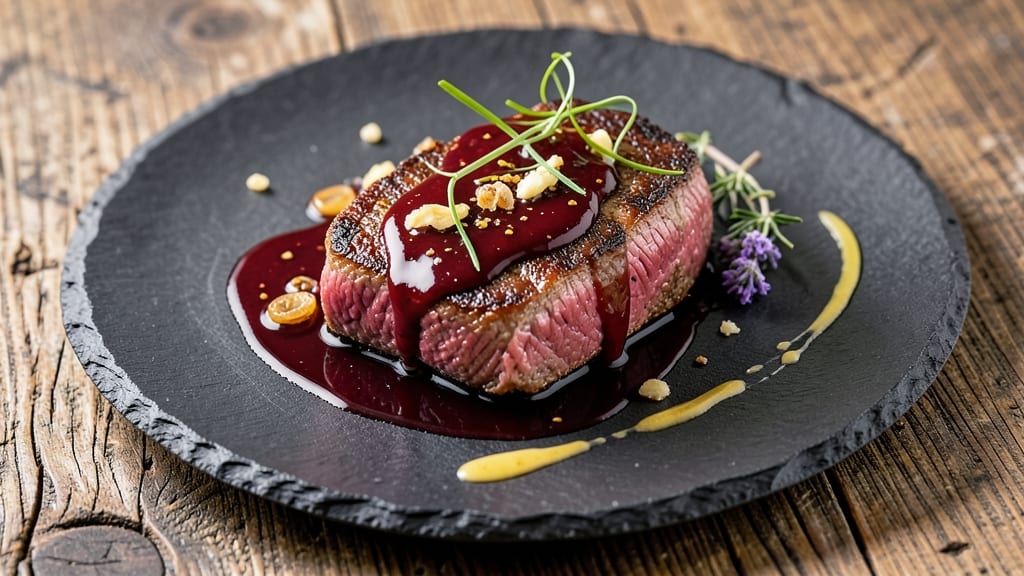
Creating a rich, velvety l’entrecote steak sauce transforms a simple steak into an unforgettable dining experience. This wine reduction sauce builds deep umami flavor through precise caramelization and layering of butter, shallots, and fresh herbs.
The balance of acidity from red wine and sweetness from shallots creates a sauce that clings perfectly to every bite of steak. What sets this recipe apart is the professional technique that delivers restaurant-quality results at home.
The foundation of this sauce lies in a classic wine reduction—simmering red wine until it reduces by half to concentrate its flavors. Shallots, finely minced and cooked until translucent, add sweetness without overpowering the wine’s acidity.
Butter, melted and swirled in at the end, creates a silky texture that coats the steak beautifully. Fresh tarragon and thyme infuse the sauce with aromatic depth, while a splash of beef stock ensures richness. This method ensures a smooth, glossy finish that’s impossible to resist.
What you’ll achieve is a sauce that’s bold yet balanced, with a glossy sheen and layers of flavor—savory, slightly sweet, and herbaceous. The reduction process transforms simple ingredients into something extraordinary, elevating any steak dish to gourmet status.
Whether you’re serving a perfectly seared entrecote or a hearty ribeye, this sauce will leave your guests asking for the recipe. Let’s create this sauce step by step.
This recipe is designed to be made ahead—it actually tastes better the next day as the flavors meld and deepen. Store it in the refrigerator for up to 5 days or freeze for longer storage.
The sauce pairs beautifully with grilled steaks, roasted vegetables, or even as a dipping sauce for crusty bread. Its versatility makes it a must-have in your culinary arsenal.
Ingredients for l entrecote steak sauce
Nine essential ingredients crafting restaurant-quality l’entrecote sauce with velvety wine reduction and herbaceous depth.
| Ingredient | Amount | Notes |
|---|---|---|
| Dry Red Wine 🍷 | 1 ½ cups | Bold, full-bodied like Cabernet Sauvignon |
| Shallots 🧅 | ½ lb | Finely minced, 8-10 shallots total |
| Unsalted Butter 🧈 | ½ cup | European-style preferred for flavor |
| Fresh Tarragon 🌿 | ¼ cup | Finely chopped, stems removed |
| Fresh Thyme 🌿 | ⅛ cup | Leaves only, stems discarded |
| Beef Stock 🍲 | ½ cup | Homemade or high-quality store-bought |
| Extra-Virgin Olive Oil 🫒 | 2 tbsp | Light, fruity variety for balance |
| Granulated Sugar 🍚 | 1 tsp | Balances acidity in reduction |
| Diamond Crystal Kosher Salt 🧂 | ½ tsp | For seasoning, not iodized |
| Balsamic Vinegar 🍶 | 1 tbsp | For finishing touch, aged variety |
The red wine is non-negotiable—Cabernet Sauvignon or Merlot deliver the bold, full-bodied profile required. Avoid cheap wines with cork taint; Trader Joe’s or Whole Foods selections consistently perform well. Shallots should be fresh, firm, and vibrant purple-red—no green shoots or soft spots. For the butter, European-style brands like Plugrá or President melt more cleanly than American varieties. Tarragon is the aromatic anchor; fresh is mandatory—dried lacks the bright, anise-like quality. The thyme should be organic if possible to avoid herbicides that can mute flavor.
No red wine? Dry sherry or port works in a pinch, though the flavor profile shifts. Substitute shallots with finely minced yellow onion (double the amount), but expect slightly more bitterness. Butter shortages? Ghee or clarified butter maintains richness without dairy solids. Fresh herbs unavailable? Dried tarragon at 1/4 the amount, but thyme must be fresh—dried thyme’s earthiness clashes. For the beef stock, homemade is ideal; store-bought brands like Kitchen Basics or Pacific Foods are reliable alternatives. The olive oil should be light and fruity—avoid strong peppery varieties that overpower the reduction.
This sauce develops complexity over time—flavors meld beautifully after 24 hours. Store in a glass jar with a tight seal in the refrigerator for up to 5 days, or freeze in 2-tablespoon portions for up to 3 months. Reheat gently on low heat, adding 1 teaspoon water per 2 tablespoons sauce to restore silky texture. The sauce thickens upon cooling; swirl in extra butter or warm stock if needed. Always taste before serving—adjust with salt, balsamic, or a pinch of sugar as required.
Why You’ll Love This Recipe
- Wine Cabinet Magic: I swear by this recipe because it turns a basic pantry staple—dry red wine—into something luxurious with almost no effort. Just deglaze the pan after cooking your steak, add shallots and herbs, and let it reduce. No fancy techniques, just pure flavor transformation.
- Butter Meets Bold: That moment when the butter melts into the wine reduction? Chef’s kiss. The tarragon and thyme brighten the richness, while the shallots add a subtle sweetness that makes this sauce taste like it belongs in a Michelin-starred bistro. Honestly, I’ve served it over eggs for breakfast and no one batted an eye.
- Weeknight to Dinner Party: This sauce is my secret weapon for lazy nights and when I’m hosting. Drizzle it over a simple grilled steak for a fancy feel, or use it to elevate a budget cut—it makes even the toughest entrecôte taste like a splurge. (Yes, even on a Tuesday night.)
- Leftovers That Lie: Between us, this sauce tastes better the next day. The flavors meld into this deep, complex umami bomb that’s perfect for reheating with a pat of butter. I make a double batch just so I can use it later—whether it’s on toast, pasta, or another steak. Zero waste, all win.
Instructions for l’entrecote steak sauce: mastering the wine reduction
This method delivers a velvety wine reduction with perfect balance—rich yet refined, bold yet harmonious.
Sweat the Shallots in Olive Oil
Heat the 2 tablespoons extra-virgin olive oil in a heavy-bottomed saucepan over medium-low heat. Add the 0.5 pound finely minced shallots and cook for 8-10 minutes, stirring occasionally. The shallots should soften completely and develop a translucent appearance without browning—this prevents bitterness in the final sauce.
I like to keep the heat gentle here because shallots release moisture quickly. If the oil starts to smoke or the shallots darken, reduce the heat immediately. You’ll know they’re ready when they’ve transformed from raw to silky, with no crisp edges remaining. This foundational step builds the sauce’s aromatic base.
Add Butter and Herbs for Depth
Increase heat to medium and add the 0.5 cup unsalted butter, stirring constantly until it melts completely and the mixture becomes smooth. Immediately add the 0.25 cup finely chopped fresh tarragon and 0.125 cup fresh thyme leaves, stirring for 1 minute to release their essential oils.
The butter should foam gently as it melts, creating a luxurious texture. Don’t let it brown—this step is about infusing flavor, not creating color. The herbs will impart their signature French provencal notes that complement entrecote’s beefy richness. Stir frequently to prevent any butter from clinging to the pan bottom.
Deglaze with Red Wine
Pour in the 1.5 cups dry red wine and increase heat to medium-high. Bring to a gentle simmer, then reduce heat to medium and let it reduce by half—this takes about 10-12 minutes. The sauce should thicken noticeably and develop a deep, ruby color as the alcohol evaporates.
This reduction stage is where the magic happens. Swirl the pan occasionally to prevent sticking, and resist the urge to stir constantly—gentle swirling prevents the shallots from breaking down into mush. You’ll know it’s ready when the sauce coats the back of a spoon and smells intensely of concentrated wine and herbs.
Build Umami with Stock and Seasoning
Add the 0.5 cup beef stock, 1 teaspoon granulated sugar, and 0.5 teaspoon diamond crystal kosher salt, stirring to combine. Return to a simmer and reduce by another third—about 5-7 minutes—until the sauce reaches a syrupy consistency. The sugar balances the acidity while enhancing the wine’s fruitiness, while the salt rounds out the flavors.
Taste the sauce at this stage. It should be rich but not overpowering, with bright wine notes and herbal complexity. If it needs more depth, add another splash of beef stock. The sauce should coat a spoon but still flow freely—this is the perfect consistency for drizzling over entrecote without overwhelming the meat.
Finish with Balsamic for Balance
Remove the pan from heat and stir in the 1 tablespoon balsamic vinegar. Let it sit for 2 minutes to allow the vinegar’s acidity to mellow slightly. Strain the sauce through a fine-mesh sieve into a clean saucepan to remove any herb stems or shallot particles, then return to low heat just to keep warm.
The balsamic adds a subtle tang that cuts through the richness while adding complexity. This final step transforms the sauce from good to exceptional. Serve immediately over perfectly cooked entrecote steaks, allowing the sauce to cascade over each slice for maximum impact. The sauce should glisten with depth and cling beautifully to the meat’s surface.
Pro Tips For Making L Entrecote Steak Sauce
- Sweat Shallots Slow: I learned this the hard way—rushing the shallots turns them bitter. Over medium-low heat, cook them for 8-10 minutes until translucent and golden. No color? They’re not done. (Yes, even if you’re impatient like me.)
- Deglaze with Wine: Pour the red wine in all at once, then immediately scrape up those browned bits from the pan. Those bits hold flavor, and skipping this step means a dull sauce. Don’t let the wine boil off—just simmer gently.
- Butter in Stages: Add half the butter first to coat the wine reduction, then the rest at the end. If you dump it all in early, the sauce will split. For extra richness, let the butter melt slowly off the heat—it emulsifies better that way.
- Herbs at the End: Tarragon and thyme lose their brightness if cooked too long. Add them with the butter, just off the heat, and let them steep for 30 seconds. Overcooking turns them bitter—trust me, I’ve ruined a sauce this way.
Essential equipment for this dish
Heavy-Bottomed Saucepan
The foundation of this sauce starts with a heavy-bottomed saucepan—I recommend a 3-quart stainless steel pan like All-Clad D5 or Le Creuset. These pans distribute heat evenly, preventing hot spots that can burn your reduction.
The stainless steel surface also resists browning, which is crucial when cooking shallots at low temperatures. If you’re on a budget, a Calphalon Classic pan works beautifully too. 🌡️
Fine-Mesh Sieve
A fine-mesh sieve is essential for straining out herb stems and shallot bits at the end. I use a 3-inch stainless steel sieve from OXO Good Grips—it’s durable and gets the job done without trapping too much sauce.
If you don’t have one, a cheesecloth-lined colander works in a pinch, though it requires more effort to press out all the liquid. Straining ensures your sauce is silky smooth with no unwanted textures.
High-Quality Tongs
For stirring and swirling the sauce, I rely on heat-resistant silicone tongs like the OXO Good Grips pair. These let you gently swirl the sauce without stirring constantly, which prevents shallots from breaking down.
The silicone stays cool to the touch, so you can handle the pan even when it’s hot. Avoid metal utensils—they can scratch the pan and introduce unwanted flavors.
Digital Kitchen Thermometer
While not strictly necessary, a digital instant-read thermometer like the ThermoWorks Thermapen helps monitor the sauce’s temperature during reduction. The ideal range is between 195°F and 205°F—this ensures the wine reduces properly without boiling off too quickly.
It’s especially helpful if you’re new to reductions, as it prevents overcooking or under-reducing the sauce.
Butter Knife or Spatula
For adding butter at the end, I use a heat-resistant silicone spatula or a butter knife to gently fold it in. This prevents the butter from clumping and ensures it melts smoothly into the sauce.
A flexible silicone spatula from Epicurean is my go-to because it’s easy to clean and won’t scratch the pan. Avoid stiff metal spoons—they can tear the sauce’s delicate texture.
Storage Containers
For storing leftovers, I recommend glass jars with airtight lids, like Ball Mason jars or Le Parfait. Glass preserves the sauce’s flavor better than plastic, and the airtight seal keeps it fresh for up to 5 days in the fridge.
For freezing, use silicone ice cube trays or small glass jars—this makes it easy to thaw just what you need without defrosting the whole batch. 💡
Nutrition facts
Frequently asked questions
Can I substitute red wine with something else in this sauce?
Yes, but your sauce’s flavor will change. For a similar profile, use dry sherry or port wine—both add depth without the same fruitiness. Avoid sweet wines like Zinfandel, as they’ll make the sauce cloying. If you’re avoiding alcohol entirely, grape juice works in a pinch, but the sauce will lack complexity. The wine’s acidity is key for balancing the butter’s richness.
How do I fix a sauce that’s too thick or too thin?
For a sauce that’s too thick, whisk in 1 teaspoon warm water or beef stock at a time until it reaches a glossy, drizzling consistency. If it’s too thin, return the pan to low heat and simmer gently for 2-3 minutes to evaporate excess liquid. Never boil—this can make the sauce separate. A properly reduced sauce should coat the back of a spoon but still flow freely.
Can I make this sauce ahead of time?
This sauce actually improves overnight as flavors meld. Store it in an airtight glass jar in the fridge for up to 5 days. For longer storage, freeze in 2-tablespoon portions for up to 3 months. To reheat, warm gently on low heat, adding 1 teaspoon water per 2 tablespoons sauce to restore silky texture. The sauce will thicken as it cools—just whisk in extra butter if needed.
What’s the best way to serve this sauce with entrecote?
Drizzle the warm sauce over medium-rare to medium entrecote just before serving for maximum impact. The sauce should cascade over each slice, creating a glossy finish. For extra drama, spoon a small pool of sauce onto the plate and arrange the steak on top, letting it absorb the flavors. Pair with creamy mashed potatoes or roasted asparagus to complement the sauce’s richness.
Why does my sauce smell amazing but taste flat?
This usually means your sauce needs more seasoning. Taste and adjust with salt, balsamic vinegar, or a pinch of sugar—the wine reduction can dilute flavors. If it lacks depth, add 1 teaspoon soy sauce or Worcestershire sauce for umami. Fresh herbs can also mute flavor—make sure you’re using fresh tarragon and thyme, not dried. The sauce should balance sweet, salty, acidic, and savory notes.

- Goa Food Recipe: Vibrant Coconut and Spice Fusion - November 8, 2026
- No-Milk White Gravy Recipe: Velvety Thickness Without Dairy - November 8, 2026
- Café Mocha Recipe: Velvety Chocolate Espresso with Whipped Cream Topping - November 8, 2026