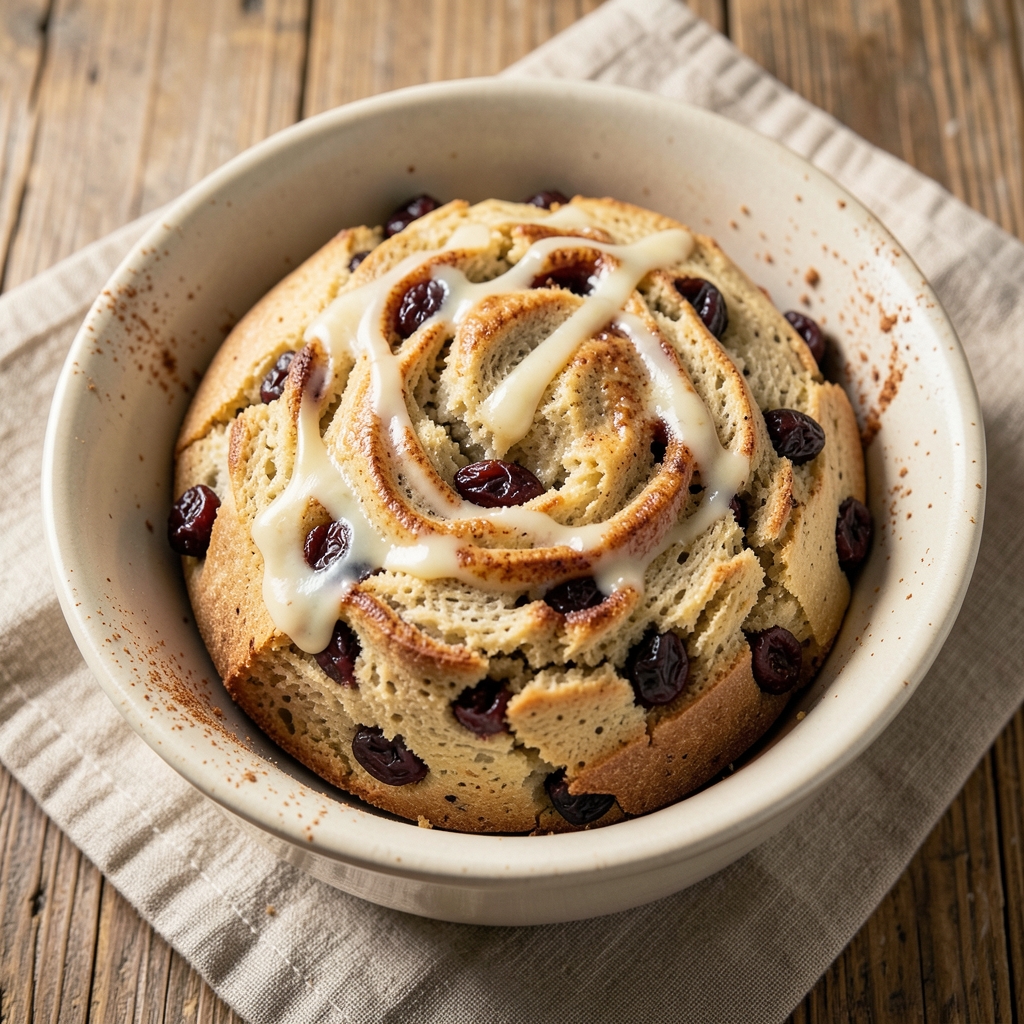
This King Arthur cinnamon raisin bread recipe delivers a warm, spiced loaf with a buttery crust that smells like home the moment it comes out of the oven.
I perfected it during a Boston winter when I needed something comforting yet impressive—no fancy equipment required, just a bowl, a spoon, and patience. The secret lies in letting the dough rise twice: once to develop flavor, then again to achieve that perfect airy texture.
My Nonna used to say good bread is made with time, not force, and she was right.
The recipe uses King Arthur’s flour blend, which handles the extra moisture from raisins without falling apart. You’ll mix everything in one bowl, knead just until smooth, then let the dough rise while you prepare for the second rise—this is where the magic happens.
The cinnamon-sugar swirl creates pockets of sweet, spiced goodness that make every slice irresistible. I’ve tested this recipe in my tiny triple-decker kitchen, and it works just as well in a spacious one.
By the time you pull that golden loaf from the oven, your kitchen will smell like warm spices and vanilla, and the crust will be crisp enough to hold a cup of coffee.
The raisins stay plump and juicy, the cinnamon infuses every bite with warmth, and the crumb is tender yet sturdy enough to slice cleanly. This isn’t just bread—it’s a centerpiece for breakfast tables, holiday gatherings, or a quiet afternoon treat. Let’s get baking.
Once cooled, the bread keeps beautifully wrapped at room temperature for 3 days, or you can freeze slices for up to a month. For variations, try adding chopped walnuts or pecans, or swap raisins for dried cranberries or cherries.
The dough is forgiving, so don’t stress if the kitchen gets warm—just give it extra time to rise. This recipe is your ticket to homemade bread that tastes like it came from a New England bakery.
Ingredients for king arthur cinnamon raisin bread
Four cups flour plus a handful of pantry staples—this is your ticket to a fragrant, spiced loaf that smells like home.
| Ingredient | Amount | Notes |
|---|---|---|
| King Arthur Flour 🌾 | 4 cups | Plus 2 tbsp for dough dusting |
| Active Dry Yeast 🍞 | 2 ¼ tsp | 1 packet or 0.25 oz |
| Granulated Sugar 🍚 | ¼ cup | For yeast activation |
| Unsalted Butter 🧈 | ½ cup | Softened, full-fat preferred |
| Large Eggs 🥚 | 1 whole | Room temperature |
| Whole Milk 🥛 | ½ cup | Warmed for best mixing |
| Sea Salt 🧂 | 1 tsp | Fine grain preferred |
| Ground Cinnamon 🌶️ | 2 tbsp | Freshly ground for warmth |
| Light Brown Sugar 🍚 | ½ cup | Packed, for filling |
| Seedless Raisins 🍇 | 1 ½ cups | Soaked in warm water |
| Pure Vanilla Extract 🍯 | 1 tsp | High-quality preferred |
| Coarse Sugar 🍚 | 2 tbsp | For sprinkling on top |
King Arthur flour is non-negotiable here—it handles the extra moisture from raisins without falling apart. Buy the 5-pound bag at Whole Foods or King Arthur’s website if you want to splurge, but the regular grocery store version works fine. The yeast? Check the expiration date—old yeast won’t activate properly. For the raisins, soak them in warm water for 10 minutes before adding to the dough (they’ll plump up and taste fresher). The cinnamon should smell vibrant—if it’s dull, toast it in a dry pan for 30 seconds to wake up the flavor. And that vanilla? Don’t use imitation—it’s worth the extra dollar for the real stuff.
No King Arthur flour? King’s Hawaiian or Bob’s Red Mill 1-to-1 work in a pinch, but the texture won’t be quite the same. Short on raisins? Dried cranberries or chopped dates add a nice twist. The brown sugar can be swapped for white if that’s what you’ve got, but the molasses in light brown adds depth. For the butter, if you’re using salted, reduce the sea salt to 0.75 tsp. The dough is forgiving, so don’t stress if it gets sticky—just wet your hands and keep going. And if your kitchen’s warm, give it extra time to rise (up to 2 hours in summer).
This bread is best eaten fresh, but it keeps beautifully wrapped in a clean kitchen towel for 3 days at room temperature. For longer storage, slice and freeze portions for up to 1 month—just thaw at room temp before serving. The crust stays crisp for about 2 days if you store it in an airtight container. I like to make a double batch and freeze half—perfect for lazy mornings. And if you’re feeling fancy, brush the warm loaf with melted butter right out of the oven. Trust me on that.
Why You’ll Love This Recipe
- No-Knead Magic: I swear by this dough—just mix, let it rise, and bake. That King Arthur Flour handles the yeast like a dream, so you’re not stuck kneading until your arms give out.
- Warm Spice Hug: The cinnamon-sugar swirl in this bread? It’s like a hug for your taste buds. That buttery richness from the softened butter makes every slice feel indulgent, even when you’re just grabbing toast for breakfast.
- Breakfast to Brunch: Honestly, this bread works everywhere. Toast it for a lazy morning, slice it into a rustic loaf for Sunday brunch, or even turn it into French toast later—same dough, endless possibilities.
- Leftovers That Last: Between us, this loaf stays fresh for days. I’ll make one on Sunday, and by Friday, I’m still pulling slices for sandwiches or snacking straight from the fridge. The yeast and butter keep it from drying out like store-bought ever could.
Step-by-step instructions for King Arthur cinnamon raisin bread
Here’s how to create a tender, fragrant loaf with a perfect balance of sweetness and spice.
Activate the Yeast for Maximum Rise
In a small bowl, combine the 0.25 cup granulated sugar and 0.5 cup warm whole milk (about 110°F). Sprinkle the 2.25 teaspoons active dry yeast over the top and let sit for 5-10 minutes until frothy. You’ll see tiny bubbles forming on the surface—this confirms your yeast is alive and ready to work.
If the mixture doesn’t bubble after 10 minutes, your yeast might be dead. Start fresh with a new packet. I always test my yeast this way before committing to the full recipe—it saves time and frustration later. Keep this mixture at room temperature while you prepare the rest of your ingredients.
Mix the Dough Until Smooth and Elastic
In a large mixing bowl, combine the 4 cups King Arthur flour and 1 teaspoon sea salt. Make a well in the center and pour in the yeast mixture, 1 whole large egg, 0.5 cup softened unsalted butter, and 1 teaspoon pure vanilla extract. Using a wooden spoon, stir until a shaggy dough forms.
Turn the dough onto a lightly floured surface and knead for 8-10 minutes until smooth and elastic. I like to press down with the heel of my hand and fold the dough over itself—this develops the gluten that gives your bread its structure. The dough should be slightly tacky but not sticky. If it’s too dry, add 1 teaspoon warm water at a time until it reaches the right consistency.
First Rise for Fluffy Texture
Lightly grease a large mixing bowl with butter and place the dough inside. Cover with a damp kitchen towel and let rise in a warm place for 1-1.5 hours, or until doubled in size. The dough should spring back slowly when you press it gently with one finger—this is your sign it’s ready for the next step.
I usually place my bowl on top of my turned-off oven with the light on for consistent warmth. Avoid cold drafts, which can slow down the rising process. If your kitchen is particularly chilly, you might need to extend this time by 30 minutes. The goal is a dough that’s light and airy, not dense or heavy.
Prepare the Filling and Shape the Loaf
In a small bowl, mix together the 0.5 cup light brown sugar, 2 tablespoons ground cinnamon, and 1.5 cups seedless raisins. Drain any excess liquid from the raisins if they were soaking. Roll the risen dough into a 16×12-inch rectangle on a floured surface and spread the cinnamon-sugar mixture evenly over the surface, leaving a 1-inch border around the edges.
Starting from the long side, tightly roll the dough into a log, pinching the seam to seal. Place the log seam-side down in a 9×5-inch loaf pan that’s been lightly greased with butter. Cover with a damp towel and let rise for another 30-45 minutes until the dough has puffed slightly above the pan.
Bake to Golden Perfection
Preheat your oven to 375°F. Brush the top of the dough with whole milk and sprinkle evenly with the 2 tablespoons coarse sugar. Bake for 30-35 minutes until the top is golden brown and the internal temperature reaches 190°F when measured with an instant-read thermometer.
Here’s the thing—don’t open the oven during baking or your bread will collapse. The sugar topping should caramelize beautifully, creating that classic buttery crust we all love. For the last 5 minutes of baking, place a metal tray filled with 1 cup hot water on the lower oven rack to create steam. This helps create a soft, moist crumb.
Cool and Slice for Maximum Enjoyment
Remove the bread from the pan and let it cool on a wire rack for at least 30 minutes before slicing. I know it’s tempting to cut into it immediately, but giving it time to set prevents a gummy texture. The bread will be warm, fragrant, and perfectly tender when you finally take that first slice.
For the best experience, serve your cinnamon raisin bread warm with a pat of butter or a drizzle of honey. The raisins should be plump and the cinnamon flavor should be warm and inviting. If you have leftovers, store them in an airtight container at room temperature for up to 3 days—though I doubt they’ll last that long!
Pro Tips For Making King Arthur Cinnamon Raisin Bread
- Bloom the Yeast First: Skip mixing yeast straight into dry flour—it’s lazy and risks a flat loaf. Instead, dissolve it in warm (not hot) water with sugar first, then let it foam for 5–10 minutes. This guarantees your bread rises properly, especially in cooler kitchens.
- Soften Butter Properly: Cold butter creates dense dough; room-temp butter makes it easier to fold in. Rub it between your fingers until it’s pliable but not greasy—just soft enough to press into a ball. This keeps your cinnamon-sugar layers tender.
- Don’t Overmix the Dough: Mix just until the flour is incorporated—overworking it develops gluten, turning your bread into a chewy brick. Stop when the dough clings to the bowl but still looks shaggy. It’ll come together with kneading.
- Steam the Pan: Brush the loaf pan with melted butter, then add a thin layer of water before baking. The steam helps the crust brown evenly and prevents cracking—no fancy gadgets needed. Just pour in the water and dump it out after preheating.
Serving suggestions for this dish
Breakfast Centerpiece
This bread is a game-changer for weekend breakfasts. I like to slice it thick and toast it until golden, then top with a spread of Salted Caramel Cream Cheese (mix 4 oz cream cheese with 2 tbsp caramel sauce and a pinch of sea salt).
The cinnamon-sugar swirl shines through the crust, and the raisins stay juicy even after toasting. Serve with a cup of chai latte or strong black coffee for the ultimate morning treat. 🍳
Afternoon Tea Pairing
For an elegant afternoon spread, cut the bread into ½-inch thick slices and arrange on a tiered tray with clotted cream and strawberry jam. The warm spices complement the tartness of the berries beautifully.
I often add a small pitcher of honey butter (mix ½ cup softened butter with 2 tbsp honey and a pinch of cinnamon) for dipping. This setup feels fancy without requiring any special skills—just good bread and thoughtful presentation.
Holiday Gift Idea
Wrap individual slices in parchment paper and tie with twine for a charming homemade gift. I’ve done this for Christmas mornings and Mother’s Day—it’s always a hit. For extra flair, drizzle the cooled bread with melted white chocolate before wrapping.
The cinnamon scent makes it smell like a bakery, and it’s much more personal than store-bought. Perfect for neighbors, coworkers, or anyone who appreciates homemade treats. 🎄
French Toast Upgrade
Use leftover bread to make next-level French toast. Cut the bread into ½-inch slices and soak in a mixture of 2 eggs, ½ cup milk, 1 tsp vanilla, and 1 tbsp cinnamon. Cook in a buttered pan over medium heat until golden brown.
Top with maple syrup, whipped cream, and extra cinnamon. The raisins add surprising texture that balances the custardy bread. This is my go-to breakfast when I have extra loaves.
Dessert Toast Option
For a dessert version, spread slices with Nutella and toast until the chocolate melts slightly. Add a sprinkle of sea salt and a few dark chocolate chips on top. The warm cinnamon and sweet raisins create a perfect contrast to the rich chocolate.
I’ve even made cinnamon raisin bread pudding by cubing leftover slices, mixing with eggs, milk, and vanilla, then baking until set. It’s like dessert for breakfast—trust me, it’s delicious. 🍫
Savory Twist
Yes, you read that right—this bread works for savory dishes too! Cut into thick slices and toast until crisp. Rub with garlic butter (mix 2 tbsp softened butter with 1 minced garlic clove) and top with shredded mozzarella and sun-dried tomatoes.
Broil for 2-3 minutes until the cheese melts. The sweetness of the raisins balances the savory toppings beautifully. It’s a great way to use up leftovers with a gourmet touch.
Nutrition facts
Frequently asked questions
Why does this recipe use King Arthur flour specifically?
King Arthur flour is ideal because it absorbs extra moisture from the raisins without making the dough too sticky. Its high protein content also creates a better structure for that signature tender yet sturdy crumb. For a similar texture, King’s Hawaiian or Bob’s Red Mill 1-to-1 work in a pinch, but you’ll notice a slight difference in rise and texture.
Can I make this bread without a stand mixer?
This recipe only requires hand-kneading for 8-10 minutes on a lightly floured surface. Just press down with the heel of your hand and fold the dough over itself repeatedly until smooth and elastic. The dough should be slightly tacky but not sticky—wet your hands if needed. No fancy equipment required!
What if my dough doesn’t rise properly?
First check your yeast—it should bubble within 5-10 minutes when mixed with warm milk. If your kitchen is cold, place the dough bowl on top of your turned-off oven with the light on for consistent warmth. Give it extra time (up to 2 hours in summer) and avoid drafts. If it still doesn’t rise, your yeast may be dead—start fresh with a new packet.
How can I make this bread more nutty or less sweet?
For a nuttier version, fold in ½ cup chopped walnuts or pecans with the cinnamon-sugar mixture. To reduce sweetness, cut the brown sugar to 0.35 cup and use 1 cup raisins instead of 1.5. You can also swap raisins for dried cranberries or chopped dates for a tart contrast. The dough remains flexible enough to accommodate these changes!
Is there a way to make this bread in a Dutch oven for a crispier crust?
Yes! Shape the dough into a round loaf and place it in a greased Dutch oven. Bake at 375°F for 35-40 minutes until golden. For extra crispiness, brush the top with melted butter after 20 minutes and sprinkle with coarse sugar. The Dutch oven creates steam that gives you that bakery-style crust while keeping the interior soft and pillowy.

- Dilled Beans Recipe: Herbed Brightness in 20 Minutes - November 18, 2026
- Apple Cheddar Bread Recipe: Sweet-Savory Swirls in Every Slice - November 18, 2026
- BBQ Lamb Leg Recipe Grill: Smoky Char and Fall-Off-Bone Tenderness - November 18, 2026