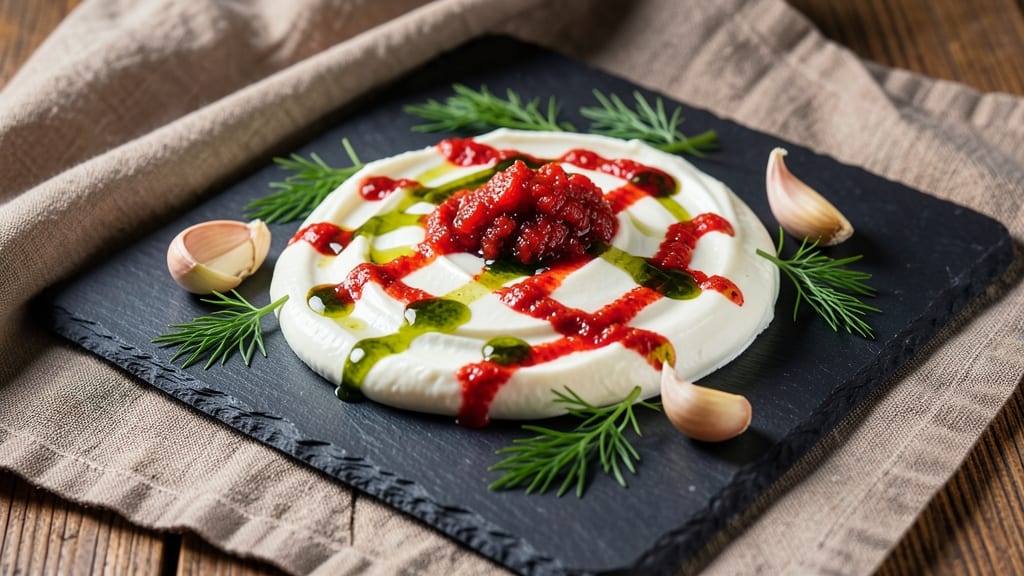
This horseradish cheese sauce recipe transforms simple pantry staples into a bold, creamy dip that elevates everything from deviled eggs to sandwiches. The secret lies in balancing sharp horseradish with rich cream cheese, creating a sauce that’s tangy yet velvety—no fancy techniques required.
I developed this during a busy week when I needed a flavor punch without extra prep, and it’s become a staple in my kitchen.
The beauty of this sauce is its versatility—ready in just 10 minutes with ingredients you likely already have. Cream cheese provides the creamy base, while prepared horseradish delivers that signature kick. A splash of lemon juice brightens the flavors, and optional garlic or herbs add depth.
It’s the kind of condiment that turns ordinary meals into something special without demanding your full attention.
What you’ll end up with is a smooth, spreadable sauce that’s perfect for dipping, spreading, or topping. The horseradish’s heat mellows slightly as it blends, leaving a lingering zing that pairs beautifully with proteins, vegetables, or even crackers.
Best of all, it keeps well in the fridge for up to a week, making it ideal for meal prep or hosting.
Use it as a deviled egg filling, sandwich spread, or dip for veggies and chips. The possibilities are endless, and the flavor is undeniably satisfying. Let’s make this sauce—it’s easier than you think!
Ingredients for horseradish cheese
Eight simple ingredients create this velvety horseradish cheese sauce that’s perfect for deviled eggs, sandwiches, or dipping.
| Ingredient | Amount | Notes |
|---|---|---|
| Cream Cheese (Full-Fat) 🧀 | 8 oz | Room temperature for smooth blending |
| Prepared Horseradish 🌶️ | ¼ cup | Freshly grated preferred for sharpness |
| Extra-Virgin Olive Oil 🫒 | ¼ cup | Light, fruity variety recommended |
| Lemon Juice (Fresh) 🍋 | 1 tbsp | Brightens the horseradish heat |
| Garlic Cloves (Optional) 🧄 | 1 whole | Minced for added depth |
| Fresh Dill (Optional) 🌿 | 1 tbsp | Chopped, for herbal brightness |
| Diamond Crystal Kosher Salt 🧂 | ½ tsp | Adjusts final seasoning |
| Black Pepper (Freshly Ground) 🌶️ | ¼ tsp | Enhances overall flavor |
The cream cheese is the foundation—full-fat gives the richest texture, so don’t skimp here. Philadelphia brand is my go-to for consistency, but any high-quality block-style cream cheese works too. Prepared horseradish varies wildly in heat, so start with 2 tablespoons and adjust to taste—you can always add more. If you’re using freshly grated horseradish, mix it with 1 teaspoon of sugar to mellow the bite slightly. The olive oil might seem like an odd addition, but it helps emulsify the sauce for that ultra-smooth finish.
No fresh horseradish? Substitute with 1 tablespoon of prepared horseradish plus 1 teaspoon of hot sauce for extra kick. Want more depth without garlic? Add 1 teaspoon of onion powder instead. The lemon juice is crucial—bottled works in a pinch, but fresh is always better. If you’re making this ahead, store the horseradish separately until ready to blend to preserve its sharpness. For a milder version, reduce the horseradish to 1 tablespoon and add 1 teaspoon of honey to balance the heat.
This sauce keeps beautifully in an airtight container for up to 1 week in the fridge. For longer storage, freeze it in 1-tablespoon portions—perfect for deviled egg fillings. If the sauce thickens after refrigeration, stir in 1 teaspoon of warm water or milk to restore its smooth texture. I always make a double batch because it disappears fast—once on crackers, once as a sandwich spread, and always as a deviled egg filling. The flavor actually improves after sitting for an hour, so plan accordingly.
Why You’ll Love This Recipe
- Here’s what sold me: the leftovers actually improve over time. The flavors meld even better after a day in the fridge, and it keeps for over a week, which means fewer grocery runs. Plus, full-fat cream cheese isn’t cheap, but a little goes a long way—this recipe stretches it into something that feels luxurious, not wasteful.
- Five-Ingredient Magic: I swear, this is the kind of spread that makes me feel like a fancy chef—just cream cheese, horseradish, olive oil, and lemon. No fancy tools, no waiting for ingredients to “marinate” for hours. The horseradish’s kick and the cream cheese’s richness balance out in exactly the right way, and the olive oil ties it all together so smoothly.
- Zesty Kick: Between us, that fresh lemon juice and prepared horseradish combo is chef’s kiss—bright, sharp, and just spicy enough to wake up your taste buds. The garlic (if you use it) adds this warm, cozy depth that makes it taste like something you’d order at a high-end bistro, not just something you whipped up in 10 minutes.
- Party in a Bowl: This stuff is my secret weapon for game days, charcuterie boards, or even a lazy Sunday brunch. Slather it on crackers, mix it into deviled eggs, or dollop it on grilled steak—it’s the kind of versatile spread that makes me look like I planned ahead, even when I didn’t.
Step-by-step instructions for horseradish cheese sauce
Here’s how to create a perfectly balanced, velvety-smooth horseradish cheese sauce that delivers the right amount of zing without overwhelming heat.
Soften the Cream Cheese for Smooth Blending
Begin by taking the 8 oz cream cheese (full-fat) out of the refrigerator and letting it sit at room temperature for 15-20 minutes. You want it to be soft enough to blend smoothly but not melted—it should hold its shape when pressed gently with your finger. This step is crucial because cold cream cheese creates lumps that won’t blend properly, resulting in a grainy sauce.
While the cream cheese softens, take a moment to prepare your mixing bowl. I like to use a medium-sized mixing bowl that can comfortably hold all ingredients without overflowing. The bowl should be clean and dry to prevent any moisture from interfering with the blending process.
Blend the Cream Cheese Until Completely Smooth
Once the cream cheese is softened, transfer it to your mixing bowl. Using an electric mixer or a hand mixer, beat the cream cheese on medium speed for 1-2 minutes until it becomes completely smooth and creamy. You’ll notice it starts as slightly grainy but gradually transforms into a thick, pale yellow paste. This step ensures there are no lumps in your final sauce, which is essential for that luxurious, creamy texture.
Here’s a pro tip: If you’re using a hand mixer, work in short bursts of 30 seconds to prevent overheating the cream cheese. Overheating can cause it to separate or develop an unpleasant texture. The goal is to achieve a consistency similar to thick whipped cream.
Incorporate the Horseradish and Olive Oil Gradually
With the mixer running on low speed, slowly add the 0.25 cup prepared horseradish and 0.25 cup extra-virgin olive oil. I like to add them simultaneously, about 1 tablespoon at a time, allowing each addition to fully incorporate before adding more. This gradual approach prevents the horseradish from overpowering the cream cheese all at once, which can happen if you add it too quickly.
After each addition, pause briefly to scrape down the sides of the bowl with a silicone spatula. This ensures all ingredients are fully combined and prevents any pockets of unmixed horseradish from remaining. You’re looking for a smooth, well-blended mixture that has a vibrant yellow-orange hue from the horseradish.
Add Acid and Aromatics for Balance and Depth
Next, add the 1 tbsp lemon juice (fresh) and, if using, the 1 minced garlic clove and 1 tbsp chopped fresh dill. Mix on low speed for 30 seconds to combine. The lemon juice brightens the flavor and helps balance the sharpness of the horseradish, while the garlic and dill add layers of complexity. If you’re not using the optional ingredients, simply omit them—this sauce is still delicious without them.
Here’s where the magic happens: Taste the mixture and adjust the balance. If the horseradish flavor feels too intense, add a tiny bit more cream cheese to mellow it out. If it needs more zing, add a pinch more horseradish. The goal is to achieve a harmonious blend where the horseradish adds heat without dominating the creamy, rich base.
Season and Finish for Perfect Texture
Finally, add the 0.5 tsp diamond crystal kosher salt and 0.25 tsp black pepper (freshly ground). Mix on low speed for 15-20 seconds until fully incorporated. The salt enhances all the flavors, while the pepper adds a subtle warmth that complements the horseradish. At this point, the sauce should be smooth, creamy, and perfectly balanced in flavor.
For the best results, transfer the sauce to a serving bowl or airtight container and refrigerate for at least 30 minutes before serving. This allows the flavors to meld together even more, resulting in a sauce that’s rich, creamy, and just the right amount of spicy. Serve chilled or at room temperature, depending on your preference, and enjoy with deviled eggs, crackers, or as a dip for vegetables.
Pro Tips For Making Horseradish Cheese
- SOFTEN CREAM CHEESE FIRST: DESCRIPTION: Take the cream cheese out of the fridge 30 minutes before mixing—cold lumps make a grainy mess. I learned this the hard way after scraping clumps out of my dip for the third time.
- BALANCE THE HORSESHOE SPICE: DESCRIPTION: Start with 1 tablespoon of prepared horseradish per 8 oz cream cheese, then adjust—some brands are fiercer than others. Taste as you go; you can always add more, but you can’t take it out.
- WHISK IN OLIVE OIL: DESCRIPTION: Drizzle the olive oil in slowly while mixing—it emulsifies the cheese and horseradish better than dumping it all at once. This keeps the texture smooth, not split.
- LEMON JUICE LAST: DESCRIPTION: Add lemon juice after everything else is blended—it brightens the flavor but can thin the mix if stirred in too early. A splash (1-2 teaspoons) is enough; more makes it runny.
Common mistakes when making great horseradish cheese
Overpowering Horseradish
One of the most common mistakes is adding too much horseradish at once, which can make your sauce inedible. Prepared horseradish varies dramatically in heat—some brands are almost sweet, while others pack a serious punch. I always start with just 2 tablespoons and taste as I go.
If you’re using freshly grated horseradish, mix it with 1 teaspoon of sugar first to mellow the bite. The sauce should have a noticeable kick, not a burning sensation. 🌶️
Skipping the Room-Temp Step
Cold cream cheese is the enemy of smooth sauces. If you blend it straight from the fridge, you’ll end up with grainy lumps that ruin the texture. Always let your 8 oz cream cheese sit at room temperature for 15-20 minutes before mixing.
You can speed this up by cutting it into small cubes and letting it soften on a plate. Trust me, this small step makes all the difference in achieving that velvety consistency. ⏱️
Ignoring the Olive Oil
The olive oil isn’t just a filler—it’s what helps emulsify the sauce, giving it that ultra-smooth, spreadable texture. Without it, your mixture can turn out too thick or even separate. I recommend using extra-virgin olive oil for its fruity notes, but any light olive oil will work.
Add it gradually while mixing to prevent the sauce from breaking. This is where many home cooks go wrong—they assume the cream cheese alone will suffice. 🫒
Not Balancing Flavors
After mixing, it’s tempting to call it done, but tasting and adjusting is crucial. The lemon juice and salt aren’t just seasonings—they’re flavor balancers. If your sauce tastes too sharp, add a pinch more cream cheese.
If it’s too mild, a splash of lemon juice or extra horseradish can wake it up. I always taste after each addition and adjust accordingly. This is where the magic happens—getting that perfect harmony of creamy, tangy, and spicy. 💡
Using Low-Quality Cream Cheese
Not all cream cheese is created equal. Using reduced-fat or overly processed brands can result in a sauce that’s thin, greasy, or lacks richness. Stick with full-fat cream cheese, preferably a brand like Philadelphia or a high-quality block-style version.
The fat content is what gives your sauce that luxurious mouthfeel. I’ve tried cheaper brands, and they just don’t hold up the same way in this recipe. 🧀
Storing Improperly
Once made, this sauce keeps well in the fridge for up to 1 week, but how you store it matters. If you store it in a metal container, the horseradish can react with the metal and turn bitter. Always use glass or plastic containers with tight-sealing lids.
For longer storage, freeze it in 1-tablespoon portions—perfect for deviled egg fillings. When reheating, do it gently over low heat to prevent separating. Proper storage ensures your sauce stays fresh and flavorful for days. ❄️
Nutrition facts
Frequently asked questions
Can I make this horseradish cheese sauce without cream cheese?
For a lighter version, substitute cream cheese with 1/2 cup sour cream or 1/2 cup Greek yogurt. However, the texture will be slightly less rich and velvety. If you’re avoiding dairy entirely, try a vegan cream cheese alternative, but the flavor may differ. The key is ensuring your base is thick enough to hold the horseradish’s sharpness.
How can I adjust the heat level?
Start with 2 tablespoons of prepared horseradish and taste as you go. For milder heat, reduce to 1 tablespoon and add 1 teaspoon of honey or sugar to balance. If you want extra kick, add 1/2 teaspoon of hot sauce or 1/4 teaspoon of cayenne pepper. Freshly grated horseradish is always hotter than prepared versions.
What are the best ways to use this sauce?
This versatile sauce works as a deviled egg filling, sandwich spread, dip for veggies or chips, or topping for burgers and hot dogs. It also pairs beautifully with roasted potatoes, grilled meats, or even as a creamy dressing for salads. The possibilities are endless—just let your creativity guide you!
Can I make this ahead of time?
This sauce actually tastes better after resting. Store it in an airtight container in the fridge for up to 1 week. For longer storage, freeze it in 1-tablespoon portions (perfect for deviled eggs). Thaw overnight in the fridge and stir to restore its smooth texture. The flavors meld beautifully over time.
What if my sauce turns out too thick?
If your sauce is too thick after refrigeration, stir in 1 teaspoon of warm water or milk to loosen it. For a quicker fix, add 1/2 teaspoon of olive oil while mixing. If it’s too thin, chill it longer or add 1 tablespoon of cream cheese to thicken. The ideal consistency should be smooth, spreadable, and hold its shape on a spoon.

- Texas Roadhouse Bread Recipe: Buttery, Pull-Apart Softness With Every Tear - November 16, 2026
- Pork Tenderloin With Cranberry Sauce Recipe: Sweet-Tart Glaze That Elevates Every Bite - November 16, 2026
- Beet and Goat Cheese Recipe: Earthy Sweetness Meets Tangy Creaminess - November 16, 2026