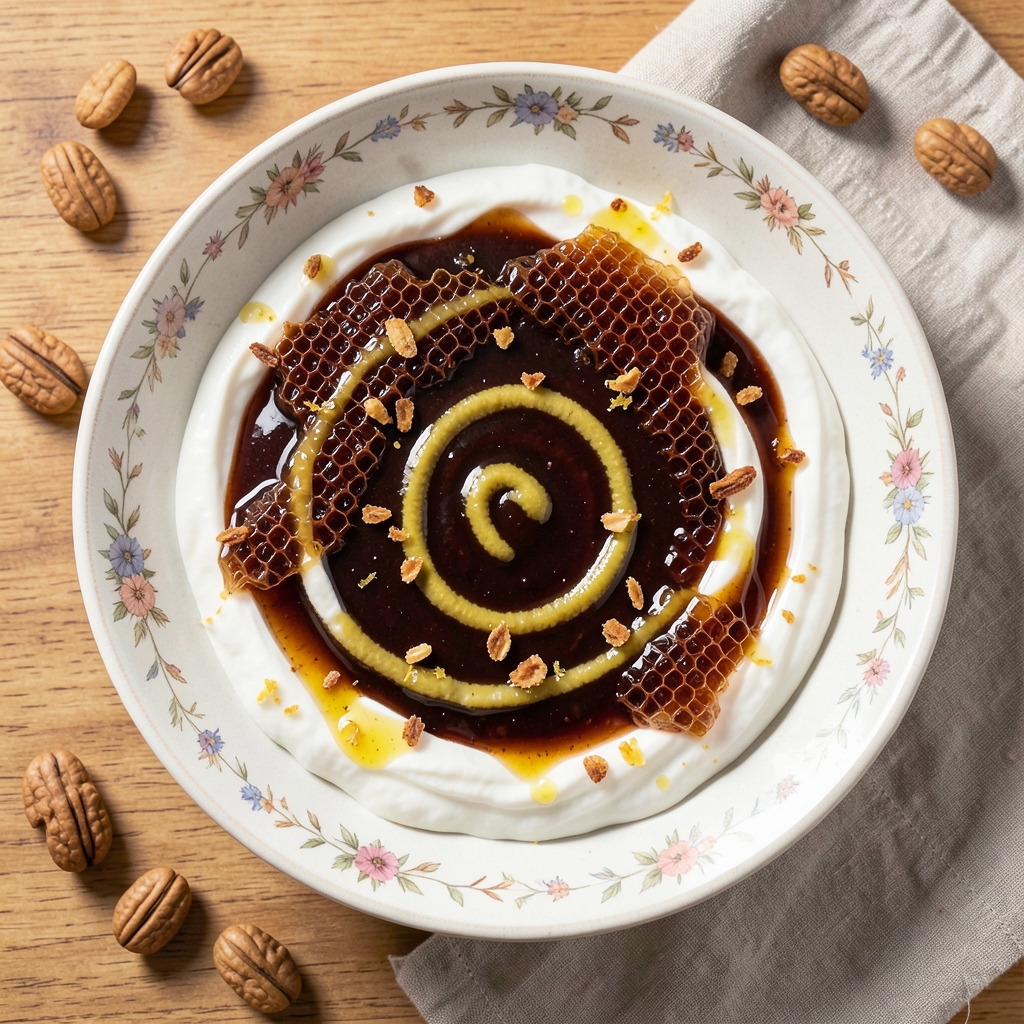
This homemade balsamic dressing recipe transforms simple pantry staples into a restaurant-quality sauce that elevates every dish. The balance of aged balsamic vinegar and honey creates a sweet-tangy profile that pairs perfectly with salads, roasted vegetables, and grilled meats.
I developed this version after years of testing—each variation taught me something new about emulsification and flavor development.
The secret lies in the reduced balsamic glaze and the choice of emulsifier. Traditional recipes rely on Dijon mustard for stability, but I’ve also included a creamy yogurt variation that adds richness without sacrificing brightness.
Both methods deliver a dressing that clings beautifully to greens and absorbs into textures, making it a versatile addition to any meal. The honey not only sweetens but also helps balance the vinegar’s acidity, creating harmony in every bite.
What you’ll end up with is a smooth, glossy dressing that’s far superior to store-bought versions. The glaze adds depth, while the emulsifier ensures it stays cohesive—no separation, no clumping.
This recipe is foolproof, with clear instructions for both traditional and modern approaches, so you can choose what works best for your kitchen. Whether you’re dressing a hearty winter salad or drizzling over roasted Brussels sprouts, this sauce will become a staple.
Store it in the fridge for up to a week, or make a double batch to have on hand for spontaneous meals. The reduced glaze can also be used as a finishing touch for desserts or grilled proteins, proving this dressing is more than just a salad companion.
Let’s get started—your taste buds will thank you.
Ingredients for homemade balsamic dressing
Nine pantry staples. Two methods. One restaurant-quality dressing that transforms every dish.
| Ingredient | Amount | Notes |
|---|---|---|
| Aged Balsamic Vinegar 🍷 | ½ cup | High-quality, aged 12 years minimum |
| Extra-Virgin Olive Oil 🫒 | ¾ cup | Light, fruity variety for balance |
| Raw Honey 🍯 | ¼ cup | Local preferred for floral notes |
| Dijon Mustard 🌶️ | 1 tbsp | For traditional emulsification |
| Plain Greek Yogurt 🥛 | ¼ cup | Full-fat for creamy texture |
| Fresh Lemon Juice 🍋 | 1 tbsp | Brightens the glaze |
| Diamond Crystal Kosher Salt 🧂 | ½ tsp | Fine grain for delicate seasoning |
| Freshly Ground Black Pepper 🌶️ | ¼ tsp | Enhances depth of flavor |
| Garlic Cloves 🧄 | 1 clove | Minced for subtle aroma |
The aged balsamic vinegar is non-negotiable here—look for 12-year aged or older at specialty stores like Whole Foods or Trader Joe’s. The deeper the color and richer the aroma, the better it’ll reduce into that glossy glaze. For honey, local varieties add floral complexity, but any raw honey works. I grab mine from Costco in bulk—it’s cheaper and lasts forever. The olive oil should be light and fruity; California avocado oil or Spanish Arbequina are my go-tos. Fresh garlic and lemon juice are freshness markers—don’t skip them, even if you’re using the yogurt variation.
No Dijon mustard? Whisk egg yolks with 1 tsp vinegar as an emulsifier substitute—it binds just as well. Short on honey? Maple syrup at half the amount keeps the dressing cohesive. The yogurt variation is where things get interesting—swap the mustard for yogurt and reduce the olive oil to 0.5 cup. For extra depth, toast 1 tsp whole cumin seeds and grind them into the dressing. The glaze can be made ahead and stored separately for up to 2 weeks, which is perfect for meal prep.
This dressing stays fresh for 1 week in the fridge, sealed tightly. The glaze can be reduced ahead and reheated gently to thin it out. For maximum shelf life, store the glaze and base separately and combine when ready to use. The yogurt version holds up slightly longer—10 days max. If it separates, just whisk vigorously or blend briefly. Trust me, the first time you drizzle this over warm roasted Brussels sprouts, you’ll never buy store-bought again.
Why You’ll Love This Recipe
- Five-Ingredient Magic: I swear, this is the kind of dressing where you measure, stir, and boom—it’s ready. No fancy techniques, no waiting for reductions, just a whisk and a jar. Honestly, I’ve made it while scrolling through emails; it’s that simple.
- Sweet-Tangy Balance: That aged balsamic swirls with raw honey and Dijon mustard for a bite that lingers—smooth but never boring. The Greek yogurt adds a creamy richness that turns salads into something you actually want to finish.
- Weeknight to Dinner Party: Toss it on grilled chicken for a quick weeknight meal, drizzle it over roasted veggies for a fancier spread, or use it as a marinade. Between us, it’s the one dressing that works for everything without needing a recipe rewrite.
- Lasts All Week: Make a big batch—it keeps in the fridge for days without separating or turning sad. I’ve used the same jar for salads, dips, and even a glaze for pork chops. Budget-friendly? Absolutely. Time-saving? Even more so.
Step-by-step instructions for homemade balsamic dressing
Here’s how to create a perfectly balanced dressing that elevates any dish with its rich, tangy-sweet harmony.
Whisk Together the Base Ingredients
In a medium bowl, combine the 0.5 cup aged balsamic vinegar, 0.25 cup raw honey, and 1 tbsp Dijon mustard. Use a whisk to blend these ingredients vigorously for about 1 minute until the honey and mustard are fully incorporated and the mixture appears smooth. This step is crucial for creating a cohesive foundation where the vinegar’s acidity and honey’s sweetness begin to mingle.
The aged balsamic vinegar should be at room temperature for best results—cold vinegar can create a slightly cloudy dressing. If you’re using a particularly thick honey, you might need to warm it gently (just until it becomes pourable) to ensure it blends seamlessly with the other ingredients. This initial mixture should have a syrupy consistency, setting the stage for the creamy elements to come.
Incorporate the Garlic and Olive Oil
Add the 1 minced garlic clove to the bowl and whisk for another 30 seconds to distribute the aroma evenly. Then, slowly drizzle in the 0.75 cup extra-virgin olive oil while continuing to whisk constantly. This gradual addition prevents the dressing from separating and creates a luxurious, velvety texture.
Watch for the moment when the oil begins to emulsify with the vinegar mixture—you’ll notice the dressing thicken slightly and become more uniform. If you whisk too aggressively at this stage, you might incorporate too much air, which can cause the dressing to break later. Instead, focus on steady, even strokes until the mixture looks silky and cohesive, with no visible separation between the oil and vinegar components.
Add the Yogurt and Lemon Juice
Gently fold in the 0.25 cup plain Greek yogurt using a rubber spatula, being careful not to overmix. The yogurt will add a creamy, tangy element that balances the dressing’s richness. Next, stir in the 1 tbsp fresh lemon juice and 0.5 tsp diamond crystal kosher salt. The lemon juice brightens the flavors, while the salt enhances all the components without overpowering them.
At this point, the dressing should look thick and luscious, with a glossy sheen. If it appears too stiff, you can thin it slightly by adding 1-2 teaspoons of warm water at a time until it reaches a pourable consistency. The texture should be smooth enough to drizzle effortlessly over salads or roasted vegetables, yet thick enough to cling to greens without pooling at the bottom of the bowl.
Season and Emulsify
Finish the dressing by adding the 0.25 tsp freshly ground black pepper and giving it one final whisk to ensure everything is evenly distributed. Taste the dressing and adjust the seasoning if needed—you might want to add a touch more honey for sweetness, lemon juice for acidity, or salt for depth. The goal is a harmonious balance where the balsamic’s tang, honey’s sweetness, and olive oil’s richness all shine.
For an extra-smooth texture, transfer the dressing to a blender or food processor and pulse for 10-15 seconds. This step isn’t mandatory but helps break down any remaining lumps and creates a silky, restaurant-quality finish. Once blended, return the dressing to the bowl and give it one last stir to ensure uniformity. The result should be a dressing that’s creamy yet light, tangy yet sweet, and perfectly balanced for any dish.
Rest and Serve
Let the dressing rest at room temperature for at least 15 minutes before serving. This resting period allows the flavors to meld and the dressing to reach its ideal consistency. If you’re making it ahead of time, store it in an airtight container in the refrigerator for up to 1 week, shaking gently before each use to re-emulsify if necessary.
When ready to serve, give the dressing one final stir to ensure everything is well combined. Drizzle it over mixed greens, roasted vegetables, or grilled meats for a burst of flavor. The dressing should coat ingredients lightly, enhancing their natural flavors without overpowering them. This homemade version is far superior to store-bought options, offering a depth of flavor and texture that’s impossible to replicate with pre-packaged dressings.
Pro Tips For Making Homemade Balsamic Dressing
- Whisk in Stages: Start with the balsamic and honey—let them warm slightly in a small bowl first (just 30 seconds in the microwave, if you’re impatient). Then add the yogurt and mustard to temper it; otherwise, you’ll end up with a broken emulsion that looks like a sad, separated science experiment.
- Use Cold Yogurt: Scoop the Greek yogurt straight from the fridge—room temperature makes it runny, and you’ll end up drowning your greens. Cold yogurt also keeps the dressing thicker longer, so it clings better to salads instead of pooling at the bottom like a lazy sauce.
- Measure Honey Precisely: That “1 tablespoon” of honey? Use a kitchen scale if you can—liquid honey’s density varies wildly, and eyeballing it turns your dressing into either syrup or vinegar. A gram or two makes a real difference in balancing sweetness and tang.
- Emulsify with a Fork: Skip the blender—whisking the olive oil in slowly with a fork (or even a chopstick, no judgment) gives you more control. If it breaks, just add a splash of warm water or a pinch of salt to coax it back together. No one’s impressed by a food processor for this.
Troubleshooting this dish
Thin and Watery?
If your dressing ends up too thin, it’s likely from over-whisking or using too much olive oil. I’ve found that adding 1 tbsp cornstarch mixed with 1 tsp cold water thickens it beautifully—just stir it in and let it sit for 5 minutes to absorb.
For a natural fix, reduce the dressing by simmering it gently in a small saucepan for 3-5 minutes until it reaches your desired consistency. 💧
Separation Issues?
Emulsification is the key here. If your dressing separates, it’s usually because the oil and vinegar didn’t bond properly. Whisk in 1 tsp Dijon mustard or 1 tsp egg yolk (whisked with 1 tsp vinegar) to act as a natural emulsifier.
For a quick fix, blend the separated dressing briefly in a blender—this breaks up any oil pockets and restores that silky texture. 🥄
Too Tart or Sweet?
Balancing the flavors is all about tweaking the ratios. If it’s too tart, add ½ tsp honey or maple syrup to mellow the acidity. Too sweet? Brighten it with ½ tsp lemon juice or a pinch of salt to cut through the richness.
I once ruined a batch by overdoing the honey—now I taste as I go and adjust gradually. 🍯
Grainy Texture?
Gritty texture usually means undissolved honey or salt. Warm the honey gently in a small bowl until it’s pourable, then whisk it back into the dressing. If the salt is the issue, strain the dressing through a fine-mesh sieve to catch any lingering crystals.
For extra smoothness, blend it briefly—this also helps if you used a thick yogurt or honey. 🥛
Glaze Too Thick?
If your reduced balsamic glaze is stubbornly thick, thin it with 1 tsp warm water or vinegar at a time. For a smoother drizzle, reheat the glaze gently in a small saucepan over low heat while stirring.
If it’s still too thick, add ½ tsp lemon juice to help it flow more easily. I’ve even thinned stubborn glaze with a splash of the finished dressing—it blends right in! 🍋
Storage Problems?
If your dressing separates after refrigeration, it’s not ruined—just needs a quick fix. Shake the container vigorously or whisk it back together. For long-term storage, keep the glaze and base ingredients separate in airtight containers.
Recombine them when ready to use, and whisk until smooth. The yogurt version holds up better for storage, but always shake before using. ❄️
Nutrition facts
Frequently asked questions
Can I make this dressing without honey?
Replace the honey with ¼ cup maple syrup for a similar sweetness profile. For a more savory version, reduce the honey to 2 tablespoons and add 1 teaspoon balsamic glaze instead. The key is balancing the acidity—always taste as you go.
How do I make the reduced balsamic glaze separately?
Simmer ½ cup aged balsamic vinegar in a small saucepan over medium-low heat for 10-15 minutes, stirring occasionally, until reduced by half and syrupy. Let it cool completely before using—it should be thick enough to coat the back of a spoon. Store in an airtight container for up to 2 weeks.
What are the best salads to pair with this dressing?
This dressing shines on arugula with shaved Parmesan, roasted beet salads, or warm grain bowls with farro or quinoa. The tangy-sweet balance also works beautifully with grilled chicken Caesar salads or goat cheese and pear combinations. For extra richness, drizzle over creamy potato salads.
Why did my dressing separate after refrigeration?
Separation happens when oil and vinegar don’t fully emulsify. To fix it, whisk in ½ teaspoon Dijon mustard or blend briefly. For prevention, always whisk the dressing vigorously while adding oil and let it rest 15 minutes before refrigerating. The yogurt version is more stable—just shake before using.
Can I use this dressing on non-salad dishes?
Yes! Drizzle it over roasted Brussels sprouts, grilled steak, or pasta with cherry tomatoes. The glaze alone works as a finishing touch for seared scallops or warm bread. For a dessert twist, reduce the glaze further and drizzle over vanilla ice cream or ricotta cheesecake.

- Nestlé Edible Cookie Dough Recipe: No-Bake Safe Treats for Kids and Adults - November 16, 2026
- Whippy Icing Recipe: Light-as-Air Frosting With Secret Stabilizer Trick - November 16, 2026
- Breakfast Bagel Recipe: Toasted Everything Bagel With Cream Cheese Twist - November 16, 2026