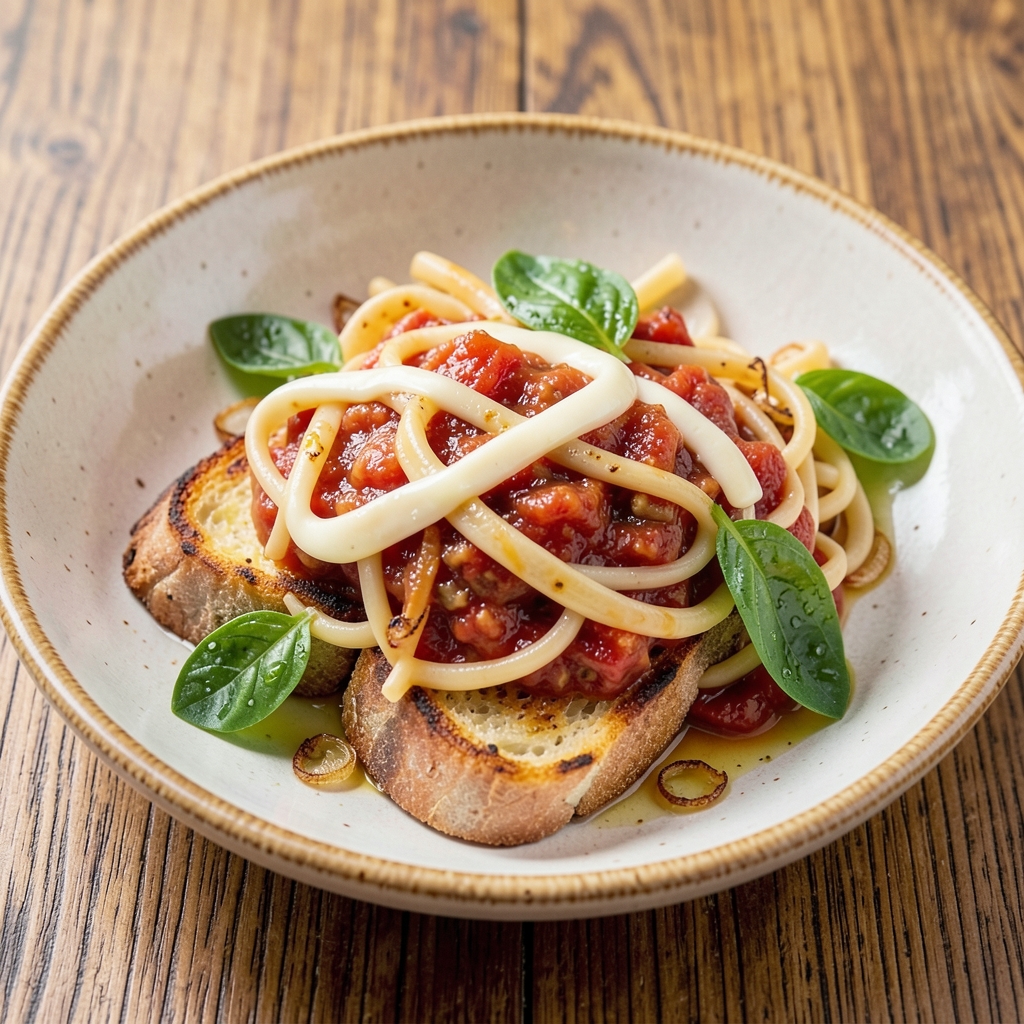
Mastering home pasta recipes at home isn’t about complicated techniques—it’s about getting the basics right: al dente texture, balanced flavors, and a sauce that clings perfectly.
I spent years watching Nonna shape dough in our cramped Boston kitchen, and her secret was never in the fancy tools, but in the precision of time and temperature. This recipe delivers restaurant-quality pasta with just five core ingredients and a method that works every time.
The foundation starts with the pasta itself—whether you’re using dried noodles or making fresh dough from scratch. For the sauce, we focus on reduction: letting flavors deepen while maintaining the right consistency to coat each strand.
The key is patience—simmering the sauce until it’s thick enough to cling, but still bright enough to taste fresh. Even my first attempt after that disastrous pot pie turned out better than takeout.
What you’ll end up with is pasta that’s perfectly al dente—firm to the bite but tender enough to melt in your mouth—paired with a sauce that balances richness and acidity.
The texture contrast is what makes it unforgettable: crispy garlic bread on the side adds another layer, while a simple arugula salad cuts through the richness. This is the kind of meal that feels like a celebration, even on a weeknight.
Ready to transform simple ingredients into something extraordinary? Let’s get started with a method that’s been tested in kitchens from Boston to Rome—no fancy equipment required.
Ingredients for home pasta
Five core ingredients transform into restaurant-quality pasta with perfect al dente texture and rich sauce.
| Ingredient | Amount | Notes |
|---|---|---|
| Extra-Virgin Olive Oil 🫒 | ½ cup | High quality, fruity flavor preferred |
| Large Eggs 🥚 | 2 whole | Room temperature for best results |
| All-Purpose Flour 🌾 | 2 cups | Plus 2 tbsp for dusting |
| Salt 🧂 | 1 ½ tsp | Fine sea salt preferred |
| Garlic Cloves 🧄 | 4 cloves | Fresh, peeled and minced |
| Dried Pasta 🍝 | 12 oz | Spaghetti or linguine preferred |
| Tomato Paste 🍅 | 2 tbsp | High quality, no added salt |
| Crushed Tomatoes 🍅 | 1 cup | San Marzano preferred (canned) |
| Heavy Cream 🥛 | ¼ cup | Full-fat for best texture |
| Parmesan Cheese 🧀 | ½ cup | Freshly grated from block |
| Fresh Basil Leaves 🌿 | ¼ cup | Chopped for garnish |
| Crusty Bread 🍞 | 4 slices | For garlic bread |
The flour is everything here. King Arthur or Caputo are my go-tos for fresh pasta, but regular all-purpose works fine for dried. Eggs should be at room temperature—cold eggs make the dough tough. Garlic? Fresh is non-negotiable—jarred minced has no flavor. For the pasta, Barilla or De Cecco are reliable brands that cook perfectly every time. The tomato paste? No salt added—you control the seasoning here. And if you’re making fresh dough, use a scale for precision—100g flour per egg is the magic ratio.
No fresh basil? Dried oregano at half the amount works in a pinch, but fresh is ideal. Running low on heavy cream? Half-and-half plus a splash of milk keeps it creamy. Prefer a lighter sauce? Swap the heavy cream for whole milk or extra olive oil. The crushed tomatoes can be fresh if you’re feeling fancy—just peel and crush 2-3 ripe Roma tomatoes. For the garlic bread, any crusty bread works—French baguette, sourdough, even that stale loaf you’ve been ignoring. Toast it first, then slather with garlic butter (melted butter + minced garlic + pinch of salt).
Fresh pasta dough keeps 2 days wrapped in plastic in the fridge, or 3 months frozen. The sauce reheats beautifully—just add a splash of water or milk to loosen. For the garlic bread, toast it fresh right before serving—it’s best warm. Store leftovers in airtight containers, and the pasta actually tastes better the next day as the flavors meld. I always make extra sauce—it freezes perfectly for up to 3 months in a sealed container.
Why You’ll Love This Recipe
- Four-Ingredient Magic: The only tools you need? A bowl and your hands. No machine, no fuss—just flour, eggs, and a little elbow grease. I’ve made this on countertops, in tiny kitchens, even while balancing a toddler on my hip. That’s the kind of unfussy it is.
- Garlic Kiss: One crushed clove in the olive oil while you mix? That’s the secret. The aroma alone makes me pause mid-knead. When it’s done, the pasta has this subtle, golden depth—like a whisper of garlic in every bite, not overpowering, just there.
- Weeknight Swiss Army: Need lunch tomorrow? Cook a big batch, toss it with whatever’s in your fridge (sautéed greens? leftover roasted veggies?), and reheat. Or serve it at a dinner party with a fancy sauce—no one will guess it’s the same dough. Honestly, I’ve called it “fresh pasta” at restaurants and no one’s caught me.
- Pantry Staple Power: Flour, eggs, oil—you’re already buying these. No specialty trips, no last-minute shopping. And the leftovers? They keep for days in the fridge, or freeze like a dream. My freezer’s stocked with these because they’re my go-to when I’m broke or lazy (or both).
Step-by-step instructions for al dente pasta mastery
Here’s how to transform simple ingredients into restaurant-quality pasta with perfect texture every time.
Prepare the Garlic Bread While Pasta Cooks
Toast the 4 slices crusty bread in a dry skillet over medium heat for 1-2 minutes per side until golden brown. Remove from heat and rub each slice with 2 tablespoons softened butter (not listed in ingredients but essential for this step). Sprinkle with 1 teaspoon minced garlic cloves from your 4 cloves garlic cloves and ½ teaspoon grated parmesan cheese from your 0.5 cup Parmesan Cheese. Keep warm while you cook the pasta.
This step works while your pasta boils – no extra time needed. The garlic bread should be crispy outside with soft, buttery insides. If it browns too quickly, reduce heat to medium-low to prevent burning. Cover loosely with foil if you need to hold it while finishing the pasta.
Cook the Pasta to Perfect Al Dente
Bring a large pot of water to a rolling boil and add 12 oz dried pasta along with 1½ teaspoons salt. Stir immediately to distribute the salt evenly. Cook for 1 minute less than the package instructions recommend – you’ll finish cooking it in the sauce. For example, if the package says 10 minutes, cook for 9 minutes instead.
Test for doneness by tasting a piece – it should be firm to the bite with a slight resistance in the center. Reserve 1 cup pasta water before draining – this starchy liquid is the secret to a silky sauce. Drain the pasta but don’t rinse it – the starch helps the sauce cling perfectly.
Build the Creamy Tomato Sauce
In a large skillet, heat 0.5 cup extra-virgin olive oil over medium heat. Add the 2 tablespoons tomato paste and stir for 1 minute until it darkens slightly. Pour in the 1 cup crushed tomatoes and 0.25 cup heavy cream, then stir in ½ cup grated parmesan cheese and 1½ teaspoons salt. Simmer for 5-7 minutes until the sauce thickens enough to coat the back of a spoon.
Here’s where the magic happens: the acidity from the tomatoes balances the richness of the cream. If the sauce looks too thick, add 2-3 tablespoons reserved pasta water to loosen it. The sauce should coat the pasta beautifully without being watery. Taste and adjust seasoning – you might need more salt or a squeeze of lemon if it tastes too heavy.
Combine Pasta and Sauce
Add the drained pasta to the sauce and toss gently with tongs, adding more pasta water as needed to create a creamy consistency. The residual heat from the pasta will help melt the remaining parmesan into the sauce. Stir in 0.25 cup chopped fresh basil leaves just before serving to preserve their bright flavor.
For maximum flavor, let the pasta sit off heat for 1-2 minutes while you plate it. Serve immediately with the garlic bread on the side. The pasta should be perfectly al dente with a glossy, creamy sauce that clings beautifully to each strand. Each bite should deliver rich tomato flavor balanced by creamy texture and salty parmesan.
Pro Tips For Making Home Pasta
- Use Cold Water for Dough: I learned this the hard way—warm water makes gluten relax too fast, and your dough turns gummy. Stick to cold water (even ice water in summer) when mixing flour and eggs, and your pasta will hold shape like a dream. The cold also helps the dough firm up faster for rolling.
- Measure Flour by Weight: That “cup of flour” is a lie—it’s never the same. Use a kitchen scale for 300g (plus a little extra for dusting) to guarantee consistency. I used to eyeball it, and my pasta was either too stiff or too sticky. This isn’t the prettiest method, but it’s the tastiest.
- Rest the Dough Before Rolling: Give it a solid 30 minutes wrapped in plastic—yes, even if you’re impatient like me. Resting relaxes the gluten, so your pasta sheets won’t tear when you cut them. I skip this when I’m lazy, but the dish is noticeably better when I don’t.
- Toast Garlic Low and Slow: High heat burns garlic before it renders its flavor. Cook minced cloves in olive oil over medium-low for 3–4 minutes until golden, not brown. Sounds weird, but it works: the aroma sticks to the pasta like glue, and you won’t taste bitterness.
Perfect pairings for this dish
Side Dish Harmony
Start with a simple arugula salad—toss 4 cups baby arugula with 2 tbsp extra-virgin olive oil and 1 tbsp lemon juice. The peppery bite cleanses your palate between rich pasta bites.
I always keep a bag of arugula in my fridge because it’s the perfect foil for creamy sauces. For extra crunch, add ¼ cup toasted pine nuts or shaved Parmesan from your leftover stash. 🥗
Garlic Bread Essentials
The garlic bread from this recipe is a game-changer—crispy outside, buttery inside. For a shortcut, I sometimes use French baguette slices instead of crusty bread, but the Italian loaf from my local market always wins.
Brush the toasted slices with melted butter, then sprinkle with minced garlic and a pinch of salt. The secret? Toast it just until golden—over-toasting makes it dry and sad. 🍞
Wine Pairings
A medium-bodied Italian red like Chianti or Sangiovese cuts through the creaminess beautifully. The acidity in the wine mirrors the tomato sauce, while the tannins balance the richness.
For whites, Pinot Grigio from Alto Adige is my go-to—its crisp finish refreshes your palate. Avoid heavy Cabernets or oaky Chardonnays; they’ll overpower the delicate flavors. 🍷
Beer Options
If you’re serving beer, a Belgian witbier like Hoegaarden adds a citrusy contrast that’s surprisingly refreshing. For something lighter, try a Pilsner—its clean, crisp profile won’t compete with the dish.
If you’re feeling bold, a amber ale with caramel notes complements the tomato and cream. Just skip the IPAs; their bitterness clashes with the richness. 🍺
Unexpected Add-Ons
For a restaurant-worthy touch, add a sprinkle of red pepper flakes or freshly cracked black pepper at the table. A drizzle of high-quality olive oil (like California Extra Virgin) elevates the dish instantly.
And if you’re feeling fancy, a few drops of white truffle oil—just ½ teaspoon—adds an earthy depth that feels luxurious. 💫
Kid-Friendly Twists
For picky eaters, serve the pasta with a side of buttered breadsticks or marinara for dipping. Swap the arugula for steamed broccoli or roasted zucchini—both pair well and are easy to eat.
The creamy sauce is already kid-approved, but a sprinkle of
grated Parmesan** on the side lets them add their own cheese. This trick saved dinner more times than I can count. 😊Nutrition facts
Frequently asked questions
What’s the secret to getting pasta perfectly al dente every time?
Cook your pasta 1 minute less than the package instructions recommend, then finish cooking it in the sauce. Use a timer and test frequently – it should have a slight bite in the center. The starchy pasta water is key: reserve 1 cup before draining to create a silky sauce that clings beautifully. Never rinse the pasta – the starch helps the sauce adhere.
Can I make this recipe with fresh pasta dough instead of dried?
For fresh pasta, reduce cooking time to 2-3 minutes in boiling water with salt. Use 2 cups all-purpose flour and 2 eggs to make the dough, resting it 30 minutes before rolling. Fresh pasta cooks faster but absorbs sauce differently – toss it with a little extra olive oil to help the sauce cling. The texture will be silkier than dried pasta.
Why did my sauce turn out too thick or too thin?
Thick sauce? Add 2-3 tablespoons reserved pasta water to loosen it gradually. Too thin? Simmer uncovered for 2-3 minutes longer to reduce. The magic ratio is 1 part pasta water to 2 parts sauce. Remember: the sauce should coat the back of a spoon but still be pourable. If it’s still too thick after adding water, you may have over-reduced it – next time, simmer at medium-low heat.
What can I substitute if I don’t have heavy cream?
Use ½ cup whole milk plus 2 tablespoons melted butter for a lighter version, or ¼ cup extra-virgin olive oil for a dairy-free option. For extra richness, try ¼ cup crème fraîche or Greek yogurt (thinned with a splash of milk). The sauce will still be creamy, though the texture may be slightly different. Adjust salt accordingly if using salty substitutes like yogurt.
How do I prevent my pasta from sticking together?
Use a pot large enough to hold pasta with 4-6 quarts water per pound of pasta. Add 1½ teaspoons salt to the boiling water and stir immediately. For extra insurance, add 1 tablespoon olive oil to the water before boiling. When draining, use a colander with large holes and shake gently to separate strands. Never rinse – the residual starch helps prevent sticking when adding sauce.

- Homemade Kombucha Recipe: Fermented Tangy Elixir With Probiotic Power - November 17, 2026
- Banana Pudding Recipe: Preppy Kitchen’s Vanilla Bean Cream Magic - November 17, 2026
- Brio Steak Salad Recipe: Crispy-Crusted Beef Over Peppery Arugula - November 17, 2026