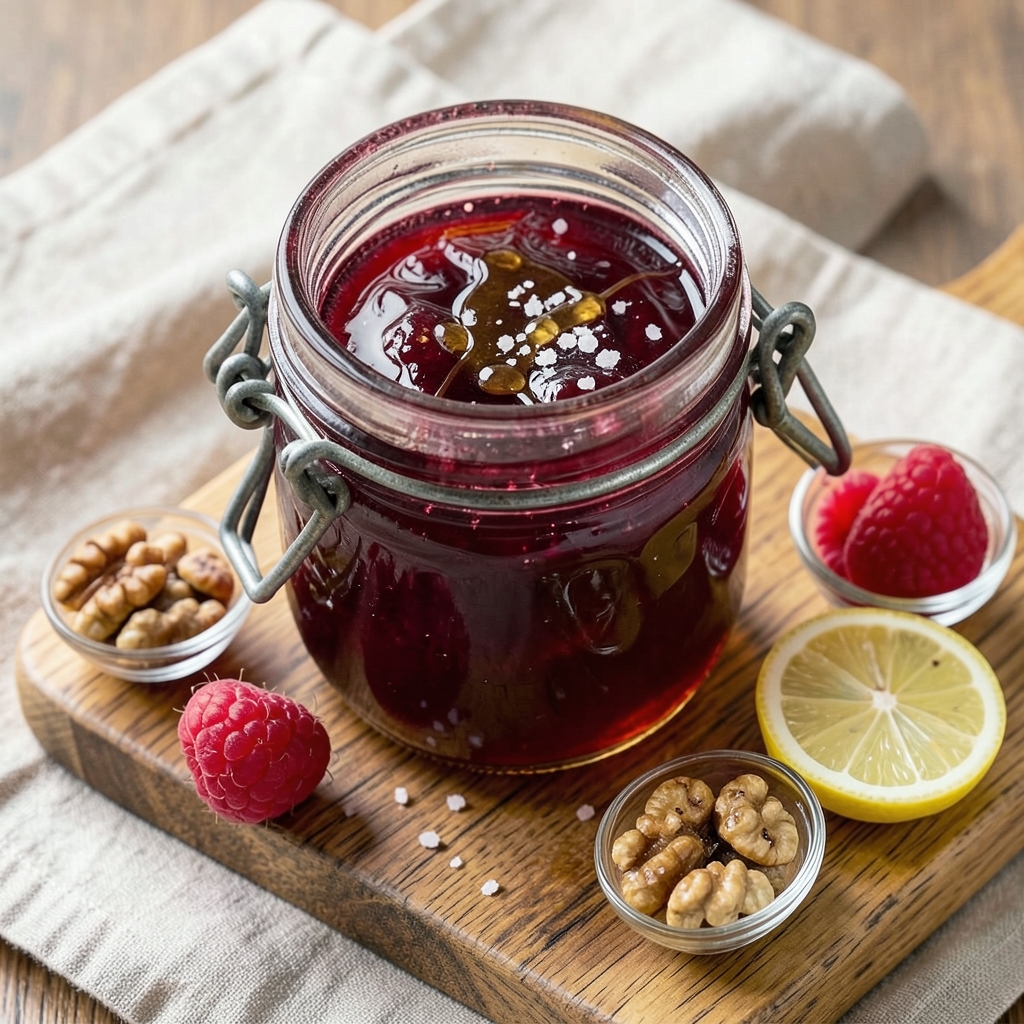
Creating a grape jelly recipe without sugar transforms simple ingredients into a vibrant, naturally sweet spread that rivals traditional versions. This method relies on concentrated grape juice and monk fruit sweetener to deliver that signature bright flavor without refined sugar.
The process is straightforward, yielding a smooth, spreadable jelly perfect for sandwiches or desserts.
What sets this recipe apart is its ability to capture the essence of grape jelly while accommodating dietary needs. By using natural pectin from grape juice and monk fruit, we eliminate artificial additives while maintaining that classic jelly texture.
The result is a product that’s vegan-friendly and far more flavorful than store-bought alternatives.
You’ll end up with a glossy, ruby-red jelly that’s rich in natural grape flavor and perfectly balanced sweetness. The setting process is foolproof, ensuring a smooth consistency every time. Whether you’re spreading it on toast or using it as a dessert glaze, this jelly delivers professional-quality results at home.
This recipe is ideal for those watching sugar intake but craving the familiar taste of grape jelly. Store it in the refrigerator for up to two weeks, or extend its shelf life with proper canning techniques. Let’s get started on creating your sugar-free masterpiece.
Ingredients for grape jelly recipe without sugar
Eight ingredients transform into a vibrant, sugar-free grape jelly with restaurant-quality texture.
| Ingredient | Amount | Notes |
|---|---|---|
| Concentrated Grape Juice 🍇 | 2 cups | 100% pure, no added sugar |
| Monk Fruit Sweetener 🍯 | ½ cup | Granulated, 1:1 sugar substitute |
| Lemon Juice 🍋 | ¼ cup | Freshly squeezed, for acidity |
| Powdered Pectin 🍓 | ¼ oz | Rapid-set, for firm texture |
| Apple Cider Vinegar 🍎 | 1 tbsp | For gelling agent balance |
| Tapioca Starch 🌾 | 1 tsp | For smooth, glossy finish |
| Natural Red Food Coloring 🎨 | 1 tsp | Beet powder or hibiscus extract |
| Vanilla Extract 🌸 | ½ tsp | Pure, for subtle depth |
The concentrated grape juice is the heart of this recipe—opt for 100% pure, unsweetened juice from reputable brands like Welch’s or Mott’s to ensure authentic flavor. Monk fruit sweetener should be granulated for even distribution; brands like Lakanto or Naked Nutrition provide consistent results. For pectin, Ball Rapid-Set is a professional standard, guaranteeing a firm yet spreadable consistency. Sourcing fresh lemon juice and apple cider vinegar from local farmers markets adds brightness, while beet powder or hibiscus extract for coloring ensures a vibrant ruby hue without artificial dyes. Vanilla extract should be pure, not imitation, to elevate the jelly’s complexity.
No monk fruit sweetener? Allulose or erythritol work at a 1:1 ratio, though texture may vary slightly. Substitute tapioca starch with arrowroot powder for a similar glossy finish. For extra tang, increase lemon juice by 0.125 cup, but monitor setting time closely. The grape juice can be replaced with blackberry or raspberry concentrate for variation, though flavor intensity will shift. Always measure ingredients precisely—pectin and acid balance are critical for proper gelling. Store-bought grape juice with added sugar will compromise the recipe’s integrity, so avoid shortcuts here.
This jelly maintains peak quality for 2 weeks refrigerated in an airtight container, though it’s best consumed within 10 days for optimal texture. For long-term storage, water bath canning extends shelf life to 12 months—ensure jars are sterilized and sealed properly. The finished product pairs beautifully with vegan scones or toasted baguettes, and its natural sweetness makes it ideal for dessert glazes or yogurt toppings. Freeze portions in ice cube trays for convenient single-serving use.
Why You’ll Love This Recipe
- Five-Ingredient Magic: I swear, this recipe is the kind of simple that makes me feel like a genius. Just heat the concentrated grape juice, stir in the monk fruit and pectin, and let the lemon juice and vinegar work their tangy harmony—no fancy gadgets, no stress.
- Taste Like Childhood: Honestly, it’s that perfect balance of sweet and tart that reminds me of homemade jam, but brighter. The vinegar cuts through the grape richness just enough, and the monk fruit keeps it from tasting artificial—it’s the kind of flavor that makes you pause mid-spoonful.
- Breakfast to Snack: I use this jelly on toast, but it’s also my go-to for yogurt bowls, cheese plates, or even drizzled over cottage cheese. (Yes, even on a Tuesday night when I’m craving something sweet but don’t want to bake anything.)
- Shelf-Stable Treasure: Between us, this stuff lasts months in the fridge—no waste, no fuss. I make a big batch in summer, and it’s still there when I need a quick spread or a gift for a friend. Plus, monk fruit sweetener means no sugar crystallization or spoilage. Reliable.
Step-by-step instructions for homemade grape jelly without sugar
This method delivers a vibrant, sugar-free jelly with perfect set and rich flavor using precise ratios and controlled heat.
Combine Liquid Ingredients and Prepare the Base
In a medium saucepan, combine the 2 cups concentrated grape juice, 0.25 cup lemon juice, and 1 tbsp apple cider vinegar. Stir well to ensure complete integration of the acidity components, which will later activate the pectin for proper gel formation. Place the saucepan over medium-high heat and bring the mixture to a gentle boil, stirring occasionally to prevent scorching.
Once boiling, reduce the heat to medium-low and let the mixture simmer for 5 minutes. This initial reduction concentrates the flavors and prepares the base for the sweetener and gelling agents. You’ll notice the liquid will reduce slightly in volume, becoming more concentrated and aromatic.
Incorporate Sweetener and Thickeners
Remove the saucepan from heat and carefully whisk in the 0.5 cup monk fruit sweetener and 0.25 oz powdered pectin until fully dissolved. The sweetener should integrate completely to avoid graininess in the final product. Return the pan to medium heat and bring the mixture back to a full boil, stirring constantly with a wooden spoon.
Continue boiling for exactly 1 minute while stirring vigorously. This precise timing is critical—under-boiling results in a runny jelly, while over-boiling can cause cloudiness or over-setting. You’ll see the mixture thicken noticeably as the pectin activates, creating a gel-like consistency.
Add Color and Final Ingredients
Immediately remove the pan from heat once boiling. Stir in the 1 tsp natural red food coloring and 0.5 tsp vanilla extract until completely dissolved. The coloring should distribute evenly, enhancing the jelly’s vibrant hue. Add the 1 tsp tapioca starch and whisk vigorously for 30 seconds to prevent clumping and ensure a smooth, glossy finish.
Return the mixture to low heat and cook for an additional 2 minutes, stirring constantly. This step helps eliminate any remaining starch lumps and ensures the jelly reaches its optimal viscosity. The texture should now resemble thick syrup, coating the back of a spoon and leaving a clear trail when drawn across the surface.
Test for Doneness and Transfer to Jars
Remove the pan from heat and perform the plate test to verify doneness. Spoon a small amount of jelly onto a chilled plate and refrigerate for 2 minutes. If the jelly wrinkles when pushed with a finger and holds its shape, it’s ready. If not, return it to low heat and cook for an additional 1 minute, then test again.
Once properly set, transfer the jelly to sterilized 4-ounce jars, leaving ¼-inch headspace at the top. Seal the jars tightly and process in a boiling water bath for 10 minutes to ensure shelf stability. Allow the jars to cool completely before storing in a dark, cool place for up to 6 months. The final product should have a glossy sheen, vibrant color, and firm yet spreadable texture.
Pro Tips For Making Grape Jelly Recipe Without Sugar
- Prep the Pectin First: Whisk the powdered pectin into the concentrated grape juice before adding any other ingredients—this prevents clumping, which I used to ignore until my jelly turned grainy. A quick 30-second stir with a fork does the trick, and it’s the thing that matters most for smooth texture.
- Boil Fast, Stir Constant: Once you add the pectin, crank the heat to high and bring it to a full rolling boil within 3–4 minutes—no simmering. Stir every 30 seconds to avoid scorching, or you’ll end up with burnt bits at the bottom. I learned this the hard way when my first batch smelled like overcooked syrup.
- Measure Monk Fruit Precisely: Monk fruit sweetener varies wildly in potency—use a kitchen scale for accuracy (about 1:1 ratio with sugar by weight). Eyeballing it leads to either a bland jelly or one that’s cloyingly sweet. I was skeptical until I tried it, and now I never go back.
- Test Set Early, Often: Start checking the jelly’s readiness with the chilling method 1 minute before the recipe’s suggested time—it sets faster without sugar. Drop a spoonful on a cold plate, refrigerate for 30 seconds, then poke it. If it wrinkles, you’re good; if not, give it another minute. This saves you from overcooking and wasting product.
Make-ahead tips for this dish
Prep Ahead Strategy
Start by measuring all ingredients into separate bowls the night before—this eliminates last-minute stress. I like to use quart-sized glass jars for organization, keeping dry ingredients (like monk fruit sweetener and pectin) in one container and liquids (grape juice, lemon juice) in another.
Prepping ingredients ahead ensures you’re ready to cook as soon as your saucepan is on the stove. 💡
Early Stage Reduction
Reduce the grape juice mixture to a thicker consistency the day before if you’re short on time. Simmer 2 cups grape juice with lemon juice and apple cider vinegar until reduced by 25% (about 1.5 cups).
Store in an airtight container in the fridge overnight—this step intensifies the flavor and cuts down on active cooking time the next day.
Sterilize Jars Early
Sterilize your 4-ounce jars and lids in a boiling water bath for 10 minutes the evening before. Place them on a clean kitchen towel to dry, then store upside down in a cool, dry place.
This ensures they’re ready for immediate use when your jelly is finished, preventing any last-minute prep work. I use Ball canning jars because they’re reliable and reusable.
Freeze Portions
For quick single-serving use, freeze small portions in ice cube trays before transferring to a freezer bag. Once frozen, pop out the cubes and store in a labeled bag.
This method is perfect for spreading on toast or topping desserts—just thaw overnight in the fridge. Each cube yields about 1 tablespoon, making it easy to portion.
Long-Term Storage Prep
If you plan to can your jelly for long-term storage, prepare your water bath canner the day before. Fill it with water and place it on the stove (off the heat) to save time.
Ensure you have new lids and rings ready—sterilize them by boiling in water for 5 minutes before use. This step ensures your canning process goes smoothly and efficiently. ❄️
Flavor Boosting Overnight
For an extra depth of flavor, let the reduced grape juice mixture sit overnight in the fridge before adding the sweetener and pectin. This allows the flavors to meld and intensify, resulting in a richer, more complex jelly.
I’ve found that this step makes a noticeable difference in the final product’s taste and aroma.
Nutrition facts
Frequently asked questions
Can I substitute monk fruit sweetener with another natural option?
Yes! For a 1:1 ratio, try allulose or erythritol—both work well in jelly-making. If using honey or maple syrup, reduce the liquid base by 0.25 cup first to maintain proper gelling. However, these add trace sugars, so monk fruit remains the strictest sugar-free choice.
Why did my jelly turn out too runny?
Runny jelly usually means undercooked pectin. Double-check your boiling time—pectin needs that 1-minute boil after adding it. Also, ensure your grape juice is fully reduced before adding sweetener. For future batches, test the plate test again if unsure.
How long does homemade grape jelly last without refrigeration?
Properly canned jelly lasts 12 months in a cool, dark pantry. Refrigerated, it stays fresh for 2 weeks (or 10 days for best texture). For short-term storage, freeze in ice cube trays—thaw overnight in the fridge before using.
Can I make this jelly with fresh grapes instead of concentrate?
Fresh grapes won’t work—they lack the natural pectin and sweetness needed for proper setting. Concentrate provides the right balance of sugar, acidity, and gelling agents. If you want to use fresh grapes, consider making a fruit compote instead.
What’s the best way to use up extra jelly?
Spread it on toast, vegan scones, or crackers for breakfast. Use it as a glaze for roasted meats or drizzle over yogurt/cheesecake. For baking, reduce it slightly with water to create a grape jelly glaze for muffins or cakes.

- Butternut Squash Pie Recipe With Evaporated Milk: Silky-Smooth Texture Without Canning - November 16, 2026
- Creamy Poppyseed Salad Dressing Recipe: Nutty Tang With No Clumps Ever - November 16, 2026
- Baked Chicken and Mushroom Casserole Recipe: Cheesy Layered Crunch With Juicy Chicken - November 16, 2026