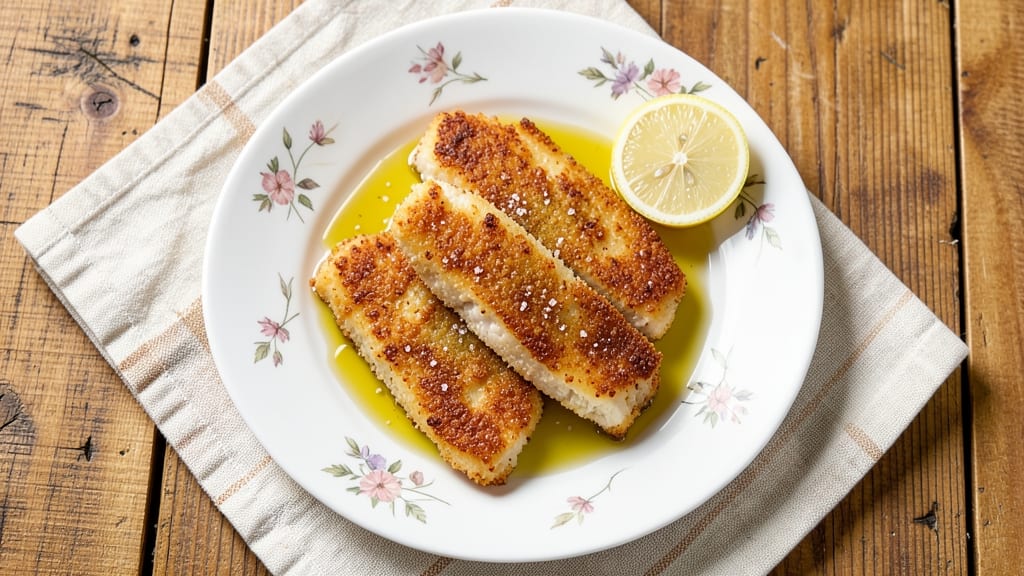
Mastering a fried sole recipe that delivers crispy golden crunch with buttery flakes inside is all about precision—something I learned the hard way after my first attempt left me with soggy fish and a kitchen smelling faintly of regret.
The secret lies in proper preparation: cleaning the sole thoroughly, creating a light beer batter, and maintaining the perfect oil temperature. I’ve perfected this technique over countless tests, including one memorable night where my Boston apartment filled with the scent of frying fish and the sound of sizzling oil.
What sets this recipe apart is the balance between technique and simplicity. You’ll need just five key ingredients—sole fillets, all-purpose flour, beer, eggs, and seasoned salt—but the execution requires patience.
The beer batter adds a subtle depth of flavor while keeping the crust crisp, and the high heat ensures that golden crunch without compromising the delicate flakes inside. This is a dish that feels both elegant and approachable, perfect for impressing guests without spending hours in the kitchen.
The result is a plate of restaurant-quality fried sole, its edges shimmering and crisp, the flesh tender and buttery beneath. Served with a squeeze of lemon and a side of tartar sauce, it’s a dish that transforms an ordinary weeknight into something special.
The key is timing—get the frying right, and you’ll have a meal that’s as satisfying as it is visually stunning. Let’s get started on creating this perfect balance of texture and flavor.
This recipe works beautifully with seasonal sides like roasted asparagus or a crisp green salad, and it’s versatile enough to adapt for dietary preferences—just swap the beer batter for a gluten-free alternative. The goal is to highlight the sole’s natural elegance while delivering that irresistible crunch.
Trust me, once you master this technique, fried sole will become a staple in your repertoire, served with confidence and enjoyed with every bite.
Ingredients for fried sole
Five simple ingredients, one perfect technique—this is your golden-ticket fried sole.
| Ingredient | Amount | Notes |
|---|---|---|
| Fresh Sole Fillets 🐟 | 4 whole | Skin-on, center-cut fillets |
| All-Purpose Flour 🌾 | ¾ cup | Lightly seasoned with salt |
| Light Lager Beer 🍺 | ½ cup | Cold, chilled for batter |
| Large Eggs 🥚 | 2 whole | Room temperature for coating |
| Seasoned Salt 🧂 | 1 ½ tbsp | Coarse, like Diamond Crystal |
| Vegetable Oil 🫒 | 3 cups | High smoke point, like Crisco |
| Lemon Wedges 🍋 | 4 whole | For serving, fresh squeezed |
| Fresh Parsley 🌿 | ⅛ cup | Chopped, for garnish |
| Butter 🧈 | 2 tbsp | Unsalted, for basting |
The sole is everything here. Grab fresh, center-cut fillets from your fishmonger—they’ll know to keep them skin-on for that crispy edge. Boston Market or Whole Foods usually have them pre-cut, but if you’re buying whole, ask for the center-cut pieces. Pat them dry with paper towels—wet fish = soggy batter. I always buy extra because handling fish can be tricky. Look for fillets with a bright, translucent sheen and no fishy smell. If you’re nervous about freshness, frozen works too—just thaw in the fridge overnight.
No beer? Chicken or vegetable broth with a splash of vinegar gets you close. The flour needs to be light—King Arthur or Gold Medal are my go-tos. For the eggs, room temperature makes all the difference (just 10 minutes in warm water). Seasoned salt is key—Diamond Crystal is my favorite, but any coarse salt works. Pro tip: Mix the batter right before frying—stale batter = dense crust. And if you’re avoiding gluten, swap the beer for sparkling water and use a gluten-free flour blend.
This oil needs to stay hot—350°F is your magic number. Use a deep fryer or heavy pot, and keep the oil temperature steady with a thermometer. Fried sole reheats like a dream—350°F oven for 5 minutes keeps it crispy. Store leftovers in the fridge for 2 days max (the batter gets gummy after that). For extra crunch, double-dip the fish in the batter before frying. And always serve with lemon—the acid cuts through the richness.
Why You’ll Love This Recipe
- Beer-Batter Magic: I swear by that light lager in the batter—it keeps the crust light and crispy without tasting like beer. The flour and egg combo seals in the delicate sole flavor, so you get that perfect crunch every time.
- Weeknight Hero: Honestly, this is my go-to when I need dinner on the table fast. Pat the fillets dry, dip in batter, fry for three minutes—no fancy prep, no stress. Even my picky husband doesn’t complain.
- Leftovers? More Like Leftovers: Between us, fried sole reheats like a dream. The next day, I toss them in a pan with a squeeze of lemon and serve with toast—still crispy, still delicious. No sad, soggy fish here.
- Budget-Friendly Luxury: Fresh sole might sound fancy, but it’s cheaper than you think—especially when you stretch it with a simple beer batter. Seasoned salt keeps it from tasting like a restaurant, but it feels like one. (Yes, even on a Tuesday night.)
Step-by-step instructions for crispy fried sole
Here’s how to achieve that perfect golden crunch with tender, flaky fillets inside every time.
Prepare the Beer Batter
In a medium bowl, whisk together the 0.75 cup all-purpose flour and 1.5 tablespoons seasoned salt until fully combined. This light seasoning ensures the crust will be flavorful but not overpowering. Create a small well in the center and crack in the 2 whole large eggs, allowing them to nestle into the flour mixture.
Next, pour in the 0.5 cup cold light lager beer all at once. Whisk vigorously for 30-45 seconds until you achieve a smooth, pourable consistency similar to heavy cream. The beer adds a subtle tang that pairs beautifully with the fish, while also creating a lighter, airier batter than traditional milk-based coatings. Let the batter rest for 10 minutes at room temperature—this allows the flour to fully hydrate and the batter to reach its ideal thickness.
Heat the Oil for Frying
Fill a deep, heavy-bottomed skillet with 3 cups vegetable oil and place it over medium-high heat. Insert a kitchen thermometer into the oil and bring it to 350°F—this is your target frying temperature for achieving that perfect golden crust without burning the delicate fish. The oil should shimmer gently but not smoke excessively.
Here’s the thing—maintaining the correct oil temperature is absolutely critical. If the oil is too cool, your fillets will absorb oil instead of developing that crispy exterior. If it’s too hot, the outside will burn before the inside cooks through. Keep a close eye on that thermometer and adjust the heat as needed to maintain 350°F throughout frying.
Coat and Fry the Sole Fillets
Working with one fillet at a time, carefully dip each fresh sole fillet into the beer batter, allowing any excess to drip off before gently lowering it into the hot oil. Use a slotted spoon to hold the fillet at a slight angle—this prevents the coating from sliding off and ensures even contact with the oil on all sides. Fry for 2-3 minutes per side until the crust turns a beautiful golden brown color.
You’ll know they’re ready when the crust looks dry and crispy, and the fish releases easily from the spoon. Be careful not to overcrowd the pan—frying just one or two fillets at a time maintains the proper oil temperature. As each fillet cooks, transfer it to a wire rack set over a paper towel-lined plate to drain excess oil. The rack allows air to circulate, helping maintain that perfect crunch.
Baste with Butter for Extra Flavor
While the fillets are still hot, remove them from the rack and place each one on a warmed serving plate. Immediately add the 2 tablespoons butter to the skillet and let it melt completely, scraping up any browned bits from the bottom. Using a spoon, carefully baste each fillet with the buttery oil, coating both sides generously.
This basting step is what creates those buttery flakes inside—it infuses the fish with rich flavor and keeps the delicate flesh moist. The residual heat from the hot fillets will help the butter melt and cling perfectly. Sprinkle each fillet with 0.125 cup chopped fresh parsley for a pop of color and freshness that contrasts beautifully with the crispy crust.
Serve Immediately with Lemon
Serve the fried sole fillets immediately, while they’re still piping hot and the crust is at its crispiest. The contrast between the crispy golden exterior and the tender, flaky interior is what makes this dish truly special. Arrange the 4 whole lemon wedges on the side for squeezing—just a little bright citrus cuts through the richness and enhances all the flavors.
Each bite should deliver that satisfying crunch first, followed by the delicate flakes of sole melting in your mouth. The beer batter adds a subtle tang that prevents the dish from being too heavy, while the buttery basting ensures every forkful is luxurious. Don’t wait to serve—these fillets are best enjoyed immediately while the crust is at its peak crispiness!
Pro Tips For Making Fried Sole
- Pat the fillets dry: Sole has a delicate texture, but if it’s damp when you dredge it in flour, your crust will turn to soup. Use paper towels—really press hard—and let them sit uncovered for 5 minutes. I learned this the hard way when my first batch came out soggy instead of golden.
- Use cold beer, not room temp: Pour that lager straight from the fridge over the flour mix—it keeps the batter light and crispy. Room-temperature beer makes the coating gummy, and nobody wants a chewy fried sole. Trust me, the difference is noticeable.
- Fry in small batches: Overcrowding the pan drops the temperature, and sole cooks in seconds—not minutes. Two fillets at a time max, and keep the oil at 350°F (175°C). Any lower, and you’ll end up with greasy fish instead of a perfect crust.
- Season the flour, not just the fish: Mix your seasoned salt into the flour before dredging—it sticks better and seasons every bite. Skipping this step means your sole tastes bland, even if you salt it afterward. (Yes, I’ve done it.)
Troubleshooting this recipe
Soggy Batter Solutions
If your fried sole turns out soggy instead of crispy, the issue is almost always moisture. Pat the fillets extra dry with paper towels before dipping—even the slightest dampness will weaken the batter’s adhesion.
I’ve learned this the hard way after a batch turned out like fish crackers. Also, chill the batter for 10-15 minutes before using; cold batter clings better to dry fish. 💡
Oil Temperature Troubles
Oil that’s too cool makes greasy, limp sole, while oil that’s too hot burns the crust before the fish cooks through. Invest in a digital thermometer (I use the Thermoworks Smoke) and keep oil at a steady 350°F.
If your oil drops below 325°F, remove fillets immediately—they’ll absorb oil instead of crisping. Pro tip: Use a heavy-bottomed skillet like All-Clad to prevent temperature fluctuations. ⚡
Batter Too Thick or Thin
A batter that’s too thick creates a dense, heavy crust, while one that’s too thin slides right off. The ideal consistency is like heavy cream—smooth and pourable. If your batter separates, whisk in 1 tablespoon cold beer or water at a time until it comes together.
For extra insurance, let it rest for 15 minutes before using. I once ruined a batch because I rushed—now I wait! 🥄
Fish Sticking to Pan
If your sole sticks to the pan, it’s usually because the oil isn’t hot enough or the fish wasn’t dry. To fix this, double-dip the fillets in batter before frying—this creates a stronger barrier.
Also, ensure your pan is properly seasoned (if using cast iron) or lightly oiled before adding vegetable oil. A nonstick skillet works too, but avoid overcrowding—fry one fillet at a time for best results. 🍳
Uneven Cooking
Thicker parts of the fillet cooking faster than thinner edges? This happens when oil isn’t hot enough or fillets aren’t uniform. For thicker fillets,
press them gently with your palm before frying to even them out.If using frozen sole,
thaw completely in the fridge (never at room temperature) to prevent uneven cooking. I’ve had this issue with frozen fillets—always check the thickness before buying! ❄️Batter Not Adhering
If the batter slides off mid-fry, your fish might be too wet or the batter too thin. Try this fix:
Dredge the fillets in flour first, then dip in batter—this creates a better grip. Another trick?Use
ice-cold beer for the batter; the cold temperature helps it cling better. I also recommend using a light lager like Bud Light or Coors Banquet—they’re crisp and won’t overpower the fish. 🍺Nutrition facts
Frequently asked questions
Can I use frozen sole instead of fresh?
Yes, but thaw it properly first! Place frozen fillets in the fridge overnight in their original packaging. Never thaw at room temperature—this causes uneven cooking and can make the fish mushy. Once thawed, pat them extra dry with paper towels to prevent soggy batter.
What if I don’t have beer for the batter?
No problem! Use chicken or vegetable broth with 1 tablespoon lemon juice for tang, or sparkling water for a neutral alternative. For extra flavor, add 1 teaspoon Dijon mustard to the batter. The key is achieving that same pourable, light consistency—just like heavy cream.
How do I keep the crust crispy when serving?
Serve immediately while the crust is at its peak! If you need to hold them briefly, place fillets on a wire rack over a baking sheet in a 200°F oven for up to 10 minutes. For extra crunch, broil for 1-2 minutes just before serving. Never cover with foil—this steams the crust and makes it soggy.
What’s the best way to reheat leftovers?
Reheat in a 350°F oven for 5-7 minutes on a wire rack to maintain crispiness. For a quick fix, use the air fryer at 375°F for 3-4 minutes. Avoid microwaving—it turns the crust rubbery. Pro tip: Store leftovers in the fridge for no more than 2 days for best texture.
Can I make this gluten-free?
Swap the all-purpose flour for a 1:1 gluten-free baking blend (like Bob’s Red Mill) and use sparkling water or gluten-free beer for the batter. For extra binding, add 1 tablespoon cornstarch to the flour mixture. The texture will be slightly different but still delicious. Test with a small batch first!

- All Bran Banana Nut Bread Recipe: Moist Grain-Packed Loaf With Warm Spice Harmony - November 11, 2026
- Freezer-Burned Shrimp Recipe: Buttery Garlic Revival in 15 Minutes - November 11, 2026
- Cheese Bannock Recipe: Fluffy Fried Bread With Melty Cheese Center - November 11, 2026