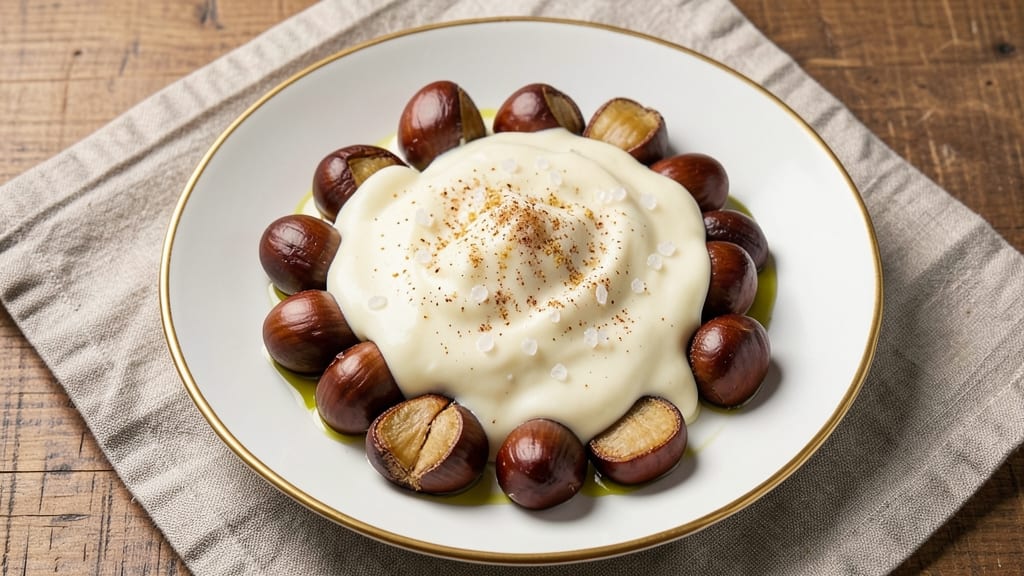
This creamed chestnuts recipe transforms humble chestnuts into a velvety, restaurant-quality side dish that takes just 20 minutes—no fancy equipment required. I first discovered this technique while flipping through my grandmother’s recipe journal, where she’d scribbled notes about “roasting until tender” and “whisking with butter until silky.”
That journal led me to this foolproof method, which delivers creamy, rich results every time.
The secret lies in proper preparation: boiling the chestnuts first softens them, making them easier to peel and mash into that signature smooth texture.
A touch of cream and butter elevates them from simple to luxurious, while a pinch of nutmeg adds warmth that makes this dish feel like a holiday centerpiece. The process is simpler than it sounds—no special tools, just patience and a few key steps.
By the end, you’ll have a dish so velvety and rich it could pass for a decadent dessert, yet it’s light enough to balance hearty mains. The aroma of roasted chestnuts mingles with warm spices, creating a side that’s equal parts comforting and sophisticated.
Perfect for Thanksgiving tables, winter dinners, or even as a sweet spread for toast—this recipe proves chestnuts deserve a place at the center of the plate.
Whether you’re following tradition or adapting for dietary preferences, this method delivers consistent results. Let’s get started—your taste buds (and guests) will thank you.
Ingredients for creamed chestnuts
Nine essential ingredients transform simple chestnuts into luxurious, velvety perfection in minutes.
| Ingredient | Amount | Notes |
|---|---|---|
| Fresh Chestnuts 🌰 | 1 ½ lb | Peeled, boiled for tenderness |
| Heavy Whipping Cream 🥛 | 1 cup | Full-fat for optimal richness |
| Unsalted Butter 🧈 | ½ cup | Cold, cubed for even melting |
| Granulated Sugar 🍚 | ¼ cup | Adjust to taste for sweetness |
| Ground Nutmeg 🌿 | ½ tsp | Freshly grated preferred |
| Diamond Crystal Kosher Salt 🧂 | ½ tsp | Fine grain for delicate seasoning |
| Fresh Lemon Juice 🍋 | 1 tbsp | Brightens the velvety texture |
| Vanilla Extract 🌸 | ½ tsp | Pure, high-quality preferred |
| Extra-Virgin Olive Oil 🫒 | 1 tbsp | For roasting chestnuts |
The quality of chestnuts is non-negotiable—fresh, in-shell varieties from specialty grocers or farmers markets deliver superior texture. Trader Joe’s and Whole Foods carry excellent options, but avoid pre-peeled canned chestnuts—they lack the fresh roasted depth. Boil them first (10 minutes) to soften shells, then roast until caramelized. For nutmeg, Penzeys Spices offers freshly ground that elevates the dish beyond basic recipes. The heavy cream must be full-fat; Organic Valley or Hormel brands provide consistent results without separating.
No fresh chestnuts? Canned chestnuts in water work in a pinch (drain and rinse thoroughly), though texture differs slightly. Substitute heavy cream with coconut cream for dairy-free versions, though richness diminishes. Skip the sugar? A touch of maple syrup adds natural sweetness without altering the creamy base. For nutmeg alternatives, cinnamon or allspice offer warm depth (use half the amount). The olive oil matters—California avocado oil has a higher smoke point for roasting, while extra-virgin olive oil adds fruity complexity when roasting.
Store finished creamed chestnuts in an airtight container with a thin layer of plastic wrap pressed against the surface to prevent skin formation. Reheats beautifully—30 seconds in the microwave restores its velvety texture. Keeps for 3-4 days refrigerated or 3 months frozen (portion into ice cube trays for easy serving). For holiday gatherings, double the batch—this dish freezes exceptionally well and becomes a showstopper when garnished with a sprinkle of fresh nutmeg.
Why You’ll Love This Recipe
- No Fuss, No Fail: I swear by this recipe—just boil, peel, and blend. The chestnuts soften in minutes, and the cream comes together smoother than store-bought pudding. (Yes, even if you’re the kind who burns toast.)
- Velvet-Smooth Magic: That first bite of chestnut—creamy, buttery, with just a whisper of nutmeg—feels like a hug. The sugar balances the earthy sweetness, and the butter makes it rich without being heavy. Honestly, it’s the kind of dessert that makes you pause mid-bite.
- Holiday or Everyday: Slather it on toast for brunch, spoon it over pancakes, or serve it chilled in ramekins for a fancy touch. My kids ask for it after school snacks, but it also shows up at Thanksgiving—no one ever guesses how simple it is.
- Leftovers? Better Than New: This stuff actually improves overnight. The flavors meld, and the texture gets even smoother. I make a double batch on Sundays, freeze half, and pull it out for lazy mornings or last-minute guests. Zero waste, all win.
Step-by-step instructions for creamed chestnuts recipe
Transform simple chestnuts into luxurious creamed chestnuts with this precise method.
Roast the Chestnuts Until Tender
Preheat your oven to 400°F. In a small bowl, toss the 1.5 lb fresh chestnuts with the 1 tablespoon extra-virgin olive oil until evenly coated. Spread them in a single layer on a rimmed baking sheet, ensuring they don’t overlap. Roast for 15-20 minutes, stirring once halfway through, until the skins begin to crack and the flesh inside feels tender when pierced with a paring knife.
This roasting step develops deep, caramelized flavors and softens the chestnuts without drying them out. If you’re using pre-peeled chestnuts, reduce roasting time to 12-15 minutes—they’ll cook faster. Remove from the oven and let cool slightly before peeling, as the skins will slip off more easily when warm but not scorching.
Create the Cream Base
In a medium saucepan, combine the 1 cup heavy whipping cream, 0.5 cup unsalted butter (cubed), and 0.25 cup granulated sugar over medium heat. Bring to a gentle simmer, stirring occasionally with a wooden spoon, until the butter melts completely and the mixture reaches 185°F on an instant-read thermometer. This temperature ensures the cream is hot enough to emulsify smoothly but not so hot it curdles.
Once heated, whisk in the 1 tablespoon fresh lemon juice and 0.5 teaspoon vanilla extract. The lemon brightens the richness, while the vanilla adds subtle depth. Continue whisking for 1 minute to fully incorporate, then reduce heat to low and sprinkle in the 0.5 teaspoon ground nutmeg and 0.5 teaspoon diamond crystal kosher salt. Stir until the nutmeg is evenly distributed and the mixture is silky smooth.
Combine and Simmer Gently
Peel the roasted chestnuts and add them to the warm cream mixture. Gently stir with a silicone spatula to coat each piece evenly. Increase heat to medium-low and simmer for 5-7 minutes, stirring occasionally, until the chestnuts are fully submerged and the sauce thickens slightly. The chestnuts should absorb the creamy mixture while maintaining their shape—avoid overcooking, or they’ll turn mushy.
Taste and adjust sweetness if needed by adding a pinch more granulated sugar or acidity with a splash of lemon juice. The sauce should be velvety, not cloying, with a delicate balance of sweet, nutty, and aromatic notes. Remove from heat and let sit for 2 minutes to thicken further before serving.
Serve Warm with Complementary Pairings
Transfer the creamed chestnuts to a serving dish and let cool for 3-5 minutes—this allows the flavors to meld while keeping the texture creamy. Serve immediately over toasted brioche or warm pancakes for a decadent breakfast, or alongside roasted pork or wild mushroom risotto as an elegant side dish. The contrast of warm chestnuts with crispy textures or earthy flavors elevates the dish.
For a restaurant-worthy finish, garnish with a dusting of ground nutmeg or a drizzle of honey. The chestnuts should be tender yet hold their shape, coated in a luscious, slightly thickened cream that clings to each bite. Store leftovers in an airtight container in the refrigerator for up to 3 days, though they’re best enjoyed fresh.
Pro Tips For Making Creamed Chestnuts
- BOIL CHESTNUTS UNTIL TENDER: Skip the “soft but still firm” guesswork—chestnuts are done when a paring knife slides in like butter. Overcooked ones turn to mush; undercooked ones taste like chewing on a hockey puck. Test one every 5 minutes after 15 minutes of simmering.
- PEEL WHEN STILL WARM: Cold chestnuts fight you—peeling them when they’re barely cool (not ice-cold) makes the skins slide off effortlessly. Use a small knife to score the flat side first, then roll them under your palm to crack. (Yes, it’s messy, but worth it.)
- WARM THE CREAM FIRST: Cold heavy cream in hot chestnuts = grainy, lumpy disaster. Heat the cream to just under simmer (170°F/77°C) before mixing—it blends smoother and won’t curdle. Add the butter last, a few pieces at a time, to avoid shocking the temperature.
- SWEETEN SPARINGLY AT FIRST: Chestnuts already have natural sweetness—start with half the sugar called for, taste, then adjust. Nutmeg’s warmth gets lost if sugar masks it. (I’ve ruined batches by overdoing it; trust your palate.)
Common mistakes when making your creamed chestnuts
Overcooking Chestnuts
I’ve ruined chestnuts more times than I’ll admit by letting them get mushy. The key is stopping the roasting when they’re tender but still firm—pierce one with a knife, and it should yield slightly but not collapse.
Overcooked chestnuts turn to paste, and no amount of cream can save them. For 1.5 lbs, 15-20 minutes at 400°F is perfect. Set a timer and check early—better to undercook slightly than overdo it. 🌰
Skipping the Boil
My grandmother’s journal had a note about boiling chestnuts first, and I ignored it—until I spent 45 minutes trying to peel raw ones. Boiling for 10 minutes loosens the skins so they slip off effortlessly.
Without this step, you’ll waste time peeling and risk tearing the delicate flesh. Pro tip: Use salted water for extra flavor, but don’t overdo it—you’ll adjust seasoning later.
Using Low-Quality Chestnuts
Not all chestnuts are created equal. Pre-peeled canned chestnuts lack the depth of fresh, roasted ones—they’re waterlogged and bland. Splurge on fresh, in-shell chestnuts from Trader Joe’s or a local market.
If you must use canned, drain and rinse thoroughly, then roast them for 10 extra minutes to caramelize. The flavor difference is night and day. 💡
Ignoring the Cream Temperature
Heating the cream too fast or too slow can ruin the texture. Aim for 185°F—any hotter, and it risks curdling; too cool, and it won’t emulsify properly. Use a thermometer for accuracy.
I’ve seen cream separate into buttery globs when rushed, and trust me, you don’t want to fix that mid-recipe. Stir gently and keep heat on medium-low once the butter melts.
Overmixing the Final Sauce
Once the chestnuts are in the cream, stir just enough to coat them evenly. Overmixing turns the sauce grainy or breaks down the chestnuts into mush. A silicone spatula is your best tool—gently fold rather than whisk.
Let the mixture sit off heat for 2 minutes to thicken naturally. The goal is velvety, not lumpy. ✨
Neglecting the Resting Time
Serving creamed chestnuts straight from the heat means a runny, uneven texture. Let them rest for 3-5 minutes before plating—this lets the cream set slightly and flavors meld.
I’ve rushed this step and ended up with a soupy mess. Patience here makes all the difference, especially when pairing with crispy brioche or buttery pancakes.
Nutrition facts
Frequently asked questions
Can I make creamed chestnuts ahead of time?
This dish reheats beautifully. Store in an airtight container with plastic wrap pressed against the surface to prevent skin formation. Refrigerate for up to 3-4 days or freeze for 3 months. For serving, microwave in 30-second bursts until warmed through—this preserves the creamy texture. The flavors actually develop more overnight!
What’s the best way to peel chestnuts?
Start by boiling 10 minutes in salted water to soften the skins. Drain, then roast at 400°F for 15-20 minutes until skins crack open. Let cool slightly, then peel by gently rubbing between your fingers—the skins should slip right off. For stubborn shells, use a paring knife to help release them. Never peel raw chestnuts—they’re nearly impossible!
Can I substitute coconut cream for dairy?
Yes, but expect a slightly different texture. Use 1 cup full-fat coconut cream instead of heavy cream, and reduce sugar to 2 tablespoons since coconut cream is naturally sweeter. The result will be rich but with a subtle coconut flavor. For a neutral taste, choose unsweetened coconut cream. The dish will still be delicious, just with a tropical twist!
Why did my creamed chestnuts turn out watery?
This usually happens from overmixing or not letting the sauce thicken properly. After combining chestnuts and cream, simmer for 5-7 minutes on medium-low heat, then remove from heat and let rest 2 minutes to set. If still too thin, stir in 1 teaspoon cornstarch mixed with 1 tablespoon cold water to thicken. Always use full-fat dairy—light cream won’t give the same velvety result.
What’s the best way to serve creamed chestnuts?
This versatile dish works as both a side and dessert! Pair with roasted pork or wild mushroom risotto for savory meals, or serve over toasted brioche or warm pancakes for breakfast. For a restaurant touch, garnish with a sprinkle of ground nutmeg or a drizzle of honey. The creamy texture makes it perfect for spreading on cinnamon rolls too!

- Maine Style Lobster Roll Recipe: Buttery Toasted Buns With Sweet Maine Lobster - November 8, 2026
- Philadelphia Cooking Cream Recipe: Thick, Velvety Base for Casseroles - November 8, 2026
- Roasted Boston Butt Recipe: Slow-Smoked Tenderness With Crispy Bark - November 8, 2026