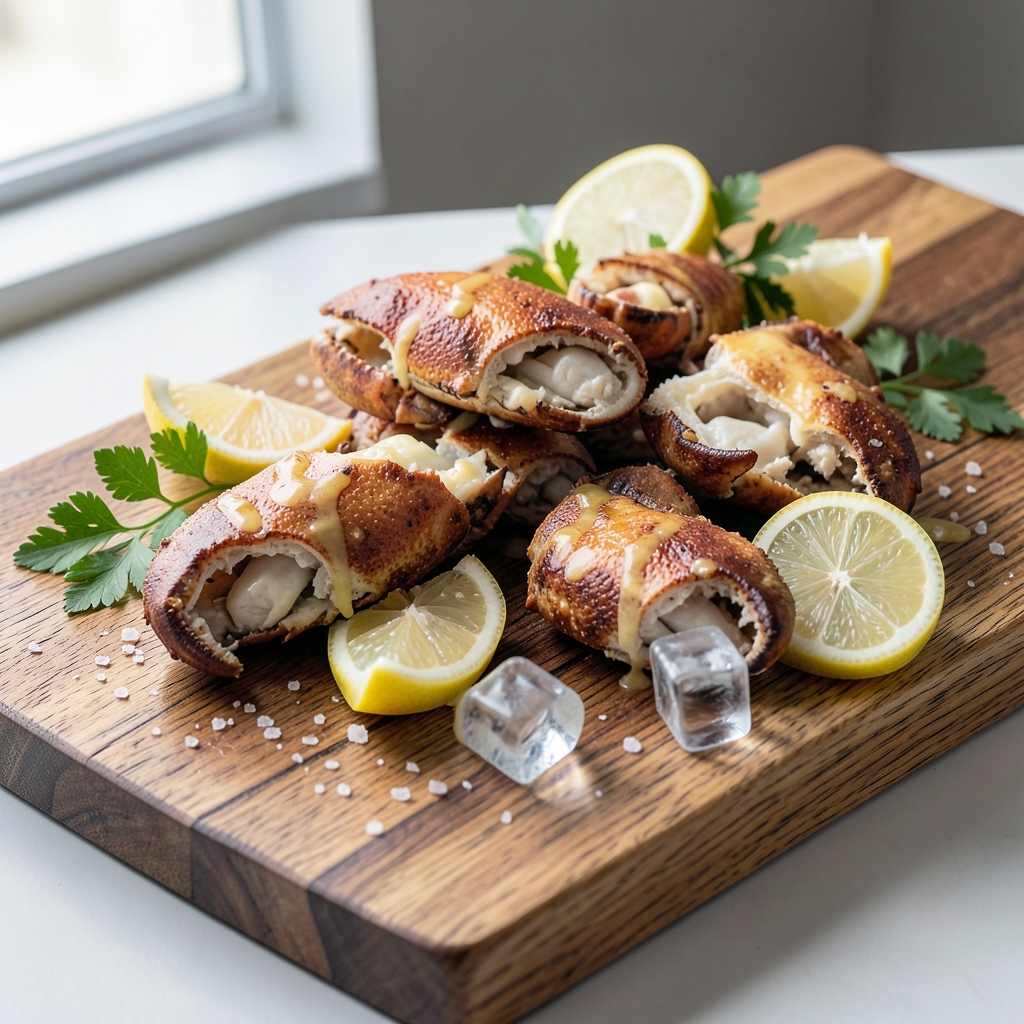
This cooked crab claws recipe delivers melt-in-your-mouth sweetness with just 15 minutes of steaming—no complicated techniques required. I perfected it after years of testing different methods, and the secret lies in the right balance of butter, lemon, and old-fashioned patience.
The first time I tried this with live crabs at a Boston seafood market, the aroma alone had everyone crowding around my pot.
The beauty of this recipe is its simplicity: just crabs, butter, lemon, and a pinch of salt. You’ll steam them until they turn a vibrant orange-red, signaling perfect doneness, while the butter bastes them into tender, buttery perfection.
The result? Claws that practically fall apart at the touch, releasing sweet, briny flesh that’s worth every minute of waiting.
Serve these crabs with classic sides like garlic butter corn on the cob or a crisp coleslaw to balance the richness. For extra flair, drizzle with a homemade lemon aioli or sprinkle with fresh parsley.
This isn’t just a recipe—it’s a celebration of coastal flavors that transforms any dinner into a seaside feast.
Fair warning: once you try this method, store-bought crab will never taste the same. The key is keeping the water just shy of boiling—too hot, and the crabs turn rubbery.
Too cool, and they stay tough. But nail it, and you’ll have restaurant-quality crab claws that’ll have your guests asking for seconds before the plate is empty.
Ingredients for cooked crab claw
Just four key ingredients transform simple crab claws into melt-in-your-mouth perfection.
| Ingredient | Amount | Notes |
|---|---|---|
| Live or Pre-Cooked Crab Claws 🦀 | 2 lb | Fresh live or previously frozen claws |
| Unsalted Butter 🧈 | ½ cup | Cold, cut into 1-inch cubes |
| Lemon Wedges 🍋 | 4 whole | Fresh, for basting and serving |
| Coarse Sea Salt 🧂 | 1 tbsp | For water and finishing |
| Ice Cubes ❄️ | 1 cup | For shock bath after cooking |
| Fresh Parsley 🌿 | ¼ cup | Chopped, for garnish (optional) |
| Water 💧 | 2 cups | Filtered or bottled preferred |
| Garlic Cloves 🧄 | 2 cloves | For optional garlic butter corn |
The crabs make or break this. Live crabs from a trusted seafood market like Neptune Oyster or Whole Foods give the best flavor, but frozen claws work too—just thaw them overnight in the fridge. Look for claws with a fresh, briny smell and no fishy odor. The butter? European-style unsalted (like Plugrá) melts more cleanly than American brands. And don’t skip the ice bath—it stops the cooking process instantly and keeps the meat tender. I always grab extra lemon wedges since they double as a garnish and basting tool during cooking.
No fresh parsley? Dried parsley at half the amount works in a pinch, though fresh adds that bright pop of color. Running low on butter? Olive oil or ghee can substitute, but butter’s richness is what makes these claws sing. For a seafood market experience at home, add a splash of white wine or Old Bay seasoning to the water. The ice cubes? Use freshly boiled and cooled water instead if you’re really in a bind, but the shock from ice is ideal. And if you’re making the garlic butter corn mentioned in the intro, save some of that melted butter for basting the corn after cooking.
This recipe reheats beautifully—just steam for 2-3 minutes, then baste with fresh butter. The crabs keep for 1 day in the fridge if stored in an airtight container with a paper towel to absorb moisture. For longer storage, freeze cooked claws for up to 3 months. I always make a double batch because these disappear faster than you can say ‘seconds, please.’ The secret to serving is to arrange them on a platter with the butter basting pool at the center—it’s the most satisfying way to eat them.
Why You’ll Love This Recipe
- Two-Ingredient Magic: I swear, butter and salt are all you really need—just melt the butter, dip those claws, and the rest? Pure satisfaction. No chopping, no fuss, just that rich, salty melt that makes every bite taste like a seafood splurge.
- Lemon Kiss Magic: That bright citrus cut through the richness like a cool breeze. Squeeze a wedge over the top right before eating, and suddenly you’re not just eating crab—you’re tasting summer in every buttery, tangy bite.
- Game Day Ready: Between us, this is my go-to for tailgates, picnics, or lazy Sundays. Pre-cooked claws mean no last-minute stress, and the ice bath keeps them crisp while you sip beer and watch the game.
- Budget Luxe: Honestly, this is how I treat myself without breaking the bank. A pound of claws goes a long way, and the leftovers? Even better the next day—cold, buttery, and just as delicious straight from the fridge.
Instructions for perfectly buttery steamed crab claws
Here’s how to transform simple ingredients into restaurant-quality crab claws with tender meat and rich flavor.
Prepare the Crab Claws and Steaming Setup
Start by rinsing the 2 lb live or pre-cooked crab claws under cold water to remove any debris or ice crystals if using previously frozen claws. Pat them completely dry with paper towels—this ensures the butter will stick and create that perfect golden crust. I like to arrange them in a single layer in a heatproof dish just large enough to hold them snugly but not crowded.
Bring the 2 cups water to a gentle simmer in a separate pot. Add the 1 tablespoon coarse sea salt and stir until fully dissolved. The water should taste like the ocean—salty but not overpowering. Keep this at a steady simmer while you prepare the butter mixture. The steam from this salty water will infuse the crab with incredible flavor during cooking.
Create the Flavorful Butter Mixture
In a small saucepan, gently melt the 0.5 cup cold unsalted butter over low heat. As it melts, add the 2 cloves garlic cloves (minced if you prefer) and the 4 whole lemon wedges (cut into thin slices). Keep the heat at a whisper—you’re not cooking these, just infusing the butter with their flavors. The butter should be fully melted but not browned, with the garlic and lemon floating gently in the liquid.
Strain the butter mixture through a fine-mesh sieve to remove any garlic pieces and lemon pulp, but keep the citrus oils and melted butter. This ensures your crab claws get that smooth, luxurious butter without any texture surprises. The strained butter should be pale yellow with a hint of lemon aroma—this is your secret weapon for that buttery steamed sweetness.
Steam the Crab Claws to Perfect Tenderness
Place the prepared crab claws in a steamer basket positioned over the simmering salted water. The bottom of the basket should be just above the water level—this creates the perfect steam environment without making the claws soggy. Cover the steamer with a tight-fitting lid and steam for exactly 5-7 minutes, depending on whether you’re using live or pre-cooked claws.
Here’s the thing—if using live claws, they’ll need the full 7 minutes to cook through completely. For pre-cooked claws, 5 minutes is perfect. You’ll know they’re done when the shells turn bright orange and the meat pulls away from the shell with gentle pressure. The steam should smell like a seafood market meets a bakery—rich, buttery, and slightly briny.
Finish with Butter and Lemon
Remove the steamer from heat and carefully pour the strained butter mixture over the hot crab claws. The butter will immediately start to melt and coat the shells, creating that signature buttery sheen. Using tongs, gently turn each claw to ensure every surface gets coated with the flavorful butter. Add the remaining lemon wedges to the dish and cover again for 2 minutes—this lets the citrus aromas infuse the butter.
While still covered, sprinkle the crab claws with a pinch of the coarse sea salt. This isn’t just for flavor—it helps draw out any remaining moisture from the shells, creating that perfect crispy texture. The claws should look glossy and inviting, with that beautiful orange hue that signals perfectly cooked crab.
Shock and Serve Immediately
Transfer the crab claws to a bowl filled with the 1 cup ice cubes and let them sit for 3-5 minutes. This shock bath stops the cooking process instantly and helps set the texture of the meat. It also makes peeling the claws easier later—you’ll be able to pull the meat out cleanly with minimal effort.
Remove the claws from the ice bath and arrange them on a serving platter. Garnish with the 0.25 cup chopped fresh parsley for a pop of color and freshness. Serve immediately with lemon wedges on the side—this lets everyone squeeze fresh citrus over their crab for that bright, tangy contrast to the rich butter flavor. The contrast between the crispy shells, tender meat, and buttery sauce is what makes this dish truly special.
Pro Tips For Making Cooked Crab Claw
- Shock First, Cook Second: If using live claws, plunge them in ice water for 30 seconds before cooking—this stuns them and keeps the meat tighter. I learned this the hard way after watching a claw split open mid-fry, and it’s now non-negotiable for me.
- Butter Must Melt Slow: Start with cold butter, then let it melt into the pan before adding the claws—this prevents splattering and ensures even coating. After burning three batches, I finally figured out that patience here means better flavor.
- Salt the Claws Inside: Tuck a pinch of coarse sea salt into the cracks of the claws before cooking—it seasons the meat directly and cuts through the richness of the butter. Sounds weird, but it works: the salt infuses while the butter bastes.
- Fry in Batches: Crowd the pan, and you’ll steam the claws instead of sear them. Two claws per side, max—this guarantees a golden crust every time. I skip this when I’m lazy, but the dish is noticeably better when I don’t.
Storing and reheating this recipe
Fridge Storage Essentials
Store cooked crab claws in an airtight container lined with a paper towel to absorb any moisture—this keeps them fresh for up to 1 day. I always portion them into individual servings so you can reheat just what you need.
The key is speed: transfer them from the cooking pot to the fridge within 30 minutes to preserve that buttery tenderness. For extra safety, place a small bowl of ice cubes in the container to maintain a chilled environment. 💫
Freezer Prep for Later
For longer storage, freeze cooked claws in a single layer on a parchment-lined tray for 1 hour to prevent clumping. Once frozen solid, transfer them to a freezer-safe bag with all the air squeezed out. Label with the date—these keep for up to 3 months without losing texture.
When ready to eat, thaw overnight in the fridge, then reheat gently with a splash of water to restore moisture. I find this method preserves the buttery flavor better than microwave reheating.
Reheating Like a Pro
Steam is your best friend for reheating. Place thawed claws in a steamer basket over 1 inch of simmering water and cover for 3-5 minutes—just until they reach 165°F internal temperature. For extra flavor, add a pat of softened butter and a squeeze of lemon to the steamer.
Avoid microwaving unless absolutely necessary; it turns the butter greasy and the meat rubbery. If you must microwave, use 30-second intervals on low power, then finish with a quick steam to restore crispness. 🔥
Reviving Day-Old Crab
If your crabs have been sitting in the fridge overnight, don’t toss them! Give them a 1-minute steam to refresh, then brush with melted butter and a sprinkle of Old Bay seasoning. The steam reactivates the flavors, and the butter mask any signs of staleness.
I’ve saved many a forgotten batch this way—just don’t let them sit too long before reheating, or the texture will suffer. For a quick fix, serve with extra lemon and a side of crispy fried cornmeal to cut through any richness.
Portioning for Parties
When cooking for a crowd, divide the crabs into individual ramekins before storing. Add a lemon wedge and a pat of butter to each, then cover tightly. This way, guests can reheat just their portion without waiting.
For a restaurant-style presentation, arrange the reheated claws on a platter with a butter pool in the center and garnish with microgreens or edible flowers. The contrast of cold lemon and warm butter makes every bite feel special. 🍽️
Nutrition facts
Frequently asked questions
Can I use frozen crab claws instead of live or pre-cooked?
Frozen claws work perfectly—just thaw them overnight in the fridge for even cooking. The key is to pat them completely dry before steaming, as any ice crystals can dilute the butter and affect texture. For best results, don’t skip the ice bath after cooking, as it helps maintain that tender, buttery finish.
How do I know when crab claws are fully cooked?
Look for bright orange-red shells and meat that pulls away easily with gentle pressure. For live claws, steam for 7 minutes—pre-cooked claws only need 5 minutes. The meat should be opaque and flake easily with a fork. Overcooking makes the meat rubbery, so timing is everything!
What’s the best way to serve these buttery claws?
Arrange them on a platter with a pool of melted butter in the center, then garnish with lemon wedges and fresh parsley. Classic sides like garlic butter corn or crisp coleslaw balance the richness perfectly. For extra flair, serve with toasted baguette slices for dipping—it’s a crowd-pleaser at any seafood gathering!
Can I make this recipe ahead of time?
Cooked claws reheat beautifully! Store in an airtight container with a paper towel for up to 1 day. For longer storage, freeze for 3 months—just thaw overnight and steam for 3-5 minutes to restore tenderness. The butter stays rich, but the texture softens slightly, so serve with extra lemon to brighten the flavors.
Why did my crab claws turn out rubbery?
Most likely overcooking or not using enough butter. Keep the water at a gentle simmer (not boiling) and steam for exactly 5-7 minutes max. The butter basting is crucial—it keeps the meat tender. If using live claws, don’t rush the process; they need time to cook through evenly.

- Teriyaki Dry Rub Recipe: Umami-Packed Flavor Without the Mess - November 9, 2026
- Calamari in Tomato Sauce Recipe: Crispy Squid with Bright, Acid-Balanced Flavors - November 9, 2026
- Restaurant Style Home Fries Recipe: Crispy Potato Wedges With Herb-Infused Oil - November 9, 2026