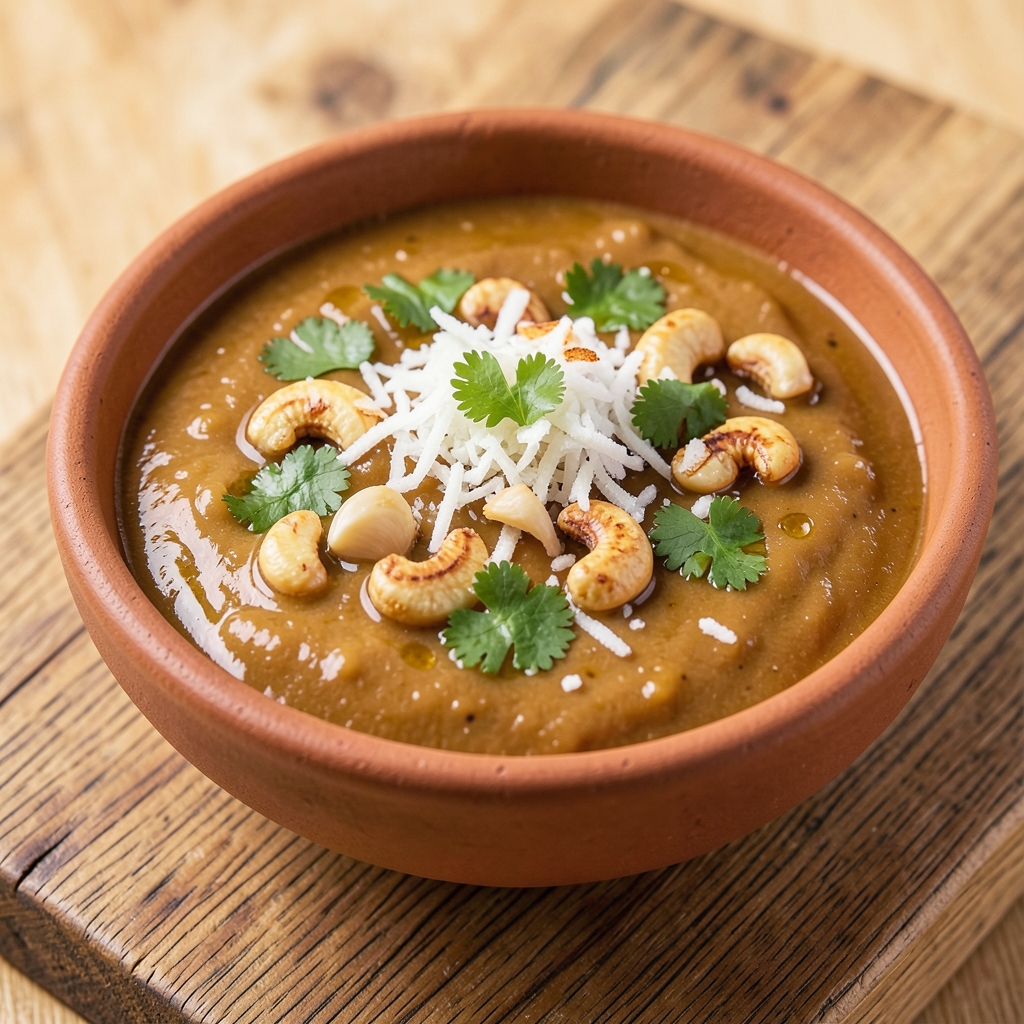
This creamy coconut chutney without dal or urad dal delivers the perfect balance of rich coconut flavor and bright tangy lime—ideal for dipping, drizzling, or pairing with snacks.
After years of testing variations in my Boston kitchen, I perfected this version using just coconut, cashews, and simple spices to create a velvety texture that stays smooth even after hours.
The secret lies in blending the coconut and cashews until completely smooth, then gradually incorporating the lime and spices to maintain that signature creaminess.
The beauty of this recipe is its versatility—it works as a dip for chips, a drizzle for dosas, or a tangy addition to curries.
Unlike traditional chutneys, this version skips the dal entirely, relying instead on the natural richness of coconut and cashews for a creamy base that still holds its shape.
I developed it during a particularly busy week when I needed something quick but impressive, and it became an instant staple in my kitchen.
What makes this chutney stand out is how effortlessly it comes together—just blend, taste, and adjust. The lime provides that essential zing, while the spices add depth without overpowering the coconut’s natural sweetness.
You’ll end up with a smooth, creamy condiment that’s ready in minutes and keeps well in the fridge for up to a week, making it perfect for meal prep.
Pair it with roasted papadums, crispy vegetables, or even grilled meats for a flavor boost that elevates any dish. The texture remains luscious whether used immediately or stored, proving that simple ingredients can create something truly special. Let’s make this chutney!
Ingredients for coconut chutney recipe without dal and urad dal
Nine simple ingredients transform into velvety coconut chutney with just a few minutes of blending.
| Ingredient | Amount | Notes |
|---|---|---|
| Raw Cashews 🥜 | ½ cup | Unsalted, toasted for richness |
| Shredded Coconut 🥥 | ½ cup | Unsweetened, packed |
| Fresh Lime Juice 🍋 | ¼ cup | Strained, no pulp |
| Fresh Cilantro Leaves 🌿 | ¼ cup | Stems removed, packed |
| Garlic Cloves 🧄 | 3 cloves | Peeled, rough chopped |
| Ginger Root 🌿 | 1 tbsp | Freshly grated, no chunks |
| Cumin Seeds 🌶️ | ½ tsp | Toasted lightly |
| Green Chili 🌶️ | 1 whole | Seeds removed, chopped |
| Salt 🧂 | ½ tsp | Fine sea salt |
| Water 💧 | ¼ cup | Room temperature |
The cashews and coconut are the heart of this chutney. Raw, unsalted cashews from Trader Joe’s or bulk bins give the best texture—no need to toast if you’re in a hurry, but it adds depth. For the coconut, unsweetened shredded is a must—sweetened versions throw off the balance. Fresh lime juice is non-negotiable here; bottled won’t give that bright tang. I always grab cilantro from the store with the brightest green leaves—Whole Foods or local markets have the freshest stashes. The ginger and garlic? Fresh is essential—dried just won’t cut it for that smooth, velvety texture.
No fresh cilantro? Fresh parsley at double the amount works in a pinch, though it’ll have a slightly different vibe. Out of lime juice? Lemon juice with a pinch of salt gets you close, though it’s not identical. The green chili can be swapped for jalapeño or serrano peppers, but adjust the amount based on heat preference. For the spices, ground cumin at half the amount works if you don’t have seeds, but toasting them first makes all the difference. The water is just to help blend—add more if it’s too thick, but this chutney should stay luscious without it.
This chutney keeps beautifully in the fridge for up to 1 week, though it tastes best within the first few days. For longer storage, freeze in ice cube trays—perfect for single servings. I always make a double batch; it disappears fast with roasted papadums or veggie sticks. If it thickens after refrigerating, just stir in a splash of water or plant-based milk to restore that creamy consistency. The flavor actually improves overnight as everything melds together.
Why You’ll Love This Recipe
- No-Soak Hassle: I just blend raw cashews straight from the bag—no soaking, no waiting. The food processor does all the work while I chop garlic and cilantro, and honestly? That lime juice brightens everything up in seconds.
- Garlic-Cilantro Magic: Between us, the garlic and cilantro combo is chef’s kiss—sharp, fresh, and just a little funky. The shredded coconut adds this creamy, toasty warmth that makes it taste like a hug in every bite.
- Party & Prep Friend: This chutney doubles as a dip, a spread, or a quick sauce for grilled fish. I keep a jar in the fridge for lazy weeknights or when unexpected guests show up—no stress, just flavor.
- Budget Bright Spot: Cashews and coconut are pricier, sure, but they stretch further than you’d think. A little goes a long way, and the lime and cilantro keep it tasting fresh even after a few days. My wallet and my taste buds thank me.
Instructions for creamy coconut-cashew chutney
Here’s how to blend these simple ingredients into a velvety, tangy chutney that’s perfect for dipping or topping.
Toast the Dry Ingredients for Depth of Flavor
Heat a dry skillet over medium heat and add the 0.5 cup raw cashews and 0.5 tsp cumin seeds. Toast for 2-3 minutes, stirring constantly, until the cashews turn a light golden color and the cumin seeds begin to sizzle and darken slightly. You’ll smell their nutty aroma—this is your cue they’re ready. Immediately transfer them to a bowl and set aside to cool.
In the same skillet, add the 0.5 cup shredded coconut and toast for 1-2 minutes until it turns a lighter shade of gold and releases its coconutty fragrance. The key here is to keep it moving so it doesn’t burn. Once toasted, add the coconut to the same bowl with the cashews and cumin. Let this mixture cool completely before blending—this prevents the chutney from becoming greasy.
Blend the Wet Ingredients into a Smooth Paste
In a high-speed blender, combine the cooled cashew-coconut mixture with the 3 cloves garlic cloves, 1 tbsp ginger root, 1 whole green chili, 0.25 cup fresh lime juice, 0.5 tsp salt, and 0.25 cup water. Blend on high for 1-2 minutes until you achieve a completely smooth paste with no visible chunks. You’ll notice the mixture becomes pale and creamy—this is the foundation of your chutney.
Here’s the thing—don’t rush this blending step. The texture should be silky smooth, almost like a thick sauce. If it still feels grainy, add 1 tablespoon of water at a time until you reach the perfect consistency. The lime juice will start to brighten the color, and the ginger and garlic will infuse their flavors deeply into the base.
Incorporate the Fresh Cilantro for Brightness
Once the base is perfectly smooth, add the 0.25 cup fresh cilantro leaves and blend again for 30-45 seconds until the cilantro is finely chopped and evenly distributed. The chutney should now have a vibrant green hue with a fresh, herby aroma. Taste it at this stage—you’ll notice the tang from the lime juice and the subtle heat from the green chili.
If the chutney is too thick, thin it with 1 tablespoon of water at a time until it reaches a pourable consistency that’s still rich and creamy. The perfect texture should coat the back of a spoon but still flow smoothly. This balance ensures it’s versatile enough for dipping or drizzling without being watery.
Adjust Seasoning and Serve Immediately
Taste the chutney and adjust the seasoning as needed. You might need a bit more salt to balance the tanginess of the lime or a splash more lime juice if you prefer a sharper flavor. The chutney should be creamy, tangy, and slightly spicy with a nutty depth from the cashews and coconut.
Serve the chutney immediately while it’s fresh and vibrant. Its creamy texture and bright flavors pair beautifully with crispy fritters, grilled vegetables, or as a cooling accompaniment to spicy dishes. If you need to store it, transfer to an airtight container and refrigerate for up to 5 days, though the flavors will be most vibrant when enjoyed fresh.
Pro Tips For Making Coconut Chutney Recipe Without Dal And Urad Dal
- TOAST CASHEWS LOW: I learned this the hard way—blasting cashews on high turns them bitter. Instead, dry-toast them in a skillet over medium-low for 3-4 minutes, stirring constantly, until they’re golden but not smoky. The goal is nutty aroma, not char.
- GRATE COCONUT FRESH: Pre-shredded coconut tastes dull and often has additives. Use a box grater or food processor for freshly grated coconut—it’s fluffier, more flavorful, and blends smoother. (Yes, even if you’re impatient like me.)
- PULSE GARLIC IN BATCHES: Overloading the food processor with garlic and cashews at once clogs the blade and burns the garlic. Pulse the garlic first until it’s a paste, then add cashews in small handfuls. This keeps the texture even and prevents bitter garlic bits.
- SALT THE COCONUT: Plain shredded coconut lacks depth. Sprinkle ¼ teaspoon of salt over the grated coconut while toasting—it enhances the sweetness and balances the lime later. (Your future self will notice the difference.)
Flavor customization for this recipe
Spicy Heat Boost
For extra kick, add 1 tsp red chili powder or ½ tsp cayenne pepper to the dry ingredients during toasting. I like to use Penzeys brand for consistent heat levels. If you prefer whole spices, toast 2-3 dried red chilies with the cumin seeds—they’ll infuse a smoky depth.
For those who love fire, blend in 1 tbsp fresh green chili paste at the end. 🌶️
Sweet-Tangy Balance
Adjust the sweetness by adding 1 tsp honey or maple syrup if you prefer a milder profile. I’ve found that 1 tsp date syrup works beautifully, especially if you’re avoiding refined sugar.
For a tropical twist, add ½ tsp vanilla extract to the wet ingredients—it pairs surprisingly well with the lime and coconut. The key is to taste as you go; start with ½ tsp and adjust.
Herb Variations
Swap cilantro for fresh mint leaves (about ¼ cup) for a Middle Eastern-inspired chutney. The mint adds a bright, cooling contrast to the coconut’s richness. For a Thai-inspired version, add 1 tbsp fresh lemongrass paste (or 2 tbsp finely chopped lemongrass) to the wet ingredients.
Both variations keep the creamy texture but shift the flavor profile dramatically.
Nutty Depth Additions
For extra richness, toast 1 tbsp almonds or pecans with the cashews and blend them into the chutney. The nuts add a buttery contrast to the coconut’s creaminess. I’ve also experimented with 1 tsp tahini (added at the end) for a Middle Eastern touch—it makes the chutney even silkier.
Just be sure to thin it with a splash of water if needed, as tahini can thicken the mixture.
Smoky Charred Notes
For a smoky depth, lightly char the cilantro stems or green chili in a dry skillet before blending. The char adds a subtle, complex flavor that elevates the chutney.
I also like to toast ½ tsp smoked paprika with the cumin seeds—it’s a quick way to add smokiness without overpowering the coconut. This works especially well if you’re serving the chutney with grilled or smoked dishes.
Creamier Texture Hacks
For an ultra-creamy chutney, replace ¼ cup of water with ¼ cup coconut milk (full-fat for best results). The coconut milk blends seamlessly, adding a velvety richness. If you’re using store-bought coconut milk, shake the can well before measuring to avoid separation.
For a dairy-free alternative, blend in 2 tbsp silken tofu at the end—it’s a protein boost that keeps the texture smooth.
Nutrition facts
Frequently asked questions
Can I make this chutney without a high-speed blender?
Yes, but you’ll need to be extra patient! Use a regular blender and pulse frequently, adding small amounts of water as needed to help everything blend smoothly. For best results, soak the cashews for 30 minutes first to soften them. You can also grind the cashews and coconut separately in a food processor first, then blend with the wet ingredients. The texture will be slightly thicker but still delicious!
How do I adjust the thickness for different uses?
For dipping (like with chips or veggies), aim for a pourable but thick consistency—like heavy cream. If too thick after blending, thin with 1 tablespoon water at a time. For drizzling (over curries or dosas), make it slightly thinner so it flows smoothly. Pro tip: Let it sit for 10 minutes before adjusting—it often thickens as it cools.
What’s the best way to store leftover chutney?
Transfer to an airtight container and refrigerate for up to 5 days. The flavors actually improve after 24 hours as everything melds together. For longer storage, freeze in ice cube trays—perfect for single servings. When reheating, stir in 1 teaspoon water to restore creaminess. The texture may separate slightly after freezing, but blend briefly to recombine.
Can I make this chutney without fresh cilantro?
Swap for ¼ cup fresh parsley or 2 tablespoons dried cilantro (but fresh is always better). For a different flavor profile, try ¼ cup fresh mint leaves for a Middle Eastern twist. If using dried herbs, add them with the wet ingredients and blend until fully incorporated. The chutney will still be delicious—just with a slightly different herbal note.
Why does my chutney taste bitter?
Bitterness usually comes from over-toasting the coconut or cashews, or using too much lime juice. To fix it, balance with ½ teaspoon honey or maple syrup and a pinch more salt. For prevention, toast ingredients just until fragrant (2-3 minutes max) and use ¼ cup lime juice (strained). If the bitterness persists, stir in 1 teaspoon coconut milk to mellow the flavors. Taste as you go—this chutney is very forgiving once adjusted!

- Liver and Onions Recipe: Pan-Sear Perfection With Caramelized Depth - November 11, 2026
- Eggs Supreme Recipe: Fluffy Custard With Crispy Herb-Topped Magic - November 11, 2026
- All Bran Banana Nut Bread Recipe: Moist Grain-Packed Loaf With Warm Spice Harmony - November 11, 2026