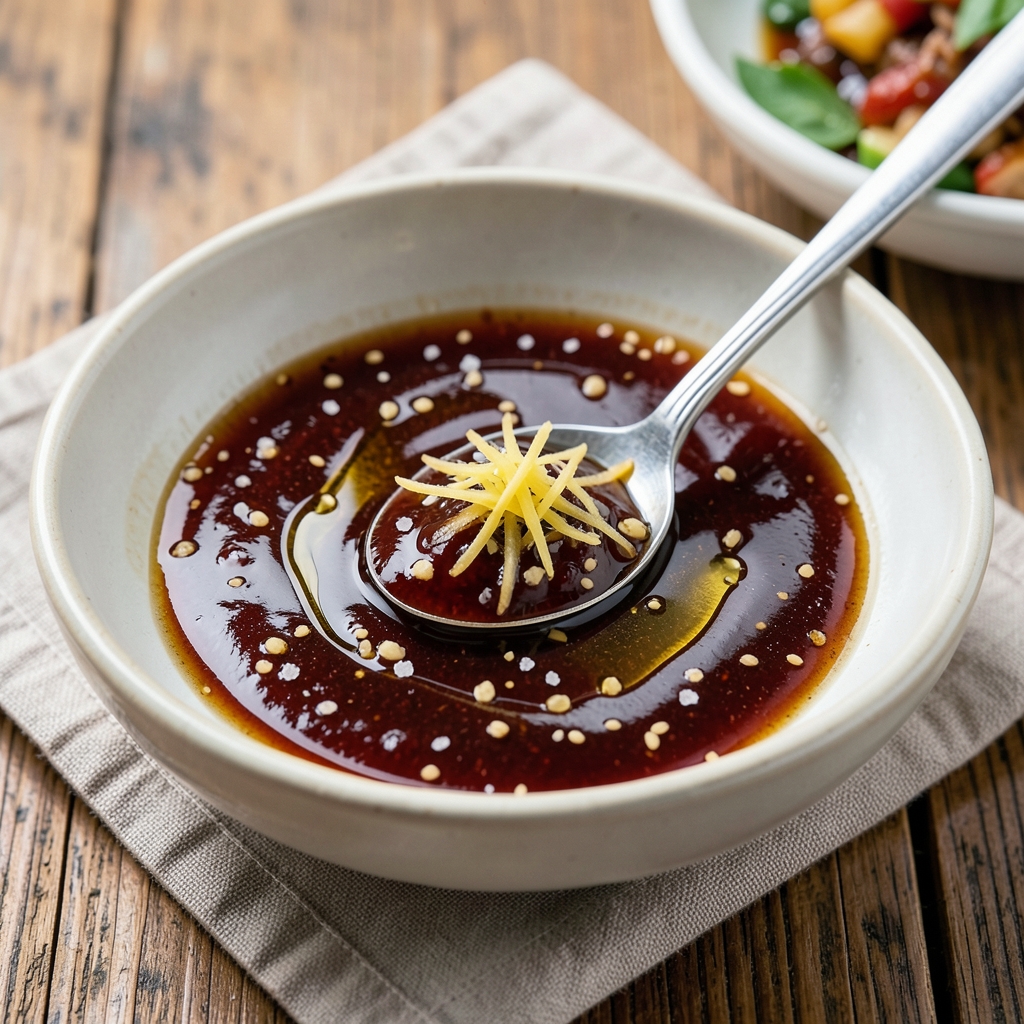
This classic stir-fry sauce recipe delivers the perfect umami-packed balance that transforms simple vegetables and proteins into restaurant-quality dishes. The secret lies in a precise blend of soy sauce, garlic, ginger, and a touch of sugar—each ingredient playing its part to create depth and complexity.
I developed this sauce after years of testing, ensuring it works with any stir-fry while remaining simple enough for weeknight cooking.
The foundation of this sauce is a 5-minute mix that requires just six ingredients: soy sauce, brown sugar, rice vinegar, minced garlic, fresh ginger, and a splash of sesame oil. The umami from the soy sauce combines with the bright acidity of vinegar, while garlic and ginger add aromatic warmth.
What makes this sauce truly special is its versatility—it enhances everything from chicken and beef to tofu and vegetables without overpowering their natural flavors.
Once blended, this sauce delivers bold, balanced flavor that coats every ingredient perfectly. The brown sugar caramelizes slightly when heated, adding a subtle sweetness that rounds out the savory notes. Whether you’re cooking for two or feeding a crowd, this sauce scales effortlessly while maintaining its depth.
The best part? It keeps well in the fridge for up to two weeks or freezes for months, making it a pantry staple.
For those who love customization, you can easily adapt this sauce to suit your taste—add a pinch of red pepper flakes for heat, extra honey for sweetness, or a splash of coconut aminos for a lighter profile.
The possibilities are endless, but the classic version remains the most reliable. Let’s get started on creating your perfect stir-fry sauce!
Ingredients for classic stir fry sauce
Six simple ingredients transform into restaurant-quality stir-fry magic in minutes.
| Ingredient | Amount | Notes |
|---|---|---|
| Soy Sauce 🥢 | ½ cup | High-quality, light or dark |
| Brown Sugar 🍯 | ¼ cup | Packed, not granulated |
| Rice Vinegar 🍶 | ¼ cup | Unseasoned, mild acidity |
| Garlic Cloves 🧄 | 3 cloves | Fresh, minced finely |
| Fresh Ginger 🌿 | 1 tbsp | Grated, not powdered |
| Sesame Oil 🫒 | 1 tbsp | Toasted, for aroma |
| Red Pepper Flakes 🔥 | ½ tsp | Optional, for heat |
| Sea Salt 🧂 | ½ tsp | Fine grain, to taste |
The soy sauce is your flavor anchor—Kikkoman or Lee Kum Kee are my go-tos, but any good-quality brand works. Brown sugar caramelizes beautifully, so pack it tightly into the measuring cup. Fresh garlic and ginger are non-negotiable here (the powdered stuff just won’t cut it). For ginger, use a microplane—it’s the only way to get that fine, juicy texture. Whole Foods or Trader Joe’s usually carry pre-minced garlic in jars, but fresh is always better if you’re up for the 30-second chop. Sesame oil adds that irresistible aroma, so don’t skimp—look for toasted varieties at Asian markets for maximum depth.
No rice vinegar? Apple cider vinegar works in a pinch, though it’ll have a slightly different tang. Short on brown sugar? Honey or maple syrup (use half the amount) keeps things sweet without the caramelization. The red pepper flakes are optional but add a nice kick—adjust to taste. For a lighter profile, swap soy sauce for coconut aminos (use 1:1). If you’re making this ahead, store the sauce without the sesame oil—add it fresh before using to preserve that nutty aroma. And if you’ve got gochujang on hand, a teaspoon adds incredible depth (trust me, it’s worth it).
This sauce keeps like a dream—2 weeks in the fridge or 6 months frozen. I like to portion it into small jars so I always have a ready-to-use batch. If it thickens over time, just stir in a splash of water or vinegar to loosen it up. The sesame oil separates sometimes, so give it a quick shake before using. Freeze extras in ice cube trays for single-use portions—perfect for quick stir-fries or takeout nights. Pro tip: Double the batch—you’ll want it on hand for everything from noodles to grilled meats.
Why You’ll Love This Recipe
- Five-Ingredient Magic: I swear by this combo—just soy sauce, brown sugar, rice vinegar, garlic, and ginger. That’s it. No fancy pantry staples or last-minute grocery runs. Honestly, I keep a jar of this in my fridge because it’s the only sauce I trust to cut through frozen veggies or last night’s chicken without tasting like a shortcut.
- Umami Bomb: The garlic and ginger hit like a flavor grenade—sharp, sweet, and lingering. That brown sugar caramelizes just enough to make every bite taste like it’s been kissed by a wok. Between us, this sauce turns even the simplest stir-fry into something that’ll have your roommate asking for the recipe.
- Weeknight Workhorse: I use this for takeout nights, lazy Sundays, or when I’m prepping meals for the week. Drizzle it over noodles, toss it with tofu, or dump it on leftover roasted veggies—it’s the one sauce that never lets me down. (Yes, even on a Tuesday night when I’ve got zero energy.)
- Pantry Goldmine: A little goes a long way, so I make big batches and freeze it. Thaw what I need, and boom—ready to elevate whatever’s in the fridge. Plus, soy sauce and sugar are cheap, so this sauce is basically free flavor. I’ll be real: my grocery budget thanks me every time I pull this out.
Step-by-step instructions for classic stir fry sauce
This umami-packed sauce comes together faster than your wok can heat up—simple, balanced, and packed with depth.
Mince Garlic and Grate Ginger
Start by finely mincing the 3 cloves garlic cloves—you want tiny pieces that dissolve completely into the sauce. I like to use the flat side of my chef’s knife for this; it gives me more control than a garlic press. Next, grate the 1 tablespoon fresh ginger using a microplane or fine grater. The goal is to get a paste-like consistency that will infuse the sauce with bright, zesty flavor. If you’re using a knife, chop it as finely as possible—ginger burns easily, so we want it to cook quickly.
Here’s the thing—fresh ginger and garlic are non-negotiable for authentic flavor. Powdered versions just can’t match the complexity. Set these aside while you prepare the remaining ingredients; they’ll cook in just a moment.
Combine Wet Ingredients
In a small saucepan or heatproof bowl, whisk together the 0.5 cup soy sauce, 0.25 cup brown sugar, and 0.25 cup rice vinegar. I use a fork for this step—it helps dissolve the brown sugar completely, which is packed and can clump. Start on low heat if using a saucepan, or place the bowl over a pot of barely simmering water to gently warm the mixture. You want the sugar to dissolve fully, but don’t let it boil yet—we’re just creating a smooth base.
Watch for the sugar to dissolve completely, which should take about 1-2 minutes on low heat. The mixture should look glossy and uniform, with no grainy bits remaining. This step ensures your sauce will be silky smooth rather than gritty. Taste a small amount now—it should be sweet, tangy, and slightly salty, with the vinegar cutting through the richness of the soy sauce.
Cook Aromatics Until Fragrant
Heat a small skillet over medium-low heat and add the minced garlic and grated ginger. Let them cook undisturbed for 30 seconds—you’ll see them sizzle gently, releasing their aromas. Stir constantly for 1-2 minutes until the garlic turns golden and the ginger loses its raw bite. This is where the magic happens: the aromatics develop their full flavor without burning.
Don’t walk away during this step. Garlic burns in seconds, and burned garlic tastes bitter rather than sweet. You’ll know it’s ready when the raw smell disappears and you’re left with a warm, fragrant aroma. Immediately pour the cooked aromatics into your sauce mixture and stir well to combine.
Finish with Sesame Oil and Seasonings
Return the sauce to low heat and add the 1 tablespoon sesame oil, 0.5 teaspoon red pepper flakes, and 0.5 teaspoon sea salt. Stir gently to incorporate, being careful not to let the mixture simmer vigorously—we want to preserve the delicate aroma of the sesame oil. Simmer for 1-2 minutes until everything is fully integrated and the sauce reaches a smooth, syrupy consistency.
The sesame oil should infuse the sauce with its nutty aroma, while the red pepper flakes add just a hint of heat. Taste and adjust the seasoning if needed—you might want to add a pinch more salt or a splash of rice vinegar for balance. The sauce should coat the back of a spoon with a glossy sheen, indicating it’s ready to elevate any stir fry.
Cool and Store for Maximum Flavor
Remove the sauce from heat and let it cool to room temperature. This resting period allows the flavors to meld completely—about 5-10 minutes is perfect. The sauce will thicken slightly as it cools, which is ideal for tossing with vegetables and protein. For best results, store any leftovers in an airtight container in the refrigerator for up to 1 week, or freeze for 3 months. The flavors actually deepen over time, making it even more delicious for future meals.
This sauce is incredibly versatile—use it immediately on fresh stir fries, or let it sit overnight for even more complex flavor development. The balance of sweet, salty, tangy, and umami makes it a pantry staple that transforms simple ingredients into restaurant-quality dishes.
Pro Tips For Making Classic Stir Fry Sauce
- MINCE THAT GINGER: DESCRIPTION: I learned this the hard way—chopping ginger into big chunks or leaving it in thick slices just means you’re chewing on it instead of tasting it. For this sauce, aim for a paste: peel it, smash it flat with the side of your knife, then mince into tiny, almost unrecognizable bits. That way, it dissolves into the sauce smoothly instead of turning your stir-fry into a textural surprise.
- LOW AND SLOW FOR GARLIC: DESCRIPTION: Tossing chopped garlic into a hot wok and walking away? Bad move. The moment the garlic hits, turn the heat down to medium-low and stir constantly—you’re not searing, you’re gently cooking. Burnt garlic ruins the whole sauce, and no one wants that bitter, acrid punch fighting with the sweetness. Think “golden” not “charred.”
- DISSOLVE THE SUGAR FIRST: DESCRIPTION: Dumping brown sugar straight into the saucepan with everything else? It’ll clump like a stubborn child refusing to share. Instead, whisk it into the soy sauce first—let it sit for 30 seconds, then add the vinegar. The sugar will break down faster, giving you that glossy, balanced sauce instead of a grainy mess. (Yes, even if you’re impatient like me.)
- TAMP THE VINEGAR: DESCRIPTION: Rice vinegar’s job is to brighten the sauce, but if you add it too early, the acidity will fight with the garlic and ginger instead of cutting through them at the end. Wait until the garlic’s just softened—about 30 seconds before you’re done stirring—and splash it in last. The sauce will sing, not sour. Sounds weird, but it works.
Regional styles of this dish
Chinese Cantonese Style
The Cantonese approach to stir-fry sauce leans into bold, salty-sweet umami with a touch of smokiness. I add 1 teaspoon of dark soy sauce (instead of light) and ½ teaspoon of five-spice powder to the classic base for that signature Hong Kong flavor.
The dark soy gives a deeper color, while five-spice adds warmth. For extra authenticity, finish with 1 teaspoon of Shaoxing wine—it brightens the sauce and cuts through richness. 🌶️
Japanese Teriyaki Twist
Japanese teriyaki sauce takes the classic stir-fry base but sweetens it up with ¼ cup honey instead of brown sugar and replaces rice vinegar with 2 tablespoons mirin. I also add 1 tablespoon of sake to deepen the umami.
The result is glossier and slightly sweeter, perfect for glazing proteins like salmon or chicken. For an extra touch, brush the finished sauce with 1 teaspoon of toasted sesame seeds before serving. 🍶
Thai-Inspired Chili-Lime
This Southeast Asian variation swaps soy sauce for 3 tablespoons fish sauce and adds 1 tablespoon lime juice, 1 teaspoon fish sauce, and ½ teaspoon chili flakes for a tangy, spicy kick. I also include 1 tablespoon of palm sugar (or regular brown sugar) for depth.
The lime juice keeps the sauce bright, while the fish sauce adds that signature umami punch. Serve it with Thai basil and crushed peanuts for a restaurant-quality finish. 🌶️
Korean Gochujang Fusion
For a Korean-inspired sauce, replace half the soy sauce with 2 tablespoons gochujang (Korean chili paste) and add 1 teaspoon of sesame paste. I also include 1 tablespoon of honey to balance the heat and ½ teaspoon of toasted sesame seeds for texture.
This version is thicker, spicier, and packed with fermented depth. It’s perfect for bulgogi beef or pan-fried tofu. 🔥
Vietnamese Nuoc Cham Adaptation
Vietnamese stir-fry sauce often uses fish sauce and lime juice as its base, so I blend ¼ cup fish sauce, 2 tablespoons lime juice, 1 tablespoon brown sugar, and 1 teaspoon grated ginger.
For a lighter touch, add 1 tablespoon of coconut aminos and finish with fresh cilantro and thinly sliced shallots. This version works beautifully with shrimp or rice noodles. 🌿
Americanized BBQ Stir-Fry
For a Western twist, I replace the rice vinegar with 2 tablespoons apple cider vinegar and add 1 tablespoon of molasses or maple syrup for a deeper caramelized flavor. A splash of ½ teaspoon smoked paprika and ½ teaspoon liquid smoke gives it that smoky BBQ vibe.
This sauce is perfect for grilled chicken or pork chops and pairs well with cornbread or collard greens. 🔥
Nutrition facts
Frequently asked questions
Can I make this sauce without brown sugar?
Swap the 0.25 cup brown sugar for 0.25 cup honey or 0.25 cup maple syrup for a smoother texture. The sauce will be slightly less caramelized but still delicious. For a lower-sugar option, use 2 tablespoons coconut sugar instead. The key is maintaining the sweet-savory balance that makes stir-fry sauce shine.
How do I prevent the sauce from separating when stored?
Store the sauce in an airtight container and refrigerate within 2 hours of making it. The sesame oil may separate naturally—just give it a quick shake before using. For extra stability, add 1 teaspoon cornstarch to the wet ingredients and whisk until dissolved. This creates a slight thickening agent that helps everything stay emulsified.
What’s the best way to use leftover sauce?
This versatile sauce works on anything from grilled proteins to roasted vegetables. For stir-fries, toss 2 tablespoons with your ingredients. Use 1 tablespoon as a marinade for 30 minutes before cooking. Even better, freeze extras in ice cube trays for single-use portions—perfect for quick weeknight meals. The flavors actually improve when reheated gently.
Can I make this sauce spicier?
Yes! Double the 0.5 teaspoon red pepper flakes to 1 teaspoon for noticeable heat, or add ½ teaspoon cayenne pepper for a smoother burn. For extra depth, stir in 1 teaspoon gochujang (Korean chili paste) or a dash of sriracha at the end. Always taste first—you can adjust while cooking.
Why does my sauce taste too salty?
This usually happens when using dark soy sauce (which is saltier) or adding extra salt. Balance it by adding 1-2 tablespoons extra rice vinegar or a splash of water. If you used coconut aminos instead of soy sauce, reduce the salt by ¼ teaspoon—it’s naturally less salty. Always taste as you go! The goal is a well-rounded flavor, not just saltiness.

- Best Cod Fish Recipe Ever: Buttery Pan-Seared Crispness in 20 Minutes - November 11, 2026
- Liver and Onions Recipe: Pan-Sear Perfection With Caramelized Depth - November 11, 2026
- Eggs Supreme Recipe: Fluffy Custard With Crispy Herb-Topped Magic - November 11, 2026