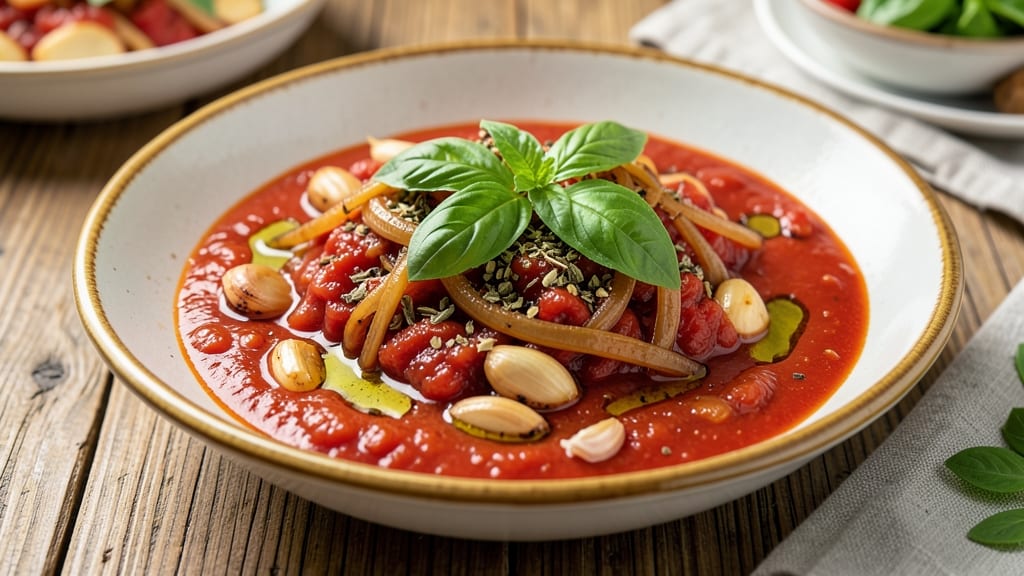
This classic spaghetti sauce recipe delivers the deep, slow-simmered umami flavor that transforms simple pasta into a restaurant-worthy meal. The key lies in balancing rich tomato base with aromatic garlic, onions, and herbs—simmered for 3 hours to develop layers of complexity that store-bought sauces can’t match.
I perfected this version after years of testing, and it’s become the foundation for every Italian dinner at my home.
The beauty of this sauce is its versatility—it works equally well as a marinara for quick weeknight dinners or as a hearty meat sauce for Sunday family meals.
What sets it apart is the slow-cooked technique, which breaks down the ingredients into a velvety, flavor-packed sauce with just the right balance of acidity and sweetness. The result is a sauce that clings perfectly to pasta while standing up to bold toppings like fresh basil or grated parmesan.
By the time you taste the first spoonful, you’ll understand why this sauce earns its place as a kitchen staple. The aromas alone—garlic caramelizing, herbs releasing, tomatoes deepening—make the wait worthwhile.
Whether you’re feeding a crowd or saving leftovers for another night, this recipe delivers restaurant-quality flavor with minimal effort after the initial simmering.
Ready to elevate your pasta nights? This sauce works with any Italian dish—toss it with spaghetti, use it as a pizza base, or serve it alongside grilled meats.
The instructions ahead will guide you through every step, from sautéing aromatics to achieving that perfect consistency. Let’s get started on creating a sauce that tastes like home.
Ingredients for classic spaghetti sauce
Nine essential ingredients crafting restaurant-quality sauce with slow-simmered depth and umami richness.
| Ingredient | Amount | Notes |
|---|---|---|
| San Marzano Tomato Crushed 🍅 | 28 oz | Canned, whole tomatoes crushed by hand |
| Yellow Onion 🧅 | 1 whole | Medium size, finely diced |
| Garlic Cloves 🧄 | 6 cloves | Fresh, minced to a paste |
| Extra-Virgin Olive Oil 🫒 | ½ cup | High-quality, fruity variety |
| Dried Basil 🌿 | 1 tbsp | Or 0.25 cup fresh basil leaves |
| Dried Oregano 🍃 | 1 tsp | Italian or Mediterranean blend |
| Ground Black Pepper 🌶️ | 1 tsp | Freshly cracked preferred |
| Kosher Salt 🧂 | 1 ½ tsp | Diamond Crystal preferred |
| Tomato Paste 🍅 | 2 tbsp | Squeeze tube or canned |
| Red Wine 🍷 | ½ cup | Dry, bold variety like Chianti |
The tomatoes are non-negotiable—San Marzano delivers that perfect balance of sweetness and acidity. Grab a 28-oz can (not those tiny 14-oz ones) for enough sauce to coat pasta generously. The onion and garlic need to caramelize slowly, so don’t rush this step. I always double-check the basil and oregano labels—Italian blends have a different depth than Mediterranean. For the olive oil, California Extra Virgin brands like Corto or Filippo Berio work beautifully—they’ve got that fruity punch that translates perfectly into the sauce.
No red wine? Substitute with 0.5 cup beef broth plus 1 tbsp balsamic vinegar—it won’t be identical, but it’ll work. Running short on fresh basil? Use dried at one-third the amount, but toast it first in the pot for 30 seconds to wake up the flavor. The tomato paste can be the squeeze tube kind—Trader Joe’s sells them in handy 6-oz tubes that keep for months. For extra umami depth, add 1 tsp fish sauce (trust me, you won’t taste it) or 1 tbsp soy sauce if you’re making a meat version later. The onions can be yellow or red—just make sure they’re sweet, not bitter.
This sauce only gets better with time—3 hours minimum for that restaurant-quality texture. Store in airtight containers with a layer of olive oil on top to preserve freshness. Keeps 5-7 days in the fridge or 3 months frozen. I portion it into 1-cup servings so I can grab exactly what I need for pasta nights. The first batch always disappears fast—make a double recipe if you’re feeding a crowd.
Why You’ll Love This Recipe
- No-Fuss Pantry Staples: I swear by this sauce because it uses things I already have—crushed San Marzano tomatoes, a yellow onion, and garlic I roast until it’s sweet and caramelized. Honestly, no last-minute grocery runs needed.
- Deep, Uncomplicated Flavor: That first simmer of olive oil and garlic? Pure magic. The crushed tomatoes break down into a velvety texture while the dried basil (tossed in at the end) delivers that fresh, herby punch without any fuss.
- Weeknight to Weekend: Between us, this sauce works for everything: toss it with spaghetti for a Tuesday dinner or slather it on garlic bread for Sunday brunch. My kids even ask for it on their PB&J—yes, really.
- Leftovers That Save Me: Make a double batch, and you’ve got lunch for days. The flavor actually gets better after a night in the fridge—richer, deeper, and still budget-friendly since tomatoes and onions won’t break the bank.
Step-by-step instructions for classic spaghetti sauce
Transform simple ingredients into a rich, layered sauce that builds flavor hour by hour.
Build the Flavor Base with Olive Oil and Aromatics
Heat the 0.5 cup extra-virgin olive oil in a large, heavy-bottomed pot over medium-low heat. Add the 1 whole yellow onion, diced into small, even pieces, and cook for 8-10 minutes until the onions become translucent and just begin to soften at the edges. This slow cook ensures they caramelize slightly, adding depth without burning.
Next, add the 6 cloves garlic cloves, minced into a fine paste. Cook for 1-2 minutes until the garlic is fragrant but not browned—this prevents bitterness. Here’s the thing: garlic burns faster than you think, so keep the heat gentle and watch closely. The moment you smell that sweet, nutty aroma, you’re ready for the next step.
Develop the Sauce Foundation with Tomato Paste and Wine
Reduce the heat to low and stir in the 2 tablespoons tomato paste, spreading it evenly across the bottom of the pot. Cook for 3-4 minutes, stirring constantly, until the paste darkens slightly and loses its raw taste. This creates a rich, concentrated base that will carry all the flavors.
Pour in the 0.5 cup red wine and scrape up any browned bits from the bottom of the pot with a wooden spoon. These bits, called fond, are packed with flavor. Let the wine simmer for 3-4 minutes until it reduces by half and the alcohol smell dissipates. This step is where the sauce starts to transform from simple ingredients into something complex and layered.
Incorporate Tomatoes and Seasonings
Add the 28 oz san marzano tomato crushed, stirring to combine with the wine and paste mixture. Increase the heat to medium-low and bring the sauce to a gentle simmer. Sprinkle in the 1.5 teaspoons kosher salt, 1 teaspoon dried oregano, 1 teaspoon ground black pepper, and 1 tablespoon dried basil. Stir well to distribute the seasonings evenly.
Here’s where patience pays off: let the sauce simmer uncovered for 2 hours at a steady medium-low heat. Stir occasionally, especially if the sauce threatens to stick to the bottom. You’re looking for a sauce that thickens naturally and develops a rich, glossy consistency. The tomatoes will break down, releasing their natural sweetness and creating a velvety texture.
Refine and Rest for Maximum Flavor
After 2 hours, taste the sauce and adjust the seasoning if needed. You might need a pinch more salt or a crack of black pepper to balance the flavors. For the final 30 minutes, reduce the heat to low and let the sauce simmer gently. This last step allows the flavors to meld completely and the sauce to reach its ideal consistency—thick enough to coat the back of a spoon but still fluid enough to cling to pasta.
Remove the pot from heat and let the sauce rest for 10-15 minutes. This resting period is crucial—it allows the flavors to settle and the sauce to thicken slightly as it cools. Serve immediately over al dente spaghetti, or store in an airtight container in the refrigerator for up to 5 days. The longer it rests, the deeper the flavors become, making this a sauce that only gets better with time.
Pro Tips For Making Classic Spaghetti Sauce
- Sweat the Onion Slow: I learned this the hard way—chopping onions fast and throwing them in hot oil just burns them, leaving bitter bits. Instead, cook the onion over medium-low heat with a splash of water, stirring occasionally, until it’s translucent and soft. That’s when the flavor actually develops.
- Crush Garlic Gently: Minced garlic burns in seconds, turning the whole sauce bitter. Use a flat side of your knife to crush the cloves, then let them sit in the oil for 30 seconds before stirring. They’ll soften and perfume the sauce without overpowering it.
- Skip the Boil: Simmering, not boiling, is the non-negotiable here. Boiling turns San Marzano tomatoes mushy and dulls their natural sweetness. Keep the heat at a gentle bubble—just enough to see tiny ripples on the surface—and let it cook uncovered for at least 45 minutes.
- Toast the Basil: Sounds weird, but it works: Add dried basil to the sauce after it’s done cooking, then let it sit off the heat for 5 minutes. The steam rehydrates and deepens the flavor—no need for fresh unless you’re feeling fancy. (Your future self will notice the difference.)
Health benefits of this dish
Rich Tomato Benefits
This sauce delivers a powerhouse of lycopene, a potent antioxidant found in tomatoes that supports heart health and may reduce the risk of chronic diseases. A 1-cup serving provides about 30% of your daily lycopene needs, with cooking actually increasing its bioavailability.
The San Marzano tomatoes used here contain higher concentrations than many other varieties. 💪
Herb-Packed Nutrition
The combination of basil and oregano in this recipe adds more than just flavor—they’re packed with antioxidants like rosmarinic acid and thymol. These compounds help combat inflammation and support your immune system.
Fresh basil also provides vitamin K and vitamin A, while oregano offers calcium and iron in smaller amounts.
Heart-Healthy Fats
The extra-virgin olive oil used in this sauce contains monounsaturated fats that help lower bad cholesterol (LDL) while maintaining good cholesterol (HDL). Just 0.5 cup provides 190 calories and 22 grams of healthy fats.
The oil also carries the fat-soluble vitamins from the tomatoes and herbs, making them more easily absorbed by your body.
Low-Calorie Protein Boost
While this isn’t a meat sauce, the combination of tomatoes, garlic, and herbs creates a flavorful base that pairs beautifully with protein-rich pasta or lean meats. A 1-cup serving of this sauce contains only about 120 calories, making it a great low-calorie option for adding depth to meals.
The garlic and onions also contain small amounts of protein and essential amino acids.
Digestive Benefits
The fiber content from tomatoes (about 3 grams per cup) supports healthy digestion and helps maintain steady blood sugar levels. The slow-cooking process actually enhances the digestibility of the tomatoes’ natural fibers.
Plus, the red wine used in the recipe contains polyphenols that may promote gut health when consumed in moderation.
Versatile Nutrient Delivery
This sauce serves as a nutrient delivery system for other components of your meal. When paired with whole wheat pasta, you’ll get added fiber and B vitamins. With lean proteins like chicken or shrimp, it becomes a complete protein source.
The umami depth from slow cooking makes even simple meals feel more satisfying and nutrient-dense. 🌱
Nutrition facts
Frequently asked questions
Can I make this sauce without red wine?
Replace the 0.5 cup red wine with 0.5 cup beef broth plus 1 tablespoon balsamic vinegar for depth. The acidity helps balance the tomatoes, while the broth adds richness. For a vegetarian version, use vegetable broth instead. The sauce will still develop incredible flavor—just expect slightly different complexity.
How do I fix sauce that’s too thin or too thick?
For thin sauce, simmer uncovered for 10-15 extra minutes to reduce naturally. For thick sauce, stir in 1 tablespoon tomato paste or 1 teaspoon cornstarch mixed with water. Avoid adding flour directly—it can make the sauce taste chalky. The key is patience: let the sauce work with its own ingredients first before adjusting.
Can I add meat to this sauce?
Yes! Brown 1 pound ground beef, Italian sausage, or pancetta first in olive oil, then proceed with the recipe. For chicken, add 1 cup diced chicken breast after the wine reduces. The meat will absorb the sauce’s flavors beautifully. Just remember: meat adds moisture, so you may need to simmer longer to reach your desired consistency.
Why does my sauce taste bland after simmering?
Blandness usually means one of three things: under-seasoned, under-simmered, or improper tomatoes. First, taste before adding salt—your palate may need time to adjust. Second, ensure you simmer for the full 3 hours. Third, use San Marzano tomatoes (or high-quality crushed tomatoes) for natural sweetness. A splash of red wine vinegar at the end can also brighten flavors.
How can I make this sauce ahead of time?
This sauce tastes even better the next day! Let it cool completely, then store in airtight containers with a thin layer of olive oil on top. It keeps for 5-7 days in the fridge or 3 months in the freezer. For freezing, portion into 1-cup servings for easy reheating. Thaw overnight in the fridge and reheat gently on the stove—never microwave directly from frozen.

- Olive Garden Black Tie Mousse Cake Recipe: Layers of Vanilla Cloud and Chocolate Bliss - November 8, 2026
- Betty Crocker Taco Salad Recipe: Crunchy Layers and Zesty Ranch Magic - November 8, 2026
- Strawberry Delight Recipe: Velvety Mousse With Fresh Whipped Cream Topping - November 8, 2026