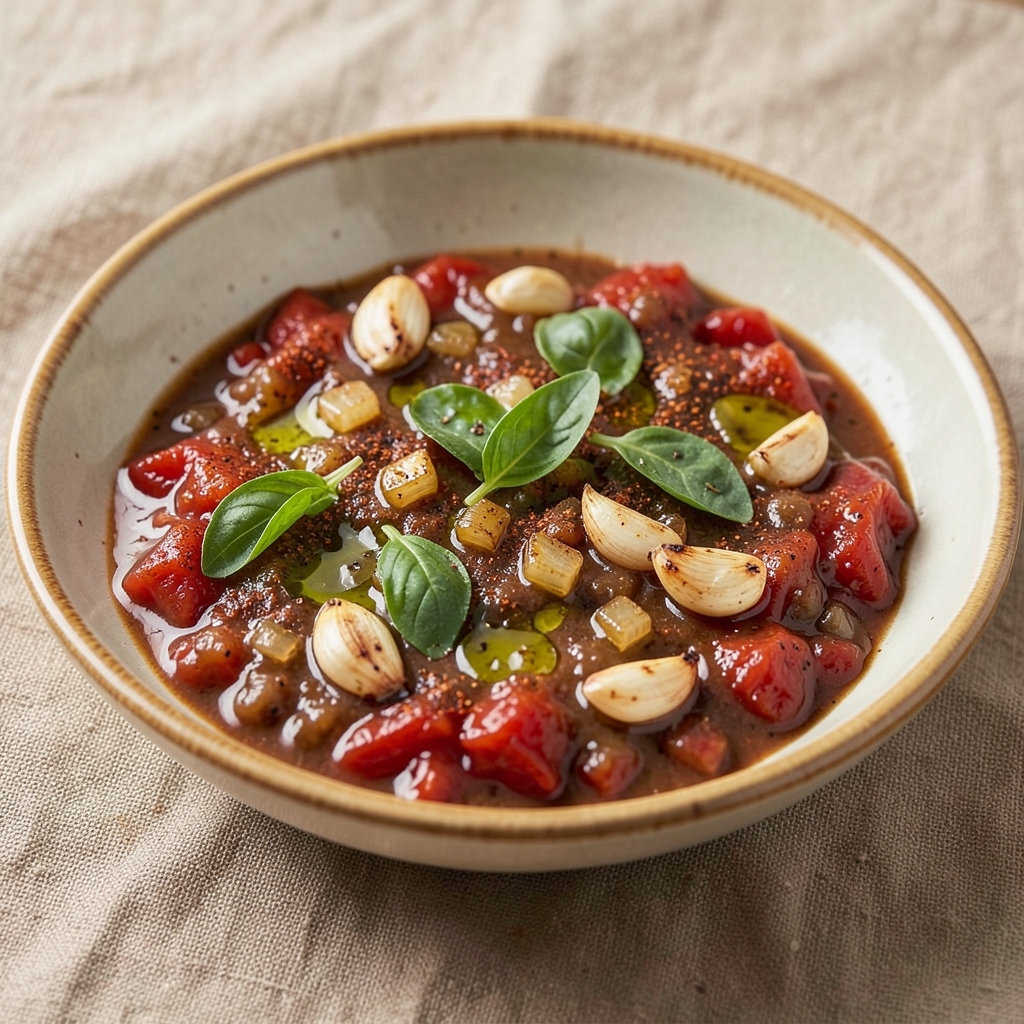
This chorrillana sauce recipe transforms simple ingredients into a velvety, smoky masterpiece that elevates any dish from ordinary to extraordinary.
Born from Peruvian culinary traditions, this sauce balances rich tomato depth with fresh basil brightness, creating a harmonious blend that works as both a stir-fry base and a bold pasta accompaniment.
The slow simmering process unlocks layers of flavor—caramelized onions, toasted spices, and a touch of heat—that make it impossible to resist.
What sets this sauce apart is its versatility and depth of flavor, achieved through precise technique rather than complicated ingredients. You’ll need just six core components, but the magic happens in the cooking: simmering until the sauce thickens into a luscious consistency while preserving the natural sweetness of the tomatoes.
The result is a sauce that clings beautifully to proteins, absorbs perfectly into grains, and delivers that restaurant-quality richness at home—every time.
Imagine the first bite: tender grilled chicken or shrimp coated in this sauce, its smoky aroma wafting through the air as the flavors meld together. The sauce’s velvety texture coats each ingredient, while the bright basil notes cut through the richness, creating a perfect balance.
This isn’t just a condiment; it’s a flavor experience that turns simple meals into something truly special.
The best part? This sauce keeps beautifully in the refrigerator for up to five days, making it ideal for meal prep or gifting. Whether you’re serving it over a classic Peruvian-style stir-fry, drizzling it over grilled meats, or tossing it with pasta, the possibilities are endless.
Let’s get cooking and bring that smoky, velvety richness to your table.
Ingredients for chorrillana sauce
Six simple ingredients create this Peruvian-inspired sauce with velvety richness and smoky depth.
| Ingredient | Amount | Notes |
|---|---|---|
| Extra-Virgin Olive Oil 🫒 | ¼ cup | High-quality, fruity variety preferred |
| Yellow Onions 🧅 | 1 whole | Medium size, finely diced |
| Garlic Cloves 🧄 | 4 cloves | Fresh, peeled and minced |
| Canned San Marzano Tomatoes 🍅 | 1 can | 28 oz, crushed by hand |
| Fresh Basil Leaves 🌿 | ½ cup | Packed, stems removed |
| Smoked Paprika 🌶️ | 1 tbsp | High-quality, not pre-mixed |
| Ground Cumin 🌿 | ½ tsp | Toasted for enhanced aroma |
| Diamond Crystal Kosher Salt 🧂 | ½ tsp | Fine grain preferred |
| Freshly Ground Black Pepper 🌶️ | ¼ tsp | Cracked peppercorns preferred |
| Red Wine Vinegar 🍷 | 1 tbsp | Dry, aged variety |
The quality of your tomatoes and olive oil makes all the difference here. San Marzano canned tomatoes are the gold standard for their natural sweetness and low acidity, though any high-quality crushed tomatoes will work. For the olive oil, look for extra-virgin with a robust peppery finish—California avocado or Italian brands from specialty stores excel. The onions should be sweet, not bitter, and yellow Spanish onions from the produce section at Whole Foods or Trader Joe’s are ideal. Fresh basil is non-negotiable for that signature brightness—avoid dried substitutes as they lack the aromatic complexity. Toast your spices gently in the oil before adding them to the sauce for maximum depth of flavor.
No smoked paprika? Substitute a mix of regular paprika and a pinch of liquid smoke, though the flavor won’t be identical. Running short on fresh basil? Use half the amount of dried basil, but infuse it with a splash of warm water first to rehydrate. For a wine-free version, red wine vinegar can be replaced with apple cider vinegar, though the sauce will have slightly less complexity. The cumin is crucial—never skip it as it provides the earthy foundation of this sauce. If you’re using pre-minced garlic, toast it in olive oil first to remove any harsh flavors. For a smokier profile, add a dash of chipotle powder alongside the smoked paprika.
This sauce develops better with time, so make it a day ahead if possible. Store in an airtight container in the refrigerator for up to five days, with the flavor intensifying over time. For longer storage, freeze in ice cube trays and transfer to a bag—perfect for single servings. The sauce thickens as it cools, so add a splash of water or broth if it becomes too stiff when reheating. Always stir before using, as the basil tends to float to the top. The sauce pairs beautifully with grilled proteins, roasted vegetables, or fresh pasta, making it a versatile addition to any meal.
Why You’ll Love This Recipe
- Five-Ingredient Magic: I swear by this—just olive oil, onions, garlic, tomatoes, and basil. That’s it. No fancy prep, no hidden tricks, just pure, unfussy flavor that still feels like a restaurant-quality hug on a plate.
- Garlic-Basil Bomb: The moment those fresh basil leaves hit the simmering tomatoes? Instant flavor explosion. That garlic-to-basil balance is chef’s kiss—bright, aromatic, and impossible to resist, even when you’re tired after work.
- Pantry Powerhouse: Between us, this sauce is my meal-prep MVP. Make a big batch on Sunday, and suddenly you’ve got marinara for pasta, a base for grilled chicken, or a quick sauce for eggs the next morning. No waste, all win.
- Budget-Friendly Luxury: San Marzano tomatoes and good olive oil might sound fancy, but they stretch like crazy. A single can of tomatoes and a handful of garlic cloves feed the whole family, and the leftovers? Freeze them for another night. Smart spending, big flavor.
Step-by-step instructions for chorrillana sauce
This velvety sauce builds layer by layer—smoky depth from the paprika, bright acidity from the vinegar, and fresh basil that finishes it with herbal brightness.
Sauté Onions Until Translucent
Heat the 0.25 cup extra-virgin olive oil in a heavy-bottomed saucepan over medium-low heat. Add the 1 whole yellow onions, finely diced, and cook for 8-10 minutes until completely translucent and just beginning to soften. You’re not looking for color yet—just a gentle breakdown of the onion’s structure. Stir occasionally to prevent sticking, but resist the urge to rush; patience here ensures sweetness without bitterness.
If the onions start to brown too quickly, reduce the heat slightly. The goal is to create a flavor base without caramelization at this stage. Once translucent, the onions will provide a subtle sweetness that balances the sauce’s smoky depth.
Add Garlic and Toast the Spices
Increase heat to medium and add the 4 cloves minced garlic, stirring for 30 seconds until fragrant but not browned. Immediately add the 1 tablespoon smoked paprika and 0.5 teaspoon ground cumin, stirring constantly for 1 minute to toast the spices. This step releases their essential oils, deepening the sauce’s smoky, earthy character.
Watch closely—spices burn quickly. If you notice any darkening, remove the pan from heat for 10 seconds to cool slightly before continuing. The spices should be aromatic but not bitter. This is where the sauce’s complexity begins to develop.
Build the Tomato Base
Pour in the 1 can crushed San Marzano tomatoes, scraping any browned bits from the bottom of the pan with a wooden spoon. Add the 0.5 teaspoon diamond crystal kosher salt and 0.25 teaspoon freshly ground black pepper. Bring to a gentle simmer over medium heat, then reduce to low and cook uncovered for 20 minutes. The sauce should thicken slightly, and the raw tomato flavor should soften into a mellow, sweet foundation.
Stir occasionally to prevent skin formation. If the sauce reduces too quickly, add 2-3 tablespoons water to maintain a loose consistency. The tomatoes should break down into a velvety texture without becoming watery.
Brighten with Vinegar and Basil
Stir in the 1 tablespoon red wine vinegar and 0.5 cup packed fresh basil leaves, stems removed. Simmer for an additional 5 minutes until the basil wilts and the vinegar integrates completely. The acidity cuts through the richness, while the basil adds a fresh herbal note that elevates the sauce.
Taste and adjust seasoning—you may need a pinch more salt or a crack of black pepper to balance the flavors. The sauce should be vibrant, with a perfect harmony of smoky, sweet, and tangy elements. If it’s too thick, whisk in 1-2 tablespoons water to reach a spoonable consistency.
Rest and Serve
Remove the sauce from heat and let it rest for 10 minutes, covered. This allows the flavors to meld and the texture to set slightly. The sauce will thicken further as it cools, so adjust consistency with water or reserved pasta water if needed.
Serve immediately over pasta, grilled meats, or as a dipping sauce for crusty bread. The chorrillana sauce should coat the back of a spoon with a luxurious, velvety finish, carrying layers of smoky paprika, bright vinegar, and fresh basil in every bite.
Pro Tips For Making Chorrillana Sauce
- SWEAT THE ONIONS LOW: I learned this the hard way—drowning onions in olive oil over high heat turns them bitter. Instead, cook them on medium-low with a splash of water, stirring occasionally, until they’re translucent and golden. That sweet, caramelized base is the soul of your sauce.
- CRUSH GARLIC LIKE IT’S 1950: Minced garlic burns faster than you think, especially in olive oil. Smash the cloves with the flat side of your knife first, then slice thinly—this releases flavor without turning the sauce into a charred mess. (Yes, even if you’re impatient like me.)
- BURST TOMATOES FIRST: Dump those San Marzanos straight from the can into a hot pan—the sudden heat makes them release juice and soften faster. Stir them in with the onions and garlic, then let them simmer uncovered for 5 minutes to break down. Skim off any foam that rises; it’s the stuff no one wants in their sauce.
- BASIL AT THE END: Tossing basil in too early turns it to mush and kills its bright flavor. Wait until the very last minute, then rip the leaves by hand and stir just enough to wilt them slightly. (Pro move: Use a pinch of salt with the basil—it keeps the leaves vibrant longer.)
Pro cooking tips for great chorrillana sauce
Heat Control Secrets
This sauce demands medium-low heat for the onion stage—too high, and you’ll burn the onions before they soften. I use a heavy-bottomed saucepan (like All-Clad Stainless) to distribute heat evenly.
Once the onions are translucent, increase to medium only for the garlic and spices, then immediately drop back to low for the tomato simmer. The key is patience: 20 minutes of gentle simmering builds depth without bitterness. 🌡️
Spice Toasting Technique
The moment you add smoked paprika and cumin, stir constantly for exactly 1 minute—no more! Toasting spices releases their oils, but burning them turns the sauce bitter. I’ve ruined batches by walking away for just 30 seconds.
If the spices darken too quickly, remove the pan from heat for 10 seconds to cool before continuing. The aroma should be smoky and earthy, not acrid. 💡
Tomato Reduction Mastery
Let the tomatoes simmer uncovered to evaporate excess moisture, but don’t let them scorch. If the sauce reduces too fast, add 2-3 tablespoons water in 1-tablespoon increments. The goal is a velvety consistency—thick enough to coat the back of a spoon but still spoonable.
I test by dipping a clean spoon into the sauce; it should leave a smooth trail, not a glob. 🍅
Acid Balance Trick
The red wine vinegar is non-negotiable—it brightens the sauce and cuts through the richness. Add it 5 minutes before the end of cooking so the acidity doesn’t cook off. If your vinegar is too sharp, balance it with a pinch of sugar (just ¼ teaspoon).
The basil should wilt but not disintegrate; if it turns to mush, reduce simmering time to 3 minutes instead of 5. 🍷
Resting for Perfection
Never skip the 10-minute rest after cooking. This lets the flavors meld and the texture thicken naturally. I cover the sauce with a silicone lid (like OXO Good Grips) to trap steam.
If the sauce separates, whisk in 1 tablespoon water to re-emulsify. The final product should be silky, with no graininess—proof that the sauce has reached its peak. ✨
Troubleshooting Thickness
If the sauce is too thick after resting, thin it with reserved pasta water (if using with pasta) or warm broth. For a glossy finish, stir in 1 teaspoon olive oil at the end.
If it’s too thin, simmer uncovered for 5 more minutes to reduce. The ideal consistency is like heavy cream—thick enough to cling to food but still silky. 🥄
Nutrition facts
Frequently asked questions
Can I make this sauce without fresh basil?
You can substitute 0.25 cup dried basil (about half the amount), but infuse it with 1 tablespoon warm water first to rehydrate. For best results, use a mix of 0.25 cup fresh basil and 0.25 cup dried to capture that signature herbal brightness. If you’re avoiding fresh herbs entirely, try 1 teaspoon dried oregano instead—it adds a different but still aromatic depth.
How does this sauce differ from a traditional Peruvian chorrillana?
This recipe captures the essence of Peruvian chorrillana sauce with its smoky, tomato-based foundation, but it’s simplified for home cooks. Traditional versions often include aji amarillo peppers (Peruvian yellow chiles) for heat, while this version uses smoked paprika for a milder smokiness. The original dish is typically served with grilled meats and potatoes, but this sauce works beautifully with pasta, grilled fish, or even as a marinade.
Why does my sauce taste too acidic?
If your sauce tastes overly sharp, it’s likely from the red wine vinegar cooking off too long or using too much. Balance it by adding a pinch of sugar (¼ teaspoon) or a splash of tomato paste (1 teaspoon) to mellow the acidity. For future batches, add the vinegar 5 minutes before the end of cooking to preserve its brightness without overpowering. The sauce should have a bright tang, not a harsh bite.
Can I make this sauce in a slow cooker?
Yes! Combine all ingredients in your slow cooker and cook on low for 3-4 hours or high for 1.5-2 hours, stirring occasionally. The slow cooker will help develop the flavors gently, but you may need to add 1-2 tablespoons water if it reduces too much. Finish by simmering on the stovetop for 5 minutes to integrate the basil properly. The texture will be slightly thinner due to the longer cooking time.
What’s the best way to use leftover chorrillana sauce?
Leftover sauce keeps beautifully for 5 days in the fridge, with flavors actually improving over time. Use it to marinate grilled proteins, toss with pasta or roasted vegetables, or drizzle over crusty bread with grated cheese. For a quick meal, mix with cooked rice or quinoa and top with fried eggs. Freeze portions in ice cube trays for single-serving use—perfect for adding flavor to soups or stir-fries later.

- Black Diamond Steak Marinade Recipe: Deep Charcoal Infusion for Bold Flavor - November 8, 2026
- Betty Crocker Chocolate Devil Cake Recipe: Moist Layers With Fudgy Frosting - November 8, 2026
- Beetroot Fries Recipe: Earthy Sweetness With Crispy Edges - November 8, 2026