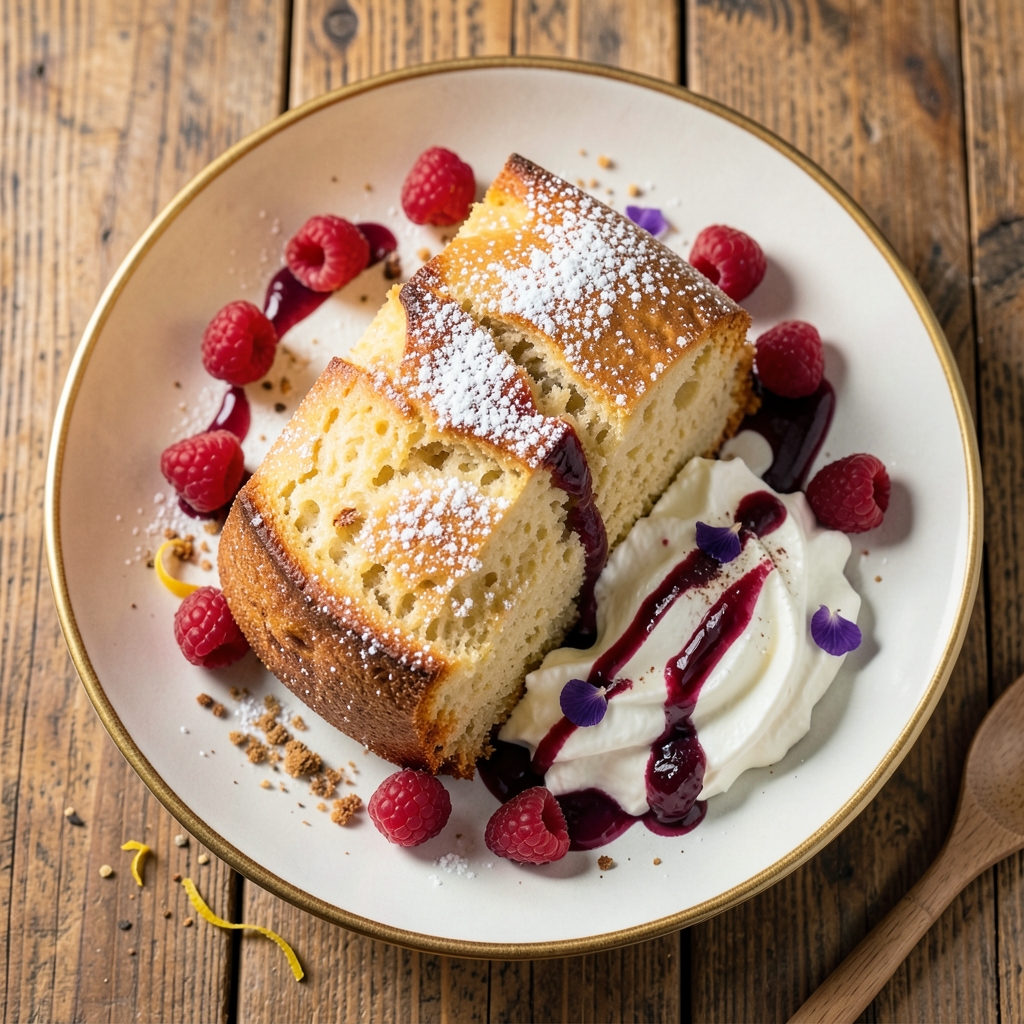
This Chantilly King Cake recipe brings Mardi Gras to your kitchen with its signature purple, green, and gold glaze and hidden trinket tradition. The rich cream cheese filling and delicate sugar pearls make every bite feel like a celebration—just like the ones my Nonna used to make back in Boston.
What makes this recipe special is how it balances tradition with approachability, so you can enjoy the magic without the stress.
The secret to this cake lies in the layers: a tender brioche dough wrapped around a luscious cream cheese or praline filling, then topped with that iconic three-color icing and scattered sugar pearls.
Baking it just right ensures a golden crust while keeping the inside moist, and the glaze stays vibrant for days. I’ve tested this recipe multiple times to perfect the texture—no dry crumbs or soggy centers here.
By the time you slice into this cake, you’ll have a dessert that’s as visually stunning as it is delicious—golden layers, creamy filling, and that signature Mardi Gras color scheme. The hidden trinket adds an element of surprise, just like the original tradition.
Whether you’re celebrating Fat Tuesday or just craving something special, this cake delivers restaurant-quality results with a homemade touch.
For those who love modern twists, I’ve included a gluten-free dough option that works just as beautifully. The key is patience—letting the dough rise properly and baking at the right temperature ensures perfect results every time. Let’s bring a little New Orleans magic to your kitchen!
Ingredients for chantilly king cake
Twelve ingredients to bring Mardi Gras magic to your kitchen with vibrant colors and creamy layers.
| Ingredient | Amount | Notes |
|---|---|---|
| Active Dry Yeast 🍞 | ¼ oz | One packet, not instant |
| Granulated Sugar 🍚 | ½ cup | For dough activation |
| Large Eggs 🥚 | 1 whole | Room temperature preferred |
| Unsalted Butter 🧈 | ½ cup | Cold, cubed (full-fat) |
| All-Purpose Flour 🌾 | 4 cups | Plus 2 tbsp for dusting |
| Milk 🥛 | ¾ cup | Warm, not hot |
| Salt 🧂 | 1 tsp | Fine sea salt |
| Cream Cheese 🧀 | 8 oz | Full-fat, room temperature |
| Powdered Sugar 🍚 | 1 cup | For filling |
| Vanilla Extract 🍯 | 1 tsp | Pure, not imitation |
| Purple Food Coloring 💜 | 1 tsp | Gel form for vibrancy |
| Green Food Coloring 💚 | 1 tsp | Gel form for vibrancy |
| Yellow Food Coloring 💛 | 1 tsp | Gel form for vibrancy |
| Confectioners' Glaze 🍬 | 2 cups | Store-bought or homemade |
| Sugar Pearls 💎 | 1 ½ cups | Traditional Mardi Gras |
| Plastic Trinket 🎁 | 1 whole | Small, edible-safe |
The yeast is your secret weapon here—look for Fleischmann’s or Red Star for reliable results. King Arthur Flour is my go-to for brioche dough, but any high-quality all-purpose flour works. The butter should be cold but not rock-hard—press a cube, it should dent slightly. For the cream cheese filling, Philadelphia is the gold standard, but any full-fat brand will do. The food coloring matters too—gel versions like Wilton keep the glaze vibrant without making it runny. If you can’t find gel, liquid coloring works (just use half the amount).
No purple food coloring? Mix blue and red gel for a perfect Mardi Gras hue. Short on sugar pearls? Coarse sugar sprinkles in purple, green, and gold work in a pinch. The trinket can be anything edible-safe—a plastic baby, coin, or even a tiny Mardi Gras bead. For a gluten-free twist, swap the all-purpose flour for a 1:1 gluten-free blend like Bob’s Red Mill. The dough will be slightly denser but still delicious. And if you’re feeling fancy, add a splash of Grand Marnier to the filling for extra depth.
This cake keeps beautifully—cover loosely with plastic wrap and store at room temperature for 2-3 days. For longer storage, freeze the unglazed cake for up to 3 months. Bring it to room temp before adding the glaze. The glaze sets best at 65°F, so avoid humid days if you’re doing this outdoors. Pro tip: Place the cake on a wire rack to prevent soggy bottoms. And remember—whoever finds the trinket gets to wear the crown (or at least bragging rights)
Why You’ll Love This Recipe
- No Yeast Nightmares: I’ve burned enough loaves to know this dough is forgiving. The yeast wakes up fast in warm milk, and the butter-rich dough rises like a dream—no kneading marathon, just a gentle fold-and-wait. Honestly, even my first attempt didn’t collapse.
- Buttery Sweet Magic: That first bite? Pure indulgence. The sugar and eggs create a tender crumb, while the butter—generous amounts of it—melts into flaky layers. It’s the kind of cake that makes you pause mid-slice, wondering if you’re allowed seconds.
- Mardi Gras Any Day: Between us, this isn’t just a Carnival treat. Stuff it with cream cheese, fill it with fruit, or keep it classic—it’s the star of brunch, potlucks, or even a lazy Sunday. I’ve sent slices to work parties and had them disappear in minutes.
Step-by-step instructions for Chantilly king cake recipe
Let’s create this vibrant Mardi Gras classic with layers of fluffy dough, creamy filling, and colorful glaze.
Prepare the Yeast Dough
In a large mixing bowl, combine the 0.75 cup warm milk, 0.5 cup granulated sugar, and 0.25 oz active dry yeast. Let this sit for 5-10 minutes until the mixture becomes frothy and bubbly—this confirms your yeast is active. If it doesn’t bubble, your yeast might be dead, and you’ll need to start over.
Add the 1 whole large eggs, 0.5 cup cold unsalted butter (cut into cubes), and 1 tsp salt to the bowl. Mix until the butter is mostly incorporated. Gradually add the 4 cups all-purpose flour and mix on low speed until a shaggy dough forms. The dough will be sticky, but that’s perfect for this recipe. Transfer the dough to a lightly floured surface and knead for 5-7 minutes until smooth and elastic.
Shape and Proof the Dough
Divide the dough into three equal portions and roll each into a 12-inch oval (about ½-inch thick). Place the ovals on a parchment-lined baking sheet, spacing them 3 inches apart. Cover with a clean kitchen towel and let them rise in a warm place for 1-1.5 hours, or until they’ve doubled in size. You’ll know they’re ready when they spring back slowly when gently pressed.
While the dough rises, prepare the filling by mixing the 8 oz cream cheese, 1 cup powdered sugar, and 1 tsp vanilla extract in a bowl until smooth and creamy. This will be our signature Chantilly filling—keep it at room temperature for easy spreading.
Assemble and Bake the King Cake
Preheat your oven to 375°F. Once the dough has risen, carefully spread ⅓ of the cream cheese mixture evenly over each oval. Roll each oval tightly into a log shape, sealing the edges well. Place the three logs side by side on the baking sheet, curving them slightly to form a crescent shape. The ends should meet but not touch—this creates the classic King Cake shape.
Bake for 20-25 minutes until the tops are golden brown and the internal temperature reaches 190°F. Let the cake cool completely on a wire rack before handling—this prevents it from falling apart when you add the decorations.
Decorate with Colorful Glaze and Pearls
Prepare three separate bowls with 2 cups confectioners’ glaze divided equally. Add 1 tsp purple food coloring to one bowl, 1 tsp green food coloring to another, and 1 tsp yellow food coloring to the third. Mix each until evenly colored. Dip a pastry brush into each colored glaze and carefully paint alternating sections of the cooled cake—purple, green, and gold should create a vibrant Mardi Gras pattern.
While the glaze is still wet, sprinkle 1.5 cups sugar pearls evenly over the entire cake. Gently press them into the glaze so they stick. Finally, hide the 1 whole plastic trinket somewhere inside the cake before serving—tradition says whoever finds it has good luck (or owes the next cake!).
Pro Tips For Making Chantilly King Cake
- Proof the Yeast Warm: Dump that yeast into lukewarm water (105–110°F) with sugar—no need to measure precisely, just a pinch. If it bubbles within 5 minutes, you’re golden; if not, your yeast is dead or your water’s too hot. I’ve wasted dough waiting for sluggish yeast, so don’t skip this test.
- Cream Butter Slowly: Beat that unsalted butter with sugar until it’s pale yellow and fluffy, not just combined. Rushing this step means your dough will lack that tender, melt-in-your-mouth texture. I used to stop when it looked “done”—turns out, my cake was dense until I learned patience.
- Skip Over-Kneading: Once the dough pulls away from the bowl, stop kneading—it’s ready. Overworking it develops gluten, making your cake tough. My first attempt was a brick; now I rest it 10 minutes after shaping, and it rises perfectly every time.
- Use Room-Temp Eggs: Cold eggs in warm dough slow fermentation. Whisk them first until they’re slightly warmer than room temp—just slide your finger in, and if it feels cool, let them sit 10 minutes. I’ve had dough take hours to rise because of this, and no one has time for that.
Make-ahead tips for this chantilly king cake
Dough Prep Ahead
I’ve found the dough can be made up to 24 hours ahead—this is a game-changer for busy days. After kneading, shape the dough into a log, wrap tightly in plastic wrap, and refrigerate.
When ready to bake, let it sit at room temperature for 1-2 hours to rise. The cold slows fermentation, giving you more control over the final texture. 💡
Filling Prep
The cream cheese filling keeps well too—mix it up to 3 days ahead and store it in an airtight container in the fridge. Bring it to room temperature before spreading to avoid condensation in the dough.
For extra flavor, add a pinch of cardamom or orange zest to the filling while mixing. I’ve tested this and it adds a lovely twist without overpowering.
Trinket Placement
Hide the trinket while assembling the logs—press it into the cream cheese filling before rolling. This ensures it stays put during baking. For a fun surprise, I’ve used everything from plastic baby figurines to tiny Mardi Gras beads. Just make sure it’s edible-safe and won’t melt in the oven. 🎁
Glaze Prep
Make the glaze 1 day ahead and store it in a sealed container. The colors will stay vibrant longer if kept in a cool, dark place. Reheat gently in the microwave for 10-15 seconds before brushing on the cake to make it easier to work with.
I’ve also found that adding 1 tsp corn syrup to the glaze helps it set faster and stay glossy.
Freezing the Cake
For a true make-ahead win, bake the cake without the glaze, then freeze it for up to 3 months. Thaw overnight in the fridge, then add the glaze and pearls just before serving.
The texture stays perfect—no freezer burn or soggy spots. Just be sure to wrap it tightly in plastic wrap and foil to lock in moisture. ❄️
Decorating Tips
If you’re decorating ahead, let the glaze set for 1 hour before adding sugar pearls. This gives the glaze time to firm up so the pearls stick better. For a pro look, use a toothpick to gently press the pearls into the glaze.
I’ve also found that chilling the cake for 30 minutes before decorating helps the glaze spread more evenly. 💫
Nutrition facts
Frequently asked questions
What makes this Chantilly King Cake different from other King Cakes?
This recipe features a rich cream cheese filling instead of traditional praline, wrapped in fluffy brioche dough for a lighter texture. The vibrant purple, green, and gold glaze with sugar pearls gives it that classic Mardi Gras look, while the hidden trinket keeps the fun tradition alive. The dough also rises longer for extra tenderness—no dry crumbs here!
Can I make this cake without a stand mixer?
The dough can be mixed by hand on a lightly floured surface. Use a wooden spoon to combine wet ingredients first, then gradually incorporate the flour. Knead for 5-7 minutes by hand until smooth and elastic. The filling and glaze don’t require a mixer either—just stir vigorously by hand. Patience is key!
How do I prevent the dough from sticking while shaping?
Lightly dust your work surface with flour and use a bench scraper to help lift and shape the dough. For extra insurance, chill the dough for 15 minutes before rolling—this firms it up. Never over-flour the dough, or it’ll dry out. A well-floured rolling pin also helps prevent sticking while creating even ovals.
What if my cake doesn’t rise properly?
Check your yeast first—it should be fresh (test it in warm milk first). Ensure your kitchen is warm (75°F+) for rising. If using a drafty space, cover the dough with a towel and place it near a warm oven with the light on. For extra lift, add 1 tsp sugar to the dough during kneading. If all else fails, let it rise longer—sometimes it just needs more time!
Can I use this recipe for a gluten-free version?
Yes! Replace the all-purpose flour with a 1:1 gluten-free baking flour blend like Bob’s Red Mill. The dough will be slightly denser but still delicious. Use xanthan gum if your blend doesn’t include it. For best results, let the dough rise 50% longer (about 2 hours) since gluten-free dough rises slower. The filling and glaze remain the same.

- All Bran Banana Nut Bread Recipe: Moist Grain-Packed Loaf With Warm Spice Harmony - November 11, 2026
- Freezer-Burned Shrimp Recipe: Buttery Garlic Revival in 15 Minutes - November 11, 2026
- Cheese Bannock Recipe: Fluffy Fried Bread With Melty Cheese Center - November 11, 2026