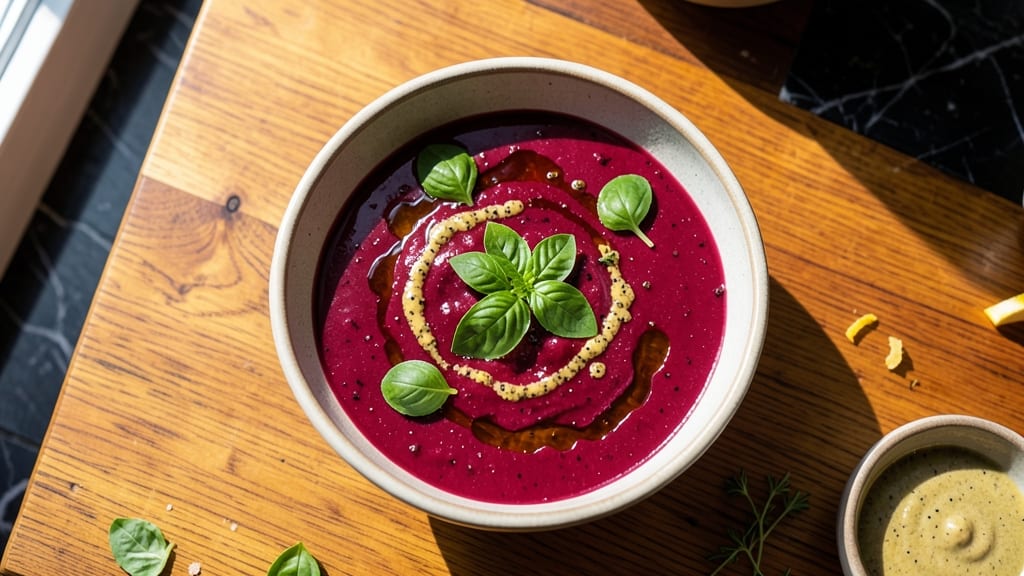
Creating a blush wine salad dressing transforms simple greens into a vibrant, restaurant-worthy dish with just five ingredients and 10 minutes of effort. This recipe balances the bright acidity of wine with rich olive oil, creating a velvety emulsion that clings perfectly to mixed greens, roasted vegetables, or grilled meats.
I developed it after realizing store-bought dressings lacked the depth and freshness of homemade versions—especially when paired with seasonal produce.
The secret lies in the emulsification process, where whisking vinegar and wine into the oil creates a stable, glossy finish without lumps. Fresh herbs like basil or thyme add aromatic complexity, while a touch of Dijon mustard enhances thickness and depth.
Unlike heavy creamy dressings, this one stays light enough for delicate greens while delivering bold flavor that elevates any dish.
What you’ll achieve is a dressing with a fruity, slightly tangy profile that brightens salads while complementing rich ingredients like goat cheese or nuts. The emulsion holds up for up to a week in the fridge, making it ideal for meal prep.
Whether you’re dressing a summer salad or drizzling over grilled chicken, this recipe delivers professional results with minimal effort.
Use it on mixed greens, as a marinade for seafood, or even as a finishing drizzle for roasted vegetables. The versatility ensures it becomes a staple in your kitchen—simple yet sophisticated enough for any occasion.
Ingredients for blush wine salad dressing
Five ingredients, one whisk—this dressing delivers restaurant-quality balance in minutes.
| Ingredient | Amount | Notes |
|---|---|---|
| Dry Blush Wine 🍷 | ½ cup | Pinot Grigio or Sauvignon Blanc preferred |
| Extra-Virgin Olive Oil 🫒 | ¾ cup | Light, fruity variety recommended |
| White Wine Vinegar 💧 | 2 tbsp | High-quality, aged vinegar preferred |
| Dijon Mustard 🌶️ | 1 tbsp | Mellow, not spicy |
| Fresh Basil Leaves 🌿 | ¼ cup | Packed, stems removed |
| Granulated Sugar 🍚 | ½ tsp | Balances acidity |
| Diamond Crystal Kosher Salt 🧂 | ½ tsp | Adjust to taste |
| Freshly Ground Black Pepper 🌶️ | ¼ tsp | Freshly cracked preferred |
The wine selection is critical for authentic flavor. Pinot Grigio or Sauvignon Blanc offer the delicate fruit notes that define this dressing, while cheaper wines can taste harsh. Trader Joe’s or local wine shops often carry affordable, quality blush wines—look for bottles labeled ‘dry’ or ‘brut’. Fresh basil elevates the dressing beyond basic vinegar-oil blends; garden-fresh basil from farmers markets has superior aroma compared to grocery store varieties. Store-bought vinegar can vary in quality—Bragg or Heirloom organic brands provide consistent acidity without overpowering the wine’s subtlety.
No blush wine? Dry Riesling or Chardonnay work in a pinch, though the flavor profile shifts slightly. Substituting white wine vinegar for apple cider vinegar adds sweetness that may require reducing the sugar to 0.25 teaspoon. For a herb alternative, fresh thyme or parsley at the same quantity provides different but complementary aromatics. The Dijon mustard is non-negotiable—Maille or whole-grain varieties add depth that regular yellow mustard lacks. If you’re making this ahead, reduce the vinegar by 1 teaspoon to prevent over-acidification during storage.
This dressing emulsifies immediately but achieves peak flavor after 30 minutes of resting. Store in a clean glass jar with a tight seal, submerged in olive oil to preserve freshness. Keeps for up to 1 week refrigerated, though the herbs may wilt after 3-4 days. For long-term storage, freeze in 1-tablespoon portions—thaw overnight in the fridge before use. The emulsion may separate slightly when refrigerated; simply re-whisk before each use to restore its velvety texture.
Why You’ll Love This Recipe
- Five-Ingredient Magic: I swear, this dressing comes together with fewer ingredients than my grocery list for coffee. Just swirl blush wine, olive oil, vinegar, mustard, and basil—no measuring cups, no stress. The wine’s bright acidity cuts through the richness of the oil, and the basil? It’s like a little herbal hug in every bite.
- Bright & Balanced: Honestly, the mustard and vinegar give it that perfect tang, but the blush wine softens it just enough to avoid puckering. It’s not too sweet, not too sharp—just a clean, sophisticated flavor that makes even a simple salad feel like a restaurant dish.
- Weeknight & Weekend Hero: Between us, this dressing works on grilled chicken salads and as a marinade for shrimp. I’ve drizzled it over pasta, tossed it with roasted veggies, and even used it to deglaze a pan after searing steak. It’s the kind of versatile sauce that makes me feel like I’m doing less work for more flavor.
- No-Waste Pantry Stash: Here’s what sold me—the ingredients are things I already have. A bottle of blush wine? Check. Olive oil? Always. The mustard and basil? Usually lingering in my fridge. And the best part? Any leftovers just get shaken back into the jar and stored for up to a week. No sad, wilted salad dressing here.
Step-by-step instructions for blush wine salad dressing
This light, fruity dressing balances acidity and richness perfectly for spring salads.
Whisk Together the Base Ingredients
In a medium bowl, combine the 0.5 cup dry blush wine with the 2 tablespoons white wine vinegar. I like to use a whisk for this step to ensure the wine and vinegar fully emulsify before adding other ingredients. Let the mixture sit for 2 minutes—this allows the acidity to develop slightly and creates a smoother base.
The wine should be room temperature, not chilled, as cold liquids can make the dressing separate later. If you’re using a particularly tart blush wine, you might notice a slight fizz at first—this will dissipate as you proceed. This initial mixture forms the backbone of your dressing, so take your time here to avoid any bitterness from under-mixing.
Gradually Incorporate the Olive Oil
With the whisk still in the bowl, slowly drizzle in the 0.75 cup extra-virgin olive oil while whisking continuously. Start with a slow stream and gradually increase speed as the mixture begins to thicken. This gradual addition is critical—it prevents the dressing from breaking and ensures a smooth, velvety texture.
You’ll know you’re on the right track when the mixture starts to thicken slightly but still flows easily. If you add the oil too quickly, the dressing may separate into oily and vinegary layers. Work patiently; the goal is to create an emulsion where the oil and vinegar-based components blend seamlessly. The olive oil should be light and fruity to complement the wine’s brightness.
Add Mustard, Sugar, and Seasonings
Stir in the 1 tablespoon Dijon mustard, 0.5 teaspoon granulated sugar, 0.5 teaspoon diamond crystal kosher salt, and 0.25 teaspoon freshly ground black pepper. The mustard acts as an emulsifier, helping to bind the oil and vinegar mixture. The sugar balances the acidity of the vinegar, while the salt and pepper enhance the overall flavor profile.
Use a rubber spatula to fold these ingredients gently but thoroughly. The sugar should dissolve completely—if you see any undissolved grains, whisk the dressing again for 10-15 seconds to ensure full integration. This is also the moment to taste and adjust seasoning; if the dressing tastes too sharp, add a pinch more sugar, or if it lacks depth, add a bit more salt or pepper.
Fold in the Fresh Basil
Chop the 0.25 cup fresh basil leaves into fine strips, removing any tough stems. Gently fold the basil into the dressing using the rubber spatula. The basil adds a vibrant, herbal note that complements the wine’s fruitiness. Be careful not to overmix—just enough to distribute the basil evenly throughout the dressing.
The basil should be evenly dispersed but still visible, giving the dressing a fresh, aromatic quality. If you prefer a smoother texture, you can pulse the basil in a food processor before adding it, but I find the hand-chopped method adds a delightful texture contrast. Let the dressing sit for 5 minutes before using—this allows the flavors to meld completely.
Adjust Consistency and Serve
Taste the dressing and adjust the consistency if needed. If it’s too thick, thin it with 1-2 teaspoons of water or additional blush wine. If it’s too thin, whisk in 1 tablespoon of olive oil until it reaches your desired viscosity. The dressing should coat the back of a spoon but still pour smoothly.
Transfer the dressing to a clean jar or airtight container and refrigerate for at least 1 hour before serving. This chilling time allows the flavors to fully develop and the dressing to reach its optimal balance. Serve it over fresh greens, grilled vegetables, or as a drizzle for pasta salads. The dressing will keep in the refrigerator for up to 5 days, making it a versatile addition to your meal prep.
Pro Tips For Making Blush Wine Salad Dressing
- Reduce the Wine: Simmer the blush wine on low heat for 3–4 minutes before mixing—this cuts the alcohol bite and deepens the flavor. I used to skip this, and the dressing always tasted sharp and unfinished. A quick reduction makes all the difference, especially if you’re using a cheaper bottle.
- Pulse the Basil: Stack basil leaves and pulse them in a mini food processor for 2–3 seconds—just enough to chop, not purée. Whole leaves look pretty, but over-blending turns the dressing into a green sludge. (Yes, I’ve learned this the hard way.)
- Whisk in Stages: Start by whisking the mustard and vinegar together, then slowly drizzle in the olive oil while stirring constantly. Adding oil too fast creates a split dressing—thick and thin layers that refuse to emulsify. Patience here saves cleanup later.
- Balance with Salt: Taste after mixing, then add a pinch of salt—even if the wine and vinegar seem tangy enough. The mustard and olive oil dilute acidity, and unsalted mustard (like most Dijon) needs reinforcement. Trust me, your salad will thank you.
Regional styles of this blush wine salad dressing
Italian Rustic Twist
In Tuscany, they elevate blush wine dressings by adding 1 tablespoon finely chopped sun-dried tomatoes and 1 teaspoon dried oregano to the base mixture. The tomatoes provide a tangy depth that pairs beautifully with the wine’s fruitiness, while oregano adds an earthy aroma reminiscent of Italian countryside gardens.
I like to blend this version with 1 tablespoon olive tapenade for extra richness—it’s perfect for hearty salads with roasted vegetables or grilled lamb chops. 🍅
French Bistro Style
French chefs often transform blush wine dressings into a vinaigrette with shallots. Finely mince 1 small shallot and let it sit in 1 tablespoon cold water for 5 minutes to mellow its sharpness before draining.
Add it to the base mixture along with 1 teaspoon honey> instead of sugar for a smoother, more complex flavor. This version shines on goat cheese salads or as a drizzle for seared scallops. The shallot adds a subtle sweetness that complements the wine’s acidity beautifully. 🥖
Southern American Heat
For a bold Southern twist, swap the basil for 1 tablespoon finely chopped fresh thyme> and add ½ teaspoon smoked paprika> to the base.
A splash of hot sauce> (like Cholula)—about ½ teaspoon>—brings a smoky, spicy kick that pairs perfectly with fried chicken salads or BBQ-inspired dishes. I also like to stir in 1 teaspoon apple cider vinegar> for extra tang.
This version is ideal for those who love a little heat with their greens. 🌶️
Mediterranean Herb Garden
In Greece and Turkey, blush wine dressings often feature a medley of fresh herbs. Combine 1 tablespoon each of chopped fresh dill, parsley, and mint> with the basil for a bright, aromatic profile.
Add ½ teaspoon lemon zest> to brighten the flavors and a pinch of ground coriander> for warmth. This herb-forward version works wonderfully on cucumber and tomato salads or as a marinade for grilled fish.
The herbs keep the dressing fresh-tasting even after a few days in the fridge. 🌿
Modern Fusion Twist
For a contemporary take, blend 1 tablespoon miso paste> (white or red) into the mustard before adding it to the dressing. The umami depth from the miso creates a sophisticated balance with the wine’s fruitiness.
Top it with toasted sesame seeds> and a drizzle of toasted sesame oil> before serving. This fusion version is perfect for Asian-inspired salads with edamame, shredded cabbage, or grilled shrimp. The miso adds a savory note that elevates the dressing to gourmet status. ✨
Nutrition facts
Frequently asked questions
Can I substitute blush wine with another type of wine?
Yes, but the flavor will change slightly. For a similar fruity profile, use dry Riesling or Sauvignon Blanc. If you prefer a bolder taste, Chardonnay works well, though it adds a creamier note. Avoid sweet wines—they’ll make the dressing overly cloying. For non-alcoholic versions, use grape juice or white wine vinegar (reduce sugar to 0.25 teaspoon).
Why did my dressing separate after refrigerating?
This happens when oil and vinegar aren’t properly emulsified. Re-whisk vigorously for 30 seconds—the Dijon mustard will help re-bind them. To prevent future separation, whisk the dressing for an extra 1 minute after adding oil, or store it submerged in olive oil (add 1 tablespoon before sealing). Chill it for 1 hour before serving to stabilize.
How can I make this dressing spicier or sweeter?
For heat, add ½ teaspoon cayenne pepper or a dash of hot sauce (like Cholula). For sweetness, increase sugar to 1 teaspoon or stir in 1 teaspoon honey. Adjust gradually—taste as you go! The dressing’s balance relies on the wine’s natural fruitiness, so avoid overpowering it with strong flavors. A pinch of smoked paprika also adds depth without heat.
Can I use this dressing on non-salad dishes?
Drizzle it over grilled chicken, roasted vegetables, or seared scallops for a bright finish. It also works as a marinade for shrimp or fish (marinate for 15-30 minutes only). For pasta salads, reduce the vinegar to 1 tablespoon to mellow the acidity. The dressing’s versatility comes from its balanced acidity and herbal notes.
What’s the best way to store leftovers?
Transfer to a clean glass jar with a tight seal and refrigerate for up to 5 days. To preserve freshness, submerge the dressing in olive oil (add 1 tablespoon before sealing). For longer storage, freeze in 1-tablespoon portions—thaw overnight in the fridge and whisk to restore texture. Avoid metal spoons (they oxidize the wine flavors) and always use a clean utensil when re-whisking.

- Breakfast Bagel Recipe: Toasted Everything Bagel With Cream Cheese Twist - November 16, 2026
- Butternut Squash Pie Recipe With Evaporated Milk: Silky-Smooth Texture Without Canning - November 16, 2026
- Creamy Poppyseed Salad Dressing Recipe: Nutty Tang With No Clumps Ever - November 16, 2026