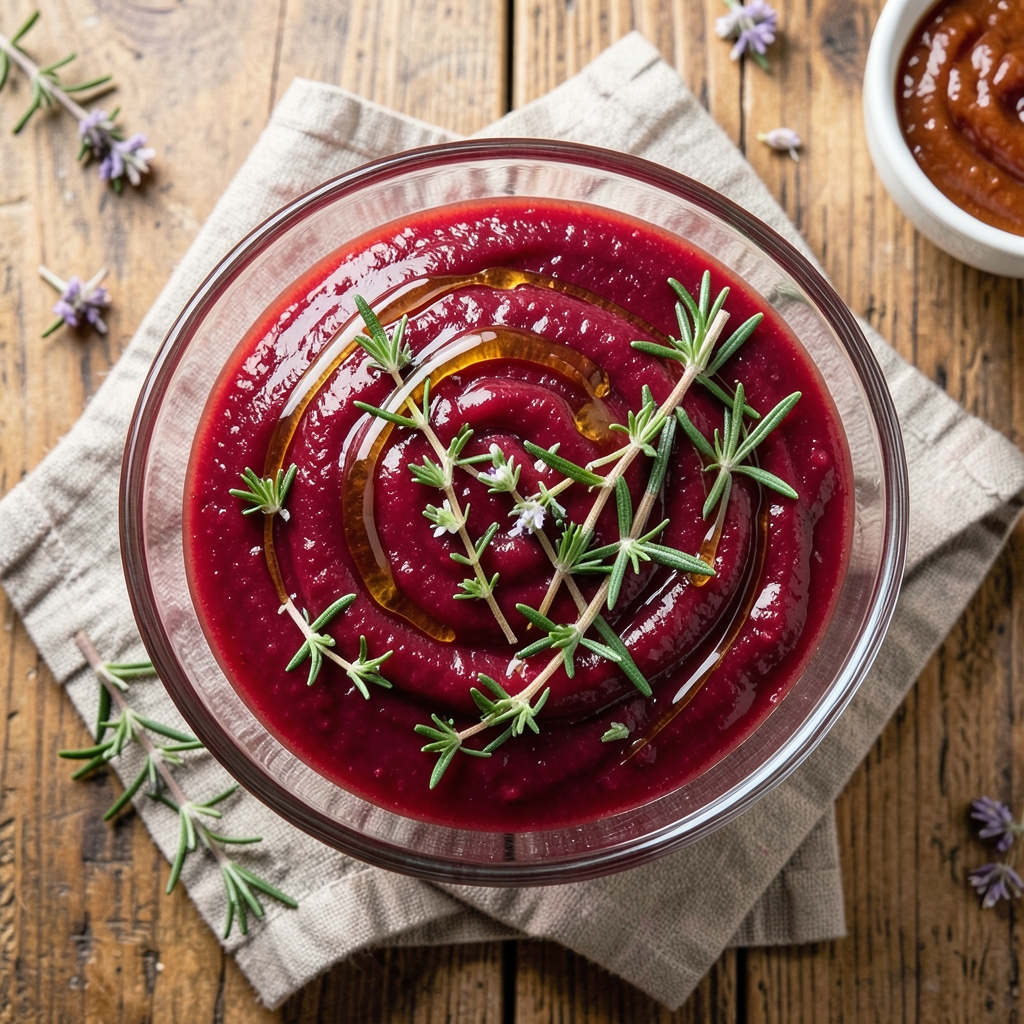
This blood orange salad dressing recipe transforms a simple bowl of greens into a vibrant, restaurant-worthy dish with just a few ingredients.
The bright citrus notes of blood orange juice blend seamlessly with earthy herbs and a touch of sweetness, creating a dressing that elevates any salad from ordinary to extraordinary. I developed this recipe after realizing store-bought options lacked the depth and freshness I craved—so I took control of the ingredients.
The dressing comes together in minutes with blood orange juice, olive oil, and a hint of honey to balance the acidity. A splash of apple cider vinegar adds tang, while fresh thyme or rosemary provides that herbal depth that makes it truly special.
The result is a smooth, emulsified dressing that clings beautifully to mixed greens, grains, or even grilled proteins without overpowering them.
What makes this dressing stand out is its versatility—it works equally well on arugula salads, quinoa bowls, or as a marinade for chicken. The blood orange’s natural sweetness and deep red hue add visual appeal, while the herbs keep the flavor complex and interesting.
Once you try this, you’ll never reach for bottled dressing again.
Ready in just 10 minutes, this dressing keeps well in the refrigerator for up to a week, making it perfect for meal prep. Whether you’re hosting a dinner party or simply craving a brighter salad, this recipe delivers professional-quality results with minimal effort. Let’s get started!
Ingredients for blood orange salad dressing
Eight ingredients, vibrant flavors—this dressing turns salads into showstoppers.
| Ingredient | Amount | Notes |
|---|---|---|
| Blood Orange Juice 🍊 | ½ cup | Freshly squeezed, seeds removed |
| Extra-Virgin Olive Oil 🫒 | ½ cup | Light or fruity variety preferred |
| Raw Honey 🍯 | 2 tbsp | Local honey for extra depth |
| Apple Cider Vinegar 🍶 | 1 tbsp | Unfiltered for tang |
| Fresh Thyme Leaves 🌿 | ¼ cup | Or 1 tbsp dried thyme |
| Fresh Rosemary Sprigs 🌿 | 2 whole | Or 1 tsp dried rosemary |
| Sea Salt 🧂 | ½ tsp | Fine grain preferred |
| Freshly Ground Black Pepper 🌶️ | ¼ tsp | Freshly cracked |
Blood oranges are the star here—look for ones with deep red blush at specialty markets or the produce section. Whole Foods or Trader Joe’s usually carry them in winter months. If you can’t find fresh blood oranges, bottled blood orange juice works, but fresh is worth the hunt for that bright, complex flavor. The thyme and rosemary should smell fragrant and fresh—no dusty jars here. For the olive oil, avoid the cheap stuff—you want something light and fruity that won’t overpower the citrus. A good rule of thumb: if it’s labeled ‘extra-virgin,’ it’s usually safe to use.
No blood oranges? Substitute with a mix of orange and grapefruit juice—about 3/4 cup total. Swapping herbs? Fresh basil or tarragon work beautifully, but adjust the amount to taste. Running low on honey? Maple syrup or agave are decent stand-ins, though they’ll change the flavor slightly. For a smoother texture, blend the herbs first before adding to the dressing. If you’re making this for a crowd, double the batch—it keeps perfectly for a week in the fridge. And if you’re feeling fancy, add a pinch of orange zest for extra brightness.
This dressing stays fresh for up to 7 days in an airtight jar in the fridge. For extra shelf life, pour a thin layer of olive oil on top before sealing—keeps everything vibrant. I like to make a big batch and store it in small jars so I can grab one for salads all week. If it separates, just give it a quick whisk before using. And pro tip: shake it well before each use—the flavors meld even better after sitting. Freezes beautifully too, though texture might change slightly after thawing.
Why You’ll Love This Recipe
- Five-Ingredient Magic: I swear, this is the kind of dressing you’ll make just to impress yourself. No fancy techniques—just juice, oil, honey, vinegar, and thyme. Honestly, the blood orange juice does 80% of the work, turning even the simplest greens into something that looks like it came from a farmers’ market spread.
- Sweet-Tart Wake-Up: That first bite of honey-drizzled greens with this dressing? It’s like a flavor hug. The blood orange’s deep citrus cuts through the richness of olive oil while the raw honey softens the vinegar’s bite—no cloying sweetness, just a bright, balanced punch that makes every salad feel like a celebration.
- Weeknight to Party: Between us, I’ve drizzled this on everything from Tuesday night salads to holiday charcuterie boards. The thyme adds a subtle earthiness that works with roasted veggies, grilled chicken, or even as a marinade’s secret weapon. (Yes, even on a Tuesday night.)
- No Waste, All Win: This keeps in the fridge for days—I’ve had it last a full week, honestly. The vinegar and honey act like natural preservatives, so you’re not scrambling to use up a half-empty bottle of blood orange juice. Plus, the ingredients are cheap enough that you can experiment without breaking the bank.
Step-by-step instructions for blood orange salad dressing
This dressing comes together in minutes but delivers bold citrus and herbal complexity that elevates any salad.
Whisk Together the Citrus Base
In a medium bowl, combine the 0.5 cup blood orange juice with the 2 tablespoons raw honey and 1 tablespoon apple cider vinegar. Stir until the honey dissolves completely and the mixture becomes smooth and glossy. The vinegar will help balance the sweetness of the honey while keeping the bright citrus notes intact.
I like to use a fork for this initial mixing—it creates small air pockets that help emulsify the dressing later. If you’re using freshly squeezed blood orange juice, you might notice some pulp. Strain it through a fine-mesh sieve if you prefer a completely smooth texture, but I often leave it in for added body and texture contrast.
Add Olive Oil Gradually for Emulsification
With the whisk in hand, slowly drizzle in the 0.5 cup extra-virgin olive oil while whisking continuously. Start with a slow, steady stream to prevent the oil from separating. The key here is patience—adding the oil too quickly will cause the dressing to break and separate into oily and liquid layers.
After adding about half the oil, pause and check the consistency. You should see tiny droplets of oil begin to disperse into the citrus mixture. This is the emulsification process in action. Keep whisking until the dressing thickens slightly and holds its shape when you lift the whisk.
Incorporate Herbs and Seasonings
Add the 0.25 cup fresh thyme leaves and 2 whole fresh rosemary sprigs to the bowl. Using clean hands, gently press and rub the herbs between your fingers to release their aromatic oils. This step is crucial for infusing the dressing with maximum herbal flavor without overpowering the citrus notes.
Next, sprinkle in the 0.5 teaspoon sea salt and 0.25 teaspoon freshly ground black pepper. Give everything one final whisk to combine. The herbs should be evenly distributed, and the dressing should have a vibrant, deep red color with flecks of green from the thyme and rosemary.
Taste and Adjust the Balance
Taste the dressing immediately—this is your chance to make any final adjustments. If it tastes too sweet, add a splash more of the apple cider vinegar. If it needs more depth, stir in a pinch of salt or a few more grinds of pepper. The dressing should be bright, tangy, and herbaceous with a lingering sweetness from the blood orange and honey.
For best results, let the dressing sit at room temperature for 10-15 minutes before using. This allows the flavors to meld together even more. If you notice any separation after resting, simply give it a quick whisk before using—it should come back together beautifully.
Store and Use Within 5 Days
Transfer the dressing to a clean, airtight jar or bottle. Store it in the refrigerator where it will keep for up to 5 days. Before each use, give it a good shake or whisk to re-emulsify. This dressing works beautifully on mixed greens, arugula, or even as a marinade for grilled chicken or fish.
The dressing will maintain its vibrant color and bright flavor, but the texture may thicken slightly in the fridge. If it becomes too thick, simply whisk in 1-2 teaspoons of water to loosen it back up. Enjoy this dressing immediately or store it for up to 5 days for maximum freshness.
Pro Tips For Making Blood Orange Salad Dressing
- Strain the Juice: Blood oranges have bitter albedo (that white pith) that ruins the dressing if left in. After juicing, pour the liquid through a fine-mesh sieve or cheesecloth lined over a jar—no fancy tools, just patience. I learned this the hard way when my first batch tasted weirdly bitter, and now I never skip it.
- Balance the Vinegar: Apple cider vinegar is strong—start with 1 tablespoon and taste before adding more. The dressing should brighten, not overpower. I was skeptical until I tried it: too much vinegar turns this dressing into a harsh marinade, not a silky finish.
- Whisk in Stages: Combine the blood orange juice and honey first, then slowly drizzle in the olive oil while whisking vigorously. This emulsifies the dressing better than dumping everything at once. Sounds weird, but it works: the result is creamy, not separated.
- Toast the Thyme: Lightly crush the thyme leaves between your palms before adding them to the dressing. A quick 10-second toast in a dry pan (no oil) deepens the aroma—no need to burn it, just warm it. My grandmother swore by this, and it makes the dressing smell like a Mediterranean market.
Wine and beer pairings for these flavors
White Wine Pairings
This dressing’s bright citrus and herbal notes pair beautifully with dry white wines that mirror its acidity and freshness. I always reach for a Sauvignon Blanc from New Zealand—its zesty lime and grapefruit flavors complement the blood orange perfectly.
A Vermentino from Sardinia also works wonderfully, offering a mineral-driven crispness that cuts through the dressing’s richness. 🍷
For something lighter, try a Pinot Grigio from Italy’s Alto Adige region. Its delicate almond and pear notes let the dressing’s herbal and citrus flavors shine without competing. Avoid overly oaky Chardonnays—they’ll clash with the bright acidity of the blood orange.
Pro tip: Chill your wine slightly colder than usual (around 45°F) to enhance its refreshing qualities.
Crisp Beer Complements
If you prefer beer, a Belgian Witbier like Hoegaarden or Stella Artois is my go-to. The coriander and orange peel notes in these beers create a magical synergy with the blood orange’s sweet-tart profile. The slight effervescence also cleanses your palate between bites of salad. 🍺
For a hoppier option, try a German Helles Lager—its subtle malt sweetness balances the dressing’s acidity without overpowering it. Avoid heavy IPAs or stouts, as their bitterness will compete with the delicate herbs and citrus.
Serve the beer slightly cooler than room temperature (48-50°F) to preserve its crispness.
Sparkling Wine Elevation
A Prosecco or Cava adds a festive touch to any salad featuring this dressing. The bubbles enhance the blood orange’s brightness while the wine’s light fruitiness complements the thyme and rosemary.
I love pairing it with a Brut Prosecco from Italy—its bone-dry profile prevents the dressing from tasting overly sweet. ✨
For a non-alcoholic option, try sparkling water infused with a splash of blood orange juice and a few drops of orange bitters. The carbonation mimics the wine’s lift, while the bitters add depth. Serve it ice-cold to match the dressing’s refreshing qualities.
Red Wine Cautions
While this dressing works beautifully with whites and beers, most red wines will overpower its delicate flavors. If you’re set on red, opt for a light-bodied Pinot Noir from Oregon or New Zealand—its bright red fruit notes won’t clash as much as bolder wines.
Even then, the pairing will be secondary to the dressing’s star quality. 🍇
For a more harmonious red wine experience, consider a Chianti Classico with a salad featuring grilled lamb or beef—the wine’s acidity and tannins can stand up to richer proteins while still allowing the dressing’s citrus to shine through.
Just remember: the dressing deserves the spotlight, so keep the wine in supporting roles.
Nutrition facts
Frequently asked questions
Can I use regular oranges instead of blood oranges?
The deep red color and unique sweet-tart flavor of blood oranges are key to this dressing. While you can substitute with a mix of regular orange and grapefruit juice (about 3/4 cup total), you’ll lose the distinctive hue and some of the complex flavor. For best results, stick with blood oranges when possible—they’re worth the hunt!
Why did my dressing separate?
Separation happens when oil and liquid aren’t properly emulsified. Try whisking more vigorously while adding the oil, or use a blender for 10 seconds to combine ingredients. If it separates later, just whisk before using. For extra stability, add 1/2 teaspoon Dijon mustard next time—it acts as a natural emulsifier.
How long will this dressing keep fresh?
Store in an airtight jar in the fridge for up to 5-7 days. The flavors actually improve slightly after 24 hours as ingredients meld. If it thickens, whisk in 1 teaspoon water to restore consistency. For longer storage, freeze for up to 3 months—just thaw overnight in the fridge before using.
What’s the best way to use leftover dressing?
This versatile dressing works on more than just salads! Use it as a marinade for grilled chicken or shrimp, drizzle over roasted vegetables, or mix into pasta. It also makes an excellent dip for crusty bread or focaccia. The herbs add wonderful depth to any dish where you’d normally use lemon juice.
Can I make this dressing without honey?
Replace the honey with 2 teaspoons maple syrup or 1 tablespoon agave for a vegan option. For a different flavor profile, try 1 teaspoon balsamic vinegar instead. The dressing will still taste bright and citrusy, just with slightly different sweetness levels. Taste as you go to adjust the balance.

- Alligator Bread Recipe: Crunchy Herb-Crusted Bites with Creamy Center - November 9, 2026
- Old Fashioned Hot Spiced Apple Cider Recipe: Cozy Spice Infusion for Winter Nights - November 9, 2026
- Tuna Steak Recipe: Seared Rare With Buttery Crisp Edges - November 9, 2026