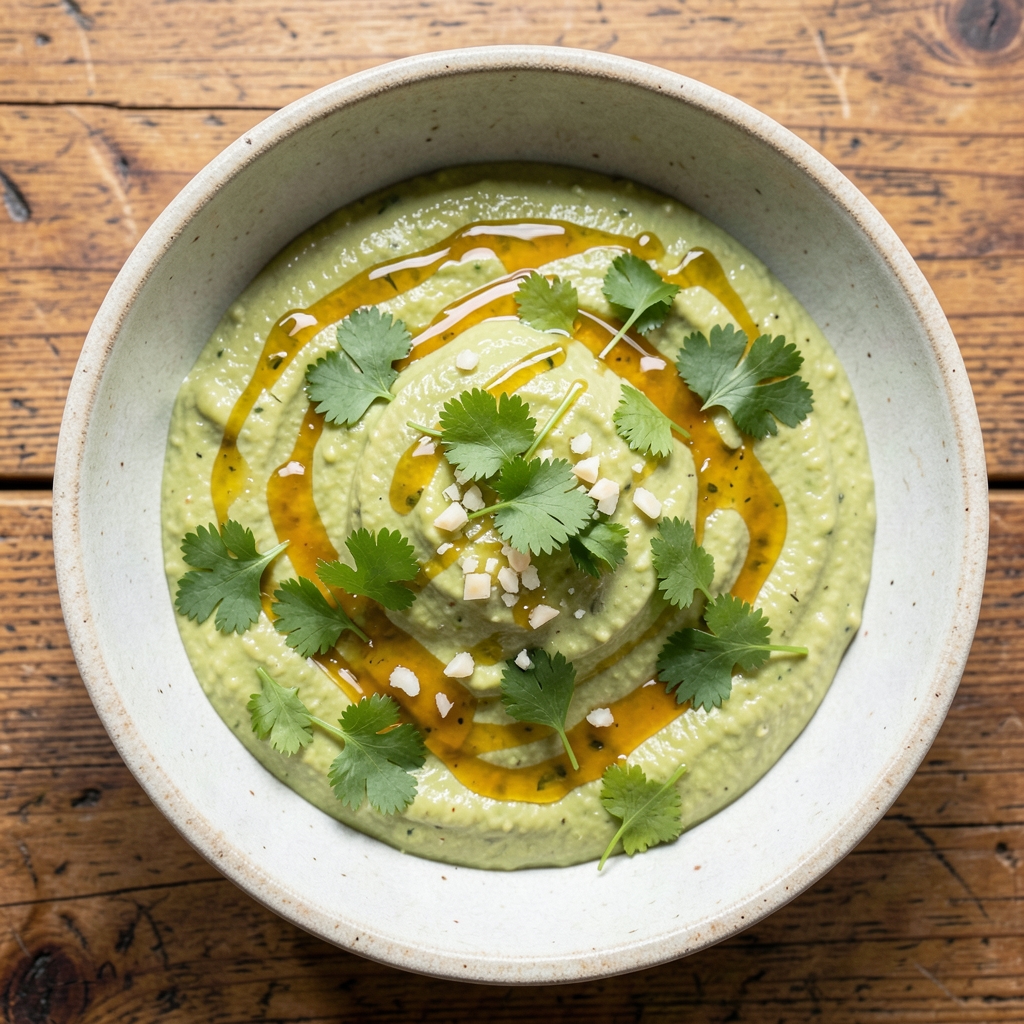
When you crave a salad that’s anything but boring, this blended salad recipe delivers velvety freshness with a creamy avocado-citrus base that transforms simple ingredients into something extraordinary. The key lies in blending ripe avocados with citrus juice until perfectly smooth, creating a rich, spreadable texture that coats every bite.
I developed this recipe after realizing how often salads fall flat—this version solves that problem with a foundation that’s both satisfying and adaptable.
The beauty of this dish is its balance: creamy avocado provides richness, while citrus brightens the palette and keeps the texture light. You’ll need just a handful of fresh ingredients—avocados, citrus (like orange or lemon), herbs, and a touch of salt—to build a base that’s versatile enough for any meal.
The blending technique ensures no lumps, and the result is a salad that’s hearty enough to stand alone or pair with proteins like grilled chicken or shrimp.
What you’ll end up with is a salad that’s creamy without being heavy, vibrant without being overwhelming, and completely customizable. The velvety texture makes it ideal for stuffing into wraps, topping toast, or serving as a refreshing dip.
It’s the kind of salad that turns a simple lunch into something special—no wilting leaves or soggy greens in sight.
Perfect for meal prep or last-minute lunches, this recipe scales easily and keeps well for up to two days in the fridge. Whether you’re hosting a gathering or just treating yourself, it’s a game-changer for anyone tired of the same old leafy greens. Let’s get blending!
Ingredients for blended salad
Just eight core ingredients blend into velvety freshness that transforms any salad into a creamy, vibrant masterpiece.
| Ingredient | Amount | Notes |
|---|---|---|
| Ripe Avocados 🥑 | 2 whole | Medium size, firm but yielding |
| Fresh Orange Juice 🍊 | ½ cup | Freshly squeezed, no pulp |
| Lemon Juice 🍋 | ¼ cup | Freshly squeezed, bright flavor |
| Fresh Cilantro Leaves 🌿 | ¼ cup | Stems removed, loosely packed |
| Fresh Parsley Leaves 🌿 | ¼ cup | Flat-leaf preferred, loosely packed |
| Extra-Virgin Olive Oil 🫒 | ¼ cup | Light, fruity variety preferred |
| Plain Greek Yogurt 🥛 | ¼ cup | Full-fat for creaminess |
| Garlic Cloves 🧄 | 2 cloves | Peeled, lightly crushed |
| Sea Salt 🧂 | ½ tsp | Fine grain preferred |
| Black Pepper 🌶️ | ¼ tsp | Freshly ground preferred |
| Mixed Baby Lettuce 🥬 | 4 cups | Butter or romaine preferred |
| Cherry Tomatoes 🍅 | 1 cup | Halved, for topping |
| Red Onion 🧅 | ¼ cup | Thinly sliced, for topping |
| Toasted Almonds 🥜 | ¼ cup | Sliced, for crunch |
The avocados are non-negotiable—ripe but firm is key. Hit the produce section when they yield slightly to gentle pressure, but avoid any with dark spots. Whole Foods and Trader Joe’s consistently carry the best quality, but local farmers markets often have fresher options. For the citrus, navel oranges work best—juice them immediately after cutting to prevent browning. The cilantro and parsley should be bright green with no wilting, and I always buy more than needed since they wilt faster than you’d think. Store them in damp paper towels in a sealed bag for extra freshness.
No fresh orange juice? Lemon juice alone works in a pinch, though the flavor will be sharper. Swap Greek yogurt for sour cream or crème fraîche if you prefer tangier richness. For the herbs, dried cilantro or parsley at one-third the amount can substitute, but fresh is ideal. The olive oil matters here—avoid strong, peppery varieties that can overpower the delicate flavors. For the toppings, cherry tomatoes can be subbed with cucumber or bell pepper, and almonds work just as well as walnuts or pecans. If you’re short on time, pre-cut veggies from the grocery store save steps without sacrificing quality.
This blended base keeps beautifully for up to 2 days in the fridge, though the texture softens slightly over time. For best results, store the blended portion in a sealed container with a thin layer of olive oil on top to prevent browning. The fresh toppings should be added just before serving. Portion into small containers for meal prep—one container of base plus toppings per serving ensures everything stays crisp. Freezing isn’t recommended, as the avocado texture breaks down, but the blended base can be frozen for up to 1 month if you omit the avocado and yogurt, using just citrus, herbs, and olive oil.
Why You’ll Love This Recipe
- No Chopping Needed: I blend everything—avocados, citrus, herbs—so no knife skills required. The cilantro and parsley just get tossed in whole, and the orange juice brightens it all up without a single mess.
- Tangy-Creamy Magic: That combo of ripe avocado and citrus? It’s like a refreshing guacamole but with a zesty kick. The lemon juice keeps it from browning while the orange juice adds a sweet, juicy punch—no sour cream needed.
- Meal Prep MVP: Make a big batch on Sunday and store it in jars. The avocado stays fresh for days if you keep the dressing separate, and it’s perfect for lunches, tacos, or even a quick dip. Honestly, I’ve used it as a pasta sauce in a pinch.
- Budget Brightener: Avocados might seem pricey, but a single one stretches across multiple servings. The rest—citrus, herbs—are cheap staples that turn a simple salad into something restaurant-worthy without breaking the bank.
Step-by-step instructions for creamy avocado and citrus salad
Here’s how to create a velvety, creamy dressing that transforms simple greens into a restaurant-worthy dish.
Prepare the Creamy Avocado Base
Cut the 2 whole ripe avocados in half, remove the pits, and scoop the flesh into a food processor or high-powered blender. The avocados should be firm but yielding when pressed—this ensures a smooth, creamy texture without turning mushy. Add the 2 peeled and lightly crushed garlic cloves to the processor.
Pulse the mixture briefly to break down the garlic, then add the 0.5 cup fresh orange juice and 0.25 cup lemon juice. The citrus will brighten the flavor and prevent the avocado from browning. Process everything together until completely smooth, scraping down the sides as needed. This base is the foundation of your creamy dressing, so take your time to achieve a perfectly silky consistency.
Blend in Herbs and Yogurt for Depth
Add the 0.25 cup fresh cilantro leaves and 0.25 cup fresh parsley leaves to the processor, along with the 0.25 cup plain Greek yogurt. The herbs will add freshness, while the yogurt contributes extra creaminess and a subtle tang. Process again until fully combined, stopping to scrape down the sides if necessary. You want a uniform color and texture—no visible chunks of herbs or yogurt should remain.
Taste the mixture at this stage. It should be tangy and fresh, with the avocado providing a rich, velvety body. If it needs more brightness, add a splash of additional lemon juice, or if it needs more richness, add a small amount of the 0.25 cup extra-virgin olive oil. The goal is to balance the flavors before adding the final ingredients.
Season and Emulsify the Dressing
With the processor running, slowly drizzle in the 0.25 cup extra-virgin olive oil while scraping down the sides. This gradual addition helps emulsify the dressing, ensuring it stays creamy rather than separating. Add the 0.5 teaspoon sea salt and 0.25 teaspoon black pepper, processing until everything is fully incorporated and the dressing is smooth and glossy.
For a true test of your dressing, spread a small amount on a plate and let it sit for a minute. If it holds its shape without breaking or separating, it’s ready. If it starts to split, add another tablespoon of olive oil or a splash of lemon juice to stabilize it. The dressing should be thick enough to coat the back of a spoon but still pourable.
Assemble the Salad with Toppings
In a large bowl, gently toss the 4 cups mixed baby lettuce with just enough of the creamy dressing to lightly coat the leaves. You don’t want the lettuce soggy—just enough to give it a velvety sheen. Halve the 1 cup cherry tomatoes and thinly slice the 0.25 cup red onion. Add these toppings to the bowl and toss gently to combine.
Finally, sprinkle the 0.25 cup toasted almonds over the top for a satisfying crunch. The almonds should be evenly distributed, adding both texture and a subtle nutty flavor that complements the creamy dressing. Serve immediately to enjoy the freshest possible salad, or cover and refrigerate for up to 2 hours if preparing ahead. The dressing will keep the lettuce crisp, and the flavors will meld beautifully.
Pro Tips For Making Blended Salad
- Add Citrus Last: Blend the avocados, herbs, and any dry ingredients first—then stir in the orange and lemon juice. The acidity breaks down faster when mixed in at the end, keeping your salad creamy longer instead of turning grainy from over-blending.
- Pit the Avocados: Remove the pits before blending—yes, even if they’re small. I learned this after one batch turned into a chunky mess from forgotten pits. A quick squeeze with your fingers or a spoon works; no fancy tools needed.
- Use Chilled Juice: Refrigerate the orange and lemon juice for 15 minutes before blending. Cold juice emulsifies better with avocado, giving you a smoother texture without adding extra liquid. (Pro move: Strain seeds if you’re picky about pulp.)
- Toast the Herbs: Pulse the cilantro and parsley in the food processor for 10 seconds before blending. This releases their oils and mutes the grassy notes slightly—no heat needed, just quick bursts. Trust me, it makes a difference.
Common mistakes when making perfect results
Over-Blending the Base
I’ve made this mistake more times than I’d admit—pushing the food processor past smoothness turns your creamy avocado base into a mushy, unappetizing paste. The goal is silky, not pureed. Stop blending as soon as the avocado, herbs, and yogurt combine uniformly.
Over-blending also releases too much avocado oil, which can make the dressing greasy. If your mixture starts looking like guacamole, you’ve gone too far. 🥑
Skipping the Citrus Step
The citrus isn’t just for flavor—it’s the secret to preventing browning and balancing richness. If you omit the orange or lemon juice, your avocado will oxidize quickly, turning brown and bitter within minutes.
Always add the citrus first when blending, and taste before moving forward. The acidity also cuts through the creaminess, keeping the salad light and refreshing. Trust me, this step isn’t optional!
Using Unripe Avocados
Nothing ruins a blended salad faster than mealy, underripe avocados. They’ll turn your creamy base grainy and taste bland. Press the avocado gently—it should yield slightly but not feel mushy. If yours are too firm, let them sit at room temperature for 30 minutes before blending.
Pro tip: Buy avocados that are dark green with a slight give when you shop, and store them in the fridge to slow ripening. 🥑
Ignoring the Emulsification Step
Drizzling the olive oil slowly while blending is critical—it’s the only way to create a stable, creamy dressing. If you dump it all in at once, the dressing will separate into oily layers. Work in tablespoon increments, scraping down the sides between additions.
The result should coat the back of a spoon without dripping. If it splits, add another splash of lemon juice to re-stabilize it.
Over-Mixing the Lettuce
Tossing the greens too vigorously bruises the lettuce, making it wilt and lose its crispness. Use a gentle hand—just enough to coat the leaves with dressing. I like to reserve some dressing and fold it in at the end.
Also, add toppings like tomatoes and onions last to keep them fresh. Over-mixing turns a vibrant salad into a sad, soggy mess. 🥬
Not Prepping Toppings First
Chopping all your toppings before assembling the salad is a game-changer. If you wait until the last minute, you’ll end up with uneven slices or undercooked ingredients. Halve cherry tomatoes, slice onions, and toast almonds ahead of time so everything’s ready when you are.
This keeps your workflow smooth and ensures the salad looks as good as it tastes. Pro move: Store toppings in separate containers until serving to maintain texture. ✨
Nutrition facts
Frequently asked questions
How do I keep the avocado from browning in this blended salad?
Add the citrus juice (orange and lemon) first when blending—this prevents oxidation. For extra protection, store the blended base with a thin layer of olive oil on top in an airtight container. The acidity in the citrus also helps maintain the green color longer.
Can I make this salad ahead of time?
Yes! The blended base keeps well for up to 2 days in the fridge. Store it separately from toppings (like lettuce and tomatoes) to preserve texture. Reassemble just before serving for the freshest crunch. For meal prep, portion the base into small containers and add toppings when ready to eat.
What if I don’t have a food processor?
Use a high-powered blender or even a fork in a bowl! Mash the avocados thoroughly, then whisk in the citrus juice, yogurt, and olive oil gradually. For a smoother texture, strain through a fine-mesh sieve after blending. The result won’t be as silky, but it’ll still taste delicious.
How can I make this salad vegan?
Swap the Greek yogurt for cashew cream (blend soaked cashews with water) or silken tofu. Use vegan olive oil and ensure all toppings (like almonds) are certified vegan. The flavor stays rich and creamy—just check labels for hidden dairy in toppings.
Why did my dressing separate?
This usually happens when olive oil is added too quickly. Slowly drizzle it in while blending to emulsify. If it splits, add 1 teaspoon lemon juice or a splash of cold water and blend again. The dressing should hold together when spread on a plate for 1 minute without breaking.

- Betty Crocker Chocolate Devil Cake Recipe: Moist Layers With Fudgy Frosting - November 8, 2026
- Beetroot Fries Recipe: Earthy Sweetness With Crispy Edges - November 8, 2026
- Old Bay Seasoning Crab Cake Recipe: Crispy-Golden Bites with Zesty Maryland Flair - November 8, 2026