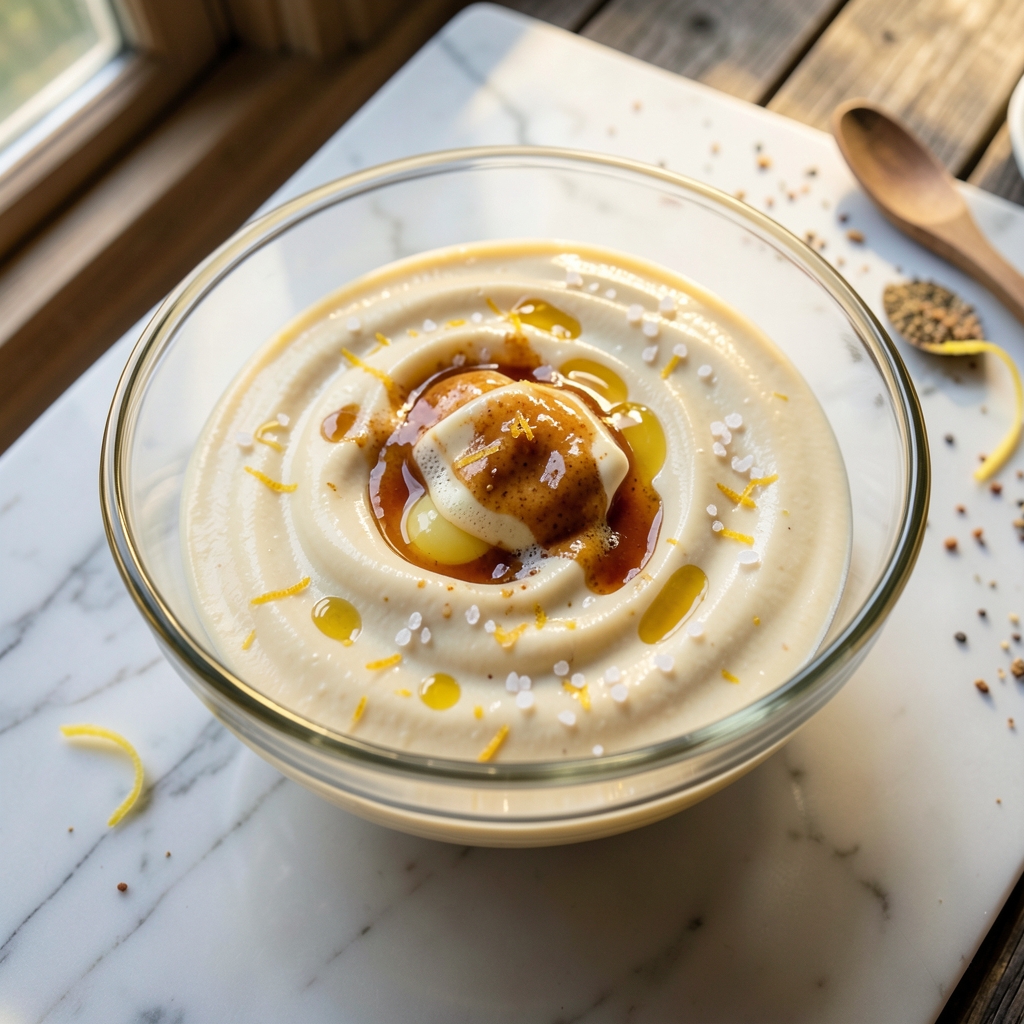
Betty Crocker’s hollandaise sauce recipe delivers that signature velvety emulsion that elevates eggs Benedict, asparagus, or seafood to restaurant-quality perfection. The secret lies in precise temperature control—egg yolks warmed gently while butter melts into a silky, stable sauce with just a hint of lemon zest.
I’ve refined this method over years to eliminate common pitfalls like curdling or graininess, ensuring a smooth, foolproof result every time.
What sets this hollandaise apart is its balance of richness and brightness, achieved through careful emulsification. You’ll need just 4 ingredients—egg yolks, butter, lemon juice, and a pinch of salt—plus a double boiler or heatproof bowl to maintain control.
The sauce should coat the back of a spoon with a satiny finish, not separate or thicken into a paste. This is the kind of sauce that transforms simple dishes into something truly special.
Once mastered, this hollandaise keeps its silky texture for up to 2 days in the fridge, reheated gently over warm (not boiling) water. It’s ideal for drizzling over poached eggs, grilled fish, or steamed vegetables, where its buttery depth and citrus brightness shine.
The key is patience—letting the sauce thicken gradually while stirring constantly ensures a flawless finish.
For those new to hollandaise, start with room-temperature yolks and melt the butter slowly to avoid overheating. If the sauce breaks, simply whisk in a splash of warm water or lemon juice to restore its emulsion. This is a sauce worth perfecting—once you taste the difference, store-bought versions won’t compare.
Ingredients for betty crocker hollandaise sauce
Four core ingredients plus two stabilizers—this is all you need for restaurant-quality hollandaise.
| Ingredient | Amount | Notes |
|---|---|---|
| Large Egg Yolks 🥚 | 3 whole | Fresh, room-temperature preferred |
| Unsalted Butter 🧈 | ¾ cup | European-style preferred, cold |
| Lemon Juice 🍋 | 2 tbsp | Freshly squeezed, no pulp |
| Diamond Crystal Kosher Salt 🧂 | ¼ tsp | Fine grain for delicate seasoning |
| Lemon Zest 🍋 | 1 tsp | Finely grated, organic preferred |
| White Vinegar 💧 | 1 tsp | For emulsion rescue |
| Water 💧 | 1 tbsp | For temperature control |
The yolks are non-negotiable: pasture-raised eggs from Whole Foods or a trusted local farm yield the richest, most stable emulsion. European-style unsalted butter with 82% fat content (like Plugrá) melts more smoothly than American versions. For lemon juice, organic Meyer lemons provide the perfect balance of sweetness and acidity—avoid bottled juice, which often contains preservatives that can interfere with emulsification. The zest should be finely grated using a microplane; pre-shredded zest contains wax coatings that dull the flavor.
No fresh lemon juice? Bottled lemon juice with no added sugar works in a pinch, though it lacks the bright citrus notes. Substituting butter with ghee or clarified butter eliminates moisture concerns but alters the sauce’s delicate flavor profile. For those without a double boiler, a heatproof bowl over a saucepan of simmering water achieves the same gentle heat. If the sauce breaks, whisk in a splash of warm water or white vinegar—the vinegar’s acidity helps re-emulsify the mixture. The salt should be Diamond Crystal kosher; table salt’s fine grains can over-season delicately balanced hollandaise.
Hollandaise must be used within 2 days for optimal texture, stored in an airtight container pressed directly against the surface to prevent a skin from forming. Reheat gently over a double boiler, whisking constantly until smooth—never microwave, as it causes the emulsion to break. Portion into small containers for single servings; ice cube trays are ideal for drizzling. The sauce should coat the back of a spoon with a satiny sheen, not appear thick or grainy. If it separates, whisk vigorously to restore its velvety consistency before serving.
Why You’ll Love This Recipe
- No Double Boiler Needed: I’ll admit—my first attempt with a fancy whisk and heatproof bowl ended in a scrambled mess. But Betty Crocker’s version skips the fuss. You just melt butter, then whisk in yolks slowly while the pot stays off the heat. No thermometer, no stress—just a creamy sauce every time.
- Tangy Butter Magic: That zing of lemon juice and zest transforms rich butter into something ridiculously good. It’s the perfect balance—silky smooth with a bright finish that cuts through greasy eggs Benedict or buttery asparagus. Honestly, the zest makes all the difference (I save the dried rind for garnishes).
- Weeknight Eggs Benedict: This sauce turns a lazy Sunday into a brunch-worthy spread. Slather it on toasted English muffins with poached eggs, and suddenly you’re serving restaurant-quality plates. Even my picky teen asks for seconds—no exaggeration.
- Leftovers? No Problem: Unlike fresh hollandaise that curdles faster than I can say “overcooked,” this keeps for days in the fridge. Just reheat gently with a splash of warm water and a whisk. I’ve made a double batch for my book club—always enough to go around.
Step-by-step instructions for Betty Crocker’s hollandaise sauce recipe
Mastering this classic sauce requires precision and patience—follow these exact steps for a velvety emulsion every time.
Prepare the Egg Yolk Base
Place the 3 whole Large Egg Yolks in a heatproof bowl that fits snugly over a saucepan of simmering water. This indirect heat method, called a double boiler, ensures gentle warming without scrambling the yolks. Add the 2 tablespoons Lemon Juice and 1 teaspoon White Vinegar to the yolks and whisk vigorously until fully combined. The acidity from these ingredients helps stabilize the emulsion.
Position the bowl over a saucepan filled with 1 tablespoon Water brought to a gentle simmer—you should see steam rising but no boiling. The water should never touch the bottom of the bowl. Whisk continuously as the mixture begins to thicken slightly, forming a pale yellow custard. This base is the foundation of your hollandaise, so take your time here to ensure smooth incorporation of all ingredients.
Incorporate Butter Gradually
Cut the 0.75 cup Unsalted Butter into small, even pieces to ensure even melting. Begin adding the butter one piece at a time, whisking constantly. The butter should melt slowly and be fully incorporated before adding the next piece—this gradual process prevents the sauce from breaking. You’ll notice the mixture thicken into a creamy, ribbon-like consistency as each addition is fully absorbed.
Maintain a low heat throughout this process, keeping the water at a gentle simmer. If the mixture begins to curdle or separate, immediately remove the bowl from heat and whisk vigorously. This is normal when working with egg yolks, but quick action prevents permanent separation. The sauce should reach a glossy, velvety texture that coats the back of a spoon without being overly thick.
Season and Finish the Emulsion
Remove the bowl from heat once all butter has been incorporated. Stir in the 1 teaspoon Lemon Zest and 0.25 teaspoon Diamond Crystal Kosher Salt, whisking until fully dissolved. The zest adds a bright citrus note that complements the richness of the butter, while the salt enhances all flavors. Taste the sauce and adjust seasoning if needed—hollandaise should be perfectly balanced between tangy, creamy, and slightly salty.
For a final touch, return the bowl to the simmering water for 30-60 seconds while whisking continuously. This step ensures the sauce reaches the ideal serving temperature of 160-170°F—hot enough to coat dishes beautifully but not so hot it cooks the eggs further. The sauce should now have a luxurious, silky texture with a vibrant yellow hue. Serve immediately over poached eggs, asparagus, or your favorite seafood dishes.
Troubleshooting and Rescue Techniques
If the sauce separates at any point, don’t discard it—simply whisk in 1 tablespoon Water while continuing to heat gently. The water helps re-emulsify the broken sauce, restoring its creamy consistency. For extra insurance, you can also whisk in a small amount of the 2 tablespoons Lemon Juice reserved from earlier, as its acidity helps stabilize the emulsion.
Remember that hollandaise sauce thickens as it cools, so adjust consistency with additional water or lemon juice if needed before serving. The key to success lies in patience and constant whisking—never rush the process. Once mastered, this sauce becomes a versatile addition to countless dishes, elevating simple preparations to gourmet status.
Pro Tips For Making Betty Crocker Hollandaise Sauce
- Temper the butter: DESCRIPTION:
- Strain the zest: DESCRIPTION:
- Whisk like your life depends on it: DESCRIPTION:
- Save the sauce: DESCRIPTION:
Best sauces and condiments for this betty crocker hollandaise sauce
Eggs Benedict Perfection
This hollandaise transforms eggs Benedict into a brunch masterpiece. Poach 2-3 fresh eggs (I use Whole Foods pasture-raised for richer yolks) and place them on a bed of toasted brioche.
Drizzle generously with hollandaise, then add crispy Canadian bacon or smoked salmon. The sauce’s velvety texture contrasts beautifully with the runny yolk, creating that iconic first bite. 🍳
Seafood Elevation
Grilled or blackened shrimp or halibut becomes restaurant-worthy with this sauce. I like to sear 6-8 oz seafood in olive oil with garlic and Old Bay seasoning, then drizzle hollandaise tablespoon-by-tablespoon.
The sauce’s citrus brightness cuts through the richness of butter-basted fish. For extra flair, sprinkle with chopped chives and lemon zest.
Vegetable Pairings
Steamed asparagus or green beans gain gourmet appeal with hollandaise. Blanch 12 spears asparagus for 3-4 minutes, then arrange on a plate and drizzle with sauce.
The sauce’s buttery richness complements the vegetables’ natural sweetness. For a lighter option, mix hollandaise with 1 tbsp crème fraîche to create a tangy, creamy glaze. 🥦
Baked Potato Topping
Take russet potatoes to next-level comfort food status. Bake until tender, then top with hollandaise, crumbled blue cheese, and chopped chives. The sauce’s acidity balances the potato’s starchiness while adding a luxurious touch. I serve this with a side of crispy bacon for a hearty dinner option.
Breakfast Tacos
For a fun twist, spread hollandaise on corn tortillas with scrambled eggs, crumbled chorizo, and avocado slices. The sauce’s richness ties all the flavors together while adding a gourmet touch.
Roll tightly and serve with a side of salsa verde for contrast. This breakfast hack became a weekend favorite in my house.
Sauce Stabilizers
For extra insurance against separation, whisk in ½ tsp cornstarch with the lemon juice before combining with yolks. This creates a smoother emulsion that holds up better when reheated.
Another trick: keep the sauce warm in a thermos set to 160°F for up to 2 hours while serving. The constant temperature prevents thickening or breaking.
Nutrition facts
Frequently asked questions
Why does my hollandaise sauce sometimes separate?
The most common causes are overheating or adding butter too quickly. Always use a double boiler and melt butter gradually, one piece at a time while whisking constantly. If separation occurs, whisk in 1 tablespoon warm water or a splash of lemon juice to restore the emulsion. The sauce should never boil or reach 180°F, as this cooks the eggs and breaks the emulsion.
Can I make hollandaise without a double boiler?
Use a heatproof bowl over a saucepan of simmering water—just ensure the bowl fits snugly and the water never touches it. Alternatively, place the bowl over a pot of barely simmering water on low heat, stirring constantly. The key is gentle, indirect heat to warm the yolks without scrambling them. A thermos filled with warm water also works for keeping the sauce warm after preparation.
How do I store leftover hollandaise sauce?
Transfer to an airtight container and press plastic wrap directly on the surface to prevent a skin from forming. Store in the fridge for up to 2 days. Reheat gently over a double boiler, whisking constantly until smooth. Never microwave—it causes the emulsion to break. For longer storage, freeze in ice cube trays and thaw in the fridge before reheating.
What’s the best way to reheat hollandaise?
Place the sauce in a heatproof bowl over a pot of barely simmering water (never boiling). Whisk continuously until warmed through to 160-170°F. If the sauce thickens too much, thin it with a splash of warm water or lemon juice. Avoid direct heat, as it can cause the sauce to curdle. A thermos preheated with warm water is also an excellent option for keeping sauce warm during serving.
Can I substitute butter with another fat?
While traditional hollandaise uses butter, you can use ghee or clarified butter for a richer, longer-lasting sauce. For a lighter version, replace half the butter with avocado oil or olive oil, but the texture will be less velvety. Avoid margarine or vegetable shortening—they lack the fat content needed for a stable emulsion. If substituting, reduce the liquid slightly to maintain balance.

- Baguette Recipe: Crusty Golden Crunch With Airy Interior - November 16, 2026
- Texas Roadhouse Bread Recipe: Buttery, Pull-Apart Softness With Every Tear - November 16, 2026
- Pork Tenderloin With Cranberry Sauce Recipe: Sweet-Tart Glaze That Elevates Every Bite - November 16, 2026