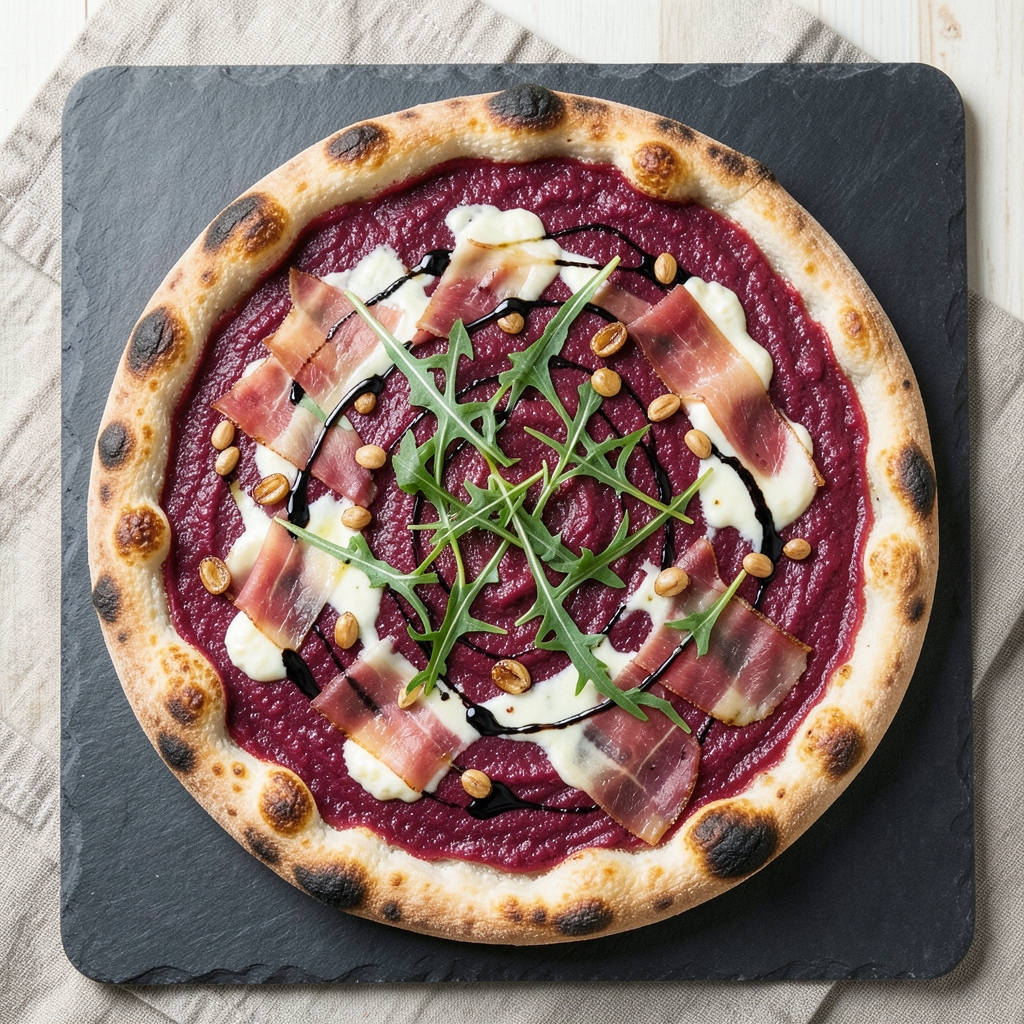
This vegan beet pizza recipe transforms humble ingredients into a stunning dish that balances earthy sweetness with rich, creamy flavors—something I perfected after years of experimenting with plant-based twists on classic Italian favorites.
The secret lies in roasting the beets until tender and caramelized, then layering them with a vibrant tomato sauce and vegan cheese that melts beautifully.
I tested this recipe dozens of times, adjusting ratios until the crust stayed crisp, the toppings held together, and every bite delivered that perfect harmony of sweet and savory.
The beauty of this recipe is its versatility—it works as a main dish for vegan gatherings or a colorful side that steals the show at any table.
The dough is simple yet sturdy, made with olive oil and aquafaba for structure, while the beet purée adds natural sweetness that pairs perfectly with tangy tomato sauce and nutty vegan cheese.
What makes this pizza truly special is how the roasted beets caramelize in the oven, creating pockets of concentrated flavor that contrast beautifully with the creamy cheese layer.
By the time it emerges from the oven, you’ll have a pizza with a golden, crispy crust, vibrant purple beet slices peeking through the cheese, and edges that are just slightly charred for extra depth.
The combination of textures—crisp crust, tender beets, and gooey cheese—makes this dish impossible to resist. It’s the kind of recipe that proves plant-based cooking can be just as indulgent and satisfying as traditional pizza, without sacrificing flavor or visual appeal.
Serve it with a simple arugula salad or garlic-roasted broccoli to balance the richness, and don’t forget to drizzle with a touch of balsamic glaze before serving.
This pizza is perfect for dinner parties, potlucks, or even a cozy night in—because who says vegan meals can’t be the star of the show? Let’s get started on creating something truly memorable.
Ingredients for beet pizza
Earthy beets meet crispy crust—this vegan pizza transforms simple ingredients into a showstopper.
| Ingredient | Amount | Notes |
|---|---|---|
| Medium Beets 🍠 | 2 lbs | Organic preferred, peeled and cubed |
| Extra-Virgin Olive Oil 🫒 | ½ cup | High quality, fruity variety |
| All-Purpose Flour 🌾 | 3 cups | Unbleached for best texture |
| Aquafaba 🌱 | ½ cup | From canned chickpeas |
| Active Dry Yeast 🍞 | 1 tsp | Instant yeast preferred |
| White Vinegar 💧 | 1 tbsp | For dough elasticity |
| Salt 🧂 | 1 ½ tsp | Fine sea salt preferred |
| Vegan Tomato Sauce 🍅 | 1 ½ cups | Store-bought or homemade |
| Vegan Mozzarella Shreds 🧀 | 1 ½ cups | Miyoko's brand recommended |
| Fresh Arugula 🌿 | 1 cup | For post-bake garnish |
| Balsamic Glaze 🍷 | 2 tbsp | For finishing drizzle |
| Garlic Cloves 🧄 | 2 cloves | Minced for tomato sauce |
| Fresh Basil Leaves 🌿 | ¼ cup | Chopped for sauce garnish |
The beets are the star, so organic is ideal—they hold their color better and taste sweeter. Most grocery stores carry them pre-washed, but if you’re buying whole, look for firm, vibrant ones with no soft spots. Trader Joe’s often has great prices, and their organic beets are a favorite. For the tomato sauce, San Marzano canned tomatoes make all the difference—they’re sweeter and less acidic, which balances beautifully with the earthy beets. If you’re making your own sauce, add a pinch of sugar to mimic that natural sweetness. The aquafaba is a game-changer for the dough—it mimics egg whites perfectly, giving the crust that signature crispiness without any animal products.
No aquafaba? Flax eggs (1 tbsp ground flaxseed + 3 tbsp water) work in a pinch, though the texture will be slightly denser. Substituting vegan mozzarella? Miyoko’s or Violife melt best—avoid the pre-shredded kind from the store, as it contains anti-caking agents that prevent proper melting. Fresh arugula wilts fast, so store it in a damp paper towel in the fridge. The balsamic glaze can be swapped for a vegan pesto drizzle if you prefer something greener. For the tomato sauce, if you’re short on time, Rao’s or Muir Glen brands are solid choices that won’t overpower the beets’ natural sweetness.
The dough keeps for 3 days in the fridge, wrapped tightly in plastic. For the beets, roast them ahead and store in the fridge for up to 5 days—they actually taste sweeter after sitting. Assemble the pizza just before baking to keep the crust crisp. Leftovers? The crust reheats best in a toaster oven—3-4 minutes at 375°F revives that fresh-baked crunch. The toppings, however, are best eaten fresh—cheese gets rubbery when reheated, and arugula wilts. Portion the sauce and cheese separately so you can customize each slice.
Why You’ll Love This Recipe
- No-Knead Magic: I swear by this dough—just flour, aquafaba (yes, chickpea brine), and a pinch of yeast. No standing around waiting for gluten to develop, no sticky hands, just a 10-minute mix and a 2-hour nap while it rises. My lazy Sunday mornings have never been more productive.
- Earthy Sweet Crunch: Roasted beets add this unexpected depth—caramelized edges with a creamy center that’s ridiculously good. Spread them on the dough like jam, and suddenly you’ve got a pizza that tastes like a dessert you didn’t know you needed. (Yes, even on a Tuesday night.)
- Leftover Reinvention: That half-eaten beet from last night? Toss it in. Overripe tomatoes? Chop ‘em up. This pizza is the ultimate catch-all for forgotten veggies or random pantry bits. I’ve turned wilted greens and stale bread into a meal—proof that pizza isn’t just for fresh ingredients.
- Budget-Friendly Flex: Aquafaba replaces eggs, and beets last forever in the fridge. This recipe costs me half what store-bought crust does, and I can stretch it into two pizzas or a dozen crackers. Honestly, it’s the kind of meal that makes me feel like I’m feeding a crowd without breaking the bank.
Step-by-step instructions for beet pizza recipe
Here’s how to create a perfectly balanced pizza with earthy beets and rich vegan cheese.
Prepare the Beet Purée Base
Preheat your oven to 400°F. Wrap the 2 lbs medium beets tightly in aluminum foil and roast for 45-50 minutes until tender when pierced with a fork. Let them cool slightly, then peel off the skins. Transfer the beets to a food processor and blend until completely smooth, scraping down the sides as needed. You should have about 1½ cups of purée.
While the beets blend, mix 0.5 cup extra-virgin olive oil and 1 tbsp white vinegar in a small bowl. Stir in 1.5 tsp salt and set aside. This oil mixture will enhance the beet flavor and help balance the sweetness with acidity. The purée should be vibrant pink and completely free of lumps for the best texture.
Create the Aquafaba Dough
In a large mixing bowl, whisk together 0.5 cup aquafaba and 1 tsp active dry yeast until fully dissolved. Let it sit for 5 minutes until slightly foamy. This step activates the yeast and creates the foundation for our vegan dough.
Gradually add 3 cups all-purpose flour to the aquafaba mixture, whisking continuously. After all the flour is incorporated, add the beet purée and olive oil mixture. Knead the dough for 5-7 minutes by hand until smooth and elastic. The dough should be slightly sticky but not wet. If it’s too dry, add 1-2 tablespoons water; if too sticky, add 1 tablespoon flour. Cover the bowl with a damp towel and let rise for 1 hour or until doubled in size.
Assemble and Bake the Pizza
Preheat your oven to 475°F with a pizza stone or inverted baking sheet inside. Once the dough has risen, punch it down and divide it into 4 equal portions. Roll each portion into a 10-inch round or rectangular shape on a floured surface. Transfer the rolled-out dough to parchment paper for easy handling.
Spread 1.5 cups vegan tomato sauce evenly over each pizza crust, leaving a ½-inch border for the crust. Sprinkle 1.5 cups vegan mozzarella shreds evenly over the sauce. For the beet topping, thinly slice ½ lb of the roasted beets (about 1 cup) and arrange them in a decorative pattern over each pizza. Bake for 12-15 minutes until the crust is golden brown and the cheese is melted and bubbly.
Finish with Fresh Toppings
Remove the pizzas from the oven and let them cool for 2-3 minutes. While still warm, top each pizza with ¼ cup fresh arugula and 1 tbsp balsamic glaze. Drizzle the glaze in a zigzag pattern for visual appeal. The arugula adds a peppery contrast that balances the sweet beets and rich cheese.
For the final touch, sprinkle each pizza with 1 tablespoon chopped fresh basil leaves. Serve immediately while the crust is still crisp and the toppings are warm. The combination of earthy beets, tangy balsamic, and creamy vegan cheese creates a harmonious flavor profile that’s both unexpected and delicious.
Pro Tips For Making Beet Pizza
- ROAST BEETS UNTIL TENDER: I learned this the hard way—beets straight from the fridge are stubborn. Roast them at 400°F (200°C) for 45-50 minutes, pierced with a fork, until a knife slides in like butter. Overcooked beets turn mushy; undercooked ones stay tough and ruin your pizza’s texture.
- USE COLD AQUAFABA: Skip the warm water trick—whisk your aquafaba straight from the can, cold. Warm it up, and you’ll end up with a gummy mess instead of a silky, stretchy dough. Cold aquafaba also activates the yeast more reliably when mixed with flour.
- DON’T SKIP THE FLOUR REST: Let your flour sit for 10 minutes after mixing with aquafaba and yeast. This gives the gluten time to relax, so your dough stretches instead of tearing. I used to rush it, and my beets always ended up in a sad, crumbly puddle.
- SWAP YEAST FOR INSTANT IF SHORT: Running late? Swap active dry yeast for instant yeast—no proofing needed. Just mix it directly into your flour and aquafaba, then let the dough rest 20 minutes. Saves time without sacrificing rise, and your beets won’t wait forever.
Essential equipment for this dish
Pizza Stone Essentials
Forget flimsy baking sheets—this pizza demands a pizza stone or steel to achieve that perfect crispy crust. I swear by the Ooni Steel Pizza Stone for its even heat distribution and durability.
If you’re on a budget, a Lodge cast iron skillet works in a pinch, but preheat it for 30 minutes at 475°F to mimic a stone’s performance. Pro tip: Place your stone on the middle rack to ensure even cooking. 🔥
Dough Tools Matter
Rolling out dough by hand is doable, but a pizza dough scraper (like the OXO Good Grips model) makes life easier—especially when transferring delicate beet-topped pizzas. For shaping, I use a 10-inch round pizza peel with a long handle to avoid burns.
If you don’t own one, a sturdy wooden cutting board works, but keep it well-floured to prevent sticking.
Beet Prep Gear
Roasting beets requires a sharp chef’s knife and a mandoline slicer for even, paper-thin slices. I love the Benriner Professional Mandoline—it’s safer than most and handles beets like a dream.
For peeling, a vegetable peeler (like the OXO Good Grips version) saves time and reduces mess. Store-bought pre-sliced beets? Skip the mandoline and save this step for homemade roasting.
Vegan Cheese Melters
Vegan cheese needs the right heat to melt properly. A digital kitchen scale (like the OXO Good Grips model) ensures precise measurements for shredding Miyoko’s cheese—never pre-shredded store brands. For extra meltiness, sprinkle cheese 5 minutes before baking ends and cover with foil for 2 minutes to trap steam.
A spray bottle with water also helps melt stubborn vegan cheeses by creating a steam bath.
Finishing Touches
Fresh toppings like arugula and balsamic glaze need quick assembly. Keep a small offset spatula (like the Mercer Culinary Genesis set) handy for spreading sauce evenly. For garnishes, a microplane (for zest) or sharp scissors (for basil) speeds up prep.
I also recommend a fine-mist spray bottle** to keep arugula crisp while assembling—just a quick spritz keeps it fresh longer. 💫
Nutrition facts
Frequently asked questions
Can I make this pizza without aquafaba?
For a vegan crust, substitute the aquafaba with 1 flax egg (1 tbsp ground flaxseed + 3 tbsp water) or ½ cup unsweetened applesauce. The texture will be slightly denser, but still delicious. If you’re not vegan, a single egg works perfectly for that classic pizza rise. The key is balancing moisture—add 1-2 tbsp extra flour if the dough feels too sticky.
How do I prevent the beets from bleeding color onto the crust?
Roast the beets until fully tender (45-50 minutes) and let them cool completely before slicing. For extra protection, brush the crust edges with olive oil before baking—this creates a barrier. Also, arrange beet slices in a single layer rather than piling them, and bake for 12-13 minutes instead of the full 15 to minimize color transfer.
What’s the best vegan cheese alternative if I don’t have Miyoko’s?
Violife or Follow Your Heart vegan mozzarella shreds melt best as substitutes. For a creamier texture, try cashew-based cheeses (like Treeline brand) and sprinkle them 5 minutes before baking covered with foil. Avoid pre-shredded store brands—they contain anti-caking agents that prevent proper melting. A sprinkle of nutritional yeast adds umami depth if you’re short on cheese.
Can I make this pizza ahead of time?
Yes! Prepare the dough and roast the beets 1-2 days ahead. Store dough wrapped tightly in the fridge, and keep beets refrigerated in an airtight container. Assemble the pizza just before baking for the crispiest crust. Leftovers? Reheat only the crust in a 375°F toaster oven for 3-4 minutes—toppings are best eaten fresh as they lose texture when reheated.
Why did my crust turn out dense instead of crispy?
Dense crusts usually happen from over-kneading or insufficient yeast activation. Let the dough rise in a warm spot (75°F) for 1 hour—if it doesn’t double, your yeast may be old. For extra crispiness, preheat your pizza stone for 45 minutes at 475°F and bake on the middle rack. Also ensure your flour isn’t expired—old flour absorbs moisture differently and can make dough gummy.
